Assessing the Damage After an Accident
After a car collision, one of the first things you need to do is carefully assess your vehicle for damage. This initial evaluation can help you determine whether your car is safe to drive or if further inspection or repairs are necessary. Below is a guide to help you approach this process effectively.
Steps to Assess Vehicle Damage
- Move yourself and any passengers to a safe location away from traffic, if possible.
- Turn on your hazard lights and ensure the area isn’t putting you at further risk before inspecting your vehicle.
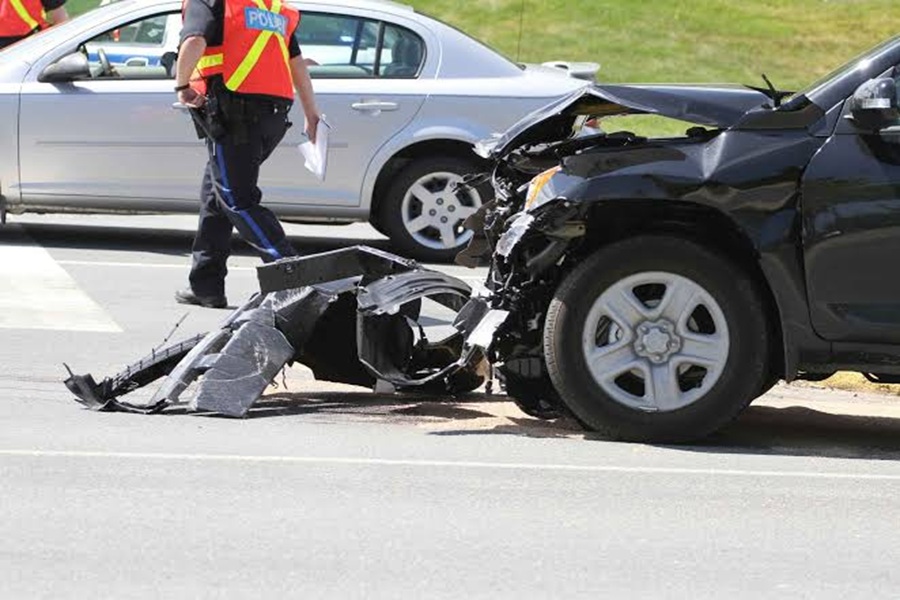
- Look for obvious structural damage, such as crushed panels, bent frames, or parts hanging loosely.
- Inspect all four tires for punctures, cracks, or bent rims that could make driving unsafe.
- Examine lights and windows for cracks or shattered glass.
- Check if the wheels are properly aligned; they should not appear tilted outward or inward unnaturally. Misalignment can suggest suspension or axle damage.
- If possible, test your brakes gently while stationary to ensure they respond normally.
- Look underneath the vehicle for signs of leaking fluids like oil, coolant, brake fluid, or fuel. | Fluid Type | Possible Leak Location | Signs | |——————–|———————————-|———————————| | Engine Oil | Underneath engine block | Dark brown/black puddle | | Coolant | Near radiator/front undercarriage | Greenish/yellowish liquid | | Brake Fluid | Under wheel wells | Clear/light brown fluid | | Gasoline/Fuel | Under gas tank | Smell of fuel; clear puddle |
- Listen for Unusual Noises
Start the car (if safe) and listen for irregular sounds such as grinding, clunking, or hissing that might indicate mechanical problems.
Why Thorough Assessment Matters
Taking time to evaluate your car’s condition after an accident can help prevent further damage or accidents down the road. A seemingly minor issue like a slight dent in the front bumper may be hiding critical internal damage that could compromise safety systems such as airbags or steering mechanisms.
When You Should Seek Professional Help
- Severe body damage affecting doors, hood, trunk, etc., making them inoperable.
- Dashboard warning lights turning on after starting your car (e.g., airbag light).
- Persistent leaking fluids even after wiping/cleaning up spills.
- Obvious mechanical malfunctions like poor steering response.
Contacting a mechanic or towing service immediately is advisable under these circumstances.
While assessing damages might feel overwhelming right after an accident happens, staying calm and using a structured approach can help ensure both safety and peace of mind moving forward without missing critical warning signs in your vehicle’s condition.
When It’s Safe to Drive Your Car
Determining whether it’s safe to drive your vehicle after a collision involves carefully evaluating several factors. Driving a damaged car can pose serious risks to your safety and others on the road, so it’s crucial to assess both visible and hidden damage before making a decision. Here’s how you can determine if your car is roadworthy after an accident.
Perform a Basic Visual Inspection
- Tires: Ensure they are not flat or visibly damaged (e.g., punctures, sidewall bulges).
- Lights: Check that all headlights, brake lights, and turn signals function properly.
- Mirrors: Verify that side mirrors and the rearview mirror are intact and provide clear visibility.
- Bodywork: Confirm there are no loose panels or sharp edges that could fall off or cause harm while driving.
Even if these items appear fine, remember that visible damage doesn’t always reveal underlying mechanical issues.
Test Essential Vehicle Functions
- Steering Wheel: Rotate the steering wheel fully in both directions to ensure smooth operation without strange sounds (e.g., clicking or grinding).
- Brakes: Gently apply pressure on the brakes while parked to ensure there’s no delay or unusual resistance; test again at low speeds once moving.
- Dashboard Warning Lights: Pay close attention to warning lights on your dashboard (e.g., ABS, engine light). Any illuminated signals may indicate unresolved issues requiring professional attention.
- Alignment: Drive slowly in a straight line on an empty road and observe whether the car pulls to one side, indicating alignment problems caused by the accident.
Evaluate Safety Features Post-Collision
Component | What To Check |
Airbags | Confirm airbags have not deployed inadvertently during minor collisions; they must be replaced if used once. |
Seatbelts | Test for proper retraction and tension; frayed belts should be replaced immediately for safety reasons. |
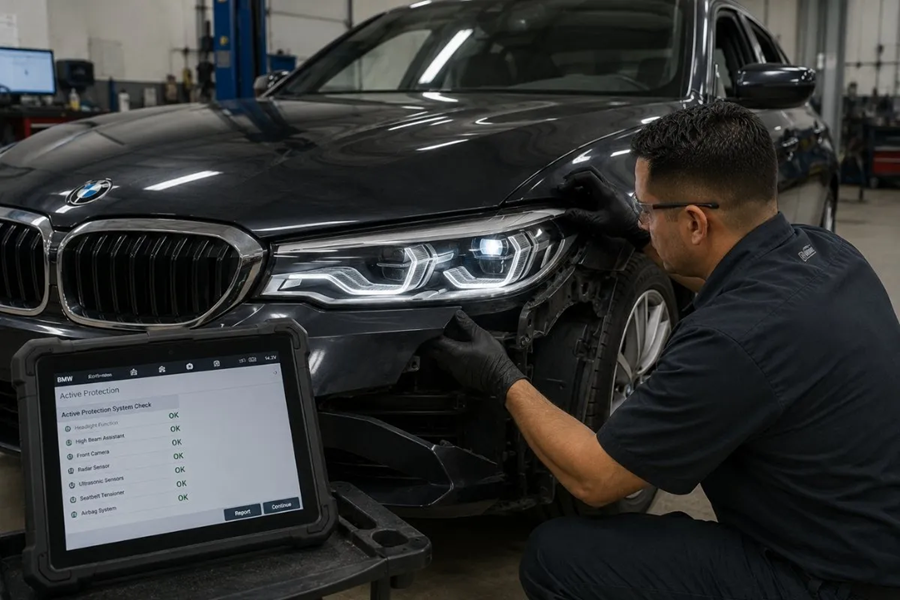
Sensors & Cameras | Verify backup cameras/sensors operate correctly without obstruction from debris/damage. |
If any of these systems aren’t functional post-collision, consider this an indicator that professional repairs are required before further use of the vehicle.
Situations Where Driving May Be Safe
- The collision was at very low speed with minimal external damage.
- All core systems—brakes, steering, lights—are operating normally.
- Dashboard warnings do not indicate mechanical issues.
- The frame is intact with no visible structural compromise.
However, even when driving seems possible under these conditions, you should proceed cautiously until a licensed mechanic inspects your car thoroughly.
Prioritize Caution Over Assumptions
- If you’re uncertain about internal damage (even with no external signs), avoid driving until inspected by professionals.
- Never ignore unusual noises or sensations during test drives—they often signal deeper problems lurking beneath visible areas.
Your personal safety should always come first when making decisions about whether it’s safe to drive following a collision scenario.
Warning Signs You Should Not Drive After a Collision
After you’ve been involved in a collision, it’s vital to assess whether your vehicle is safe to operate. While some damage may appear minor, there are specific warning signs that indicate your car should not be driven under any circumstances. Ignoring these red flags could put you, your passengers, and other road users at significant risk.
Warning Signs to Watch For
- Dashboard Warning Lights
If warning lights (like the check engine light, airbag light, or battery indicator) are illuminated on your dashboard post-collision, it’s a strong signal that something in the vehicle’s systems is malfunctioning and requires immediate attention. - Fluid Leaks
Inspect beneath your car for any signs of leaking fluids such as oil, transmission fluid, coolant, or brake fluid. Even small leaks can escalate into serious mechanical problems and may impair critical systems like braking or steering. - Steering Problems
Difficulty steering or unusual resistance when turning the wheel suggests damage to the power steering system or alignment issues. This makes the vehicle unpredictable and unsafe to handle. - Unusual Noises
Listen for grinding noises from damaged brakes, clunking sounds from suspension components, or rattling noises from loose parts underneath the car. These sounds often hint at structural damage that compromises safety. - Visible Structural Damage
Examine the exterior of your car for bent frames, crushed areas near wheels, or cracked windshields. Any visible structural damage can affect both the stability of the vehicle and its ability to protect you in case of another accident.
Safety Checklist Before Driving
- Perform a visual inspection of tires—check for punctures or misalignment.
- Test basic functions (headlights, brake lights, turn signals).
- Attempt driving cautiously in a secure area (e.g., parking lot) while monitoring performance.
- Assess if brakes respond normally without delay or strange noises.
- Confirm mirrors remain intact and provide proper visibility.
Indicators That May Require Immediate Towing
Condition | Why It’s Dangerous |
Brake failure | Inability to stop safely increases crash risk |
Smoke coming from engine | May indicate fire hazard |
Severely bent wheels | Affects handling and control |
Airbags deployed | Signals major impact; unseen internal damage likely |
Professional Help Is Key
Even if none of these issues are immediately apparent after a collision, hidden problems might exist that only trained mechanics can identify during an inspection. Driving with undiagnosed damage could result in more costly repairs—or worse—another accident caused by compromised functionality.
When in doubt, prioritize safety over convenience by having your vehicle inspected by professionals before using it again on public roads.
Hidden Damage That Could Make Driving Dangerous
After a collision, some of the most critical risks to your safety come from hidden damage that may not be immediately visible. Even if your vehicle appears to be in decent condition, underlying issues can compromise its performance and endanger you or others on the road. This section will explore types of hidden damage, how to identify it, and why addressing these problems is essential before getting back behind the wheel.
Types of Hidden Damage
- A bent or weakened frame can compromise your car’s structural integrity, making it less capable of withstanding future impacts. Additionally, an uneven frame may cause poor handling and tire wear.
- The suspension system absorbs shocks and provides stability. Hidden damage here could result in uneven rides, difficulty steering, or poor braking performance.
- Even minor accidents can throw off wheel alignment. Misaligned wheels affect vehicle handling and increase tire wear.
- A collision may weaken tires or rims without causing visible changes. Weaknesses here increase the risk of blowouts while driving.
- Damage to internal components might cause fluid leaks (oil, coolant, brake fluid) that aren’t immediately visible but could lead to overheating or brake failure over time.
Signs of Potential Hidden Damage
- Strange noises (clunking or grinding sounds) when driving.
- Difficulty steering smoothly or increased resistance when turning.
- Unusual vibrations while driving at certain speeds.
- Dashboard warning lights suddenly appeared after an accident.
- Uneven tire wear developed shortly after the crash.
Importance of Professional Inspection
Tool/Method | Purpose |
Frame Measurement Systems | Detects misalignment in the vehicle’s frame |
Diagnostic Scanners | Identifies fault codes for technical systems |
Pressure Testing | Reveals leaks in fluids like oil and coolant |
Why Addressing Hidden Damage is Critical
- Safety Hazards: Reduced control over your vehicle increases the chances of another accident.
- Escalating Repair Costs: What starts as minor internal damage may deteriorate over time into bigger issues requiring expensive repairs.
- Insurance Complications: Driving with unresolved post-collision damage could void insurance claims if further accidents occur.
By promptly addressing hidden damage through professional inspection and necessary repairs, you ensure both your safety and the longevity of your vehicle following an accident.
Hidden Damage That Could Make Driving Dangerous
After a vehicle collision, not all damage is immediately visible. While a car may appear drivable at first glance, hidden issues can pose serious risks to your safety and the safety of others on the road. Understanding potential concealed damage is crucial before deciding to drive your vehicle after an accident.
Common Types of Hidden Damage
- Frame or Structural Damage:
A car’s frame is vital for maintaining its structural integrity. Even a small impact can bend or weaken the frame, affecting alignment and overall safety. - Suspension System Issues:
Damaged suspension components like shocks, struts, or control arms may not be immediately noticeable but can lead to uneven tire wear, reduced handling, and unsafe driving conditions. - Alignment Problems:
Misalignment caused by an impact can make your vehicle pull to one side while driving. This impacts steering precision and increases tire wear over time. - Leaking Fluids:
Cracks in the radiator, transmission system, or engine components may lead to slow fluid leaks that jeopardize performance and risk overheating or mechanical failure. - Electrical Malfunctions:
Collisions can disrupt wiring harnesses and sensor systems. This could impair essential functions such as airbags or anti-lock braking systems (ABS), both critical for safe operation.
How to Identify Hidden Damage
- Unusual noises such as squealing, knocking, or grinding when driving.
- The steering wheel feels off-center or vibrates while in motion.
- Warning lights appear on the dashboard (e.g., airbag light).
- Difficulty braking effectively or noticing delayed response from the brakes.
- Uneven tire wear that begins shortly after an accident.
Importance of Professional Inspection
- Use diagnostic tools to assess internal systems like electronics and sensors.
- Check for alignment issues with advanced equipment.
- Inspect critical areas like the undercarriage for cracks or bent metal components.
- Test fluid levels and check for any leaks from hidden reservoirs.
A qualified inspection ensures peace of mind by confirming whether your car is safe—or flagging repairs needed before returning to regular use.
Potential Risks of Ignoring Hidden Damage
Risk | Impact |
Reduced Safety | Increased likelihood of accidents due to compromised systems such as brakes and steering. |
Higher Repair Costs | Unaddressed issues worsen over time, leading to expensive repairs later on. |
Insurance Complications | Driving with unresolved safety problems may void future claims if additional accidents occur. |
Taking steps to uncover any hidden damage ensures not only compliance with legal requirements but also supports long-term vehicle health and road safety—both essential aspects following any collision scenario.
Steps to Take Before Getting Back on the Road
After a vehicle collision, ensuring your safety and the safety of others should be the top priority. Before driving your car again, taking the necessary steps to verify its condition and addressing any potential risks can prevent further damage or accidents. Here’s a clear guide to help you prepare for getting back on the road.
1. Inspect Your Vehicle for Obvious Damage
Before driving again, perform a visual inspection of your car. Focus on areas that could directly affect your ability to operate it safely: – Tires: Check for punctures, uneven wear, or any abnormal bulges. – Lights: Ensure headlights, brake lights, and turn signals are functioning properly. – Windshield and Windows: Look for cracks or severe scratches that might obstruct your visibility. – Fluid Leaks: Check underneath the car for signs of leaking oil, coolant, or other essential fluids.
If you notice any severe damage during this initial inspection, it’s best to delay driving until repairs are made.
2. Test Critical Systems
Even if there are no apparent issues during your visual inspection, internal systems can still be compromised after a collision. To ensure these systems are working properly: – Start the engine and listen carefully for unusual sounds like grinding or knocking. – Test brakes by pressing down firmly on the pedal—it should feel responsive and not “spongy.” – Turn the steering wheel in both directions to check for resistance or unusual stiffness. – Verify that airbags have not been deployed inadvertently.
If any system feels off or unresponsive, seek professional assistance before driving.
3. Review Safety Features
Modern vehicles come equipped with various safety features that may need recalibration after an accident: – Lane Departure Warning Systems: These systems heavily rely on cameras that could have been misaligned in a crash. – Collision Avoidance Sensors: Ensure these sensors are still functioning accurately since they play a critical role in preventing further accidents. – Seatbelts: Examine all seatbelts for tears or malfunctioning buckles.
A professional mechanic or dealership can recalibrate advanced safety technologies if needed.
4. Document Everything Before Driving
Take photos of all visible damage before moving your vehicle from the accident site (if you haven’t done so already). This documentation is essential for insurance claims and legal purposes later on. Keep detailed notes about: – The location of damages found during your inspection. – Any warning lights displayed on your dashboard.
Having thorough records can save time when working with insurance companies or mechanics.
5. Confirm Legal Requirements
Depending on regional laws and insurance policies, there may be specific requirements you need to meet before driving post-collision: | Requirement | What To Do | |———————————|———————————————————————| | Police Report | Confirm if filing is mandatory under local regulations. | | Insurance Notification | Inform your provider promptly about the accident details. | | Temporary Permits | Check if temporary permits or inspections are required locally. |
Ensuring compliance with legal requirements will protect you from penalties later.
6. Perform a Short Test Drive (If Safe)
Once you’ve completed inspections and addressed concerns: 1. Choose an empty parking lot or quiet road nearby as a test area. 2. Drive at low speeds while monitoring how the vehicle performs: – Listen closely for unusual noises like squealing brakes or rattling parts. – Pay attention to how it steers and brakes under controlled conditions.
Use this test drive as an opportunity to confirm whether it’s truly safe to resume normal driving.
Final Thoughts
By thoroughly inspecting your vehicle, reviewing its critical systems, documenting evidence of damage, and performing a cautious test drive when appropriate, you’ll minimize risks associated with operating a car after an accident. Taking these steps ensures both peace of mind and compliance with legal obligations while prioritizing safety above all else.
When to Call for a Tow Instead of Driving
After a collision, deciding whether to drive your vehicle or call for a tow can be critical for both your safety and the safety of others on the road. While it might seem convenient to drive your vehicle home or to a repair shop, there are several situations where calling for a tow is the safest and most responsible option.
Situations That Require Calling for a Tow
- Severe Structural Damage
If the accident has caused obvious structural damage, such as bent frames, crumpled hoods, or doors that no longer close properly, driving the vehicle could make matters worse. Structural issues can compromise your car’s ability to handle normal driving conditions and may cause additional wear or damage. - Fluid Leaks
Check under your car for any signs of leaking fluids. Common leaks after a collision might include coolant, oil, or brake fluid. Driving with leaks can lead to overheating, engine failure, or brake malfunction. - Inoperable Lights
If your headlights, brake lights, or turn signals aren’t functioning due to the collision, it is unsafe (and often illegal) to drive. Proper lighting is essential for visibility and communication with other drivers on the road. - Tire or Suspension Damage
Inspect all four tires closely. Look for visible punctures, bulges in the sidewalls, misalignment issues (such as wheels pointing in different directions), or uneven spacing around tires that could indicate suspension damage. Driving on damaged tires increases the risk of blowouts and loss of control. - Warning Indicators on Dashboard
Any illuminated warning lights on your dashboard following an accident—such as the check engine light or ABS indicator—can signal serious problems that require professional assessment before driving again.
Benefits of Calling for a Tow
- Safety First: Using a tow truck eliminates potential hazards associated with operating an unsafe vehicle.
- Avoid Further Damage: Towing ensures that additional mechanical issues don’t arise from forcing an already compromised car back onto the road.
- Compliance With Insurance Requirements: In some cases, insurance companies may require vehicles involved in collisions to be assessed before they’re driven again.
- Expert Inspection at Your Destination: By towing directly to a repair shop or mechanic’s location, you expedite access to professional diagnostics and repairs.
How To Arrange A Tow
- Contact your insurance provider—many policies cover towing costs as part of roadside assistance benefits.
- Reach out to a trusted local towing company if roadside assistance isn’t included in your policy.
- Ensure you provide accurate details about your location and any unique challenges (e.g., difficult terrain) so that appropriate equipment is dispatched.
- Stay safe while waiting: Move yourself and passengers away from traffic if possible and activate hazard lights so other drivers recognize there’s an issue.
Towing vs Driving: Quick Reference Table
Situation | Drive? | Call Tow? | Notes |
Slight cosmetic scratches | Yes | No | Ensure no hidden damage exists first |
Broken windshield | No | Yes | Obstructed vision makes driving unsafe |
Dripping fluid under car | No | Yes | May indicate coolant/oil/brake leaks |
Flat tire | No | Yes | Driving risks further rim/suspension damage |
Airbag deployment | No | Yes | Major impact likely; have vehicle inspected |
Calling for a tow when needed demonstrates caution and responsibility as you work toward getting back on the road safely after a collision experience.