Detecting Hidden Damage Post-Collision: Expert Insights
Understanding Hidden Damage
After a collision, the visible damage to a vehicle often becomes the primary focus of repair efforts. However, the real concern may lie beneath the surface in the form of hidden damage. Hidden damage refers to structural or mechanical issues that are not immediately noticeable but can have significant effects on vehicle safety, performance, and longevity.
What is Hidden Damage?
Hidden damage encompasses any issues not visible during a surface-level inspection. It could include compromised components, misaligned parts, or subtle fractures in critical areas of the vehicle. These damages might not reveal themselves until weeks or months after an accident, potentially leading to further breakdowns or safety risks.
Why is Hidden Damage Significant?
- Safety Risks: Even minor collisions can impact structural integrity or misalign crucial components such as steering systems or airbags. If left unresolved, these issues can create safety hazards during subsequent use.
- Reduced Longevity: Over time, hidden flaws like bent frames or stress fractures can worsen under normal driving conditions, shortening your vehicle’s lifespan.
- Increased Repair Costs: Neglecting hidden damage often leads to more expensive repairs down the line as small problems escalate into larger ones.
Common Indicators of Hidden Damage
While some hidden damage isn’t obvious at first glance, there are warning signs that drivers should be aware of:
1. Unusual Noises: Clunking sounds when steering or braking may indicate alignment issues or damaged suspension components.
2. Misalignment: If your car pulls to one side while driving straight, it could mean internal frame damage or alignment problems caused by a collision.
3. Fluid Leaks: Post-collision fluid leaks might signal compromised seals in critical systems like brakes, transmission, or engine cooling mechanisms. 4. Illuminated Dashboard Lights: Warning lights for airbags, brakes, and other systems shouldn’t be ignored—they often signal unseen damage to vital internal parts.
Steps for Identifying Hidden Damage
- Perform a self-check soon after the collision to observe visual discrepancies (e.g., uneven tire wear).
- Test-drive your car at low speeds and monitor for unusual handling behavior or noises.
- Consult a trusted body shop for an inspection using computerized diagnostic tools designed to detect mechanical irregularities that aren’t immediately apparent through manual inspection.
By understanding what constitutes hidden damage and being proactive in identifying it early on, you can ensure your car remains safe and functional long after an accident occurs—all while avoiding escalating repair costs over time.
Structural Damage: Beyond the Surface
When assessing a vehicle after a collision, structural damage is one of the most critical aspects to consider. While external dents and scratches are immediately visible, structural damage often lurks beneath the surface, posing serious risks to safety and performance if left unaddressed. Understanding and identifying this hidden issue requires careful attention and often, professional expertise.
What Is Structural Damage?
- Vehicle alignment: Misalignment can lead to uneven tire wear and reduced handling.
- Crashworthiness: A weakened structure may not absorb impact properly in future accidents.
- Resale value: A history of structural damage significantly lowers a vehicle’s market worth.
Common Signs of Structural Damage
- Uneven gaps between body panels: Gaps around doors, fenders, or trunk lids may signal misalignment.
- Problems with door operation: Difficulty in opening or closing doors could point to frame distortion.
- Unusual noises: Creaking or groaning sounds during driving could stem from weakened structural components.
- Uneven tire wear patterns: Indications of frame misalignment affecting suspension geometry.
Methods for Detecting Structural Issues
Method | Purpose | Tools Used |
Visual Inspection | Identifies obvious warping or cracks | Flashlights, inspection mirrors |
Frame Measurement | Confirms if dimensions meet factory standards | Laser measuring systems |
Diagnostic Scanning | Detects alignment issues through error codes | Digital diagnostic tools |
Test Driving | Observes performance under real-world conditions | Driver expertise |
Why Addressing Structural Damage Is Crucial
- Compromised Safety
In future collisions, an unrepaired frame may fail to protect occupants effectively. - Decreased Vehicle Lifespan
Ongoing stress on weakened structures accelerates wear on connected parts like suspension systems. - Legal Ramifications
Selling a vehicle with undisclosed frame damage could result in liability issues later on. - Higher Costs Over Time
Small problems left unchecked tend to worsen over time, leading to more expensive repairs down the road.
Practical Steps for Vehicle Owners
- Schedule an inspection with a trusted collision repair specialist.
- Request detailed repair estimates focusing specifically on frame restoration.
- Retain all records related to inspections and repairs for insurance purposes.
By addressing structural issues promptly and thoroughly, you safeguard not just your investment but also your personal safety on the road.
Mechanical and Suspension Issues
After a collision, the mechanical and suspension systems in your vehicle are among the most vulnerable components to hidden damage. These systems are intricately designed to ensure both optimal performance and safety, which means even minor impacts can disrupt their functionality in ways that aren’t immediately visible. Identifying these issues promptly is critical to maintaining the integrity of your vehicle and ensuring a smooth, safe driving experience.
Common Post-Collision Mechanical Issues
- Engine Misalignment: A collision can shift the position of your engine slightly, leading to irregular vibrations or reduced efficiency over time.
- Transmission Damage: Collisions can damage transmission mounts or create fluid leaks, impacting gear shifts or causing long-term failure if unaddressed.
- Exhaust System Problems: Even a minor impact can dent or misalign exhaust pipes, resulting in blockages, strange noises, or reduced fuel efficiency.
Suspension Damage Indicators
- Uneven Tire Wear: Misaligned wheels resulting from suspension issues will wear tires unevenly, reducing their lifespan and compromising road grip.
- Pulling to One Side: If your car veers left or right without steering input, it could be due to damaged control arms, tie rods, or other suspension components.
- Abnormal Noises: Clicking, squeaking, or clunking sounds when driving over bumps may indicate damaged shocks or struts.
- Reduced Stability: A compromised suspension system may cause excessive body roll during turning or difficulty maintaining straight-line stability.
Why Timely Repairs Matter
Problem | Potential Risk |
Engine misalignment | Increased wear on engine components |
Transmission leaks | Overheating or total transmission failure |
Suspension defects | Loss of control during emergency maneuvers |
Addressing these concerns early ensures cost-effective repairs while preventing cascading failures that could lead to expensive fixes later on.
Steps You Can Take
- Schedule a professional inspection immediately—even if the external damage seems minimal. Certified technicians use advanced diagnostic tools like computerized alignment systems to identify less obvious issues.
- Keep track of unusual symptoms post-collision (e.g., noises, vibrations) and communicate them clearly when consulting with repair specialists.
- Request a detailed report from your mechanic outlining any identified damages with repair recommendations so you can prioritize based on severity.
By acting quickly and staying vigilant about these potential problems after an accident, you’ll maintain not only your car’s functionality but also its safety on the road moving forward—a critical investment in both peace of mind and long-term savings.
Safety Features and Airbags
Modern vehicles are equipped with a variety of safety features, many of which are designed to protect occupants during a collision. However, these systems can sustain hidden damage even when there is little visible evidence of an issue. Understanding how to identify potential problems in your vehicle’s safety components—especially airbags—is critical for maintaining the overall safety and functionality of your car post-collision.
How Collisions Impact Safety Features
When a vehicle experiences an accident, the impact forces can compromise its safety systems in ways that may not be immediately apparent. Some examples include:
– Airbag Deployment or Partial Damage: Even if airbags deploy correctly during a collision, their subsequent functionality might be compromised. Sensors may need recalibration or replacement to ensure they work effectively in the future.
– Seatbelt Pretensioners: Many cars have seatbelt pretensioners that activate during a crash to minimize slack in the belt. These components may fail or require resetting after an accident.
– Cracked or Damaged Safety Sensors: Many advanced driver-assistance systems (ADAS), such as lane departure warnings and automated braking systems, rely on accurate sensor data. Hidden damage can result in misaligned sensors that render these systems less effective or non-functional.
Why Airbag Inspection Is Essential
Airbags are one of the most critical components for protecting vehicle occupants in serious accidents, but they’re also highly sensitive to impact forces. Post-collision airbag issues might include:
1. Undetected Deployment Issues: Sometimes airbags can partially inflate without full deployment, leaving them less effective for future incidents. 2. Sensor Damage or Misalignment: Airbag sensors must detect rapid deceleration accurately; if damaged or misaligned, they might not trigger when needed. 3. Faulty Replacement Materials: If the vehicle has been repaired after an earlier accident with substandard materials (e.g., counterfeit airbags), this could present ongoing safety risks.
Identifying Hidden Issues with Safety Features
To assess whether your vehicle’s critical safety features have sustained hidden damage, you should consider taking the following steps: – Use Onboard Diagnostics Tools (OBD-II Reader): Modern cars often log errors related to sensors and airbag modules through onboard diagnostic codes that your mechanic can retrieve and interpret. – Inspect Dashboard Warning Lights: If any dashboard lights related to airbags or ADAS remain illuminated after a crash, this could indicate underlying issues requiring professional attention. – Professional Scans and Calibration Checks: Certified technicians use advanced scanning equipment to examine components like airbag control modules and calibrate misaligned sensors.
Key Components Affected | Potential Issues Post-Collision | Recommended Action |
Airbags | Partial deployment; sensor misalignment | Full system check; recalibration |
Seatbelts | Pretensioner damage; weakened retractors | Replace damaged parts |
ADAS Sensors | Misalignment caused by impact | Professional realignment |
Crash Sensors | Broken mounting points; electrical disconnection | Full diagnostic scan |
Steps for Preventative Maintenance
Once repairs are complete, routine check-ups can help ensure long-term performance of your car’s safety features: – Schedule regular inspections for active and passive safety systems. – Keep up-to-date with manufacturer recalls related to airbags and other crash-related components. – Partner with certified technicians who specialize in post-collision diagnostics.
Neglecting hidden damage within critical components like airbags can lead to severe consequences down the line—not just financially but also in terms of personal safety risks during future events on the road. Prioritizing these checks is essential for peace of mind as well as compliance with industry-recommended repair practices.
Safety Features and Airbags
Modern vehicles are equipped with sophisticated safety features designed to protect drivers and passengers during collisions. While these systems play a critical role in reducing the severity of injuries, they can be compromised even in seemingly minor accidents. Hidden damage to airbags and other safety systems often goes unnoticed but can pose significant risks if not properly addressed.
How Collisions Can Impact Safety Features
- Airbag Deployment Systems: Sensors and wiring responsible for deploying airbags may become damaged or misaligned, leading to delayed or failed activation during future accidents.
- Seatbelt Pretensioners: These mechanisms retract seatbelts to secure occupants during a crash. Post-collision, they can malfunction or no longer meet safety standards.
- Crash Sensors: Small sensors located throughout the vehicle detect impact forces and communicate with other systems, like airbags. Damage to these sensors can impair their ability to function correctly.
- Advanced Driver-Assistance Systems (ADAS): Features like lane departure warnings, blind-spot detection, and automatic emergency braking rely on precise calibration. Collisions may knock these systems out of alignment.
Signs of Compromised Safety Systems
- The airbag warning light stays illuminated on your dashboard.
- Seatbelts no longer retract smoothly or appear loose.
- Unusual sounds or vibrations near areas where crash sensors are located.
- ADAS features not functioning correctly (e.g., cameras misaligned, unusual error messages).
Even if your vehicle seems fine externally, hidden damage can prevent these life-saving mechanisms from operating effectively.
Why Professional Inspections Are Crucial
- Airbag modules need repair or replacement.
- Seatbelt mechanisms still meet performance requirements.
- Sensors are properly calibrated and free from internal damage.
Failing to address damage within the safety system may result in costly repairs later—or worse, leave you vulnerable in subsequent accidents.
Component | Potential Issue | Inspection Recommendation |
Airbags | Failed deployment | Diagnostic scan; module check |
Seatbelt Pretensioners | Malfunctioning retraction | Visual exam; replacement if needed |
Crash Sensors | Misalignment/damage | Full recalibration |
ADAS Cameras/Sensors | Miscalibration | Realignment by professionals |
Taking Preventive Action
- Schedule an Inspection: After any collision—minor or major—book an appointment with a trusted mechanic who specializes in post-collision repairs.
- Request Diagnostic Testing: Ensure all electronic systems undergo thorough testing for hidden faults.
- Prioritize Repairs: Don’t delay repairs on critical components like airbags or seatbelts as this could jeopardize future safety.
Understanding how accidents impact your vehicle’s invisible yet essential features ensures you stay protected on the road while preventing larger problems down the line.
The Importance of Professional Inspections
After a collision, it can be tempting to assess the visible damage yourself and make assumptions about the vehicle’s overall condition. However, hidden damage—issues that aren’t immediately apparent—can compromise the safety, reliability, and value of your car. This is where professional inspections play a critical role.
Why Professional Inspections Matter
- Expertise: Professionals use advanced diagnostic tools and techniques to uncover structural or mechanical issues beneath the surface.
- Comprehensive Evaluation: They inspect areas like the frame, suspension, electrical systems, and safety features that can easily go unnoticed during a visual assessment.
- Ensuring Safety: Hidden damage can weaken critical components of your vehicle. Professionals evaluate these issues to ensure your car meets safety standards before returning to the road.
What Professionals Look For
Inspection Area | Possible Issues Identified |
Structural Components | Frame misalignment, weakened impact zones |
Suspension | Bent control arms, damaged shocks or struts |
Electrical Systems | Short circuits or damaged wiring harnesses affecting key functions |
Safety Features | Airbag deployment readiness or malfunctioning crash sensors |
Engine and Transmission | Internal leaks or misalignments caused by direct or indirect impact |
By thoroughly assessing each of these areas, professionals ensure that your vehicle is safe to drive and performs reliably in the long run.
DIY Inspections vs Professional Assessments
Aspect | What DIY Can Detect | What Professionals Can Detect |
Visible Damage | Scratches, dents | Micro-fractures in paint indicating stress |
Alignment | Obvious steering pull | Precise alignment deviations |
Interior Electronics | Functional lights | Sensor malfunctions |
This table highlights how relying solely on self-assessment can leave underlying problems unresolved.
Benefits Beyond Repair
- Insurance Support: Detailed inspection reports can strengthen insurance claims by providing evidence for necessary repairs.
- Resale Value Protection: Properly addressing hidden damages maintains your car’s resale value.
- Prevention of Future Issues: Early detection prevents minor problems from escalating into costly repairs later.
Skipping a professional inspection may save money upfront but could lead to significant expenses down the line if undetected damage worsens with time.
Investing in professional expertise ensures that hidden damage is identified and addressed promptly so you can drive with confidence knowing your vehicle has been restored to safe operating conditions. Whether it’s frame realignment or recalibrating crash sensors, prioritizing inspections after every collision is key for long-term safety and reliability.
The Cost of Ignoring Hidden Damage
Failing to address hidden damage after a collision can lead to significant long-term consequences. While some issues may seem minor or invisible at first glance, neglecting them can result in safety risks, escalating repair costs, and diminished vehicle performance over time. Understanding these risks is essential for making informed decisions post-collision.
Increased Repair Costs Over Time
- Minor Issues Turn Major: A small crack in the frame or an undetected alignment problem may worsen over time, requiring larger repairs later. For example:
- A misaligned suspension system can lead to uneven tire wear and strain on other components.
- Cracks in the paint or body can allow moisture intrusion, causing rust and structural deterioration.
- Labor-Intensive Repairs: Left unchecked, hidden damage often necessitates more invasive repairs down the road. Fixing such issues initially is typically quicker and less expensive than addressing severe failures caused by prolonged neglect.
Safety Risks for Drivers and Passengers
Ignoring hidden damage can compromise critical safety systems:
– Airbags May Malfunction: Post-collision sensor damage could delay or prevent airbag deployment during future accidents.
– Compromised Structural Integrity: Hidden cracks or bends in a car’s frame may reduce its ability to absorb impact forces in another collision, endangering occupants.
– Faulty Electronics: Electrical wiring damage—common even in minor collisions—can interfere with systems like traction control, anti-lock brakes (ABS), or lane assistance technology.
Decline in Vehicle Performance and Longevity
Undetected mechanical or structural damage has a direct impact on how your vehicle performs daily:
– Reduced Fuel Efficiency: Misalignment of wheels or drivetrain components increases resistance and decreases gas mileage. – Poor Handling: Damaged suspension systems often lead to unpredictable steering or reduced control at high speeds. – Accelerated Wear-and-Tear: Hidden issues force some components to work harder than designed, leading to premature part failures.
Issue Ignored | Potential Consequences | Estimated Cost Range* |
Frame misalignment | Poor handling; uneven tire wear | $500–$2,000 |
Suspension system damage | Rough ride; reduced control | $1,000–$5,000+ |
Electrical wiring problems | Nonfunctional sensors; safety risks | $200–$3,000 |
Cracks leading to rust | Structural weakness; cosmetic deterioration | $500–$3,500 |
*Note: Costs vary widely based on vehicle type and extent of damage.
Loss of Resale Value
When left unresolved, hidden damage reduces the resale value of your vehicle:
1. Visible Deterioration – Buyers may notice rust patches or poor alignment during inspections.
2. Failed History Reports – Comprehensive records show whether post-collision repairs were completed. Unaddressed damages raise red flags for potential buyers.
Preventative Measures are Key
By addressing hidden damage promptly after a collision:
– You ensure your vehicle’s continued safety and reliability. – You avoid compounded repair costs over time. – You maintain your car’s value for possible trade-in or resale opportunities later.
Investing in professional inspections immediately following an accident is one of the most effective ways to mitigate these risks—and ensure peace of mind while driving again.
Recent Posts

How to Spot Hidden Damage After a Car Accident
Why Hidden Damage Is Common After Collisions Car accidents, whether minor fender benders or major collisions, can leave behind damage that isn’t immediately visible to the naked eye. This hidden damage can pose serious risks if left unchecked, not only affecting the safety of your vehicle but also potentially leading…

How Frame Alignment Restores Vehicle Safety
What Is Frame Alignment in Auto Body Repair Frame alignment is a critical process in auto body repair that ensures the structural integrity of a vehicle after it has been involved in a collision, sustained damage, or undergone any form of impact that affects its frame. Essentially, frame alignment is…
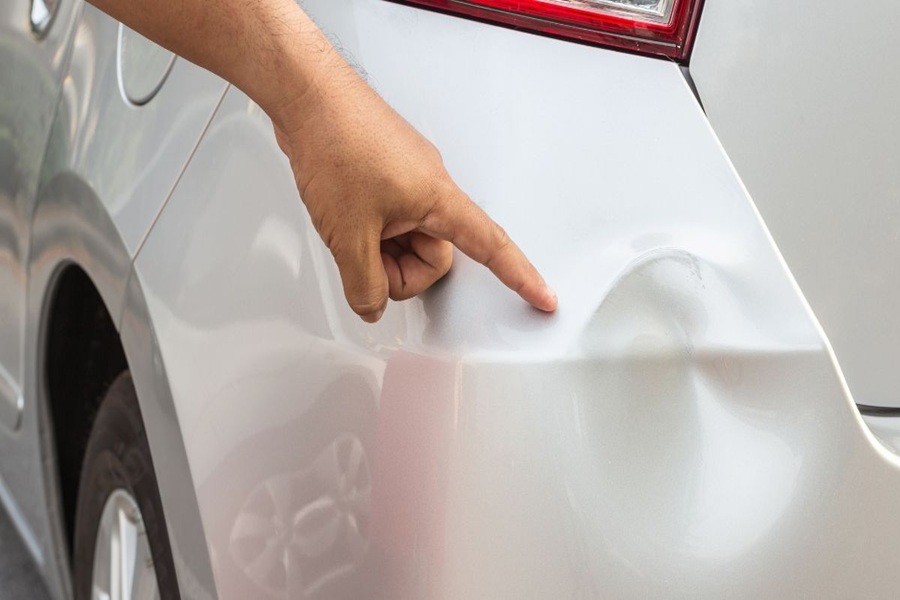
How to Know If Your Bumper Can Be Repaired
Common Types of Bumper Damage Explained Bumpers are designed to absorb and distribute impact energy during collisions, making them a critical component of vehicle safety. Due to their role, bumpers are often the first part of the car to sustain damage in an accident. Understanding the common types of bumper…