Semi-Annual Checks
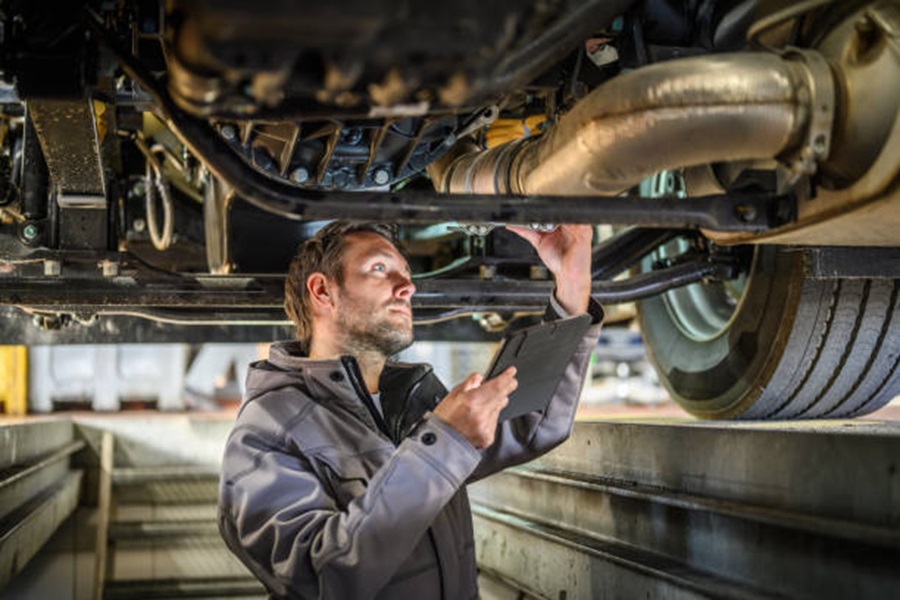
Proactively maintaining your vehicle’s brakes is essential for ensuring both your safety and the longevity of the braking system. One of the most reliable ways to stay ahead of potential brake issues is by scheduling semi-annual inspections. These routine checks serve as a preventative measure to catch wear and tear before they escalate into costly or dangerous problems.
Why Semi-Annual Checks Are Important
Frequent use, environmental factors, and road conditions cause gradual wear on brake components over time.
- Spot early signs of wear on brake pads and rotors.
- Identify uneven pad wear that could damage your braking system if left unchecked.
- Check for fluid leaks within the hydraulic system that could compromise braking efficiency.
- Ensure all related components, like calipers, hoses, and wheel cylinders, are functioning properly.
Regular inspections are especially crucial if you drive in challenging conditions such as stop-and-go traffic or hilly terrain, both of which put additional strain on your brakes.
What’s Checked During a Semi-Annual Brake Inspection
Component | What’s Inspected | Why It’s Important |
Brake Pads | Thickness and even wear | Thin or uneven pads reduce stopping power significantly |
Brake Rotors | Surface condition (grooves, glazing) | Worn rotors can lead to reduced braking performance |
Brake Fluid | Level and color | Old or low fluid affects hydraulic force transmission |
Calipers | Proper movement, leaks | Sticky calipers lead to uneven braking |
Hoses | Cracks or leaks | Damaged hoses can result in loss of pressure |
Having this comprehensive assessment ensures key components are functioning optimally.
Tips for Planning Your Semi-Annual Check-Up
- Tie It To Seasonal Maintenance:Many drivers schedule oil changes or tire rotations twice a year. Combine these services with brake inspections to simplify vehicle maintenance planning.
- Use Vehicle Records:Keep a logbook or app where you document service dates. This helps ensure you don’t miss an inspection.
- Consider Driving Habits:If you frequently drive in high-stress conditions (e. g. , heavy traffic or mountainous roads), consider scheduling checks more often than every six months.
When To Consult A Professional Between Scheduled Inspections
- If your brakes begin making unusual noises like grinding or squealing.
- If you notice a drop in performance, such as longer stopping distances.
- Any change in pedal feel – whether it becomes soft/spongy or unusually stiff.
Being proactive with semi-annual brake inspections not only saves money but also provides peace of mind while driving. Regular maintenance ensures that small issues don’t evolve into serious safety risks over time.
Once You Clock 20,000 Miles
Routine vehicle maintenance is essential not only for performance but also for safety. When it comes to brake systems, mileage is a key factor in determining when you should have them inspected. A general rule of thumb is to schedule a brake check every 20,000 miles, though specific needs may vary depending on your driving habits, vehicle type, and environment.
Why 20,000 Miles Is a Good Benchmark
- Wear and Tear:Over time, your brake pads and rotors naturally wear down due to friction. By the time you’ve driven 20,000 miles, there’s a significant chance that some components may require attention or replacement.
- Driving Conditions Matter:If you frequently drive in stop-and-go traffic or hilly areas where braking is more frequent and intense, your brakes are likely to wear out faster than someone who primarily drives on highways.
- Manufacturer Recommendations:Many automakers and brake component manufacturers suggest inspecting brakes around the 20,000-mile mark as part of regular vehicle maintenance.
What Happens During a Brake Check at This Mileage?
- Brake Pads: Check for thickness and any signs of uneven wear. If they’re too thin (usually less than 3mm), they should be replaced.
- Rotors: Inspect for warping or grooves that could affect braking efficiency.
- Brake Fluid: Test fluid levels and quality; old or contaminated fluid can reduce braking power.
- Calipers: Ensure these components are moving freely without sticking or leaking.
Identifying issues early at this stage can prevent more expensive repairs down the line.
Signs You Might Need an Earlier Inspection
- Brake warning light appears on your dashboard.
- You hear squealing or grinding when applying the brakes (indicating worn pads or metal-on-metal contact).
- The vehicle pulls to one side during braking (a sign of uneven pad wear or caliper malfunction).
Keeping an eye out for these symptoms ensures you’re never caught off guard by sudden brake failure.
Maintenance Tips Between Inspections
- Pay attention to how your brakes feel during daily use. Do they feel soft or spongy? Are they taking longer than usual to stop?
- Monitor unusual noises—early detection can save you from costly repairs later.
- Follow the specific mileage recommendations provided in your car’s manual since different vehicles may have varying service requirements.
Component | Suggested Interval | Indicator for Replacement |
Brake Pads | Every 20k – 50k miles | Noise, reduced stopping power |
Rotors | Every 50k – 70k miles | Warping or scoring |
Brake Fluid | Every 2 years | Discoloration; soft pedal |
By adhering to routine inspections around this mileage marker and staying alert between checks, you ensure that your braking system remains reliable under all driving conditions. Regular care keeps both short-term performance and long-term safety intact—well worth prioritizing.
Unusual Vibrations
Brakes are a critical safety component of any vehicle, and paying attention to unusual vibrations is essential for identifying potential brake issues early on. If you notice vibrations, pulsations, or shakiness when applying the brakes, it’s a sign that something may be wrong.
Possible Causes of Brake-Related Vibrations
- Warped Brake Rotors: One of the most common causes of vibrations is warped rotors. Rotors can warp due to excessive heat that builds up during heavy or prolonged braking. When the rotors are uneven, the brake pads cannot make uniform contact with them, resulting in vibrations or shaking.
- Worn-Out Brake Pads: Over time, brake pads naturally wear down from regular use. When their material becomes too thin or unevenly worn, they can generate a vibrating sensation while braking.
- Loose or Worn Suspension Components: While not part of the brake system itself, issues with suspension components like ball joints or control arms can sometimes cause vibrations during braking. These parts should also be inspected if you experience persistent shaking.
- Debris Between Brake Components: Dirt, rust, or other debris trapped between the rotor and pads can create an uneven surface that leads to pulsations when braking.
What to Do If You Experience Vibrations
Addressing unusual vibrations as soon as possible ensures your brakes remain functional and safe.
- Check for visible damage such as thinning brake pads or cracks in rotors.
- Look for signs of rust or debris buildup around your braking components.
- A mechanic will use specialized tools to measure rotor thickness and check for warping.
- They’ll also inspect related components like calipers and wheel alignment that could contribute to vibrations.
- If your rotors are only slightly warped but still have adequate thickness, resurfacing them might solve the problem.
- Severely damaged rotors typically require replacement.
- In some cases, upgrading to higher-quality pads made from ceramic materials can reduce future risks of uneven wear.
Preventing Future Vibrations
To minimize the risk of brake-related shaking in the future: – Avoid hard braking whenever possible; gentle deceleration reduces stress on components. – Ensure tires are properly balanced and aligned since misaligned tires can exacerbate vibration issues. – Stick to routine maintenance schedules for both brakes and suspension systems.
Problem Cause | Suggested Solution |
Warped Rotors | Resurface/replace rotors |
Worn-out Pads | Replace brake pads |
Suspension Issues | Inspect/repair suspension parts |
Debris Build-Up | Clean affected areas |
By addressing unusual vibrations promptly and following proper preventive care practices, you’ll ensure your vehicle’s brakes perform reliably under all driving conditions without compromising safety on the road.
Unusual Pulling
Unusual pulling while driving is a clear sign that your vehicle’s braking system may need immediate attention. This sensation can make it difficult to maintain control of the car, posing safety risks. Understanding what causes this pulling and how to address it is crucial for both your safety and the longevity of your brakes.
Causes of Unusual Pulling
- Brake Pad Wear
Unevenly worn brake pads are one of the most common reasons for pulling. When one side wears out more quickly than the other, it creates an imbalance during braking. - Contaminated Brake Fluid
If moisture or debris enters your brake fluid lines, it can impair fluid flow and cause inconsistent braking force across wheels. - Brake Caliper Problems
A sticking or malfunctioning caliper can apply excessive pressure to one side, causing the car to veer in that direction when you hit the brakes. - Tire Issues
Surprisingly, pulling may not always be due to a brake issue. Uneven tire wear or improper alignment could also be a contributing factor.
What Should You Do If You Notice Pulling?
Addressing unusual pulling as soon as possible is vital.
- Check for uneven tire wear—this could indicate alignment problems rather than brake-related issues.
- Look at your brake pads through the wheel spokes; if they appear unevenly worn, this might be the culprit.
- On an empty road or parking lot, lightly press down on the brakes and observe whether your vehicle pulls consistently to one side.
- Avoid performing this test at high speeds or in heavy traffic to maintain safety.
- If you’re unsure about what’s causing the issue, take your vehicle to a trusted mechanic for inspection.
- They will check not only your braking system but also alignment and suspension components in case another factor is at play.
Preventive Tips for Avoiding Brake Pulling
- Schedule regular maintenance checks based on mileage or time intervals recommended by your owner’s manual.
- Rotate tires regularly to ensure even tread wear.
- Replace brake pads in pairs (left and right) rather than individually.
- Use high-quality brake fluid and ensure it’s replaced periodically per manufacturer guidelines.
Issue | Possible Cause | Recommended Action |
Vehicle pulls when braking | Uneven brake pad wear | Replace pads evenly on both sides |
Pulls without braking | Misaligned tires or uneven tire pressure | Align tires; check air pressure |
Persistent pulling during all conditions | Stuck caliper or suspension issue | Consult a professional mechanic |
Pay close attention if you ever feel unusual pulling while driving—it’s not an issue that resolves itself over time but rather one that requires prompt action to ensure safe operation of your vehicle. Prioritize routine maintenance visits and stay alert to changes in how your car handles during daily driving conditions for peace of mind behind the wheel.
Loud Sounds
One of the most noticeable signs that your brakes need attention is the presence of loud or unusual noises. If you hear grinding, squealing, or screeching sounds when applying your brakes, it’s a clear indication that something might be wrong. These noises often suggest wear and tear on critical braking components and should never be ignored. In this section, we will explore common brake-related sounds, what they indicate, and how addressing them promptly can prevent further complications.
Common Brake Noises and Their Possible Causes
Noise Type | Possible Cause | Action to Take |
Squealing or Screeching | Worn brake pads; the wear indicator may be contacting the rotor | Schedule a brake pad replacement soon |
Grinding | Metal-to-metal contact due to worn-out pads | Stop driving immediately; replace pads and inspect rotors |
Clicking | Loose or improperly installed brake hardware | Have a mechanic inspect hardware |
Thumping | Warped rotors or uneven wear | Check for rotor resurfacing or replacement |
Why Addressing Brake Noises Promptly Matters
- Prevent Further Damage:Ignoring unusual sounds from your brakes can lead to more significant issues. For instance, grinding noises caused by metal-on-metal contact can damage your rotors beyond repair.
- Safety Concerns:Loud sounds are often an early warning sign of compromised braking performance. Delaying repairs puts you at risk of reduced stopping power.
- Cost Efficiency:Addressing minor issues like worn brake pads is much more affordable than replacing damaged rotors or calipers caused by neglect.
How to Handle Loud Brake Sounds
- Inspect Your Brakes Visually
Look through the wheel openings to check for visible wear on the brake pads or any debris caught in the system. - Take Note of When the Noise Occurs
Does it happen during braking only? Or do you hear it continuously while driving? This information will help a mechanic diagnose the issue more accurately. - Avoid Driving if Necessary
Grinding sounds especially indicate critical issues that require immediate attention. Continuing to drive could worsen the damage. - Schedule Professional Inspection
Even if you’re unsure about what’s causing the sound, consulting a professional ensures accurate diagnosis and appropriate repairs.
Preventative Measures for Quiet Brakes
- Perform regular maintenance checks as recommended by your vehicle’s manufacturer.
- Use high-quality brake pads designed for quiet operation.
- Avoid aggressive driving habits like hard braking whenever possible.
- Ensure proper installation when replacing brake components.
By staying attentive to these signs and taking action promptly, you’ll not only extend the lifespan of your braking system but also ensure safer driving conditions every time you hit the road.
Unusual Vibrations
Unusual vibrations while driving can be a clear indicator that something is wrong with your braking system. These vibrations often start subtly but may intensify over time if left unaddressed, leading to safety concerns and potentially costly repairs. Understanding the causes of these vibrations and how to address them promptly is key to maintaining the health of your brakes.
Common Causes of Vibrations
- Warped Brake Rotors:
Over time, brake rotors can wear unevenly or become warped due to excessive heat generated during intense or prolonged braking. This uneven surface creates a pulsating effect when the brake pads make contact. - Worn Brake Pads:
In some cases, low-quality or improperly installed brake pads can also contribute to this issue. - Loose or Damaged Components:
This instability can result in noticeable shaking during braking. - Tire Imbalances or Alignment Issues:
Although not directly part of the braking system, misaligned wheels or imbalanced tires can cause vibrations that may feel like they originate from the brakes.
When Should You Be Concerned?
Not all vibrations indicate immediate danger; however, persistent or severe shaking while applying the brakes should never be ignored.
- Vibrations worsen at higher speeds.
- The steering wheel shakes noticeably when you brake.
- You recently replaced brake components but still feel pulsations.
- The vibrations are accompanied by other symptoms like grinding noises or reduced braking efficiency.
Steps to Take When You Notice Vibrations
-
- For accurate diagnosis and repair, consult a certified mechanic who can measure rotor thickness, check for warping, and inspect all moving parts in your braking system.
- If your tires are contributing to the issue, regular rotation and balancing as well as alignment checks will help keep your driving smooth.
- Address any damaged components immediately — whether it’s replacing warped rotors or worn-out brake pads — to restore safe functionality.
Symptom | Possible Cause | Recommended Action |
Steering wheel vibrates | Warped rotors | Replace rotors |
Pedal feels uneven | Worn-out brake pads | Replace brake pads |
Shaking persists | Loose/damaged components | Tighten/replace faulty parts |
Preventing Future Issues
- Invest in high-quality replacement parts specifically designed for your vehicle make and model.
- Avoid slamming on brakes unnecessarily to reduce heat buildup on rotors.
- Follow a maintenance schedule for routine inspections and tune-ups.
By addressing unusual vibrations promptly through inspection and repair — whether it’s due to warped rotors or worn-down components — you’ll ensure smoother drives while improving overall road safety for yourself and others around you.
Unusual Vibrations
Unusual vibrations when braking can be a red flag signaling potential issues with your vehicle’s braking system. Addressing this promptly can help maintain both your safety and the health of your car. Below, we’ll explore what causes these vibrations, how to recognize them, and what actions to take.
What Causes Vibrations During Braking?
There are several reasons why your car might vibrate when you apply the brakes.
– Warped Brake Rotors:Over time, brake rotors can wear unevenly due to heat buildup from frequent or hard braking. This uneven wear can cause shakes or pulsations when you press on the brake pedal.
– Worn Brake Pads:Brake pads that have become excessively worn down may not distribute pressure evenly, causing vibrations.
– Loose or Damaged Components:Parts like calipers or suspension components may loosen or sustain damage over time, leading to instability while braking.
– Wheel Alignment Issues:Misaligned wheels can create uneven pressure on the brakes, resulting in a shaky or vibrating sensation during deceleration.
How to Recognize Vibrations Related to Braking
To differentiate between vibration caused by brakes versus other mechanical issues, keep an eye out for these specific signs:
– The vibration tends to occur only when you apply the brakes and subsides as soon as you release the pedal.
– The steering wheel shakes during braking, particularly at higher speeds. – The brake pedal feels like it’s pulsating under your foot due to uneven rotor surfaces.
Steps You Can Take
- Inspect Brake Components:Have a professional mechanic inspect your brake pads, rotors, and calipers for visible wear or damage.
- Check for Rotor Warping:A technician may use precision tools such as dial indicators to measure rotor thickness and identify warping.
- Ensure Proper Wheel Alignment:Misalignment is relatively easy for professionals to detect and correct with specialized equipment.
- Consider Regular Maintenance:Schedule routine brake inspections every six months or follow your vehicle manufacturer’s recommendations for servicing intervals.
- Avoid Overheating Your Brakes:When driving downhill or in stop-and-go traffic, try not to ride your brakes excessively as this contributes to overheating and rotor warping.
When Should You Seek Immediate Help?
While some minor vibrations may not require immediate attention, there are situations where prompt action is essential: – If the vibration becomes severe enough that it affects steering control. – If unusual sensations are accompanied by other symptoms like loud squealing noises or burning smells from the wheels.
Delaying repairs in such cases could lead to more extensive damage—not just within the brake system but also other related components of your vehicle.
Preventive Tips for Avoiding Braking Vibrations
To minimize the chances of experiencing unwelcome shaking during braking:
– Replace worn-out brake pads promptly before they start causing stress on rotors. – Avoid sudden hard stops whenever possible; this reduces heat buildup on brake components. – Rotate and balance tires regularly in alignment with manufacturer guidelines.
By staying proactive about maintaining your brakes and addressing unusual symptoms quickly—such as vibrations—you’ll ensure smoother rides while enhancing safety on every journey.