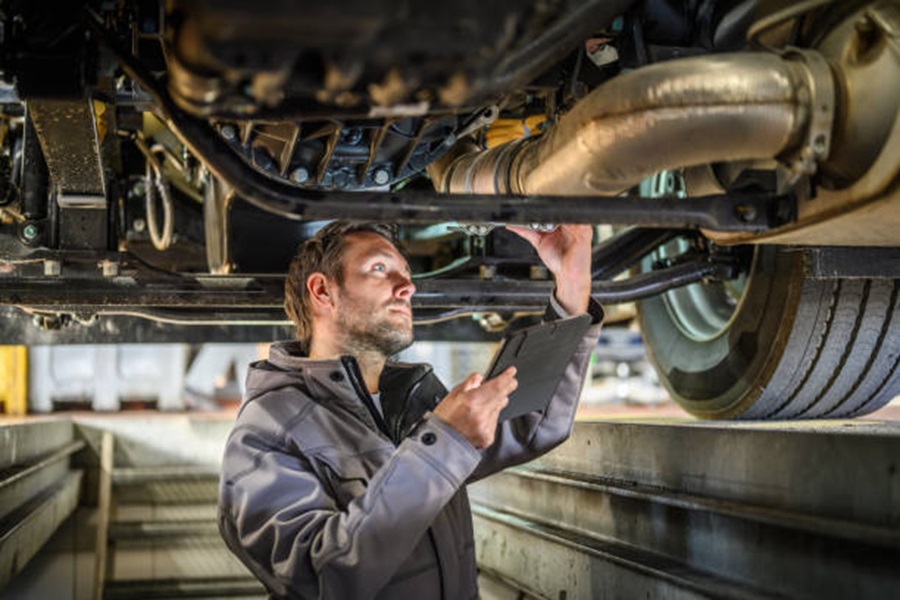
What Is a Wheel Alignment
Key Components of Wheel Alignment
– Camber: The inward or outward tilt of the wheels when viewed from the front.
– Toe: The extent to which your tires turn inward or outward when viewed from above.
By ensuring these three angles—camber, toe, and caster—are within their recommended ranges, technicians help restore proper wheel alignment.
Why It Matters
Proper wheel alignment offers several critical benefits:
– Improved Safety: Misaligned wheels can make it difficult to steer straight or handle sudden maneuvers safely. Alignments help maintain control during driving, particularly in emergencies or adverse weather conditions.
Better Fuel Efficiency: When wheels are aligned correctly, there’s less rolling resistance on tires, reducing fuel consumption over time.
Extended Tire Life: Tires tend to wear evenly with proper alignment, saving you money on replacements. Misalignment often leads to premature or uneven tread wear.
Smoother Driving Experience: Aligned wheels eliminate unnecessary pulling or vibrations while driving, ensuring a more comfortable ride.
Common Causes of Misalignment
Misalignments don’t generally happen out of nowhere; they’re often caused by specific events or gradual changes in your vehicle’s condition. Here are some common causes: – Driving over potholes regularly.
– Hitting curbs or large debris on the road.
– Accidents involving significant impact.
– Normal suspension wear over time.
When these issues arise but remain unnoticed, they may gradually throw off your vehicle’s wheel angles.
Who Needs Wheel Alignments?
Wheel alignments apply universally across all types of vehicles—whether you own a compact car for city commutes or a larger truck used for heavy loads. However, certain vehicles with specialized suspensions may require more frequent checks depending on usage patterns (e. g. , off-road driving).
Ultimately, wheel alignments play an integral role in maintaining optimal vehicle performance and safety. By understanding what this service entails and its importance, you’ll be better equipped to prioritize proper care for your car whenever necessary.
Signs You Need a Wheel Alignment
Recognizing the signs of a misaligned vehicle is essential to maintaining both safety and performance. A misalignment can develop gradually or suddenly, often caused by hitting potholes, curbs, or general wear and tear over time.
Uneven or Rapid Tire Wear
One of the most common signs is uneven tire wear. If you notice that one side of a tire is wearing down faster than the other, it’s likely due to improper wheel alignment. Misaligned wheels can cause tires to make inconsistent contact with the road, leading to premature wear and reduced lifespan.
- Tread wear on only the inner or outer edges.
- Bald spots on one or more tires.
- Feathering or scalloping patterns across the tread.
Vehicle Pulling to One Side
If your car drifts noticeably to one side while driving on a straight road, it could indicate an issue with alignment. This pulling sensation may require constant steering adjustments to keep the vehicle going straight. While minor pulling might also result from underinflated tires, persistent drifting is often linked directly to alignment problems.
Off-Centered Steering Wheel
When driving on a flat, straight road, your steering wheel should naturally return to a centered position without noticeable tilting. If it appears off-center even when driving straight—or feels stiff and resistant—your wheels could be out of alignment.
- The logo on your steering wheel looks tilted when driving straight.
- You experience difficulty turning in one direction versus another.
Noisy Steering or Vibrations
Misaligned wheels can create strain on your suspension system and steering components, sometimes causing noises during turns or vibrations in the steering wheel as you drive. These symptoms may worsen at higher speeds and could indicate more severe underlying issues if left unresolved.
Decreased Fuel Efficiency
Improper alignment reduces fuel economy because misaligned wheels force your car’s engine to work harder than necessary. The added resistance from unevenly aligned wheels means burning more fuel over time—a costly outcome for both your wallet and the environment.
Symptom | Potential Cause | Action Needed |
Uneven tire wear | Misalignment | Schedule an alignment check |
Steering pulls to one side | Improper camber/toe angles | Realign wheels at a certified shop |
Vibrations | Excessive suspension stress | Inspect suspension & align properly |
Importance of Immediate Action
Therefore, if you detect any combination of these symptoms, scheduling an inspection with an experienced mechanic is essential for identifying and correcting misalignment issues promptly.
By staying vigilant about these signs and addressing them early, you’ll not only ensure safer driving but also extend the life of your tires and improve overall vehicle performance.
Recommended Alignment Intervals
Maintaining your vehicle’s performance and ensuring safety on the road requires paying attention to wheel alignment. However, determining how often you should have your wheels aligned depends on a few factors, including manufacturer recommendations, driving habits, and the condition of your vehicle. Below is an in-depth look at commonly recommended alignment intervals and what you should consider when scheduling this service.
General Guidelines for Alignment Intervals
- Every 6,000–10,000 miles: For most vehicles, it’s recommended to check and potentially adjust the alignment every 6,000 to 10,000 miles. This roughly aligns with regular tire rotations.
- Annually: Even if you haven’t reached the mileage threshold, having your alignment checked once a year is a good practice to ensure proper handling and prevent uneven tire wear.
- At Scheduled Maintenance: Many manufacturers include wheel alignment checks as part of routine maintenance services specified in your owner’s manual.
Situations That May Require More Frequent Alignments
There are cases where sticking strictly to general intervals may not be enough.
- Roads with potholes or uneven surfaces can throw off alignment faster than smooth highways.
- If off-road driving is part of your routine, inspect alignments more frequently.
- Extended travel at high speeds can increase wear-and-tear on suspension components and affect wheel angles over time.
- Installing new tires or making changes to suspension systems (like replacing shocks or struts) often requires realignment to maintain optimal performance.
- Even minor impacts with curbs or fender-benders may disrupt alignment angles and necessitate recalibration.
Manufacturer Recommendations
Each car manufacturer provides specific guidance regarding wheel alignments based on their vehicle’s design and specifications: – Check your owner’s manual for any service interval recommendations unique to your car model. – Adhering to these guidelines ensures that you’re protecting both vehicle performance and warranty coverage.
Manufacturer | Suggested Interval |
Toyota | Every 15,000 miles |
Honda | Annually or every 12,000 miles |
BMW | As part of annual inspection |
Ford | Check during oil change (approx. every 10K miles) |
Note: Always cross-reference with individual manuals for accurate details tailored to specific models.
How Routine Alignments Benefit You
Sticking to recommended intervals isn’t just about preventing issues; it also delivers tangible benefits: – Better fuel efficiency due to reduced rolling resistance. – Prolonged tire lifespan by minimizing uneven tread wear. – Improved handling that enhances safety during turns or in challenging conditions.
By staying vigilant about these recommended timelines and adjusting them based on personal driving patterns or road conditions you regularly encounter, you’ll not only safeguard your investment but also ensure peace of mind while driving.
Factors That Affect Alignment Frequency
These factors range from driving habits to environmental conditions and even the type of vehicle you own. Understanding these elements can help you maintain proper alignment for safer driving and longer-lasting tires.
Driving Habits
Your driving behavior plays a significant role in how frequently alignments are needed.
- Aggressive Driving: Frequent hard braking, rapid acceleration, or taking corners at high speeds can stress your suspension system and misalign wheels over time.
- Frequent Off-Roading: If you drive on rough terrain, dirt roads, or unpaved paths often, your wheels are more likely to be knocked out of alignment due to uneven surfaces.
Road Conditions
The quality of the roads you drive on also affects how often your wheels need realigning.
- Potholes and Cracks: Hitting potholes or large cracks in the road can immediately throw off your alignment.
- Speed Bumps: Failing to slow down for speed bumps can jolt the suspension system and impact wheel angles.
- Road Debris: Driving over debris like rocks, fallen branches, or other objects increases the risk of misalignment.
To minimize these impacts: – Try to avoid potholes whenever possible. – Slow down for speed bumps and rough patches.
Type of Vehicle
- Performance Vehicles: Cars designed for sporty handling often have sensitive suspension setups that necessitate regular alignments.
- Heavy-Duty Trucks or SUVs: Larger vehicles may experience more frequent misalignment due to their weight when carrying heavy loads or towing trailers.
- Older Vehicles: As suspensions age, parts like bushings and ball joints wear out, leading to frequent alignment issues.
Tire Type and Maintenance
Tire condition is closely related to wheel alignment frequency.
Factor | Impact on Alignment Needs |
Tire Pressure | Uneven tire pressure can alter wheel angles over time. |
Tire Rotations | Skipping regular tire rotations creates uneven wear patterns that may necessitate earlier alignments. |
Aftermarket Tires | Switching to larger or smaller tires than recommended by the manufacturer could affect overall balance and require recalibration through an alignment check. |
Weather Conditions
- Winter Driving: Snowy conditions increase exposure to icy patches where hitting hidden curbs becomes likely.
- Rainy Seasons: Water-filled potholes are harder to avoid when they’re obscured during wet weather.
Regular inspections by a trusted professional will ensure minor issues don’t evolve into costly repairs later on.
Vehicle Drifts to One Side
When you’re driving on a straight, level road and notice your vehicle pulling or drifting to one side, it’s a classic sign that your wheel alignment needs attention. This issue not only affects the driving experience but can also lead to safety concerns and unnecessary wear on your tires and suspension system. Understanding why drifting happens and addressing it promptly can save you money and extend the lifespan of your vehicle.
How Misalignment Causes Drifting
Misalignment occurs when the angles of your wheels deviate from the manufacturer’s specifications. This can result from hitting potholes, curbs, or other road hazards. When misaligned: – The wheels fail to point straight ahead. – Uneven pressure is applied across the tires. – The car pulls toward one side instead of maintaining its intended path.
How to Identify Vehicle Drifting
It’s important to assess whether your car is drifting due to misalignment or another issue (like uneven tire pressure). Here are steps you can take: 1.Find a safe, flat road: Choose a location with minimal traffic and no noticeable slope. 2.Let go of the steering wheel briefly: While driving at a moderate speed (around 25–30 mph), release the steering wheel lightly for a couple of seconds. 3.Observe the car’s movement: If the vehicle veers noticeably to one side without steering input, this suggests alignment problems.
Note: Be cautious when testing for drifting. Always ensure it’s safe and legal to perform such checks.
Other Possible Causes of Pulling
While wheel misalignment is often responsible for vehicle drift, there are other potential factors at play: – Uneven tire pressure: Check if all tires are inflated to the recommended PSI levels.Brake issues: A sticking brake caliper can cause one side of the car to pull while driving.Uneven tire wear: Damaged or bald tires might create an imbalance in handling.
If these causes are ruled out but drifting persists, alignment service is likely needed.
Risks of Ignoring Alignment Issues
– Decreased fuel efficiency due to increased rolling resistance.
– Strain on suspension components like tie rods and ball joints.
Professional Alignment Check
If you suspect alignment problems due to vehicle drift, scheduling an alignment inspection with a trusted mechanic or dealership is essential. During this service:
– Technicians will measure key angles such as camber, caster, and toe.
– Adjustments will be made based on factory specifications using specialized equipment.
To maintain optimal performance and safety, consider regular checks even if no obvious signs like drifting are present—particularly after significant impacts with rough terrain or during routine maintenance milestones.
Tires Wear Down Quickly or Unevenly
Uneven or accelerated tire wear is one of the most common indicators of misaligned wheels, and understanding the connection between alignment and tire health can save you money and ensure a smoother driving experience. Misaligned wheels create uneven pressure on your tires, causing specific areas to wear down faster than others.
How Misalignment Impacts Tire Wear
- Camber Issues: When the angle of your tires tilts inward (negative camber) or outward (positive camber), it causes uneven contact with the road surface. This leads to excessive wear on the inner or outer edge of the tire.
- Toe Misalignment: If your wheels are pointing inward (toe-in) or outward (toe-out), it creates scrubbing, which wears down the tread unevenly across the width of the tire.
- Caster Problems: A misaligned caster angle can impact stability and steering but may also contribute to uneven wear patterns over time.
These issues often develop gradually, making it crucial to monitor your tire condition regularly.
Identifying Uneven Tire Wear Patterns
Knowing how to spot irregularities in your tires can help you catch alignment problems early.
Tire Wear Pattern | Possible Cause |
Inner/Outer Edge Wear | Camber misalignment |
Center Wear | Over-inflation |
Outer Edge “Feathering” | Toe misalignment |
Cupping (random high/low spots) | Suspension issues or severe misalignment |
If you notice any of these patterns during a visual inspection, consider scheduling a professional alignment service promptly.
Preventing Uneven Tire Wear with Regular Alignments
- Schedule Routine Alignments: Follow manufacturer recommendations for wheel alignment intervals based on mileage, typically every 6,000–10,000 miles.
- Monitor Tire Pressure: Proper inflation prevents additional stress caused by under- or over-inflation.
- Rotate Tires Consistently: Rotating your tires helps balance wear across all four wheels.
- Inspect Suspension Components: Worn-out ball joints, shocks, or bushings can cause alignment-related issues that lead to uneven wear.
By combining regular alignments with these practices, you not only protect your investment in high-quality tires but also enhance overall vehicle performance.
Why Addressing Tire Issues Early Matters
- Reduced traction on wet roads
- Increased braking distances
- Higher chances of blowouts at highway speeds
For both safety and cost-efficiency reasons, it’s essential to address symptoms like unusual tire wear without delay. A professional alignment service ensures that all four wheels are correctly positioned according to manufacturer specifications, promoting optimal performance and durability for both your tires and vehicle as a whole.
Tires Wear Down Quickly or Unevenly
Uneven or rapid wear on your tires is one of the most noticeable indicators that your vehicle’s alignment may need attention. Proper wheel alignment ensures that all tires make consistent contact with the road at the correct angles, which helps distribute wear evenly across the tread. When alignment is off, some areas of the tire can experience more pressure or friction than others, leading to premature or uneven wear.
Common Causes of Tire Wear Issues
- Misaligned Wheels: If wheels are not properly aligned, they may tilt inward (negative camber) or outward (positive camber), causing excessive wear on one side of the tire.
- Suspension Problems: Worn-out suspension components like shocks or struts can indirectly cause uneven tire pressure distribution.
- Improper Tire Pressure: Overinflated or underinflated tires often result in uneven tread patterns since different parts of the tire bear uneven loads.
- Lack of Regular Maintenance: Skipping regular rotations or balance checks can exacerbate misalignment-related issues and accelerate tread wear.
Signs Your Tires Are Wearing Unevenly
- Feathering– Tread feels smooth on one edge but sharp on another when you run your hand across it.
- Cupping/Scalloping– Wavy indentations appear across the tread surface due to suspension issues.
- Excessive Inner or Outer Wear– Visible damage localized to one edge of the tire indicates camber misalignment.
- Flat Spots– Abrupt braking might leave flat patches on tires.
- Tread Depth Disparities– A measurable difference in depth between different areas of a single tire is a clear indicator.
How to Prevent Premature Tire Wear Through Alignment
To minimize unnecessary stress on your tires and extend their lifespan, maintaining proper wheel alignment is key.
- Schedule regular alignments based on manufacturer recommendations (usually every 6,000–10,000 miles).
- Perform periodic visual inspections for abnormal tread patterns.
- Ensure all four tires have consistent air pressure using a reliable gauge.
- Rotate tires every 5,000–7,500 miles depending on your vehicle type and usage.
- Check for suspension issues during routine maintenance since worn components can impact alignment.
The Cost-Saving Benefits
Investing in timely wheel alignments not only reduces irregular tire wear but also saves money over time by delaying expensive replacements and improving fuel efficiency through reduced rolling resistance.
Problem | Likely Cause | Solution |
Uneven Tread Wear | Misalignment/Camber Issues | Schedule professional wheel alignment |
Feathered Edges | Excessive Toe Angle Adjustment | Ensure proper adjustment during service |
Cupped Treads | Suspension Component Problems | Inspect shocks/struts; replace if necessary |
By ensuring proper alignment practices and staying vigilant about maintenance needs, you’ll protect both your investment in quality tires and enhance overall vehicle performance seamlessly over time.