Why Accurate Paint Matching Matters in Collision Repair
Accurate paint matching plays an essential role in the field of collision repair, where the ultimate goal is to restore a vehicle to its original appearance and value. For many car owners, their vehicle represents a significant investment and often holds sentimental value. As such, ensuring that repairs are virtually undetectable is a top priority for professionals working in auto body shops. Achieving this level of precision requires both technical expertise and an artistic approach.
When it comes to collision repair, even minor discrepancies in color or finish can stand out and potentially devalue the vehicle. Imagine a perfectly repaired fender that’s only slightly off-shade from the rest of the car — while structurally sound, it would draw attention for all the wrong reasons. Paint matching is not just about aesthetics but also about creating trust between professionals and their clients. A flawless match assures customers that their vehicle has been meticulously restored with great care.
Another reason why accurate paint matching matters is resale value. Vehicles with obvious mismatched paint often lose market value, as potential buyers perceive them as poorly repaired or neglected after an accident. Conversely, seamless paintwork can help preserve or even enhance a car’s worth on the used market because it reflects high-quality craftsmanship.
Beyond resale considerations, there’s also the element of safety and compliance. Many modern automotive paints include specific coatings designed to protect against UV damage, rusting, or environmental wear-and-tear over time. A mismatched or improperly formulated paint might lack these essential properties, leaving parts of the vehicle vulnerable to degradation in ways that could compromise its lifespan.
From a professional standpoint, accurate paint matching boosts credibility within the industry. Auto body shops that consistently deliver reliable results establish themselves as leaders in collision repair services. They develop lasting relationships with clients who appreciate attention to detail and commitment to excellence.
Lastly, achieving perfect color harmony ensures customer satisfaction on an emotional level as well. Many drivers feel deeply connected to their cars; restoring them after an accident goes beyond fixing metal panels—it’s about re-establishing pride of ownership and restoring confidence every time they get behind the wheel.
In essence, precise paint matching is much more than an aesthetic endeavor; it’s integral to maintaining integrity throughout every aspect of collision repair work—whether safeguarding mechanical quality or preserving a car’s beauty under any light condition.
How Modern Paint Codes Help Identify Factory Colors
Modern paint codes play a crucial role in ensuring accuracy when it comes to matching factory car colors. These codes are essentially alphanumeric identifiers that manufacturers assign to specific paint shades used on their vehicles. Each code encapsulates critical information about the color’s formulation, such as its base pigment, metallic or pearl additives, and even the exact ratios required for replication. Without these codes, replicating a vehicle’s original finish would be substantially more complex and prone to error.
The Science Behind Paint Codes
Paint codes are stored by manufacturers in extensive databases and are unique to each make, model, and sometimes even the production year of a vehicle. For instance, two cars might appear to share the same color—such as a standard black or silver—but subtle differences often exist due to variations in hue or undertones. These discrepancies can only be identified through the detailed specifications provided by paint codes.
Additionally, manufacturers frequently update or modify their palettes over time. A red used on a 2015 model may differ slightly from a red on its 2023 counterpart. Paint codes bridge this gap, offering professionals an accurate starting point for matching colors with precision.
Accessing and Decoding Paint Codes
Locating the paint code on a car is typically straightforward since most vehicles come with labels affixed in accessible areas like the driver’s side door jamb, under the hood, or inside the trunk lid. Once identified, technicians input these codes into specialized software systems that decode them into precise formulations.
Modern computerized systems are designed to match these formulations with available mixing options at local repair shops. This ensures that technicians have access to not just the base color information but also any additional nuances such as variations caused by metallic flake density or pearlescent highlights.
Beyond Basic Matching: Adjustments for Real-World Variables
While paint codes provide an excellent starting point for restoring factory colors, they do not account for external factors such as wear-and-tear, fading caused by UV exposure, or environmental influences like pollution and climate conditions. Professionals use advanced tools like spectrophotometers alongside paint code data to fine-tune formulas further based on how a car’s existing paint has aged.
Another challenge is working with multi-stage paints—colors that require multiple layers of application (e.g., base coat plus clear coat). In such cases, technicians must interpret both the data provided by the code and their own observations of how light interacts with layered surfaces.
The Integration of Technology
In recent years, integrating modern technology into this process has made it easier than ever for professionals to produce near-perfect matches. Computerized mixing stations not only reference manufacturer-provided paint code formulas but also allow technicians to make real-time adjustments based on lighting conditions in their workspace or customer preferences regarding luster and finish level.
By combining expertise with cutting-edge resources like digital databases of factory colors and precise application methods tailored to individual vehicles’ needs, professionals ensure every repair looks seamless—and customers leave satisfied knowing their car retains its original aesthetic value without compromise.
The Role of Computerized Color-Matching Technology
Computerized color-matching technology has revolutionized the way professionals approach car paint matching, offering precision and consistency that would have been difficult to achieve manually. This advanced method leverages cutting-edge software, specialized tools, and databases to ensure near-perfect matches when refinishing or repairing a vehicle’s paint job. Understanding how this technology works and why it is so effective can give insight into the meticulous art of car paint matching.
At its core, computerized color-matching relies on spectrophotometers—highly sensitive devices designed to measure light and color wavelengths. These devices are used to scan the existing paint on a vehicle, capturing specific data about its hue, chroma (color saturation), and value (lightness or darkness). Once this information is gathered, it is analyzed against an extensive database containing thousands of factory-standard paint codes and formulas from manufacturers worldwide. Technicians can then select the closest match or make adjustments based on environmental factors like fading or weathering.
The role of software in this process is equally significant. Modern systems are equipped with intuitive interfaces that allow technicians to customize formulas based on real-world scenarios. For instance, if a car’s original paint has slightly faded due to sun exposure over the years, these programs can suggest subtle tweaks—such as adding a small percentage of tint—to replicate the exact finish on the vehicle. Many systems even provide mixing instructions for technicians, ensuring accuracy down to fractions of a gram when combining pigments.
Another key advantage of computerized systems is their ability to minimize human error. Before this technology became widely available, technicians often relied solely on visual comparisons using physical paint chips under controlled lighting conditions. While skilled professionals could achieve impressive results using these traditional methods, they were still subject to subjective interpretation and variability based on lighting environments or individual perception of color differences. By introducing objective measurements through computerized tools, these inconsistencies are largely eliminated.
In addition to accuracy and efficiency during the mixing process itself, computerized color-matching also contributes significantly toward reducing material waste. By pinpointing exact quantities required for repairs or touch-ups, shops avoid overmixing paints unnecessarily—a crucial consideration not only for cost savings but also for environmental sustainability.
Despite all these benefits, it’s worth noting that even with advanced technology in place, skilled human judgment remains essential throughout the process. Lighting conditions within repair shops must be carefully managed since improper lighting can skew readings from spectrophotometers or influence final visual inspections of applied coats. Professionals often view painted samples under different lighting sources—such as natural daylight versus fluorescent shop lights—to ensure consistency regardless of where the vehicle will be observed after leaving the repair facility.
Overall, computerized color-matching technology represents an invaluable tool for automotive professionals aiming to deliver flawless results in collision repairs or refinishing projects. Combining scientific precision with expert craftsmanship ensures that every painted surface blends seamlessly into its surroundings while maintaining durability and aesthetic appeal over time—a testament both to technological innovation and traditional skillsets working hand-in-hand in modern auto bodywork practices.
Blending Techniques Used for a Seamless Finish
Achieving a seamless finish in car paint repair requires more than just choosing the right color. Professionals rely on advanced blending techniques to ensure that new paint merges flawlessly with the existing surface, creating a visually uniform result. This process is particularly crucial when addressing localized damage, such as scratches, dents, or minor collisions, where repainting an entire panel isn’t necessary or practical.
Blending focuses on creating the illusion that no repair work was done by carefully tapering and feathering the new paint into the surrounding area. When executed correctly, it eliminates visible lines between old and newly applied paint, ensuring that even under close scrutiny or varying light conditions, the repaired area remains undetectable.
The Art of Feathering and Gradual Color Transition
One of the key techniques used in blending is feathering. This involves spraying paint with decreasing intensity as it moves outward from the repair site toward adjacent sections of the car’s body. By doing so, professionals create a gradual transition between fresh and existing paint layers. Critical to this process is maintaining control over spray patterns and selecting appropriate air pressure and nozzle settings for precise application.
To further blend edges seamlessly, professionals often reduce the concentration of pigment in subsequent layers as they work outward. This step ensures that any minor variations in color are effectively masked by overlapping layers rather than drawing attention to inconsistencies.
Clear Coat Blending for Uniformity
While color matching is essential, achieving a seamless finish depends heavily on how well clear coat—the final protective layer—is blended across repaired areas. After applying new paint, professionals extend clear coat beyond the boundaries of the fresh color to ensure continuity in gloss and texture across panels. They use specialized solvents that aid in softening edges where old clear coat meets new applications so that these lines disappear upon curing.
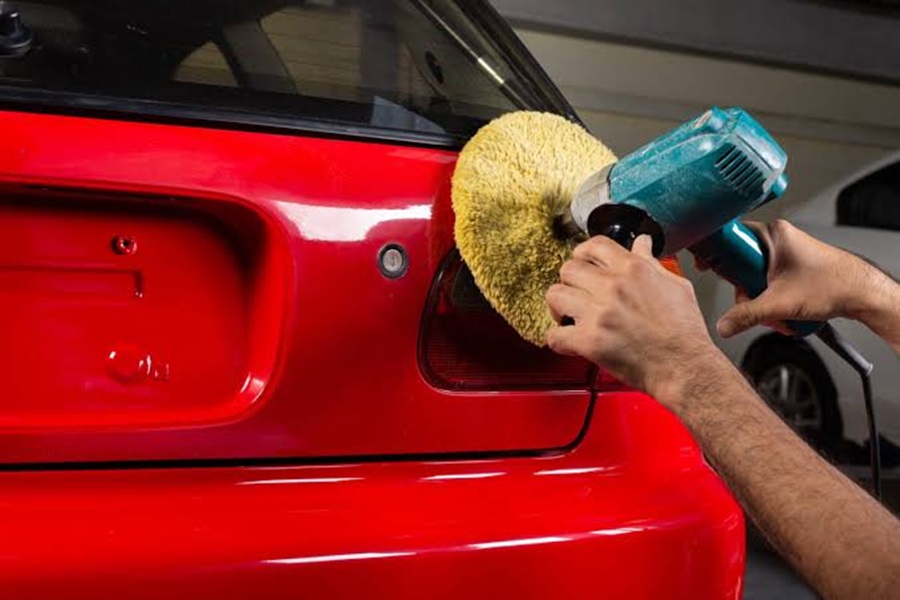
Proper clear coat blending also enhances durability by protecting both existing and repainted sections from environmental factors like UV radiation or moisture exposure. Professionals typically polish or buff blended areas after curing to refine their appearance further and restore a uniform sheen across all surfaces.
Lighting Conditions and Angles Matter
The effectiveness of blending can vary based on lighting conditions during application. Natural daylight offers the most accurate perspective for assessing how colors merge; however, professional repair shops often use specialized lighting setups designed to mimic sunlight at different angles.
These setups allow technicians to evaluate transitions continuously throughout their work. Adjustments can then be made as needed before finalizing repairs—avoiding surprises later when viewing results under different lighting scenarios outdoors.
Why Experience is Crucial in Blending
Although modern tools such as computerized color-matching systems assist with accuracy during initial steps of identifying factory colors or formulating custom mixes, blending remains a skill-intensive process requiring practice and expertise. Experienced painters understand subtle nuances like how drying times influence clarity transitions or which spray techniques yield smooth gradients depending on panel shapes or sizes.
This expertise ensures not only aesthetic excellence but also long-lasting results—a crucial consideration given how much wear vehicles endure daily from road debris or weather elements over time.
By combining technical proficiency with modern technology, skilled professionals can achieve flawless finishes that restore vehicles’ original beauty while delivering peace of mind to owners who trust them with their investment.
How Professionals Account for Fading and Weathering
When professionals work on matching car paint, one of the most challenging aspects they face is accounting for fading and weathering. Over time, a car’s exterior is exposed to a wide variety of environmental factors such as sunlight, rain, temperature changes, and pollutants. These elements gradually alter the original color of the paint, making it difficult to achieve a seamless match using only the factory paint code or standard methods. Understanding how to address these variables is a critical skill in professional auto body repair and refinishing.
The Impact of Sunlight and UV Rays
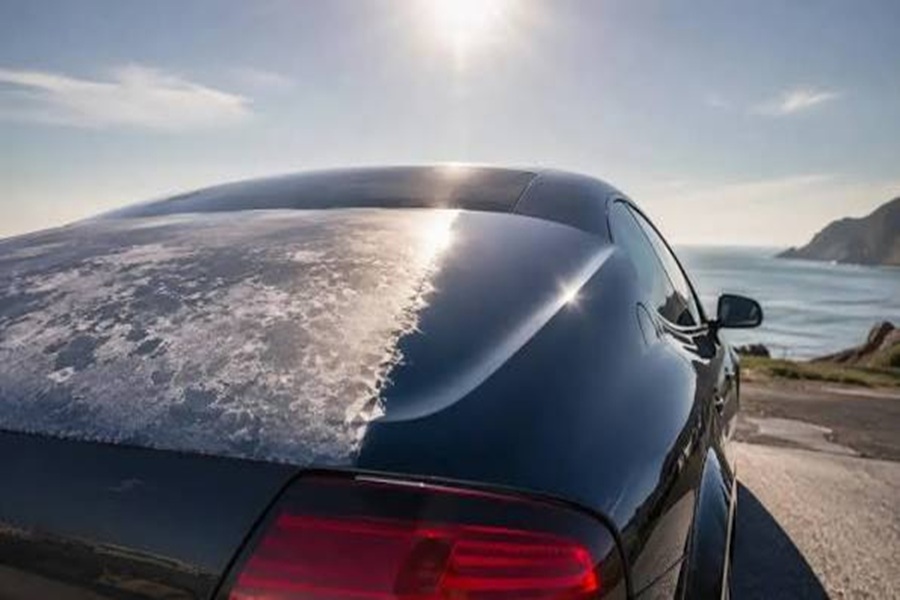
One of the primary causes of paint fading is prolonged exposure to sunlight. Ultraviolet (UV) rays break down the pigments in automotive paint over time. This process can cause dark colors like blacks and reds to fade significantly, while lighter shades such as whites or silvers may appear dull or chalky. When attempting to match faded paint, professionals carefully analyze how much UV damage has taken place by comparing unaffected areas (such as those hidden under trims or inside door panels) to exposed regions.
Identifying Weathering Patterns
In addition to fading, weathering often creates uneven wear across the surface of a vehicle. Rainwater mixed with dirt can cause streaks or stains; bird droppings and acid rain might leave etching; while road salt during winter months can affect certain regions more than others. Professional painters account for these patterns by closely inspecting the vehicle’s surfaces under proper lighting conditions before determining their approach.
Adjustments Through Color Tinting
Once fading and weathering have been assessed, professionals adjust their formulas through a process called tinting. Tinting involves adding small amounts of different pigments to customize the base color until it matches perfectly with the existing paintwork. For example: – Adding yellow tones can compensate for colors that have become too blue due to UV exposure. – A touch of red or brown may help replicate hues affected by environmental oxidation.
This delicate process requires not just advanced tools but also an experienced eye for subtle variations in shade and saturation.
Techniques for Seamless Integration
To ensure that newly painted areas blend smoothly with older sections, blending techniques are employed (often overlapping with adjacent panels). By gradually tapering paint layers outward from the repaired area into untouched sections—and then applying clear coating across multiple panels—professionals create an illusion that hides any color discrepancy caused by fading or weathering.
Additionally, technicians use specialized lighting in controlled environments that mimic natural daylight conditions. This ensures that even minor inconsistencies are identified and addressed prior to completing repairs.
The Importance of Advanced Tools
Modern computerized color-matching systems play an essential role in accounting for fading effects accurately. These tools analyze spectral data from both faded surfaces and original factory colors, helping technicians identify precise adjustments needed in pigment ratios.
Professionals also rely on spray-out cards—small test panels sprayed with mixed paint—to see how well a formulation matches on a real surface compared to theoretical calculations.
Long-Term Solutions: Protective Coatings
Finally, once repainting has been completed successfully, many experts recommend applying protective coatings like ceramic sealants or UV-resistant waxes. These products shield against future fading while maintaining glossiness over time. By taking preventative measures after repairs are complete, car owners can prolong their new finish’s lifespan while reducing maintenance needs down the road.
By combining technical expertise with cutting-edge technology and careful artistry, professionals navigate even complex challenges like faded finishes gracefully—leaving vehicles looking rejuvenated despite years of exposure to harsh elements.
How Professionals Account for Fading and Weathering
One of the most challenging aspects of car paint matching is addressing the inevitable effects of fading and weathering. Over time, a vehicle’s paint endures exposure to sunlight, pollution, moisture, and various environmental factors that alter its original color. Simply matching the factory paint code isn’t sufficient in these cases because the vehicle’s current color may have shifted significantly from its initial shade. Professionals rely on a combination of skills, tools, and techniques to account for these changes and restore a unified, flawless appearance.
Assessing the Extent of Fading
The first step in compensating for fading or weathering involves evaluating how much the original paint has changed. This process often entails closely examining the vehicle under appropriate lighting conditions. Natural sunlight or specialized color-matching lamps are commonly used to highlight subtle variations in tone or finish across different parts of the car. Since horizontal surfaces like hoods and roofs are typically more exposed to UV rays than vertical panels, professionals look for uneven fading patterns that may require specific adjustments.
Advanced Color-Matching Tools
To ensure precision in matching a faded color, technicians employ sophisticated tools like spectrophotometers. These devices analyze the vehicle’s current paint color by measuring light reflection across multiple wavelengths. The data collected helps create a custom formula that replicates not just the original factory shade but also accounts for any shifts caused by aging or environmental exposure.
In addition to technology, trained professionals use visual expertise to fine-tune colors. Even when computerized tools provide an accurate starting point, experienced technicians rely on their knowledge of pigments and finishes to make final adjustments by eye—ensuring an exact match with surrounding panels.
Custom Blending for Seamless Results
When fading has significantly altered a vehicle’s appearance, achieving uniformity often requires custom blending techniques. Rather than simply repainting one panel with a newly matched shade, professionals extend the blend into adjacent panels to create a natural gradient that hides any discrepancies. This meticulous blending process smooths transitions between old and new paintwork so they are virtually undetectable.
For instance, if repairing a door on an older car whose sun-worn finish no longer resembles its original vibrant hue, experts might blend fresh paint into both adjoining doors and fenders as part of their process. This extra effort ensures consistency across all visible surfaces rather than drawing attention to one freshly painted area.
Addressing Special Weathering Effects
Beyond fading from UV exposure alone, other weathering effects like oxidation or uneven discoloration can complicate paint matching further. Oxidized surfaces typically appear duller or chalky compared to newer sections due to chemical reactions with oxygen over time. Before applying fresh coats of paint, professionals carefully prepare these areas by buffing away oxidation layers or using special cleaning compounds designed specifically for automotive finishes.
Moisture damage is another factor taken into account during refinishing work—particularly in regions where vehicles frequently encounter rain or snow conditions leading to water stains or rust spots beneath clear coats.
Why Experience Matters
Ultimately balancing science-driven methods with artisan skill defines why professional expertise matters most when accounting for faded paints/weathered finishes ensuring an impeccable outcome
What to Expect During the Auto Paint Refinishing Process
The auto paint refinishing process is a detailed and intricate procedure that ensures your vehicle’s finish not only looks flawless but also retains its value and protects its surface. Understanding what to expect during this process can help you gain confidence in how professionals handle your car and why precision is key to achieving a perfect result.
Initial Assessment and Color Identification
The first step in the refinishing process involves assessing the damage or area requiring repainting. Technicians carefully examine scratches, dents, or faded areas to determine the extent of work needed. Once they evaluate the surface, they move on to identifying the exact color required for a seamless match.
Professionals use advanced tools, such as computerized color-matching systems, to identify your vehicle’s original paint code. However, they don’t rely solely on factory codes. Factors like weathering or previous repairs are carefully considered to ensure the new paint blends perfectly with the existing finish.
Surface Preparation
Before any paint is applied, meticulous surface preparation is essential. This stage involves thoroughly cleaning the affected area to remove dirt, grease, or contaminants that could affect adhesion. If necessary, damaged parts of the vehicle may be sanded down to create a smooth base for painting.
Priming follows next, where a high-quality primer is applied to protect the surface from rust while providing an even layer for the paint to grip onto. This foundational step ensures durability and longevity for your vehicle’s new coating.
Paint Application
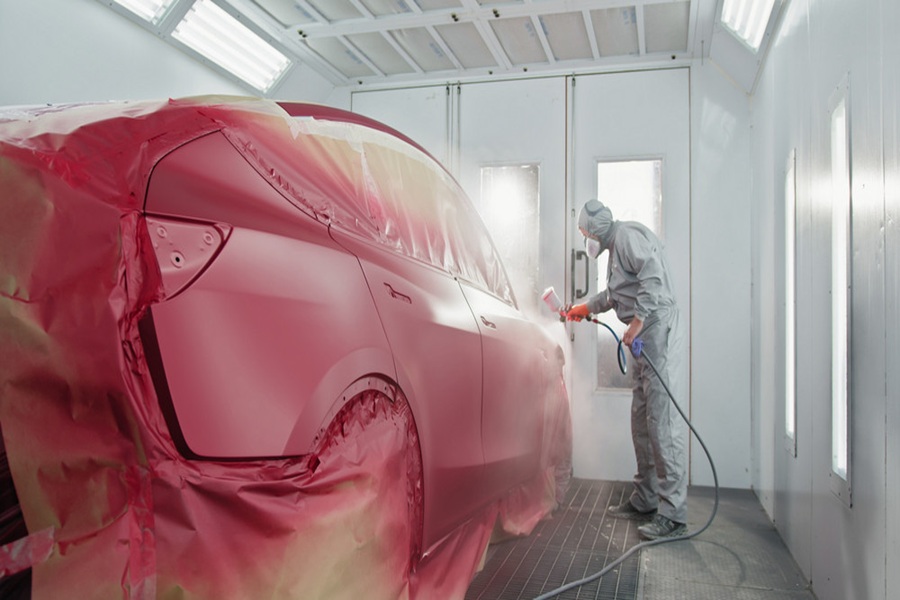
Once preparation is complete and color matching finalized, professionals apply multiple layers of paint using specialized spray guns in controlled environments like paint booths. Modern techniques ensure even distribution and prevent imperfections such as streaks or uneven textures.
Technicians often use blending techniques during this stage if only a portion of the car needs repainting rather than an entire panel replacement. Blending allows them to feather new paint into adjacent sections seamlessly so that transitions between old and new layers are virtually invisible.
Clear Coat Finish
After applying the base coat of color, technicians seal it with a clear coat finish. The clear coat serves two essential purposes: enhancing gloss and providing protection against UV rays, minor scratches, and environmental contaminants such as road salt or bird droppings.
This layer helps maintain both visual appeal and functional integrity over time when cared for properly with regular maintenance like washing and waxing.
Curing and Quality Inspection
Once all layers have been applied—including primer, paint, and clear coat—the refinished area undergoes a curing process. Modern facilities often use heat lamps or bake ovens designed specifically for automotive finishes to expedite curing while ensuring optimal durability.
Finally, professionals conduct detailed inspections under various lighting conditions to verify their work meets both technical standards and aesthetic expectations. They check for imperfections such as dust particles trapped in coatings or inconsistencies in texture before returning your vehicle looking pristine.
Post-Refinishing Care Recommendations
After completing refinishing work, most shops offer advice on how best to care for your newly painted surfaces. These recommendations often include avoiding automatic car washes immediately after painting or using gentle cleaning products that do not damage fresh coatings during their curing period at home.
By understanding each step in this thorough process—from assessment through final quality checks—you can appreciate how skilled professionals deliver outstanding results tailored specifically for your car’s unique needs. The attention given at every stage highlights their commitment not only toward aesthetics but also toward preserving value long-term by ensuring durable protection against wear over time.