
How to Rid Your Car of Odors and Smells
Surface Cleaning With a White Vinegar and Water Solution
One of the most effective and affordable ways to eliminate unwanted odors from your car is by cleaning surfaces with a white vinegar and water solution. White vinegar is a natural deodorizer with antimicrobial properties, making it an excellent choice for tackling both the causes of odors and lingering smells in your vehicle’s interior.
Why Use White Vinegar?
White vinegar is particularly effective because it: – Neutralizes odors rather than masking them. – Breaks down grease, grime, and stains that may harbor unpleasant smells. – Is safe for most surfaces when properly diluted.
How to Create the Solution
Follow these simple steps to prepare and use a white vinegar solution: 1.Mix Ingredients: Combine equal parts distilled white vinegar and water in a spray bottle (e. g. , 1 cup of each). 2.Optional Additive: Add a few drops of essential oil (like lemon or lavender) if you prefer a more pleasant scent while cleaning. 3.Shake Well: Ensure the mixture is fully combined before use.
Application Process
- Test First: Before applying the solution broadly, test it on an inconspicuous area of your car’s interior to ensure there’s no discoloration or damage.
- Spray Lightly: Lightly mist the affected areas, such as dashboard surfaces, door panels, cup holders, or any hard plastic or vinyl components.
- Wipe Thoroughly: Use a microfiber cloth to wipe down each surface gently but thoroughly. Microfiber prevents streaks and lint buildup.
- Handle Fabric Surfaces Carefully: For fabric seats or other upholstery, lightly spritz the solution onto the material without oversaturating it. Let it sit for 10–15 minutes before blotting with a clean cloth.
Tips for Success
Keep these tips in mind when using white vinegar for cleaning: – Avoid using undiluted vinegar on sensitive materials like leather as it may dry out or damage them over time. Always dilute! – Do not overapply the solution—too much moisture can lead to mold growth in enclosed spaces like cars. – Roll down windows while cleaning to keep fumes from accumulating inside the vehicle.
Surface Type | Recommended Approach |
Hard plastic/vinyl | Spray lightly, wipe with microfiber cloth |
Fabric seats | Mist solution sparingly; blot after letting sit |
Leather | Avoid direct use; opt for specialized leather cleaners instead |
By incorporating this method into your cleaning routine, you can effectively neutralize odors at their source and create a fresher environment inside your car. Regular use will also help maintain cleanliness and prevent dirt buildup that contributes to persistent smells.
Surface Cleaning With a White Vinegar and Water Solution
A key step in eliminating odors from your car is to thoroughly clean the surfaces, and one of the most effective and natural solutions is a simple mixture of white vinegar and water. This method not only removes dirt and grime but also neutralizes odors without introducing artificial chemicals.
Why White Vinegar?
White vinegar is a natural cleaning agent with antibacterial properties that can break down the molecules causing unpleasant smells. Its mild acidity makes it highly effective for tackling a range of odors, including those caused by spilled food, drinks, or smoke.
How to Prepare the Solution
To create your cleaning solution, follow these steps: – Mix equal parts white vinegar and water in a spray bottle (e. g. , 1 cup of vinegar with 1 cup of water). – Optionally, add a few drops of essential oil (like lemon or lavender) if you want to mask the vinegar smell temporarily.
Cleaning Process
Once your solution is ready: 1.Spot Test: Before applying the mixture on a large area, test it on an inconspicuous spot to ensure it won’t damage or discolor sensitive materials. 2.Spray: Lightly mist the solution onto surfaces such as dashboard plastics, door panels, leather (if applicable), and cup holders. 3.Wipe Off: Use a microfiber cloth or soft towel to wipe away dirt and lingering residues. Avoid soaking surfaces—less is more when working with liquids in your car. 4.Focus on High-Touch Areas: Pay special attention to areas like steering wheels, seatbelt buckles, center consoles, and armrests that tend to collect oils from hands over time. 5.Windows: For windows stained with smudges or fingerprints that might harbor odors from smoke or grease, use the same vinegar-water mix but finish off with a dry cloth for streak-free results.
Dealing With Difficult Spots
For stubborn stains or sticky messes (like spilled coffee), soak the area briefly by spraying slightly more solution and letting it sit for 2-3 minutes before wiping.
Pros and Cons Table
Advantages | Considerations |
Natural & chemical-free | Vinegar smell may linger briefly |
Cost-effective | Not ideal for untreated leather |
Kills bacteria causing bad smells | Requires careful application on fabrics |
Post-Cleaning Tips
- After cleaning all surfaces with this method, leave windows slightly open for ventilation. This helps air out any remaining vinegar scent while ensuring moisture doesn’t linger inside your car.
- If odor persists even after surface cleaning alone, consider layering this method with other techniques such as baking soda treatments or deodorizing sprays.
By integrating regular surface cleaning into your routine using this simple yet powerful solution, you can significantly reduce unpleasant smells while maintaining a fresh environment inside your vehicle.
Using Baking Soda and Charcoal To Absorb Odors
Baking soda and charcoal are two highly effective, natural solutions for tackling unwanted odors in your car. These odor-absorbing agents work by neutralizing unpleasant smells rather than masking them, making them a great option for long-term freshness. Below, we explore how to use these materials effectively to refresh your vehicle’s interior.
Why Baking Soda Works
Baking soda, or sodium bicarbonate, is a common household item renowned for its ability to neutralize acidic and basic odor molecules. This makes it particularly effective against a wide variety of smells, from food spills to pet odors.
How To Use Baking Soda in Your Car
- Lightly sprinkle baking soda on fabric surfaces such as car seats and carpets.
- Allow it to sit for at least 15–30 minutes (or longer for strong odors).
- Vacuum thoroughly to remove the baking soda along with any trapped smells.
- Fill a small bowl or breathable pouch with baking soda.
- Place it under the seats or in cup holders to passively absorb lingering odors over time.
- Replace the baking soda every few weeks for maximum effectiveness.
- Tackle Specific Spills:
For liquid spills that leave behind an odor: - Sprinkle a generous layer of baking soda directly onto the affected area.
- Let it sit overnight before vacuuming up the residue.
Why Charcoal is Effective
Activated charcoal is another excellent option for odor elimination due to its highly porous structure, which traps odor-causing particles and moisture. Unlike air fresheners that only mask smells, charcoal absorbs them completely, resulting in cleaner air quality inside your car.
How To Use Charcoal in Your Car
- Use Activated Charcoal Bags:
Purchase activated charcoal pouches specifically designed for deodorizing spaces. These are non-messy and can easily be placed under seats, in storage compartments, or hanging from rearview mirrors. - Most bags last several months and only need occasional “recharging” by placing them in direct sunlight for a few hours.
- DIY Charcoal Jar:
If you prefer a DIY approach: - Fill a shallow container with activated charcoal granules.
- Cover it with breathable fabric or mesh to prevent spills.
- Place the container discreetly inside your car where odors are most noticeable (e. g. , trunk or floorboards).
Combining Baking Soda and Charcoal
For particularly stubborn smells: – Use both remedies simultaneously by sprinkling baking soda on fabrics while placing activated charcoal pouches elsewhere for broader coverage. – This multi-pronged approach ensures that both surface-level and airborne odors are addressed effectively.
Material | Ideal Usage Area | Lifespan/Replacement Frequency |
Baking Soda | Seats, carpets, specific spills | Replace after each use |
Activated Charcoal | Under seats, cup holders | Recharge every month; lasts ~6 months |
Additional Tips
- Always vacuum thoroughly after using baking soda to avoid leaving powder residue behind.
- If using loose charcoal granules instead of packaged pouches, secure them tightly to avoid accidental spillage inside the vehicle.
By incorporating these natural deodorizing solutions into your routine, you’ll not only eliminate existing smells but also create an environment that remains fresher over time without relying on synthetic chemicals.
Using Baking Soda and Charcoal To Absorb Odors
Baking soda and charcoal are two powerful, natural odor absorbers that can help you eliminate unpleasant smells from your car. These materials work by absorbing and neutralizing odors rather than masking them, making them an ideal solution for long-term freshness. Below is a detailed guide for effectively using baking soda and charcoal to target unwanted smells in your vehicle.
Why Use Baking Soda?
Baking soda (sodium bicarbonate) is a safe, affordable, and highly effective deodorizer due to its natural ability to neutralize acidic and alkaline odors. It’s a popular choice because it’s easy to use, widely available, and non-toxic.
Steps for Using Baking Soda:1.Identify the Source of Odors: Before applying baking soda, locate the primary source of the smell. Whether it’s spilled food, pet odors, or lingering moisture, addressing the root cause ensures better results. 2.Sprinkle Generously on Fabrics: Spread a thin layer of baking soda over upholstery or carpets where odors are present. If the smell originates from specific areas like under seats or in storage compartments, focus on those spots. 3.Let It Sit: Leave the baking soda on surfaces for at least 15-20 minutes—longer if odors are particularly stubborn. 4.Vacuum Thoroughly: After allowing time for absorption, vacuum up all traces of baking soda using an upholstery attachment or handheld vacuum.
For items such as floor mats or removable seat covers that can be taken out of the car, consider sprinkling them with baking soda while they’re outside the vehicle and then shaking off excess powder before returning them.
Why Use Activated Charcoal?
Activated charcoal is another excellent odor eliminator due to its porous structure that traps odor-causing particles effectively. It’s especially useful for strong-smelling substances like smoke or mildew.
How to Use Activated Charcoal in Your Car: – Purchase Activated Charcoal Bags: These pre-packaged bags are convenient and designed specifically for odor control in small spaces. Commonly found online or in home improvement stores, they’re reusable after “recharging” by placing them in sunlight for several hours.Place Strategically Around Your Car: – Under seats – Inside door pockets – In cupholders – Near air vents – For larger cars like SUVs or vans with persistent smells, use multiple bags spread throughout the cabin space. – Unlike some chemical deodorizers, activated charcoal doesn’t release any fragrance; it simply absorbs undesirable scents like smoke or spoiled food.
Comparing Baking Soda vs.
Feature | Baking Soda | Activated Charcoal |
Cost | Very low-cost | Moderate |
Reusable? | No | Yes (rechargeable in sunlight) |
Ease of Application | Sprinkled then vacuumed | Placed directly; no cleanup |
Effectiveness Duration | Short-term | Long-term |
Tips To Maximize Effectiveness
- Combine Both Methods: For particularly tough odors (e. g. , cigarette smoke), try using both baking soda on fabrics and activated charcoal bags around key areas.
- Repeat as Needed: Neutralizing persistent smells may require multiple applications over time.
- Complement With Cleaning: Always pair these methods with thorough cleaning efforts such as wiping surfaces and removing trash to avoid reoccurring smells.
Using baking soda and activated charcoal can be a highly effective strategy when tackling stubborn car odors without resorting to harsh chemicals. By incorporating these natural remedies into your routine maintenance plan, you can enjoy a fresher driving experience while keeping your vehicle safe from artificial fragrances often found in store-bought air fresheners.
Replacing Air Filters or Deodorizing the AC System
One of the less obvious yet highly effective solutions to eliminating lingering smells in your car involves addressing your vehicle’s air filtration and ventilation systems. These systems often harbor dust, debris, and moisture, which can become a breeding ground for odors when left unchecked. Here’s a detailed guide on how to replace air filters and deodorize your car’s AC system to keep it smelling fresh.
Why Air Filters Matter
Over time, these filters can accumulate debris and develop mildew or mold if exposed to moisture. A dirty or clogged filter may not only reduce airflow but also contribute to unpleasant smells circulating within the car.
Signs Your Air Filter Needs Replacing:
– Reduced airflow from vents
– Persistent musty or damp odors when using the AC or heater
– Increased dust on surfaces inside your car
- Locate the Filter:It is usually located behind the glove compartment or under the dashboard.
- Access the Filter Compartment:Open or remove any necessary panels (sometimes you’ll need to detach clips or screws). Be gentle during this process to avoid breaking anything.
- Inspect the Old Filter:Remove the old air filter and inspect it for dirt, discoloration, or mold growth.
- Install a New Filter:Insert a clean replacement filter into its compartment following manufacturer guidelines. Make sure it is positioned correctly so airflow isn’t blocked.
- Reassemble Components:Secure everything back into place before testing airflow.
Choosing high-quality filters with activated charcoal layers can further help trap odors and enhance overall air quality in your car.
Deodorizing Your AC System
Steps To Deodorize Your AC System:
1.Turn Off Recirculation Mode:Switch off recirculation mode on your AC controls so that fresh external air enters while cleaning. 2.Use an Odor-Neutralizing Spray:Purchase an automotive-grade odor eliminator spray designed for HVAC systems (available at auto parts stores). Look for sprays that target bacterial growth specifically. 3.Apply Through Intake Vents:With the car running and fan speed set to high, spray directly into intake vents located near the base of your windshield outside the vehicle. 4.Run The System Thoroughly:Allow enough time for clean airflow through all vents inside by running both cooling and heating modes alternately for several minutes.
Alternatively, there are professional-grade aerosol products called “AC bombs” that release deodorizing mist into closed interiors while circulating through venting systems automatically—a great option if manual cleaning seems daunting.
| Comparison Table: DIY vs Professional Service | |———————————|——————————–| | Cost-effective; only requires basic tools | More expensive but thorough deep-cleaning services available | | Can be done at home with minimal effort | Often includes advanced techniques like ozone treatment | | Requires buying specific products | Some services include warranty coverage |
Maintenance Tips For Fresh Airflow
- Use sunshades on hot days to reduce heat buildup inside—this slows odor absorption into fabrics and ventilation areas.
- Avoid running recirculation mode continuously; let fresh outdoor air circulate occasionally during drives.
By maintaining clean filters and keeping AC systems odor-free, you’ll significantly improve not just how fresh your car feels but also ensure better indoor air quality while driving long-term.
Replacing Air Filters or Deodorizing the AC System
A commonly overlooked cause of persistent car odors is a dirty or clogged air filter, as well as buildup in the air conditioning (AC) system. Over time, dirt, bacteria, and mold can accumulate in these areas, leading to unpleasant smells that linger no matter how often you clean the interior. Addressing this issue can significantly improve the air quality inside your car and eliminate odors at their source.
Signs That Your Air Filters Need Replacing
It’s essential to recognize when your air filters might be contributing to bad smells. Look for these signs: – Musty or mildew-like smell when turning on the AC or heater. – Reduced airflow from your vents. – Dusty or dirty residue around vent openings. – If it has been over 12 months or 12,000 miles since your last filter replacement (varies by manufacturer).
Steps to Replace Cabin Air Filters
Replacing cabin air filters is straightforward and can often be done without professional help. Here’s a step-by-step guide: 1.Locate the Cabin Air Filter Housing: This is typically found behind the glove compartment or under the dashboard. Refer to your car’s manual for specific instructions. 2.Remove the Old Filter: Carefully slide out the old filter. If it’s dark gray, blackened, or clogged with debris, it needs replacing. 3.Insert a New Filter: Use a high-quality replacement filter that fits your car model; some even have activated charcoal for added odor-neutralizing benefits. 4.Secure Everything Back in Place: Once replaced, reassemble any removed parts such as the glove compartment.
Deodorizing Your AC System
- Purchase an automotive-grade AC cleaning spray designed to kill odor-causing bacteria.
- Turn off your car and ensure all windows are open for ventilation.
- Spray directly into the exterior air intake vents (typically located near the windshield wipers).
- Turn on the fan at full blast with recirculation mode off for 10–15 minutes.
- Specialized products like foggers or ozonators can neutralize deep-set smells in vents and ducts.
- Follow product instructions carefully for safe application.
- Combine one part white vinegar with one part water in a spray bottle.
- Lightly mist into intake vents while running your fan on high power with recirculation mode turned off.
Method | Tools Needed | Effectiveness |
Replace Cabin Filter | New cabin filter | High |
AC Cleaning Spray | Automotive-grade cleaning spray | High |
Odor Eliminator Fogger/Ozonator | Commercial products | Very High |
DIY Vinegar Solution | White vinegar, spray bottle | Moderate |
Tips for Maintaining a Fresh-Smelling Ventilation System
To keep your ventilation system odor-free long-term: – Avoid running recirculation mode too often; this traps moisture inside ducts that promotes mold growth. – Regularly clean exterior intake vents of leaves or debris using compressed air or a soft brush. – Change cabin filters every 12–15 months as part of routine maintenance.
By addressing both filters and ventilation systems together, you tackle one of the most common hidden sources of lingering car smells while creating fresher airflow throughout your vehicle interior.
Replacing Air Filters or Deodorizing the AC System
When it comes to tackling stubborn odors in your car, one area often overlooked is the air filtration and ventilation system. Your car’s air filters and AC system can harbor unpleasant smells caused by dirt, mold, mildew, and bacteria. Addressing this issue not only improves air quality but also ensures a fresher driving experience.
Why Replace Air Filters?
Air filters are responsible for trapping dust, debris, and other particles before they enter your vehicle’s cabin. Over time, these filters can become clogged with contaminants, which may contribute to musty or unpleasant smells.
- A persistent stale or musty odor when running the AC.
- Reduced airflow from vents.
- Visible dirt or discoloration on the filter.
- Locate the Cabin Air Filter: Refer to your car’s manual to find its location—common spots include behind the glove box or under the dashboard.
- Remove and Inspect: Take out the old filter and check its condition. If it’s gray or clogged with debris, it needs replacement.
- Insert a New Filter: Replace with a clean filter designed for your vehicle model.
- Regular Maintenance: Aim to replace your air filter every 12 months or 12,000 miles (or as recommended by your manufacturer).
Deodorizing the AC System
Sometimes persistent odors stem from mold or bacteria build-up in your car’s HVAC system rather than just a dirty air filter.
Materials You’ll Need:
- An automotive AC cleaner spray.
- Clean microfiber cloths.
Steps:
- Turn Off Your Engine: Start with safety first by ensuring the car is off.
- Apply Cleaner: Follow instructions on an automotive AC cleaner spray (often applied through vents or intake areas). These sprays are designed to break down bacteria and eliminate foul smells.
- Run The System: After application, turn on your engine and run both heat and AC settings for about 10 minutes each to circulate cleaner throughout all ducts.
- Wipe Vents: Use microfiber cloths to clean vent surfaces where dust builds up.
Optional DIY Solution:
For those who prefer natural remedies, try using baking soda as part of an air treatment process: – Sprinkle baking soda lightly over carpets near intake vents while running warm air through your system for about 15 minutes before vacuuming it up.
Maintenance Tips for Long-Term Odor Control
To prevent future issues: – Operate the recirculation mode sparingly; prolonged use can trap stale air inside. – Periodically open windows during drives to introduce fresh airflow into the cabin. – Avoid eating in the car since food particles can accumulate in hard-to-reach areas of vents.
A clean filtration system combined with proper ventilation habits keeps both odors at bay while maintaining optimal air circulation inside your vehicle—a win-win for comfort and health!
Recent Posts

How to Spot Hidden Damage After a Car Accident
Why Hidden Damage Is Common After Collisions Car accidents, whether minor fender benders or major collisions, can leave behind damage that isn’t immediately visible to the naked eye. This hidden damage can pose serious risks if left unchecked, not only affecting the safety of your vehicle but also potentially leading…

How Frame Alignment Restores Vehicle Safety
What Is Frame Alignment in Auto Body Repair Frame alignment is a critical process in auto body repair that ensures the structural integrity of a vehicle after it has been involved in a collision, sustained damage, or undergone any form of impact that affects its frame. Essentially, frame alignment is…
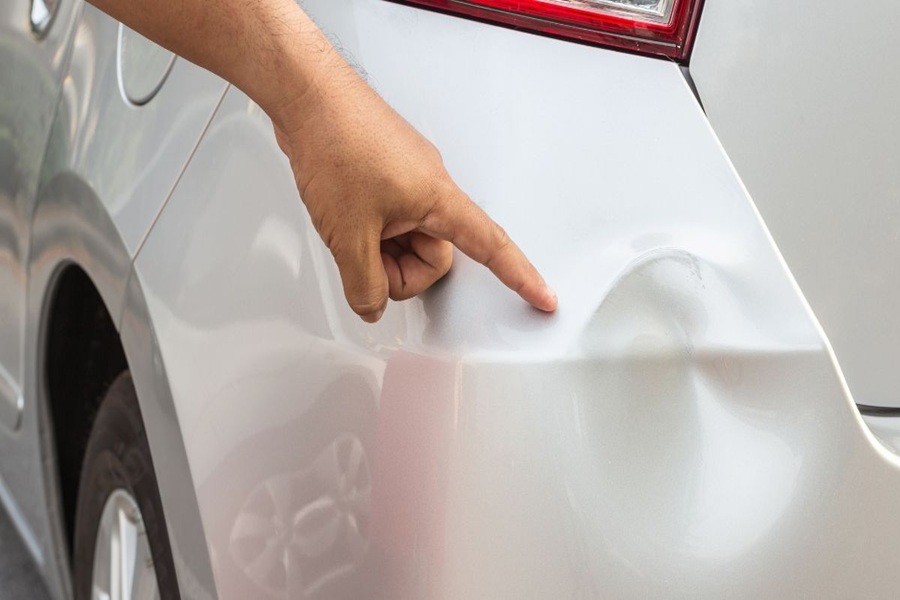
How to Know If Your Bumper Can Be Repaired
Common Types of Bumper Damage Explained Bumpers are designed to absorb and distribute impact energy during collisions, making them a critical component of vehicle safety. Due to their role, bumpers are often the first part of the car to sustain damage in an accident. Understanding the common types of bumper…