Come see the difference C&G makes. Offering expert full-service mechanical, maintenance & repair in addition to our top rated collision and paint shop.
Looking for expert auto body and paint services at competitive prices? Our shop specializes in restoring and enhancing your vehicle’s appearance while providing top-notch service, maintenance and repairs. We ensure your car not only looks great but also performs at its best!
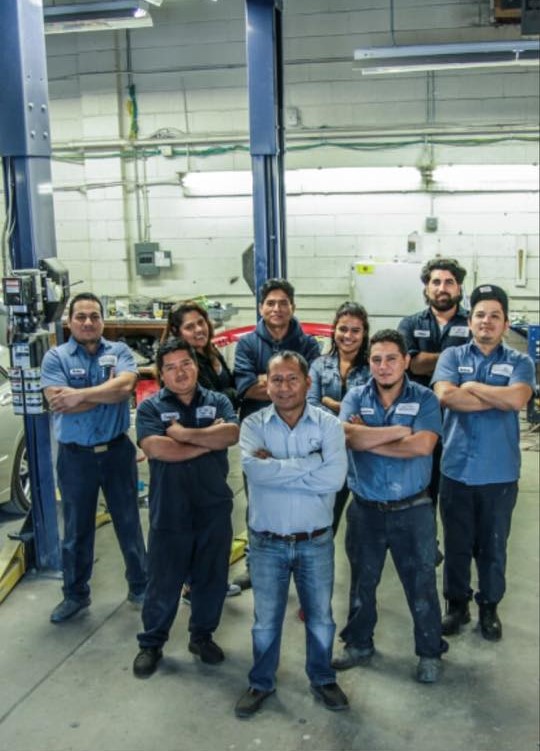
Years of Experience
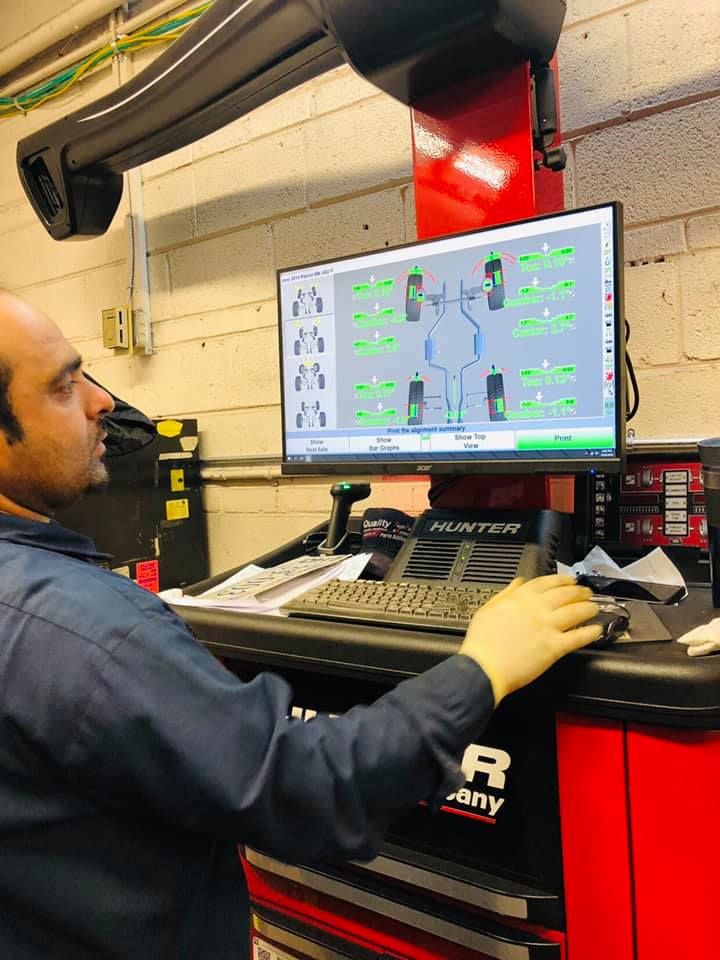
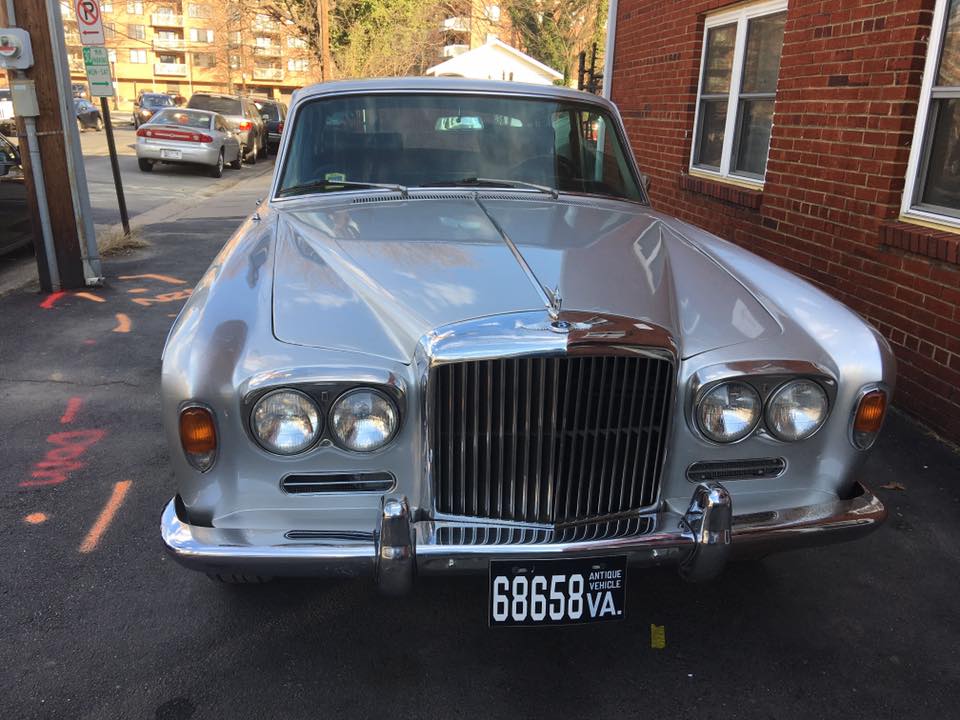
Our skilled technicians provide top-quality paint work, autobody, and general automotive repairs to keep your car looking and running like new. With expert skill and attention to detail, we ensure every job is done right the first time. Trust us for reliable service at a fair price, every time. That’s our guarantee!
Hear from our satisfied customers about our exceptional work, customer care and honest pricing here in Alexandria, VA!
Posted on GoogleTrustindex verifies that the original source of the review is Google. The staff were super friendly and supportive. The work was done professionally and completed on time. I would use them again!Posted on GoogleTrustindex verifies that the original source of the review is Google. I brought my car to C&G because it had a mechanical issue. The car broke down at 7:30 PM, and luckily, when I called the shop, they answered right away. They sent a tow truck for me, and the next day, I got the diagnosis. The service was fast and affordable. My technician, Tam, did an excellent job with both the diagnosis and the repair. I had my car back quickly and at a great price. From now on, C&G is my shop! Tam kept me updated with texts and photos, showing me exactly what the problem was and how they fixed it. Super professional all the way. Highly recommend!Posted on GoogleTrustindex verifies that the original source of the review is Google. TLDR: Some initial issues with my repair but top notch customer service. Adrian is great. There were some issues with my rocker panel repair starting with delays ordering the part, and then it turned out to be the wrong part. They assured me could do the repair perfectly without the part, and I said ok hesitantly. When I picked up the car the work was not up to standard. The texture (sort of pebbled) was not uniform across the whole panel (it cut off suddenly), and where it was applied on the repaired panel it did not match the factory panel on the other side of the car. (It was rougher.) Also on that other side there was a dent I did not remember being there before. I will say that when I explained my concerns over the phone they had me bring the car back and redid the repair free of charge, as well as fix the other dent. Overall it was somewhat of a hassle but I was really impressed with the customer service, and the end result seems to be satisfactory.Posted on GoogleTrustindex verifies that the original source of the review is Google. I came to this shop four different ocasión and always left happy and very satisfied, thank you for your hard work C&G Specialty.Posted on GoogleTrustindex verifies that the original source of the review is Google. First experience was a great one! Adrian and Walter were very attentive, polite, and patient. Service was provided on the same day, no appointment necessary (in my experience), and not a long duration of time either. Surely will be returning, when needed.Posted on GoogleTrustindex verifies that the original source of the review is Google. These guys are the best!Posted on GoogleTrustindex verifies that the original source of the review is Google. Always doing fantastic work.Posted on GoogleTrustindex verifies that the original source of the review is Google. This place is awesome! I had an issue with my car recently and they took care of it quickly and professionally. The guys are super friendly. Adrian and Sergio explained everything clearly and helped throughout the entire process. Thank you!
Experience the top-tier work and customer service that makes C&G the very best in Alexandria, VA & the DMV.
From flawless auto body work to reliable repairs, we’ll restore your vehicle’s look and performance with expert care in Alexandria, VA and surrounding areas!
Come to us for all of your general automotive needs, from trouble-shooting and diagnostics to regular servicing and insurance claims. C&G has you covered!
With a focus on precision paint and autobody work, our shop delivers top-quality repairs to restore your vehicle’s appearance to factory specs.
Specializing in professional auto paint services, our shop ensures a flawless finished product.
Fully equipped for wheel alignments. We are able to mount, balance & repair tires as well as provide wheel and rim repair.
We also assist with towing and rental car needs and can drop you off at your home or work if you live near by.
Our shop provides fluid servicing and expert transmission replacement to keep you shifting smoothly.
Best prices with top quality fluids and parts for your vehicle.
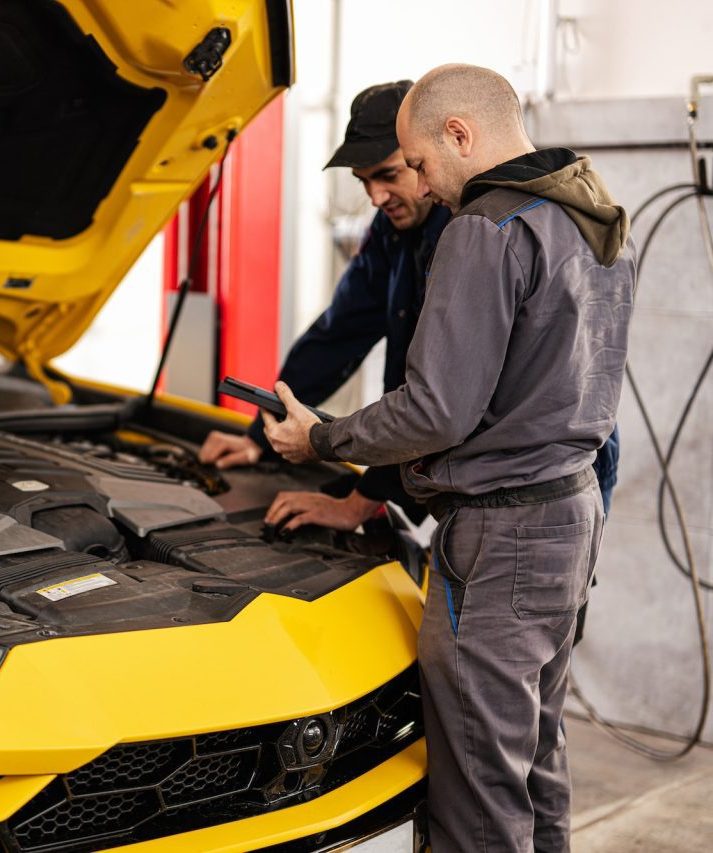
We prioritize quality and customer satisfaction in every auto body, paint, and repair service we provide in Alexandria, VA!
When it comes to car repairs, ignoring minor damage may seem like an easy way to save money or time. However, small issues can quickly snowball into larger, costlier problems that could affect both your safety and your wallet in the long run. Understanding the types of minor damage that pose long-term risks is essential to maintaining your vehicle’s performance and value. Here’s what you need to know.
For example:
| Type of Damage | Immediate Impact | Long-Term Consequence | |————————–|————————–|—————————————————| | Paint scratches | Cosmetic imperfection | Rust development and spreading | | Small windshield crack | Minimal visibility issue | Full windshield replacement needed | | Loose bumper/trim piece | Little aesthetic change | Water intrusion into internal components |
By addressing these minor issues early on, you’ll save money in the long run while keeping your car safe and looking its best—all without unnecessary stress down the road.
After a car accident, frame damage is one of the most critical issues drivers should assess. While some types of vehicle damage are visible and straightforward to identify, frame damage can be more subtle and, if left unchecked, can compromise your car’s integrity and safety over time.
The frame is essentially your car’s structural skeleton. It provides support for the engine, suspension system, and body panels while ensuring that your vehicle maintains proper alignment and stability. A collision—whether minor or severe—can bend or weaken this structure. Even small impacts can shift parts of the frame just enough to cause long-term problems.
| Risk | Impact |
| Reduced Structural Integrity | Your car may offer less protection during future collisions. |
| Accelerated Tire Wear | Poor alignment due to a bent frame leads to uneven tire wear and replacement costs. |
| Long-Term Suspension Issues | Misalignment may strain suspension components like shocks or struts prematurely. |
Modern auto body shops use advanced equipment like computerized diagnostic systems and hydraulic machines designed specifically for repairing frames effectively. These technologies enable precise restoration so that vehicles meet manufacturer safety standards once repairs are complete.
Repairing damaged frames may seem daunting; however, identifying the problem early on ensures better peace of mind while safeguarding both your investment and personal safety on the road moving forward.
Frame damage is one of the most critical issues that can arise after a collision, as it affects the structural integrity and safety of your vehicle. While some frame issues are visible, others may be hidden and harder to detect without professional expertise. Learning how to identify potential signs of frame damage can help you address problems early and avoid costly repairs or unsafe driving conditions.
Ignoring frame damage can have long-term consequences:
– Structural Weakness: A damaged frame weakens your car’s ability to absorb impact in future collisions, putting both you and passengers at higher risk during accidents.
– Premature Wear: Misaligned components caused by frame issues can lead to accelerated wear on tires and suspension parts. This adds unnecessary costs over time. – Reduced Resale Value: Vehicles with unresolved structural damage often lose value significantly because they are harder to repair completely.
If you notice any of these warning signs after an accident:
1. Schedule an Inspection: Take your car to a trusted body shop where professionals can examine it thoroughly using advanced tools like laser measuring systems. 2. Request an Alignment Check: Even minor accidents can affect alignment; ask for precise measurements during your inspection. 3. Ask About Repairs: Depending on severity, repairing frame damage may involve straightening bent sections with hydraulic equipment or welding cracks securely.
| Type of Inspection | Estimated Cost Range (USD) | Purpose |
| Visual Inspection | $50 – $100 | Identify obvious bends/cracks |
| Alignment Check | $75 – $150 | Assess misalignment issues |
| Full Structural Scan | $200+ | Detect hidden/frame-specific problems |
To minimize risks in future collisions:
– Drive defensively and maintain safe following distances. – Consider installing sensors such as collision avoidance systems if your budget allows. – Always choose qualified technicians for repairs involving structural components.
Identifying and addressing even subtle indicators of frame damage early ensures safer driving conditions while preserving your vehicle’s life span and value over time.
Dents on your car may seem like purely cosmetic issues, but they can result in far more serious problems down the line. Left unattended, even minor dents can create an ideal environment for rust to form and spread. Understanding how and why this happens can help you take proactive steps to maintain your vehicle’s body and structure.
| Issue | Impact on Vehicle |
| Structural Weakening | Rust can eat through metal over time, compromising the strength of body panels. |
| Costly Repairs | Advanced rust damage may require panel replacement rather than a simple repair. |
| Reduced Resale Value | Visible rust significantly lowers resale value since buyers see it as neglect. |
If any of these signs appear, consult an auto body shop promptly before the issue worsens.
A small dent today could turn into significant damage tomorrow if left untreated—especially when rust enters the picture. By addressing dents early through professional repairs and preventive care measures, you’ll maintain your car’s appearance and ensure its longevity on the road for years ahead.
After a collision, not all damage to your vehicle is immediately visible. While some issues, like large dents or shattered glass, are obvious, hidden damage can compromise your car’s performance and safety without being apparent. Identifying these subtle problems early can save you significant time, money, and stress. Below, we’ll delve into key warning signs of hidden damage to help keep your car in peak condition.
New noises after an accident often indicate underlying issues. Be on the lookout for:
– Clunking or Knocking Sounds: These may point to suspension system damage or loose parts beneath the car. – Squealing When Braking: Could signal misaligned brakes or worn components from the impact. – Whining Noises: Often linked to transmission problems caused by sudden jolts during a crash.
Monitor these sounds closely and have them inspected by a professional if they persist.
After an impact, you might notice that your car feels different when driving. Pay close attention to the following handling issues:
– Pulling to One Side: Indicates misalignment or potential frame damage.
– Stiff Steering Wheel: A sign of compromised steering components or fluid leaks.
– Shaking at Higher Speeds: Could stem from unbalanced tires, bent wheels, or suspension problems.
If the vehicle doesn’t handle as it did before the accident, consider scheduling a body shop inspection immediately.
Even minor accidents can disrupt your car’s electrical systems. Look out for these red flags:
– Dashboard lights that won’t turn off (e.g., airbag light).
– Power windows or locks functioning intermittently.
– Flickering headlights or dim tail lights.
Electrical components are easily overlooked but critical for safe operation.
| Fluid Color | Possible Issue | Description |
| Red | Transmission fluid leak | Slippery with a sweet smell |
| Green/Orange | Coolant leak | Sticky and usually sweet-smelling |
| Dark Brown/Black | Engine oil leak | Thick and greasy |
Any new fluid leaks should be inspected promptly as they can worsen over time if neglected.
Misaligned body panels may not seem critical but could indicate underlying structural issues. Look closely at areas such as:
– Doors that don’t close flush with the frame. – Uneven gaps around the hood or trunk. – Fenders sitting higher/lower than usual.
These small signs suggest potential frame warping and should be addressed by an expert.
Hidden damage is easy to overlook but poses serious risks if left unattended. By staying vigilant for unusual sounds, changes in performance, electrical faults, fluid leaks, and misaligned panels after an accident, you can take proactive steps toward ensuring both safety and long-term cost savings.
After a fender bender, you might think the damage is limited to visible scratches or dents—but alignment problems are one of the most common and overlooked consequences of even minor collisions. Misalignment can affect your vehicle’s handling, safety, and overall performance if left unaddressed. Recognizing the signs early can save you from costly repairs and potential accidents.
Proper alignment ensures that your car’s suspension, tires, and steering components work together efficiently. When your car’s alignment is off, it can lead to uneven tire wear, difficulty steering, and increased fuel consumption. A misaligned vehicle also compromises safety by reducing stability during turns or sudden stops.
| Risk | Impact |
| Uneven Tire Wear | Shortens tire lifespan; increases need for frequent replacements |
| Poor Fuel Efficiency | Misalignment causes increased resistance, leading to wasted fuel |
| Compromised Safety | Reduces vehicle stability; increases risk during emergency maneuvers |
| Strain on Suspension System | Prolonged misalignment wears out suspension components prematurely |
By keeping an eye out for alignment-related concerns after a minor collision and addressing them quickly through professional help, you ensure safer travels while extending the life of vital vehicle components.
Scheduling a body shop inspection is crucial for maintaining your vehicle’s safety, aesthetics, and overall value after an accident or a minor incident. While some damage may be immediately apparent, other issues can remain hidden and worsen over time if not addressed promptly. Below are key situations when you should consider scheduling an inspection.
Tip: Even low-speed impacts can cause alignment problems or hidden cracks in key components like bumpers and chassis parts.
A professional body shop technician can pinpoint these issues and recommend proper fixes before they escalate into costlier repairs.
| Type of Damage | Potential Risks |
| Scratches | Can expose metal underneath, leading to rust formation over time. |
| Paint Chips | May allow moisture intrusion, accelerating corrosion on affected areas. |
| Peeling Paint | Could compromise surrounding paint layers, requiring more extensive repair later. |
Pro Tip: Address surface damage promptly before environmental factors like rain or humidity make it worse.
Post-storm inspections ensure your vehicle remains structurally sound while also identifying any aesthetic repairs needed.
Investing in minor repairs early could mean fewer obstacles during negotiations later on.
By proactively scheduling body shop inspections at these critical moments, you ensure small issues don’t snowball into larger problems while preserving both safety and long-term costs associated with unexpected repairs later down the line.