Come see the difference C&G makes. Offering expert full-service mechanical, maintenance & repair in addition to our top rated collision and paint shop.
Looking for expert auto body and paint services at competitive prices? Our shop specializes in restoring and enhancing your vehicle’s appearance while providing top-notch service, maintenance and repairs. We ensure your car not only looks great but also performs at its best!
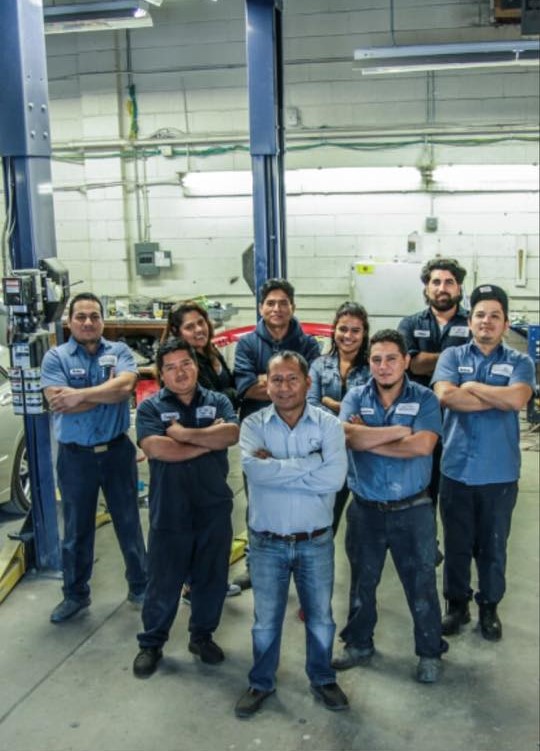
Years of Experience
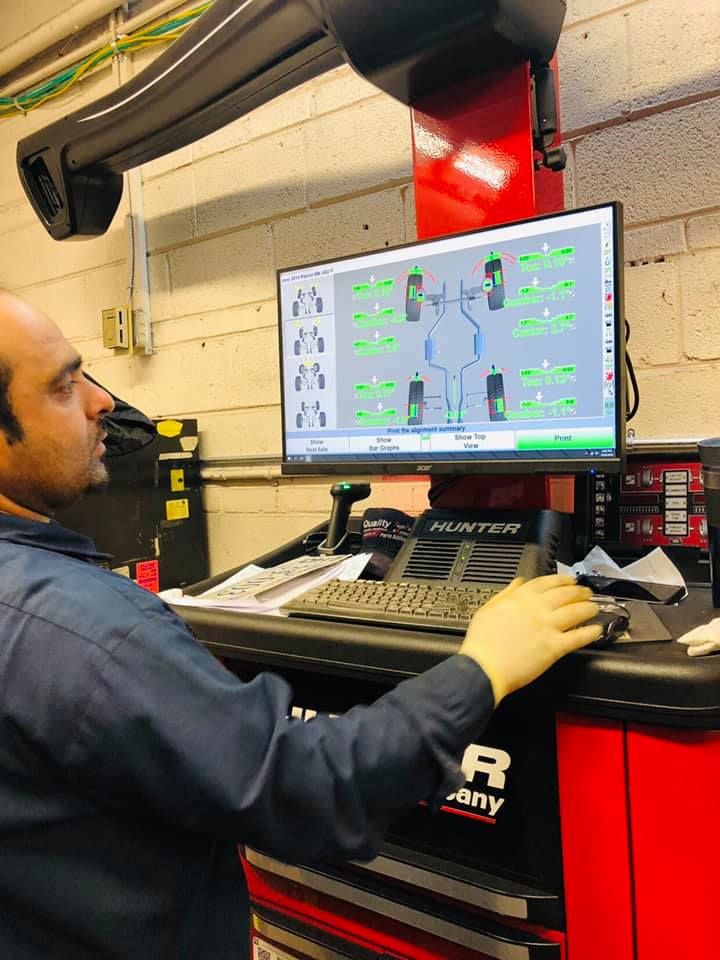
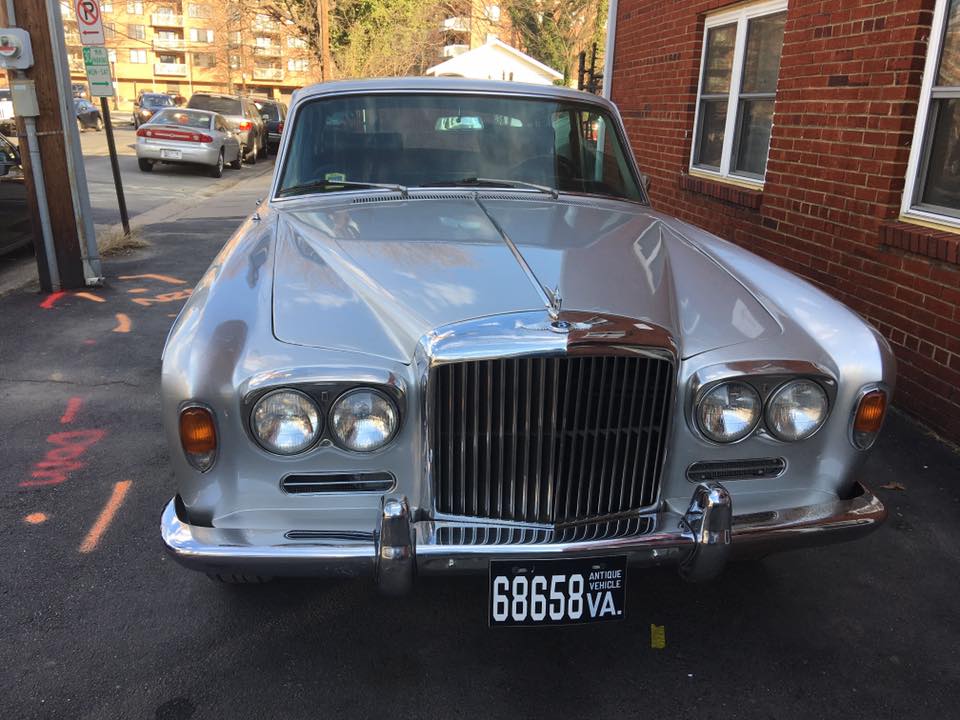
Our skilled technicians provide top-quality paint work, autobody, and general automotive repairs to keep your car looking and running like new. With expert skill and attention to detail, we ensure every job is done right the first time. Trust us for reliable service at a fair price, every time. That’s our guarantee!
Hear from our satisfied customers about our exceptional work, customer care and honest pricing here in Annapolis, MD!
Posted on GoogleTrustindex verifies that the original source of the review is Google. The staff were super friendly and supportive. The work was done professionally and completed on time. I would use them again!Posted on GoogleTrustindex verifies that the original source of the review is Google. I brought my car to C&G because it had a mechanical issue. The car broke down at 7:30 PM, and luckily, when I called the shop, they answered right away. They sent a tow truck for me, and the next day, I got the diagnosis. The service was fast and affordable. My technician, Tam, did an excellent job with both the diagnosis and the repair. I had my car back quickly and at a great price. From now on, C&G is my shop! Tam kept me updated with texts and photos, showing me exactly what the problem was and how they fixed it. Super professional all the way. Highly recommend!Posted on GoogleTrustindex verifies that the original source of the review is Google. TLDR: Some initial issues with my repair but top notch customer service. Adrian is great. There were some issues with my rocker panel repair starting with delays ordering the part, and then it turned out to be the wrong part. They assured me could do the repair perfectly without the part, and I said ok hesitantly. When I picked up the car the work was not up to standard. The texture (sort of pebbled) was not uniform across the whole panel (it cut off suddenly), and where it was applied on the repaired panel it did not match the factory panel on the other side of the car. (It was rougher.) Also on that other side there was a dent I did not remember being there before. I will say that when I explained my concerns over the phone they had me bring the car back and redid the repair free of charge, as well as fix the other dent. Overall it was somewhat of a hassle but I was really impressed with the customer service, and the end result seems to be satisfactory.Posted on GoogleTrustindex verifies that the original source of the review is Google. I came to this shop four different ocasión and always left happy and very satisfied, thank you for your hard work C&G Specialty.Posted on GoogleTrustindex verifies that the original source of the review is Google. First experience was a great one! Adrian and Walter were very attentive, polite, and patient. Service was provided on the same day, no appointment necessary (in my experience), and not a long duration of time either. Surely will be returning, when needed.Posted on GoogleTrustindex verifies that the original source of the review is Google. These guys are the best!Posted on GoogleTrustindex verifies that the original source of the review is Google. Always doing fantastic work.Posted on GoogleTrustindex verifies that the original source of the review is Google. This place is awesome! I had an issue with my car recently and they took care of it quickly and professionally. The guys are super friendly. Adrian and Sergio explained everything clearly and helped throughout the entire process. Thank you!
Experience the top-tier work and customer service that makes C&G the very best in Annapolis, MD & the DMV.
From flawless auto body work to reliable repairs, we’ll restore your vehicle’s look and performance with expert care in Annapolis, MD and surrounding areas!
Come to us for all of your general automotive needs, from trouble-shooting and diagnostics to regular servicing and insurance claims. C&G has you covered!
With a focus on precision paint and autobody work, our shop delivers top-quality repairs to restore your vehicle’s appearance to factory specs.
Specializing in professional auto paint services, our shop ensures a flawless finished product.
Fully equipped for wheel alignments. We are able to mount, balance & repair tires as well as provide wheel and rim repair.
We also assist with towing and rental car needs and can drop you off at your home or work if you live near by.
Our shop provides fluid servicing and expert transmission replacement to keep you shifting smoothly.
Best prices with top quality fluids and parts for your vehicle.
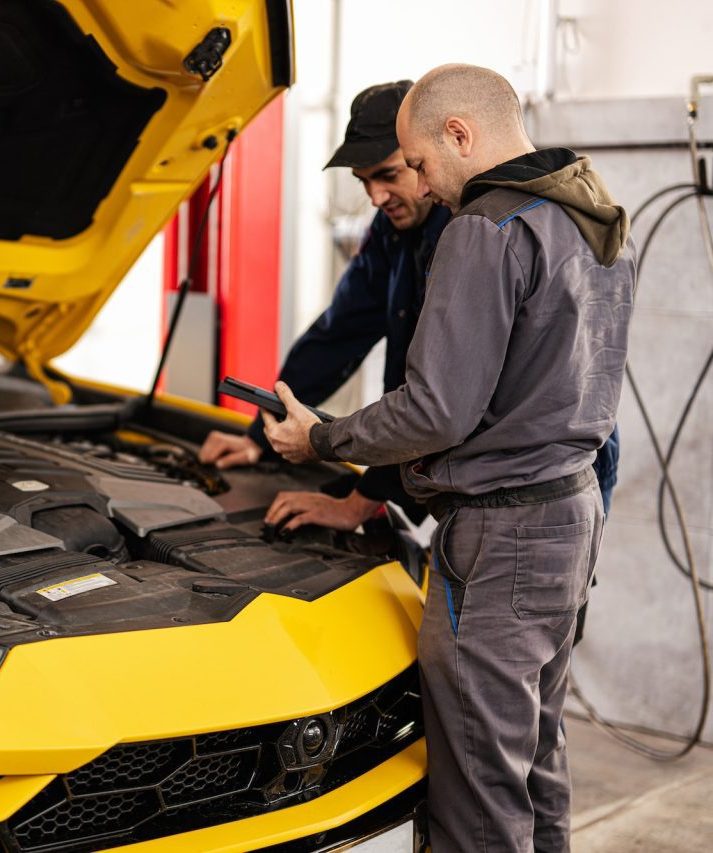
We prioritize quality and customer satisfaction in every auto body, paint, and repair service we provide in Annapolis, MD!
If you’ve never been to an auto body shop before, the experience can feel a bit overwhelming. Knowing what happens during your first visit can help you feel more confident and prepared. Here’s an overview of what to expect at your initial auto body appointment.
You may be asked for:
– Insurance Information: If you’re filing an insurance claim, bring your policy number and any claim details from your provider.
– Vehicle History: The shop might inquire about prior repairs or maintenance relevant to the current issue. This helps them gain insight into how best to address the new repair work.
Take advantage of this time to ask questions such as:
– Will I receive a detailed estimate?
– How long will repairs take?
– Are loaner vehicles or rental cars available?
Once preliminary details have been gathered, the technician may perform a more thorough inspection using tools like lights or diagnostic scanners for structural damage evaluation. The goal is to determine both visible and hidden issues caused by impact or wear.
A professional inspection may include:
| Type of Damage | Examples | Tools Used |
|—————-|———-|————|
| Surface Damage | Dents, scratches | Paint thickness gauge, lights | | Structural Issues | Frame misalignment | Frame straightening machines | | Internal Problems | Broken sensors, electrical faults | Diagnostic scanner |
After assessing your car fully, the shop will prepare a repair estimate that outlines labor costs, parts replacement (OEM vs aftermarket options), paint work costs, and any additional fees like environmental disposal charges.
Key elements typically included in an estimate are: – Cost of parts (separated by type) – Labor hours required – Taxes/fees (if applicable)
Once you approve the estimate—or after insurance processes it if applicable—the shop will discuss next steps like sourcing parts and scheduling repairs.
To make your first auto body appointment as smooth as possible: 1. Bring all necessary documents (driver’s license, insurance card). 2. Take photos of existing damage before handing over your vehicle. 3. Ask about warranties on parts or service. 4. Verify certifications held by the shop (look for ASE or I-CAR certifications).
Visiting an auto body shop doesn’t have to be stressful when you’re informed about what occurs during that initial appointment. Preparing ahead ensures transparency while building trust with professionals handling your vehicle care needs effectively.
When you take your vehicle to an auto body repair shop, determining the extent of collision damage is a critical first step. Professionals use a combination of visual inspections, diagnostic tools, and experience to assess the damage accurately. Understanding this process can help you feel more confident about the repair journey and ensure that your car is restored to its pre-accident condition.
| Tool/Equipment | Purpose |
| Frame Alignment Machine | Measures structural integrity |
| Diagnostic Scan Tools | Identifies hidden issues within electronics |
| Paint Thickness Gauge | Checks paint layers for prior repairs |
| Measuring Systems | Ensures precise realignment |
Understanding how professionals assess collision damage empowers you as a vehicle owner while helping you trust that every necessary step is being taken toward safe repairs.
When you take your car to an auto body repair shop, one of the first steps is assessing the damage caused by a collision. Understanding this process can help you navigate repairs with confidence and make informed decisions. Professionals follow a systematic approach to evaluate both visible and hidden damage to ensure your vehicle is restored correctly.
The assessment begins with a thorough visual inspection to identify obvious signs of damage:
– Exterior Damage: Dents, scratches, cracked paint, or broken components such as headlights or bumpers.
– Alignment Issues: Misaligned panels, doors that don’t close properly, or uneven gaps between body parts.
– Frame Condition: Checking for bends or structural impact on the car’s frame, which could compromise safety.
Once visible issues are identified, professionals investigate more deeply using advanced tools and techniques:
1. Diagnostic Scans
– Collision damage can affect your vehicle’s electronic systems (e.g., airbags or sensors). Technicians use diagnostic tools to scan for error codes that may indicate internal problems.
After identifying the full extent of the damage, an estimator will prepare a detailed report outlining recommended repairs and associated costs:
– Labor Costs: Time required for removal, replacement, and repair of damaged parts. – Parts Costs: Cost of OEM (Original Equipment Manufacturer) or aftermarket parts (discussed in another section).
– Paint Work: Repainting involves matching your car’s color seamlessly using advanced color-matching technology.
State-of-the-art auto body shops employ modern tools to enhance accuracy during assessment: | Tool | Purpose | |————————–|————————————————————————| | Digital Frame Measuring | Verifies whether the structural foundation meets factory specifications | | Paint Matching Software | Ensures new paint blends seamlessly with existing finishes | | 3D Scanners | Creates precise images for detecting millimeter-level discrepancies |
Several factors influence how professionals assess a damaged vehicle: – Severity of impact (minor scrape vs major collision) – Location of impact (front-end collisions often affect mechanical systems more than rear-end collisions) – Vehicle make/model/age (availability of parts may vary depending on these)
Failing to conduct a thorough evaluation can result in missed damages that could compromise safety features like airbags or crumple zones. A professional assessment ensures all issues are identified so that repairs restore both aesthetics and functionality.
Understanding how collision damage is assessed equips you with knowledge when discussing repair options with your technician—ultimately helping you make educated decisions regarding your vehicle’s restoration process.
When it comes to auto body repair, one of the key decisions you’ll face is choosing between Original Equipment Manufacturer (OEM) parts and aftermarket parts. Understanding the distinctions between these two options can help you make a more informed decision that aligns with your needs, budget, and expectations.
However, while they provide guaranteed compatibility and quality, OEM parts typically cost more than aftermarket alternatives.
While aftermarket options can save money and offer greater flexibility, their quality can vary widely depending on the manufacturer. This makes it essential to research trusted brands before making a purchase.
| Feature | OEM Parts | Aftermarket Parts |
| Manufacturer | Same as your car’s automaker | Third-party companies |
| Cost | Typically higher | More affordable |
| Fit & Compatibility | Exact match | May vary depending on brand |
| Quality | Consistent; meets automaker standards | Can vary widely; some brands exceed OEM quality |
| Warranty | Often comes with a warranty from automaker | May or may not include warranty |
| Variety | Limited to specific designs | Wide range of options |
By understanding the pros and cons of both options along with how they align with your priorities, you’ll feel more confident navigating repair decisions while ensuring that no compromises are made on safety or functionality.
When your vehicle undergoes repairs at an auto body shop, it often comes with a warranty. Understanding the specifics of this warranty is crucial to ensure you’re protected in case of future issues. Repair warranties vary depending on the shop, the parts used, and the labor performed, so it’s essential to take a closer look at what’s covered and for how long.
It’s important to ask your repair shop which type(s) of warranties they provide and clarify all terms.
| Limitation | Description |
| Accidental Damage | Warranties typically exclude damage caused by new collisions or accidents. |
| Wear and Tear | Normal wear items like tires and brakes may not be covered under bodywork warranties. |
| Environmental Damage | Issues caused by rust, corrosion, road salt, or weather conditions might not qualify for coverage. |
| DIY Modifications/Repairs | Altering repaired areas yourself may void your warranty entirely. |
Understanding your auto body repair warranty empowers you to make informed decisions about post-repair maintenance and protects you against unexpected expenses in case something goes wrong later. Always review terms carefully and choose shops that stand behind their work with clear guarantees for quality and reliability.
When you take your car to an auto body shop, the repair warranty is an essential aspect to understand. A repair warranty not only assures you of the quality of work performed but also provides peace of mind in case something goes wrong after the repairs are completed. This section will outline what a repair warranty typically covers, how it works, and tips for ensuring you’re fully informed about your coverage.
Note: Routine wear-and-tear or damage caused by accidents after the initial repair is typically not covered under most warranties.
| Type of Warranty | Description |
| Lifetime Warranty | Covers specific repairs for as long as you own the vehicle. |
| Limited Warranty | Covers repairs for a specific time period (e.g., 1 year) or mileage limit. |
| Manufacturer’s Warranty | Applies specifically to OEM parts installed during repairs by certified shops. |
Always ask your body shop what type of warranty applies to your repairs and get it in writing for future reference.
Understanding your repair warranty can save you from unexpected expenses down the road while ensuring top-notch service from your auto body provider. By doing due diligence up front and staying proactive about documentation, you’ll be well-prepared should any post-repair issues arise.
Maintaining your car after bodywork is crucial to preserving the repairs, ensuring the vehicle looks great, and protecting its value. Whether your car underwent minor touch-ups or extensive collision repairs, following a proper maintenance routine can help extend the lifespan of the work done.
After receiving your car back from an auto body shop, it’s essential to inspect the repaired areas periodically. Look for any signs of:
– Paint mismatch or peeling
– New dents or scratches
– Misaligned panels that could indicate underlying issues
If you notice anything unusual, contact the repair shop promptly as it might still be covered under warranty (if applicable).
Fresh paint and bodywork require extra care in cleaning during the first few weeks. Keep these tips in mind:
1. Wait Before Washing: Avoid washing your car for at least 2 weeks after a fresh paint job to allow proper curing of the paint.
2. Hand Wash Preferred: Opt for hand washing instead of drive-through car washes, which use harsh chemicals and abrasive brushes that may damage the surface.
3. Use Gentle Products: Select pH-neutral soap and microfiber cloths to prevent scratching and preserve shine. Avoid using abrasive sponges or towels.
Adding a layer of protection through wax or polish can shield your vehicle’s newly repaired areas from environmental damage such as UV rays, bird droppings, and road debris:
– Wait at least 60 days before waxing freshly painted areas to ensure full curing of the paint surface.
– Choose high-quality automotive waxes that are safe for all finishes. – Apply wax every 3–6 months depending on driving conditions.
Certain environmental factors can affect freshly repaired surfaces more severely than others:
| Factor | Protection Tip |
|———————-|—————————————————–|
| Sun Exposure | Park in shaded areas or use a sunshade |
| Harsh Weather | Use car covers during hailstorms or extreme weather |
| Road Salt/Grime | Rinse off salt regularly in winter climates |
Taking these precautions reduces stress on repaired panels and helps maintain both appearance and structural integrity.
Sometimes repairs may affect how your vehicle functions over time. Keep track of any issues like unusual noises, alignment problems, or decreased fuel efficiency after bodywork repairs. If anything feels off, consult a professional mechanic as soon as possible.
To keep your car looking its best after bodywork: – Address new scratches or dents immediately to avoid rust formation on exposed metal surfaces. – Maintain regular services such as oil changes, tire rotations, and brake inspections since mechanical health complements exterior care. – Invest in protective coatings like ceramic treatments if you live in regions with extreme weather conditions.
By following these steps, you ensure not only that your recent repairs stand the test of time but also that your vehicle remains attractive and functional years down the road. Proper post-repair maintenance is an investment in preserving both aesthetics and long-term value for your vehicle.