Come see the difference C&G makes. Offering expert full-service mechanical, maintenance & repair in addition to our top rated collision and paint shop.
Looking for expert auto body and paint services at competitive prices? Our shop specializes in restoring and enhancing your vehicle’s appearance while providing top-notch service, maintenance and repairs. We ensure your car not only looks great but also performs at its best!
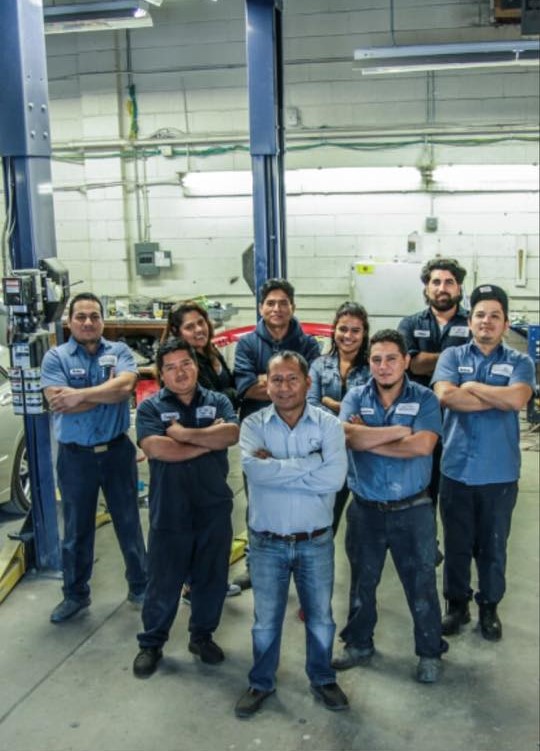
Years of Experience
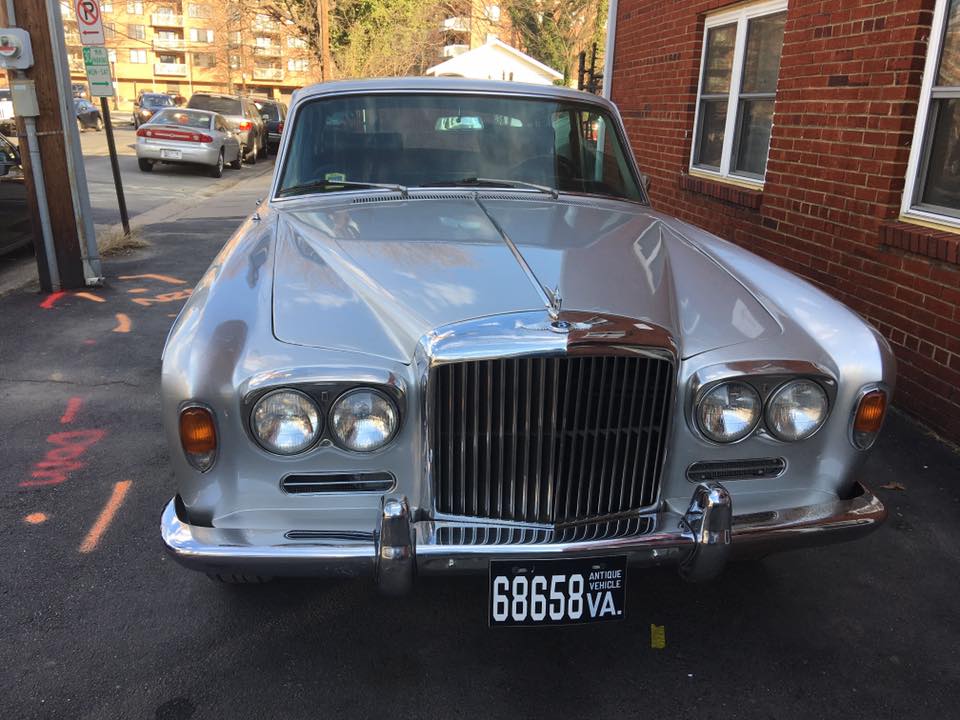
Our skilled technicians provide top-quality paint work, autobody, and general automotive repairs to keep your car looking and running like new. With expert skill and attention to detail, we ensure every job is done right the first time. Trust us for reliable service at a fair price, every time. That’s our guarantee!
Hear from our satisfied customers about our exceptional work, customer care and honest pricing here in Aquia Harbour, VA!
Posted on Google
 Ed Gray
Trustindex verifies that the original source of the review is Google.
The staff were super friendly and supportive. The work was done professionally and completed on time. I would use them again!Posted on Google Percy HuamanI brought my car to C&G because it had a mechanical issue. The car broke down at 7:30 PM, and luckily, when I called the shop, they answered right away. They sent a tow truck for me, and the next day, I got the diagnosis. The service was fast and affordable. My technician, Tam, did an excellent job with both the diagnosis and the repair. I had my car back quickly and at a great price. From now on, C&G is my shop! Tam kept me updated with texts and photos, showing me exactly what the problem was and how they fixed it. Super professional all the way. Highly recommend!Posted on Google
 Eric Cioffi
Trustindex verifies that the original source of the review is Google.
TLDR: Some initial issues with my repair but top notch customer service. Adrian is great. There were some issues with my rocker panel repair starting with delays ordering the part, and then it turned out to be the wrong part. They assured me could do the repair perfectly without the part, and I said ok hesitantly. When I picked up the car the work was not up to standard. The texture (sort of pebbled) was not uniform across the whole panel (it cut off suddenly), and where it was applied on the repaired panel it did not match the factory panel on the other side of the car. (It was rougher.) Also on that other side there was a dent I did not remember being there before. I will say that when I explained my concerns over the phone they had me bring the car back and redid the repair free of charge, as well as fix the other dent. Overall it was somewhat of a hassle but I was really impressed with the customer service, and the end result seems to be satisfactory.Posted on Google grendis cifuentesI came to this shop four different ocasión and always left happy and very satisfied, thank you for your hard work C&G Specialty.Posted on Google
 glenda floresFirst experience was a great one! Adrian and Walter were very attentive, polite, and patient. Service was provided on the same day, no appointment necessary (in my experience), and not a long duration of time either. Surely will be returning, when needed.Posted on Google
 R DThese guys are the best!Posted on Google
 Walter FrancoAlways doing fantastic work.Posted on Google
 Maria QuispeThis place is awesome! I had an issue with my car recently and they took care of it quickly and professionally. The guys are super friendly. Adrian and Sergio explained everything clearly and helped throughout the entire process. Thank you!
Experience the top-tier work and customer service that makes C&G the very best in Aquia Harbour, VA & the DMV.
From flawless auto body work to reliable repairs, we’ll restore your vehicle’s look and performance with expert care in Aquia Harbour, VA and surrounding areas!
Come to us for all of your general automotive needs, from trouble-shooting and diagnostics to regular servicing and insurance claims. C&G has you covered!
With a focus on precision paint and autobody work, our shop delivers top-quality repairs to restore your vehicle’s appearance to factory specs.
Specializing in professional auto paint services, our shop ensures a flawless finished product.
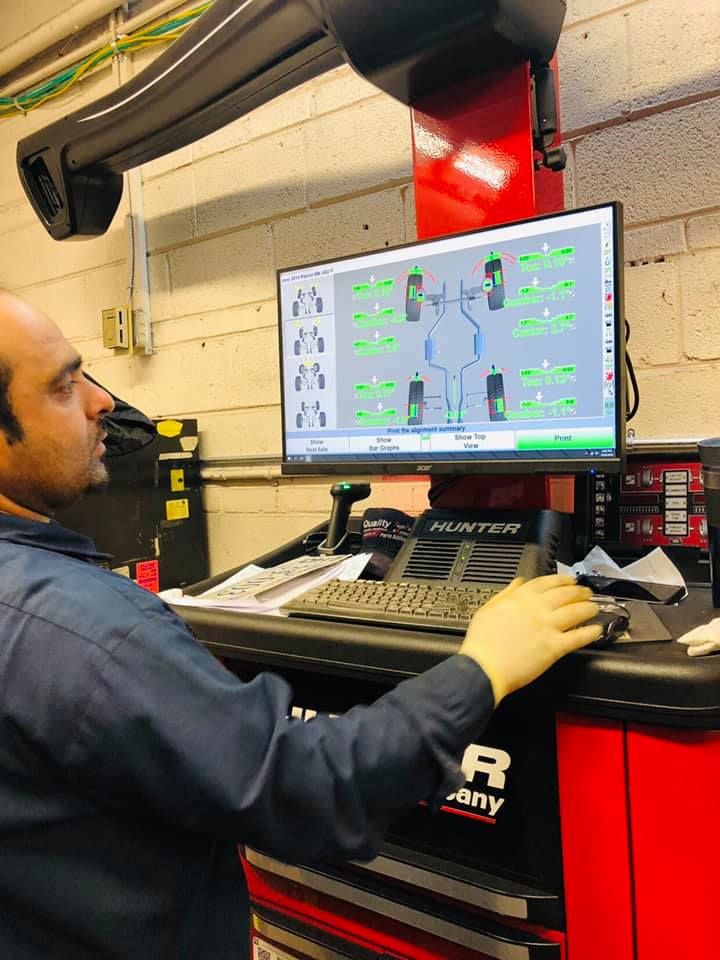
Fully equipped for wheel alignments. We are able to mount, balance & repair tires as well as provide wheel and rim repair.
We also assist with towing and rental car needs and can drop you off at your home or work if you live near by.
Our shop provides fluid servicing and expert transmission replacement to keep you shifting smoothly.
Best prices with top quality fluids and parts for your vehicle.
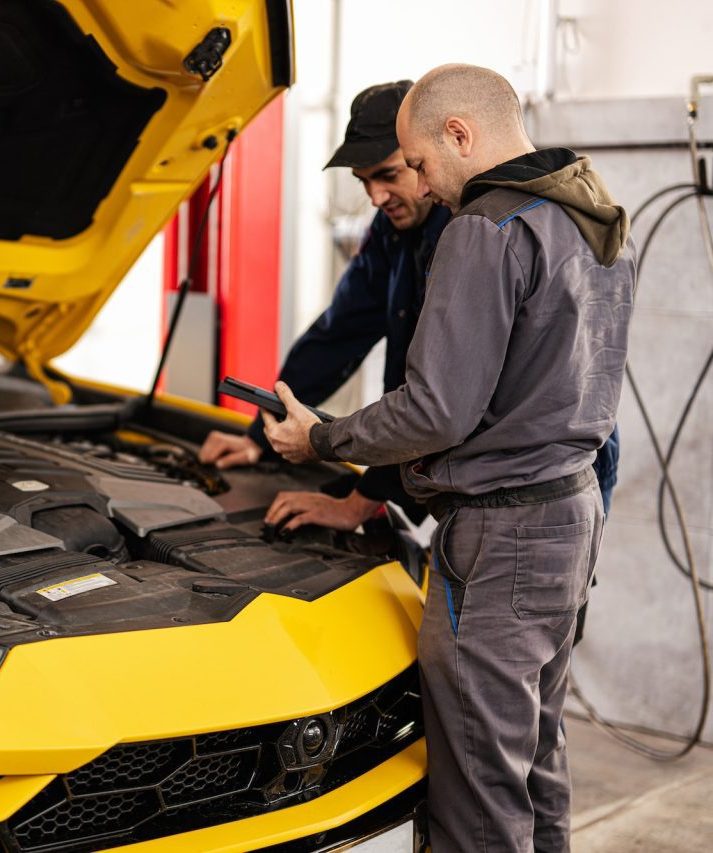
We prioritize quality and customer satisfaction in every auto body, paint, and repair service we provide in Aquia Harbour, VA!
When it comes to auto body damage, minor scratches or dents may seem like a trivial issue. However, underestimating small cosmetic damage can lead to larger problems over time, both aesthetically and mechanically. Addressing these issues early is essential for preserving the integrity of your vehicle and saving on costly repairs down the road.
A seemingly minor scratch or dent on your car’s exterior can often hide more significant structural damage underneath. Modern vehicles are designed with layers of paint, primer, and protective coatings that shield the metal body from moisture and other harmful elements.
– Rust Development: Once rust starts forming, it can spread beneath the surface paint and weaken the vehicle’s structural integrity.
– Corrosion: Over time, prolonged exposure to moisture can degrade the metal further, potentially causing safety issues.
Even surface-level scratches affect your car’s paintwork in ways you might not initially notice:
– UV Damage: Scratches remove protective coatings that prevent paint from fading due to sun exposure. This can leave your car looking uneven or discolored over time.
– Reduced Resale Value: A scratched or poorly maintained exterior decreases curb appeal, which could lower your car’s resale or trade-in value.
Some car owners choose not to report minor damage to their insurers in an effort to avoid premium increases. However, this can be short-sighted if small repairs escalate into major ones later on. Documenting and addressing even minimal issues promptly ensures you remain protected in case underlying damage worsens.
| Reason for Immediate Repair | Potential Consequences of Ignoring It |
| Prevents rust formation | Corrosion spreads rapidly once exposed |
| Maintains vehicle value | Visible flaws reduce resale/trade-in price |
| Avoids higher repair costs later | Delayed repairs may require extensive labor/materials |
| Ensures safety | Compromises in structure could impact crash safety |
Here are steps you can take if you notice small cosmetic issues on your vehicle: 1.Inspect Thoroughly: Check whether a scratch has penetrated multiple layers of paint or if there are signs of rust forming. 2.Act Immediately: Use touch-up paint kits for shallow scratches or consult a professional body shop for deeper ones. 3.Choose Reputable Repair Services: A trained technician will assess whether there’s underlying structural damage. 4.Protect Your Car Long-Term: – Regularly wash and wax your vehicle to maintain its outer protective layer. – Park in shaded areas when possible to minimize sun exposure.
Small damages might not seem urgent at first glance but addressing them promptly will save money while keeping your car safe and visually appealing over its lifespan.
When faced with minor dents or dings on your car, a tempting solution is to turn to DIY dent repair kits. These kits often promise quick, simple fixes at a fraction of the cost of professional repairs. However, while they may seem like a convenient option, they often come with hidden pitfalls that can lead to more harm than good. Let’s explore the truth behind these kits and why they might not be as effective as advertised.
Most dent repair kits found online or at auto supply stores include tools such as: – Suction cups or plungers: Designed to “pull” dents out. – Glue tabs and pullers: Adhesive-based tools meant to attach to the dent for pulling it outward. – Plastic or rubber mallets: Used for reshaping or smoothing metal surfaces.
These tools are marketed as being beginner-friendly and suitable for common types of car body damage, but their actual effectiveness varies greatly.
DIY dent repair kits rarely deliver professional-grade results.Limited Applicability: These kits typically work only on shallow dents in flat areas of the car’s body. Complex damage on curves or along panel edges is beyond their scope.Risk of Paint Damage: Improper use of adhesives or tools can strip paint from your vehicle, leaving behind unsightly marks that require additional repairs.Incomplete Repairs: While the surface may appear smoother after using a kit, structural alignment issues beneath the body panels—such as weakened metal—can go unaddressed.Time Investment: For someone without experience, using these kits can take hours and may still fail to produce satisfactory results.
There are certain scenarios where DIY dent repair kits could be worth considering: 1.Small Dents: If the damage is very shallow and located in an easily accessible area (e. g. , door panels), you may see mild improvement. 2.Non-Critical Areas: If the dent is in a less noticeable area (e. g. , lower bumper) and you’re willing to accept imperfect results.
However, even in these cases, you’d need patience and caution when following instructions.
Auto body professionals use advanced techniques like paintless dent repair (PDR), which involves specialized tools designed to gently massage out dents without damaging the paint. Professionals also have years of training and experience dealing with complex damage that cannot be fixed by amateur methods.
While DIY dent repair kits might seem like an affordable shortcut, they often fail to address underlying issues properly and can even worsen your car’s condition if used incorrectly. In most cases, opting for professional assistance ensures higher-quality results with fewer risks involved. Before attempting any fix yourself, weigh the potential cost savings against the risks—and when in doubt, consult a trusted auto body expert.
DIY dent repair kits are often marketed as an affordable and easy solution for fixing dents at home. While these kits may seem like a cost-effective alternative to professional repair, they can actually lead to more harm than good if not used correctly or in appropriate situations. Here’s a closer look at why DIY dent repair kits may not live up to the claims and what you should consider before opting for one.
Most DIY dent repair kits use one of two methods:
1.Pulling Method: A suction cup or glue-based device is attached to the dented area and pulled outward in an attempt to pop the dent back into place.
2.Pushing Method: Specialized tools are used from behind the panel to push out the dent, restoring its original shape.
While these techniques sound straightforward, their effectiveness depends on several factors, including the type of metal, size of the dent, and location on your car.
However, even under these conditions, success isn’t guaranteed without proper experience.
| Feature | Professional Repairs | DIY Dent Repair Kits |
| Tools & Equipment | Precision machinery & advanced methods | Basic tools with limited scope |
| Quality of Finish | Seamless match with existing paintwork | Risk of uneven results |
| Addressing Structural Issues | Comprehensive evaluation | Surface-level solutions only |
| Time Investment | Efficient & quick turnaround | Trial-and-error approach |
By seeking professional help upfront, you’re investing in long-term quality that minimizes risks while maintaining your vehicle’s value.
Ultimately, while fixing minor dents at home may seem appealing, it’s usually safer and more effective to trust trained professionals who can guarantee results without compromising your car’s integrity or appearance.
When it comes to auto body repair, delaying fixes for minor or major damages can have serious repercussions on your car’s value and overall condition. While it may seem tempting to put off repairs due to cost or convenience, this choice often leads to more expensive problems down the road. Here’s why addressing issues promptly matters.
Even seemingly minor damage, such as a door ding or a small paint chip, has the potential to worsen over time.
Delaying repairs will likely hurt your car’s resale or trade-in value. Potential buyers look for cars in good cosmetic and mechanical condition.
| Problem | Impact on Resale Value |
| Visible dents or scratches | Perception of neglect; lowers market appeal |
| Rusted areas | Signals long-term damage; raises red flags for buyers |
| Misaligned panels | Suggests possible deeper collision-related problems |
Beyond appearance, unresolved issues could prompt questions about how well the vehicle has been maintained overall.
By addressing damages as they occur rather than putting them off indefinitely, you’ll maintain your car’s longevity while ensuring its appearance aligns with its true value.
When it comes to paint repairs on your vehicle, many people mistakenly believe it’s purely an aesthetic issue. However, this assumption can lead to costly consequences down the road. Automotive paint is more than just a pretty finish; it plays a critical role in protecting your vehicle and maintaining its value. Below, we’ll discuss why paint repairs matter beyond appearances and how neglecting them can impact both your car’s functionality and resale potential.
Automotive paint serves two primary purposes:
1.Protection: The paint acts as a barrier against environmental elements like moisture, UV rays, road salt, and debris that can damage the metal underneath. Without this protective layer, corrosion and rust can develop quickly.
2.Aesthetic Appeal: Of course, a fresh coat of paint enhances the overall look of your vehicle, but there’s more at stake than simple aesthetics.
Not all scratches or chips require immediate professional attention; some may be addressed at home with touch-up kits depending on their severity. However, professional intervention becomes necessary for deeper scratches that expose underlying layers (like primer or bare metal) or when dealing with peeling clear coats.
| Type of Paint Damage | Repair Options | Risk If Ignored |
| Surface Scratches | DIY touch-up kit | Minimal risk |
| Deep Scratches (exposes primer/metal) | Professional repainting recommended | Rust formation possible |
| Clear Coat Peeling | Professional refinishing required | Accelerated wear & fading |
| — |
Neglecting paint repairs isn’t just about letting your car look less polished on the surface. It could cost you far more in future repairs while impacting long-term resale value and functionality. Treat even small issues seriously because maintaining your car’s exterior health ultimately supports its overall longevity—not just its looks.
In a world where information is readily available online, not all advice is created equal—especially when it comes to auto body repair. Misleading or unverifiable guidance can lead you to make poor decisions that cost both time and money. Learning how to discern credible advice from myths or misinformation is crucial for protecting your investment and ensuring the best care for your vehicle. Here’s a structured approach to fact-checking auto body repair advice effectively.
The first step in evaluating any advice is understanding where it comes from. Not all sources are reliable, and some may have biases or financial motives that influence their recommendations.
Never rely on a single source of information before making decisions about auto body repairs.
| Source Type | Reliability Level | Why It Matters |
| Certified Mechanics | High | Trained specifically in auto repair |
| Manufacturer’s Guides | High | Offers brand-specific instructions |
| Online Forums | Variable | Opinions may not be backed by facts |
Certain myths persist in the world of auto repair because they sound plausible but lack factual backing.
When you encounter such statements, trace their origins and consult professionals to verify their legitimacy.
Reputable professionals value transparency and will be willing to explain their process clearly.
Taking the time to verify the accuracy of any auto body repair advice you receive ensures better decision-making for your vehicle’s care while avoiding costly mistakes caused by misinformation.
When it comes to auto body repair, misinformation can spread quickly, leaving car owners confused or misled. To set the record straight, we’ve gathered insights from seasoned professionals in the industry who address some of the most common myths they encounter.
Professionals unanimously agree that this is one of the most prevalent misconceptions. While insurance policies often help cover auto body repair costs, there are limitations and exclusions.
Pro Tip: Always review your insurance policy in detail and ask questions before heading into a repair shop to avoid surprises.
While paintless dent repair kits are popular among DIY enthusiasts, professionals warn that these kits have serious limitations.
According to industry experts, complex dents should always be handled by trained technicians who understand how to maintain your car’s structural integrity.
Many people believe minor damage can be ignored until it’s more convenient or affordable to repair. However, professionals emphasize that delaying repairs often creates bigger problems down the road.
Industry insiders recommend addressing even small damages promptly to avoid compounding expenses and safeguarding your car’s value.
Experts frequently debunk this myth by highlighting how low-cost repairs often cut corners that compromise quality and safety.
| Low-Cost Repairs | Professional Repairs |
| May use cheaper materials like aftermarket parts | Use OEM parts designed specifically for your vehicle |
| Often skip critical steps like proper surface preparation | Adhere to manufacturer standards for long-term results |
| Limited warranties (if any) on work performed | Offer comprehensive warranties for peace of mind |
Professionals stress that while cheap repairs may save you money upfront, they often lead to more expensive problems later on.
Auto body repair experts unanimously agree that informed decisions lead to better outcomes. Whether you’re dealing with insurance claims or evaluating potential shops for a repair job, separating fact from fiction ensures optimal results for both your wallet and your vehicle’s health.