Come see the difference C&G makes. Offering expert full-service mechanical, maintenance & repair in addition to our top rated collision and paint shop.
Looking for expert auto body and paint services at competitive prices? Our shop specializes in restoring and enhancing your vehicle’s appearance while providing top-notch service, maintenance and repairs. We ensure your car not only looks great but also performs at its best!
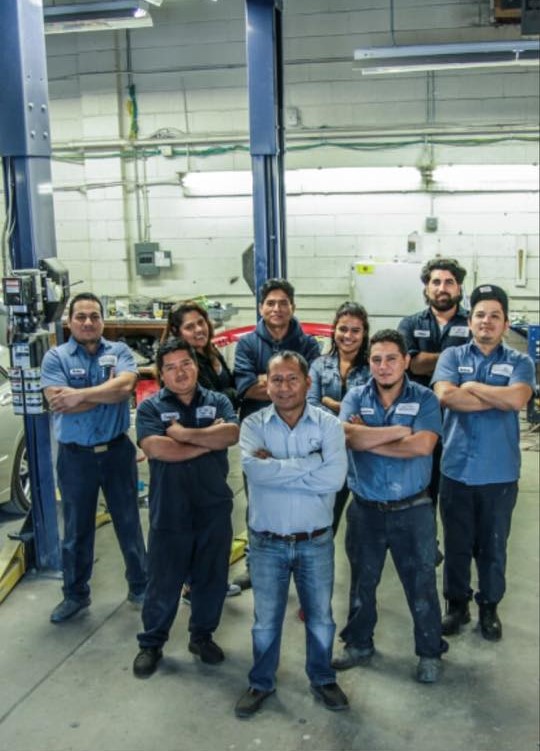
Years of Experience
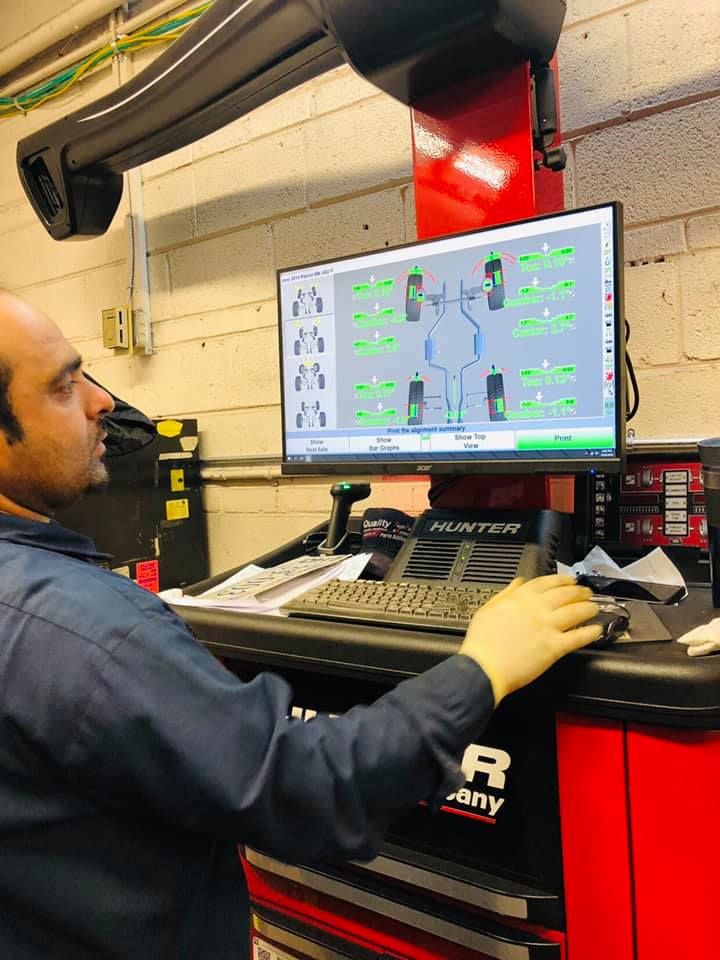
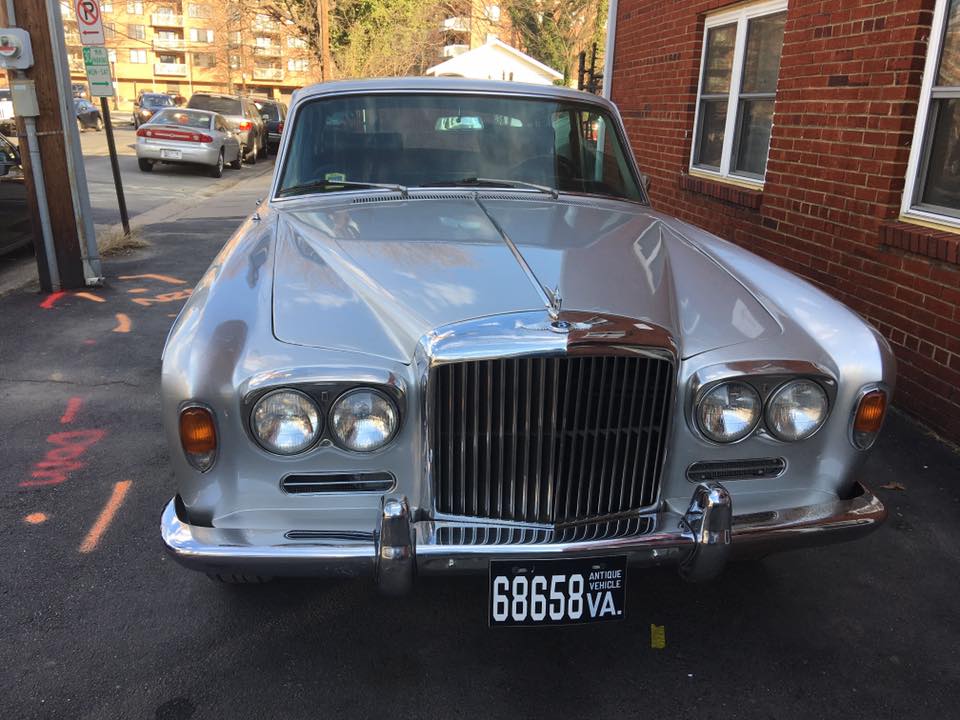
Our skilled technicians provide top-quality paint work, autobody, and general automotive repairs to keep your car looking and running like new. With expert skill and attention to detail, we ensure every job is done right the first time. Trust us for reliable service at a fair price, every time. That’s our guarantee!
Hear from our satisfied customers about our exceptional work, customer care and honest pricing here in Bethesda, MD!
Posted on Google
 Ed Gray
Trustindex verifies that the original source of the review is Google.
The staff were super friendly and supportive. The work was done professionally and completed on time. I would use them again!Posted on Google Percy HuamanI brought my car to C&G because it had a mechanical issue. The car broke down at 7:30 PM, and luckily, when I called the shop, they answered right away. They sent a tow truck for me, and the next day, I got the diagnosis. The service was fast and affordable. My technician, Tam, did an excellent job with both the diagnosis and the repair. I had my car back quickly and at a great price. From now on, C&G is my shop! Tam kept me updated with texts and photos, showing me exactly what the problem was and how they fixed it. Super professional all the way. Highly recommend!Posted on Google
 Eric Cioffi
Trustindex verifies that the original source of the review is Google.
TLDR: Some initial issues with my repair but top notch customer service. Adrian is great. There were some issues with my rocker panel repair starting with delays ordering the part, and then it turned out to be the wrong part. They assured me could do the repair perfectly without the part, and I said ok hesitantly. When I picked up the car the work was not up to standard. The texture (sort of pebbled) was not uniform across the whole panel (it cut off suddenly), and where it was applied on the repaired panel it did not match the factory panel on the other side of the car. (It was rougher.) Also on that other side there was a dent I did not remember being there before. I will say that when I explained my concerns over the phone they had me bring the car back and redid the repair free of charge, as well as fix the other dent. Overall it was somewhat of a hassle but I was really impressed with the customer service, and the end result seems to be satisfactory.Posted on Google grendis cifuentesI came to this shop four different ocasión and always left happy and very satisfied, thank you for your hard work C&G Specialty.Posted on Google
 glenda floresFirst experience was a great one! Adrian and Walter were very attentive, polite, and patient. Service was provided on the same day, no appointment necessary (in my experience), and not a long duration of time either. Surely will be returning, when needed.Posted on Google
 R DThese guys are the best!Posted on Google
 Walter FrancoAlways doing fantastic work.Posted on Google
 Maria QuispeThis place is awesome! I had an issue with my car recently and they took care of it quickly and professionally. The guys are super friendly. Adrian and Sergio explained everything clearly and helped throughout the entire process. Thank you!
Experience the top-tier work and customer service that makes C&G the very best in Bethesda, MD & the DMV.
From flawless auto body work to reliable repairs, we’ll restore your vehicle’s look and performance with expert care in Bethesda, MD and surrounding areas!
Come to us for all of your general automotive needs, from trouble-shooting and diagnostics to regular servicing and insurance claims. C&G has you covered!
With a focus on precision paint and autobody work, our shop delivers top-quality repairs to restore your vehicle’s appearance to factory specs.
Specializing in professional auto paint services, our shop ensures a flawless finished product.
Fully equipped for wheel alignments. We are able to mount, balance & repair tires as well as provide wheel and rim repair.
We also assist with towing and rental car needs and can drop you off at your home or work if you live near by.
Our shop provides fluid servicing and expert transmission replacement to keep you shifting smoothly.
Best prices with top quality fluids and parts for your vehicle.
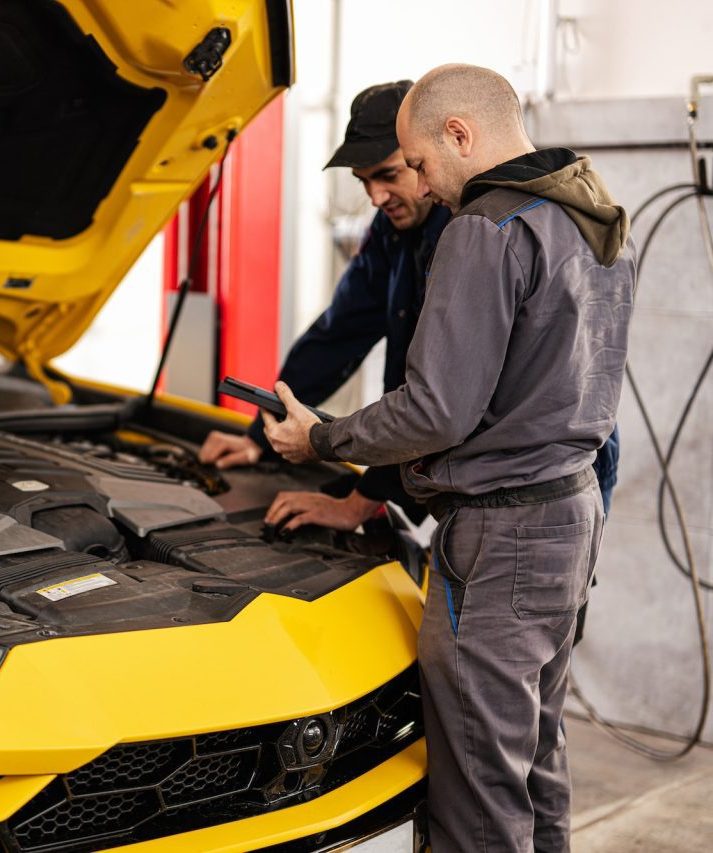
We prioritize quality and customer satisfaction in every auto body, paint, and repair service we provide in Bethesda, MD!
Auto body repair is a meticulous process that requires expertise, attention to detail, and a commitment to restoring vehicles to their original condition. Understanding the steps involved can provide vehicle owners with clarity and confidence in the repair process. Below is a comprehensive guide to the key stages involved in auto body repairs.
The first step in auto body repairs involves inspecting the vehicle for visible and hidden damages. This assessment ensures an accurate repair strategy is developed.
This stage involves restoring the vehicle’s structural integrity and functionality.
| Repair Type | Description |
| Dent Removal | Non-invasive methods like paintless dent repair where possible. |
| Frame Straightening | Specialized machinery aligns bent frames back to factory specifications. |
| Panel Replacement | Severely damaged panels are replaced entirely for safety reasons. |
Technicians ensure all repaired sections meet manufacturer standards.
This meticulous preparation ensures high-quality results during refinishing.
By understanding this step-by-step process, customers can appreciate why professional auto body work involves time and precision at every stage of repair.
The auto body repair process begins with the critical step of initial inspection and damage assessment. This phase lays the groundwork for effective repairs and ensures that no underlying issues are overlooked. A comprehensive evaluation is essential to determine the full extent of visible and hidden damages caused by collisions, environmental factors, or wear over time.
| Aspect | Importance |
| Uncover Hidden Damages | Prevents future issues like compromised safety features or mechanical failures. |
| Accurate Cost Estimates | Reduces unexpected expenses by identifying all repair needs upfront. |
| Improved Repair Quality | Ensures no area of damage goes unnoticed, leading to more precise results. |
A meticulous initial inspection not only saves time but also establishes a strong foundation for completing high-quality repairs tailored to each vehicle’s unique needs.
Repainting and refinishing are pivotal steps in the auto body repair process. These phases not only contribute to restoring the vehicle’s aesthetics but also ensure protection from environmental factors such as rust, UV rays, and moisture. Here’s a comprehensive look at how these processes are carried out effectively.
| Step | Purpose | Tools Used |
| Sanding | Smoothens surface; removes imperfections | Sandpaper or electric sanders |
| Priming | Enhances adhesion; prevents rust | Spray guns; primers |
| Base Coat | Provides color | Spray booth; professional sprayer |
| Clear Coat | Adds gloss/protection | Spray guns |
| Polishing/Buffing | Improves smoothness/gloss | Polishing compounds; buffing pads |
Repainting and refinishing go beyond aesthetics—they restore value while offering long-term protection against wear-and-tear hazards faced daily by vehicles on roads or parked outdoors. Choosing skilled professionals ensures these processes are conducted efficiently with attention to detail at every stage.
The reassembly phase is a critical step in the auto body repair process. After all repairs, replacements, and refinishing tasks are completed, the vehicle is carefully put back together. This stage ensures not only that your car looks as good as new but also that it functions seamlessly, meeting safety and performance standards.
| Tool | Purpose |
| Torque Wrench | Ensures bolts/nuts are tightened correctly |
| Panel Alignment Tools | Maintains even spacing between body panels |
| Diagnostic Scanner | Verifies electronic system functionality |
| Polishing Machine | Refines painted areas for a smooth finish |
After this meticulous process has been completed successfully, your car is ready to hit the road again with its form and function beautifully restored!
A thorough quality check is a critical step in the auto body repair process. It ensures that every repair has been completed to the highest standard and that your vehicle is safe, functional, and aesthetically restored. Let’s explore the elements of a reliable quality check process and how it guarantees excellence in auto body repairs.
| Aspect | Standard Description |
| Paint Matching | Color should match OEM specifications perfectly |
| Panel Alignment | Panels should align symmetrically with no gaps |
| Structural Durability | Repairs must meet safety compliance regulations |
| Electrical Functionality | All systems impacted during repair must operate flawlessly |
By employing these tools alongside skilled technicians’ expertise, shops can deliver reliable results consistently.
Focusing on quality checks not only guarantees compliance with industry standards but also reinforces trust between customers and repair professionals. This step ensures that vehicles leave the shop fully functional, visually appealing, and safe for everyday use.