Come see the difference C&G makes. Offering expert full-service mechanical, maintenance & repair in addition to our top rated collision and paint shop.
Looking for expert auto body and paint services at competitive prices? Our shop specializes in restoring and enhancing your vehicle’s appearance while providing top-notch service, maintenance and repairs. We ensure your car not only looks great but also performs at its best!
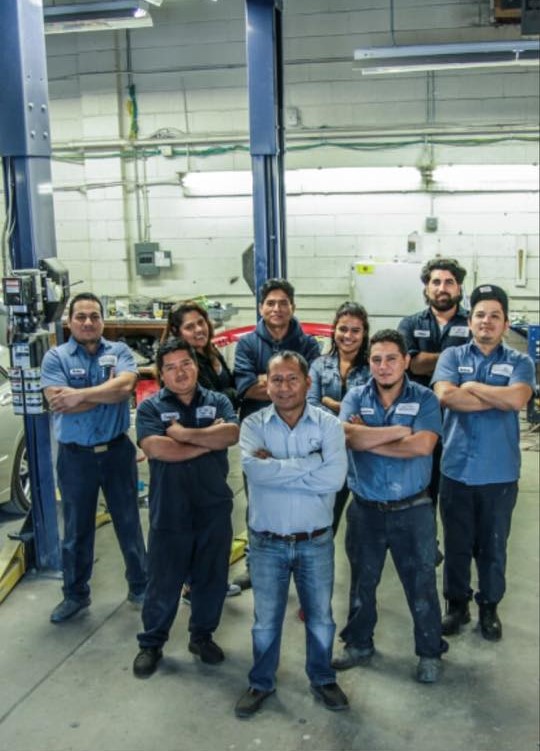
Years of Experience
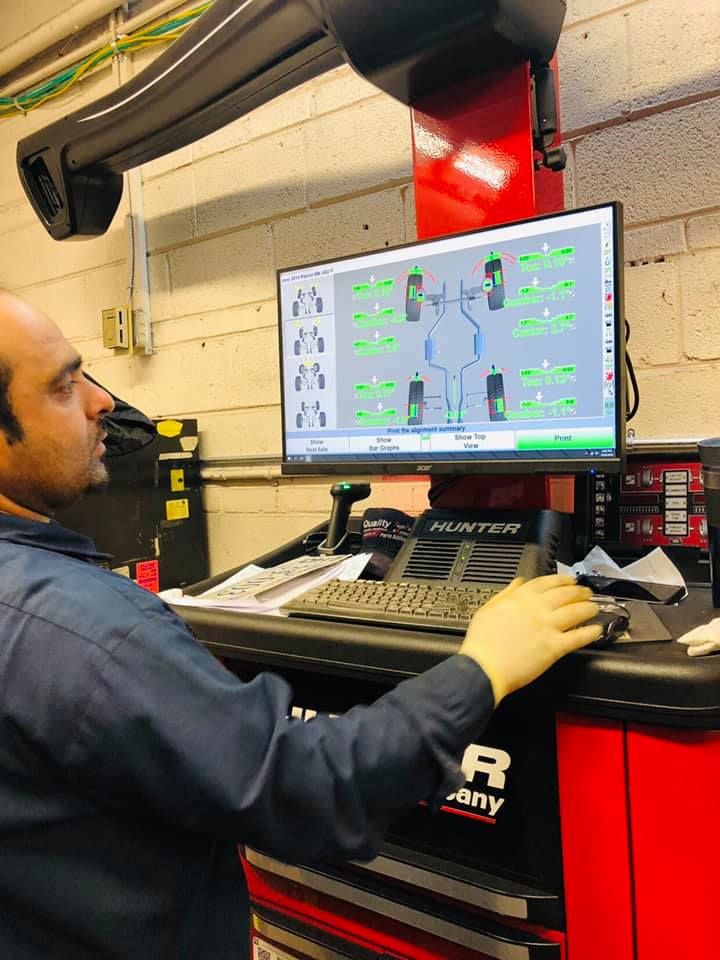
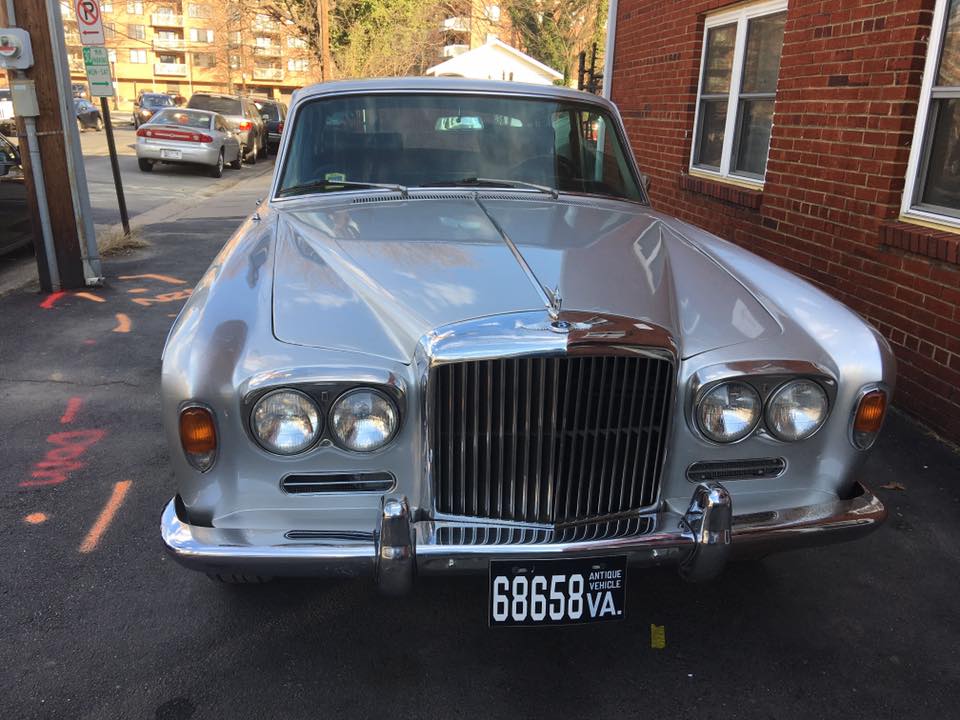
Our skilled technicians provide top-quality paint work, autobody, and general automotive repairs to keep your car looking and running like new. With expert skill and attention to detail, we ensure every job is done right the first time. Trust us for reliable service at a fair price, every time. That’s our guarantee!
Hear from our satisfied customers about our exceptional work, customer care and honest pricing here in Catonsville, MD!
Posted on Google
 Ed Gray
Trustindex verifies that the original source of the review is Google.
The staff were super friendly and supportive. The work was done professionally and completed on time. I would use them again!Posted on Google Percy HuamanI brought my car to C&G because it had a mechanical issue. The car broke down at 7:30 PM, and luckily, when I called the shop, they answered right away. They sent a tow truck for me, and the next day, I got the diagnosis. The service was fast and affordable. My technician, Tam, did an excellent job with both the diagnosis and the repair. I had my car back quickly and at a great price. From now on, C&G is my shop! Tam kept me updated with texts and photos, showing me exactly what the problem was and how they fixed it. Super professional all the way. Highly recommend!Posted on Google
 Eric Cioffi
Trustindex verifies that the original source of the review is Google.
TLDR: Some initial issues with my repair but top notch customer service. Adrian is great. There were some issues with my rocker panel repair starting with delays ordering the part, and then it turned out to be the wrong part. They assured me could do the repair perfectly without the part, and I said ok hesitantly. When I picked up the car the work was not up to standard. The texture (sort of pebbled) was not uniform across the whole panel (it cut off suddenly), and where it was applied on the repaired panel it did not match the factory panel on the other side of the car. (It was rougher.) Also on that other side there was a dent I did not remember being there before. I will say that when I explained my concerns over the phone they had me bring the car back and redid the repair free of charge, as well as fix the other dent. Overall it was somewhat of a hassle but I was really impressed with the customer service, and the end result seems to be satisfactory.Posted on Google grendis cifuentesI came to this shop four different ocasión and always left happy and very satisfied, thank you for your hard work C&G Specialty.Posted on Google
 glenda floresFirst experience was a great one! Adrian and Walter were very attentive, polite, and patient. Service was provided on the same day, no appointment necessary (in my experience), and not a long duration of time either. Surely will be returning, when needed.Posted on Google
 R DThese guys are the best!Posted on Google
 Walter FrancoAlways doing fantastic work.Posted on Google
 Maria QuispeThis place is awesome! I had an issue with my car recently and they took care of it quickly and professionally. The guys are super friendly. Adrian and Sergio explained everything clearly and helped throughout the entire process. Thank you!
Experience the top-tier work and customer service that makes C&G the very best in Catonsville, MD & the DMV.
From flawless auto body work to reliable repairs, we’ll restore your vehicle’s look and performance with expert care in Catonsville, MD and surrounding areas!
Come to us for all of your general automotive needs, from trouble-shooting and diagnostics to regular servicing and insurance claims. C&G has you covered!
With a focus on precision paint and autobody work, our shop delivers top-quality repairs to restore your vehicle’s appearance to factory specs.
Specializing in professional auto paint services, our shop ensures a flawless finished product.
Fully equipped for wheel alignments. We are able to mount, balance & repair tires as well as provide wheel and rim repair.
We also assist with towing and rental car needs and can drop you off at your home or work if you live near by.
Our shop provides fluid servicing and expert transmission replacement to keep you shifting smoothly.
Best prices with top quality fluids and parts for your vehicle.
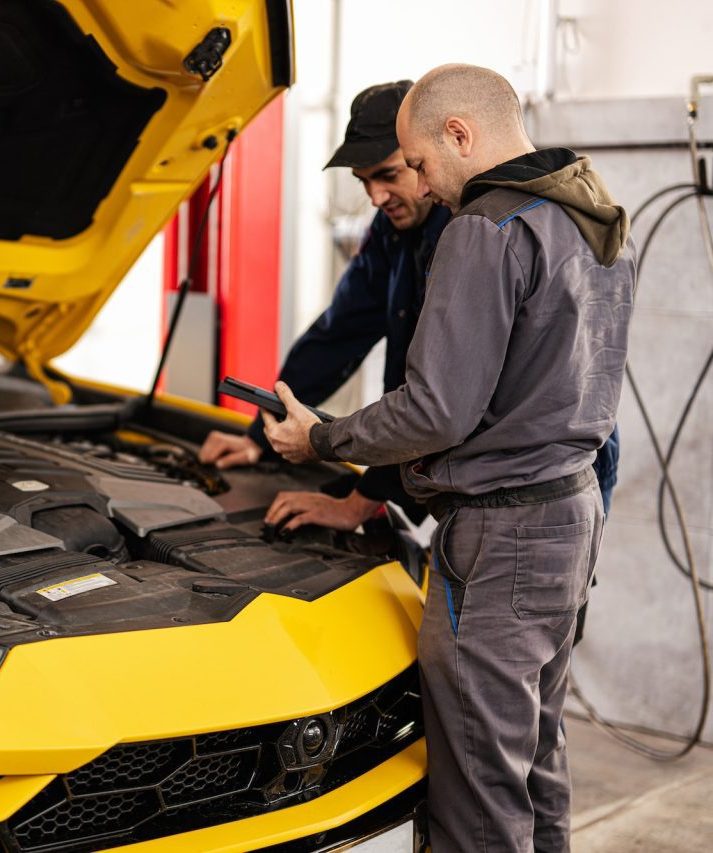
We prioritize quality and customer satisfaction in every auto body, paint, and repair service we provide in Catonsville, MD!
In the fast-paced auto body repair industry, achieving efficiency while maintaining professional results is key to customer satisfaction and business growth. Streamlining workflows, adopting the right tools and techniques, and fostering a culture of continuous improvement are essential components of a successful operation. Below, we outline crucial procedures and tips for boosting shop efficiency.
| Tool/Equipment | Benefit |
| Frame Alignment Machine | Restores structural integrity accurately |
| Paint Booth | Achieves flawless refinishing |
| Aluminum Dent Puller | Specialized tool for lightweight materials |
| UV-Cured Paint Systems | Drastically reduces drying time |
By addressing these critical factors systematically, auto body shops can boost both their operational efficiencies and reputation for delivering professional-grade results every time.
Restoring structural and frame integrity after a collision is one of the most critical aspects of auto body repair. A vehicle’s frame serves as the backbone, providing structural support, ensuring safety, and maintaining proper alignment and performance. Below is a detailed overview of essential techniques and best practices to restore vehicle integrity effectively.
| Tool/Equipment | Purpose | Common Brands/Examples |
| Frame Straightening Machine | Aligns bent frames using hydraulic power | Chief Automotive, Car-O-Liner |
| Laser Measuring Systems | Determines precise measurements | Spanesi Touch, Snap-On |
| MIG Welder | Fixes cracks in metal surfaces | Lincoln Electric, Miller |
| Tram Gauge | Verifies panel alignment | Mo-Clamp |
Restoring vehicle integrity through structural repairs requires precision work combined with advanced technical knowledge and specialized tools. Adhering strictly to industry standards ensures both safety and professional results while maintaining operational efficiency within an autobody shop environment.
Structural and frame repair is one of the most critical aspects of auto body work. When a vehicle sustains damage in an accident, restoring its structural integrity not only ensures safety but also preserves the vehicle’s long-term performance and value. Below, we dive into essential techniques, tools, and best practices for structural and frame repairs.
| Tool/Equipment | Purpose | Importance |
| Alignment Machines | Straightens frames | Ensures precise alignment |
| MIG/Spot Welders | Repairs/replaces damaged metal | Keeps structural integrity |
| Measuring Systems | Measures deviations from specs | Maintains safety compliance |
By adhering carefully to these techniques and best practices, auto body professionals can restore vehicles effectively while upholding safety standards that protect drivers on the road.
Achieving a flawless exterior finish in auto body repairs requires attention to detail, the right tools, and a structured approach. Below are the essential steps for painting, refinishing, and perfecting a vehicle’s exterior to ensure professional results.
| Primer Type | Best For | Benefits |
| Etch Primer | Bare Metal | Corrosion resistance |
| Urethane Primer | General Usage | Excellent adhesion |
| Epoxy Primer | High-Rust Applications | Superior durability |
Proper execution of these steps can transform any damaged exterior into a showroom-quality finish while maintaining customer satisfaction levels consistently high within your auto body shop operations.
Electric vehicles (EVs) are becoming increasingly popular due to their environmental benefits and advancements in technology. However, repairing an EV after a collision requires specialized knowledge and procedures to ensure safety and efficiency. Below are the key considerations when handling electric vehicle collision repairs.
| Tool/Equipment | Purpose |
| High-voltage insulation mat | Provides a safe workspace when working on HV systems |
| Insulated torque wrenches | Ensures no electrical interference during tightening operations |
| Diagnostic scan tools | Identifies errors or faults in electric systems |
| Thermal imaging camera | Detects issues like overheating in damaged batteries |
By addressing these challenges proactively, auto body shops can ensure efficient workflows while meeting safety standards.
Understanding these considerations allows auto repair shops to handle electric vehicle collision repairs securely while delivering professional results that meet both customer expectations and industry standards.