Come see the difference C&G makes. Offering expert full-service mechanical, maintenance & repair in addition to our top rated collision and paint shop.
Looking for expert auto body and paint services at competitive prices? Our shop specializes in restoring and enhancing your vehicle’s appearance while providing top-notch service, maintenance and repairs. We ensure your car not only looks great but also performs at its best!
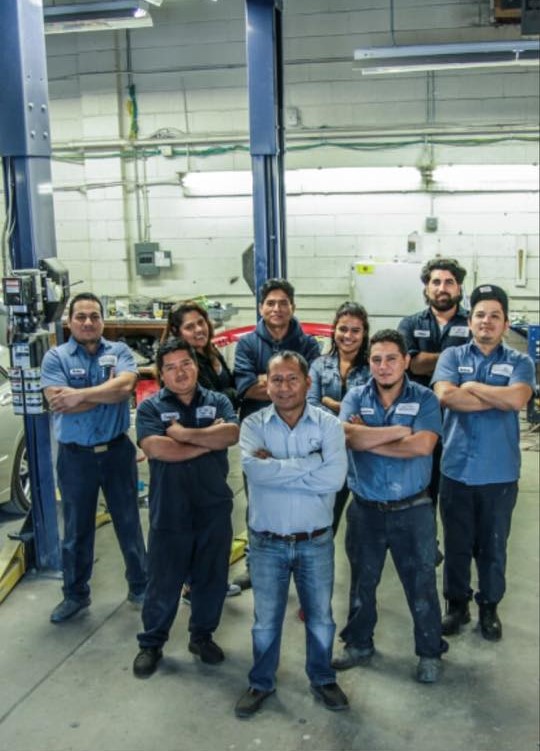
Years of Experience
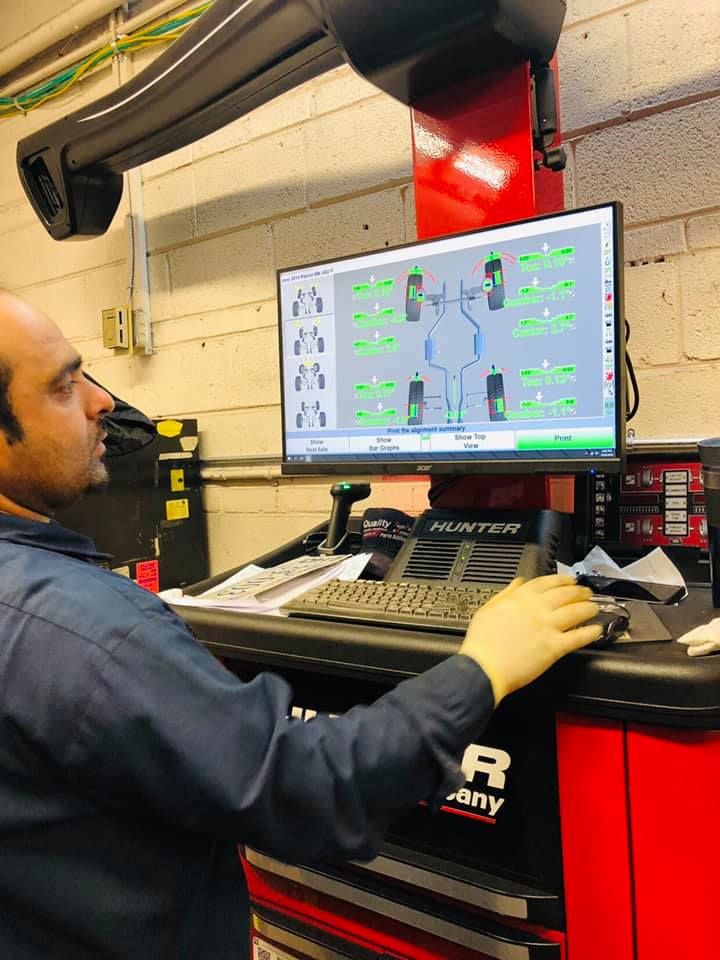
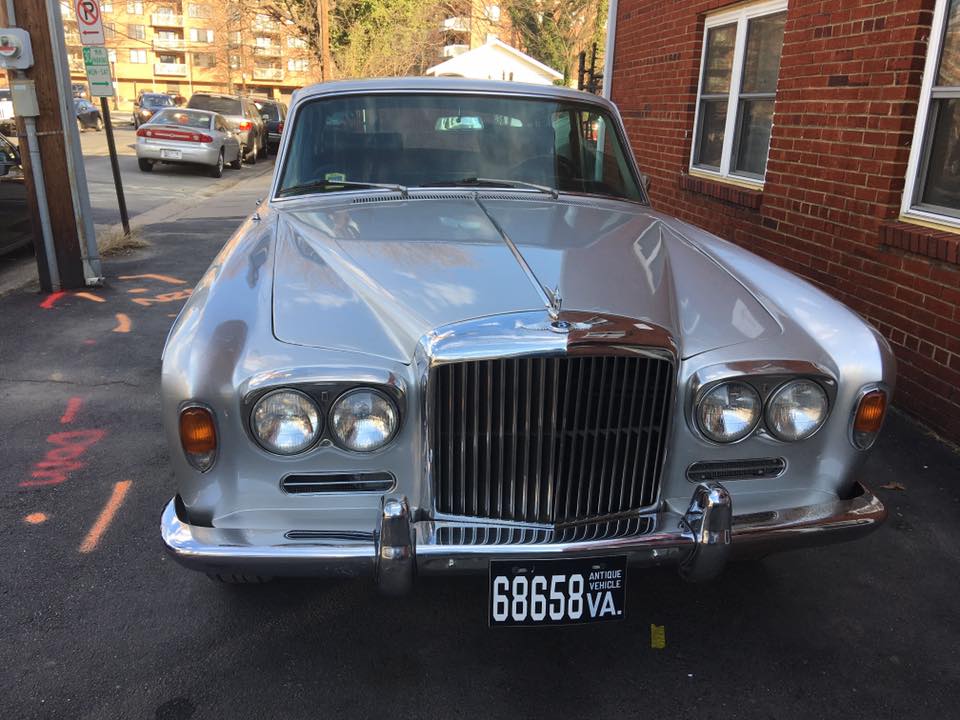
Our skilled technicians provide top-quality paint work, autobody, and general automotive repairs to keep your car looking and running like new. With expert skill and attention to detail, we ensure every job is done right the first time. Trust us for reliable service at a fair price, every time. That’s our guarantee!
Hear from our satisfied customers about our exceptional work, customer care and honest pricing here in Crofton, MD!
Posted on GoogleTrustindex verifies that the original source of the review is Google. The staff were super friendly and supportive. The work was done professionally and completed on time. I would use them again!Posted on GoogleTrustindex verifies that the original source of the review is Google. I brought my car to C&G because it had a mechanical issue. The car broke down at 7:30 PM, and luckily, when I called the shop, they answered right away. They sent a tow truck for me, and the next day, I got the diagnosis. The service was fast and affordable. My technician, Tam, did an excellent job with both the diagnosis and the repair. I had my car back quickly and at a great price. From now on, C&G is my shop! Tam kept me updated with texts and photos, showing me exactly what the problem was and how they fixed it. Super professional all the way. Highly recommend!Posted on GoogleTrustindex verifies that the original source of the review is Google. TLDR: Some initial issues with my repair but top notch customer service. Adrian is great. There were some issues with my rocker panel repair starting with delays ordering the part, and then it turned out to be the wrong part. They assured me could do the repair perfectly without the part, and I said ok hesitantly. When I picked up the car the work was not up to standard. The texture (sort of pebbled) was not uniform across the whole panel (it cut off suddenly), and where it was applied on the repaired panel it did not match the factory panel on the other side of the car. (It was rougher.) Also on that other side there was a dent I did not remember being there before. I will say that when I explained my concerns over the phone they had me bring the car back and redid the repair free of charge, as well as fix the other dent. Overall it was somewhat of a hassle but I was really impressed with the customer service, and the end result seems to be satisfactory.Posted on GoogleTrustindex verifies that the original source of the review is Google. I came to this shop four different ocasión and always left happy and very satisfied, thank you for your hard work C&G Specialty.Posted on GoogleTrustindex verifies that the original source of the review is Google. First experience was a great one! Adrian and Walter were very attentive, polite, and patient. Service was provided on the same day, no appointment necessary (in my experience), and not a long duration of time either. Surely will be returning, when needed.Posted on GoogleTrustindex verifies that the original source of the review is Google. These guys are the best!Posted on GoogleTrustindex verifies that the original source of the review is Google. Always doing fantastic work.Posted on GoogleTrustindex verifies that the original source of the review is Google. This place is awesome! I had an issue with my car recently and they took care of it quickly and professionally. The guys are super friendly. Adrian and Sergio explained everything clearly and helped throughout the entire process. Thank you!
Experience the top-tier work and customer service that makes C&G the very best in Crofton, MD & the DMV.
From flawless auto body work to reliable repairs, we’ll restore your vehicle’s look and performance with expert care in Crofton, MD and surrounding areas!
Come to us for all of your general automotive needs, from trouble-shooting and diagnostics to regular servicing and insurance claims. C&G has you covered!
With a focus on precision paint and autobody work, our shop delivers top-quality repairs to restore your vehicle’s appearance to factory specs.
Specializing in professional auto paint services, our shop ensures a flawless finished product.
Fully equipped for wheel alignments. We are able to mount, balance & repair tires as well as provide wheel and rim repair.
We also assist with towing and rental car needs and can drop you off at your home or work if you live near by.
Our shop provides fluid servicing and expert transmission replacement to keep you shifting smoothly.
Best prices with top quality fluids and parts for your vehicle.
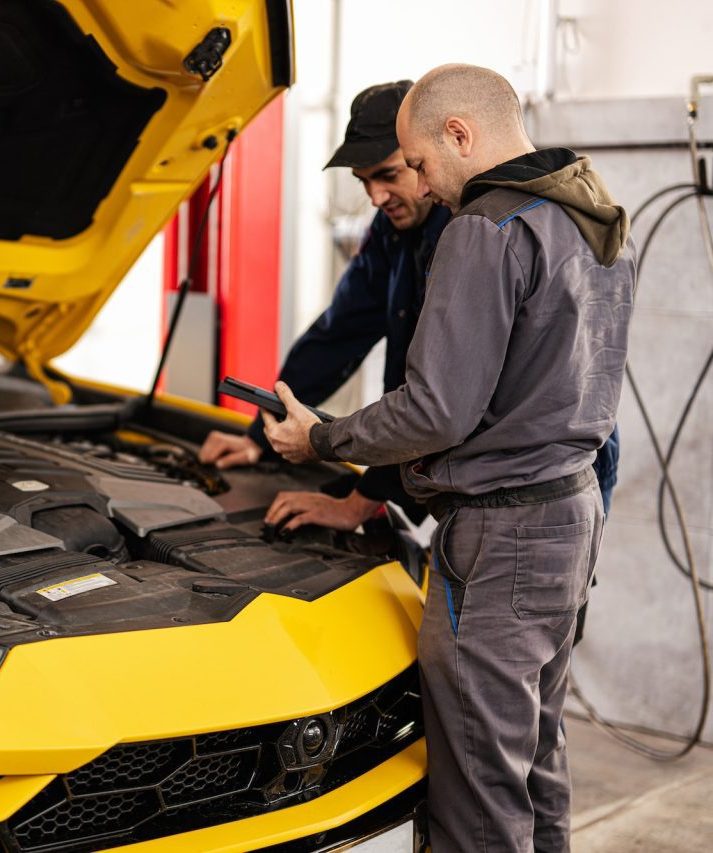
We prioritize quality and customer satisfaction in every auto body, paint, and repair service we provide in Crofton, MD!
Auto body repair is often associated with fixing dents and scratches, but it encompasses much more than that. It is a specialized field focused on restoring a vehicle’s structural integrity, aesthetics, and safety after an accident or damage. Whether it’s repairing a crumpled fender or replacing entire panels, auto body repair plays a critical role in preserving your car’s functionality and value.
Auto body repair involves several components beyond surface-level fixes. Here are some key areas it covers: – Structural Repairs
A car’s frame acts as the skeleton of the vehicle. If the frame is compromised due to a collision, it must be repaired or realigned to ensure proper handling and safety.
Understanding when you may need auto body services can help you act quickly to avoid further damage: – Accidents or Collisions: Even minor fender benders can cause hidden structural issues. – Hail Damage: Severe weather can leave behind dents on your roof, hood, or trunk. – Rust Issues: Once rust starts forming on exposed metal parts of your car, it can spread quickly if left untreated. – Everyday Wear and Tear: Scratches from parking lot mishaps or paint fading due to UV exposure also require attention over time.
Modern auto body shops utilize advanced tools and techniques designed for efficient repairs: | Tool/Technique | Purpose | |—————————|———————————————–| | Frame Alignment Machine | Realigns damaged frames back to factory specs | | Paint Booths | Provides controlled environments for painting | | PDR (Paintless Dent Repair)| Removes minor dents without affecting paint | | MIG Welders | Used for welding damaged metal panels |
In addition to these tools, skilled technicians rely heavily on their training to get precise results. Each task demands attention to detail and experience in working with different materials such as aluminum, steel, plastic composites, or fiberglass.
The importance of quality auto body work goes beyond aesthetics: 1. Safety Restoration: A structurally compromised car may not perform well in future accidents. 2. Protect Vehicle Value: High-quality repairs help maintain resale value. 3. Rust Prevention: Promptly addressing paint damage prevents corrosion from spreading further. 4. Insurance Compliance: Most insurance claims related to accidents require professional documentation of repairs performed by certified technicians.
By understanding the full scope of auto body repair services available today—including its technical complexity—you’ll be better equipped as a car owner to make informed decisions about maintaining your vehicle’s longevity and performance.
Auto body repair primarily addresses the external structure and appearance of your vehicle. This involves fixing damage caused by accidents, wear-and-tear, or environmental factors. Key services include:
The goal of auto body repair is to ensure that your vehicle looks as good as it did before the damage occurred while also meeting safety standards on structural repairs.
Mechanical repairs deal with the internal components that keep your vehicle running smoothly. These repairs focus on functionality rather than appearance and can affect performance or safety if not addressed promptly. Examples include:
While mechanical repairs improve how a car operates internally, they don’t usually involve the outward appearance of your vehicle.
| Feature | Auto Body Repair | Mechanical Repair |
| Focus | Exterior structure & visual restoration | Internal systems & performance |
| Common Services | Dent removal, painting, panel replacement | Engine tuning, transmission fixes |
| Tools Used | Sanders, welding equipment | Diagnostic scanners, torque wrenches |
| Performed After Accidents? | Yes | Sometimes (if internal damage exists) |
By distinguishing between these two areas of expertise upfront, you save time and money while ensuring proper care for every part of your vehicle.
When your car is involved in a collision, the repair process can seem overwhelming or unclear. Understanding the step-by-step breakdown of what typically happens at an auto body shop can help you feel more confident and informed. Below is a detailed guide to the collision repair process, from initial inspection to the final touch-ups.
Damage to a vehicle’s frame or structural components is addressed using advanced tools like frame straightening machines or computerized measuring systems. Steps include: – Restoring the frame back to factory specifications for safety and alignment. – Welding or replacing structural elements if necessary.
Example Table of Structural vs Cosmetic Repairs:
| Type | Examples | Tools Used |
| Structural Repairs | Frame straightening, welding | Computerized alignment systems, welders |
| Cosmetic Repairs | Dent removal, paintwork | Sanding tools, spray guns |
This phase focuses on repairing cosmetic damage such as dents, scratches, or misaligned panels. Techniques include: – Filling dents with body filler – Sanding surfaces for smoothness – Replacing severely damaged panels if repair isn’t feasible
A critical step in restoring your car’s look is matching its original color. Processes involved: – Prepping repaired surfaces by sanding and priming them. – Mixing paint using color-matching technology to replicate factory finishes accurately. – Applying multiple layers of paint followed by clear coat for protection.
For reference on how shops ensure consistency: – Digital color scanners match formulas precisely. – Spray booths maintain controlled environments free from dust or debris.
Once repairs are complete: – Technicians reinstall all disassembled components such as headlights, trims, mirrors, etc. – Attention is paid to details like proper panel alignment and secure fittings.
Before returning your vehicle: – A thorough inspection ensures repairs meet industry standards for safety and aesthetics. – Shops test functionality (e.g., lights, sensors) to confirm everything operates as intended.
After passing inspection: – Your car is washed and cleaned inside-out so it looks brand new upon pickup. – Technicians often walk you through the completed repairs to address any questions before handing over your keys.
By understanding this structured process step-by-step, car owners can better navigate what happens behind the scenes at an auto body shop after a collision occurs.
One of the most critical aspects of auto body repair involves paint matching and refinishing. After a collision or damage to your vehicle, ensuring that the repaired area seamlessly matches the rest of your car is essential for both aesthetics and resale value. This process goes beyond simply applying paint; it combines advanced technology, skilled craftsmanship, and attention to detail to achieve that flawless factory finish.
A car’s paint is made up of multiple layers, including primer, base coat, and clear coat. Achieving a seamless match requires replicating not only the color but also the texture, gloss level, and finish quality. Without proper blending or matching techniques, even a minor paint difference can stand out dramatically.
Key factors that contribute to successful paint matching: – Paint Code Identification: Every vehicle has a unique factory-assigned paint code found on a label inside the car (commonly in the door jamb). This code provides technicians with precise information about your car’s original color. – Color Variations: Even within a specific paint code, there can be slight variations caused by factors such as production location or environmental conditions during manufacturing. Professional technicians account for these nuances. – Lighting Conditions: Light affects how color appears; this is why shops often use color-matching lights or natural daylight to ensure accuracy.
Modern auto body shops use cutting-edge tools for precision: – Spectrophotometers: Handheld devices used to analyze your car’s current color under different lighting conditions. – Paint Mixing Systems: Computerized systems automatically generate formulas based on spectrophotometer readings. – Spray Booths: Enclosed environments ensure dust-free application while controlling temperature and humidity levels during painting.
When assessing a recently painted vehicle—or choosing an auto body shop—keep an eye out for these warning signs: – Mismatched panels with noticeable color differences under sunlight or fluorescent lighting. – Overspray on windows or trim pieces due to lack of masking during painting. – Uneven surfaces caused by inadequate sanding before final coating.
By understanding how expert refinishing processes work—and why attention to detail matters—you’ll know what separates professional-grade results from subpar jobs when repairing your car’s exterior appearance.
Choosing the right auto body shop is a critical decision that can impact the safety, appearance, and value of your vehicle. Not all repair shops are created equal, and knowing what to look for can save time, money, and headaches down the road. Below are some key indicators of a quality auto body shop to help you make an informed decision.
A well-kept shop reflects professionalism and attention to detail: – Is the waiting area clean and welcoming? – Are tools and equipment organized rather than scattered around? – Does the facility appear well-managed overall?
A reputable shop will provide clear, written estimates that break down: – Parts needed for repair (OEM or aftermarket options) – Labor costs – Additional fees or charges
Request an explanation if anything seems unclear or vague.
Trustworthy shops stand behind their work. Ask about: – Repair Warranties: A good shop typically offers warranties ranging from one year to a lifetime, depending on the repair type. – Paint Warranties: High-quality paint jobs often come with guarantees against peeling or fading.
Modern cars require advanced tools for accurate repairs. Signs of an up-to-date shop include: – Computerized frame measuring systems for structural repairs. – Paint booths that ensure proper curing in controlled environments. – Scanning tools capable of diagnosing electronic systems post-repair.
Take time to research reviews from previous customers: – Check Google Reviews, Yelp, or Better Business Bureau ratings. – Look out for recurring positive comments regarding customer service, timeliness, and quality of work.
Additionally: – Ask friends or family members about their experiences with local shops.
The best shops keep you informed throughout the process: – They provide regular updates on repair progress via phone calls, emails, or text messages. – They explain technical details in layman’s terms without being condescending.
| Features | What It Indicates |
| Clean Facility | Professionalism |
| Written Estimates | Transparency |
| Certified Staff | High Standards & Expertise |
| Repair Warranties | Confidence in Workmanship |
By considering these factors before booking an appointment at any auto body shop, you can rest assured that your car will be repaired safely and professionally while ensuring long-term satisfaction.
Finding a reliable auto body shop can make all the difference when it comes to restoring your vehicle after an accident or damage. Not all shops are created equal, and identifying a quality repair facility requires paying attention to specific details. Below are key aspects to consider before committing to an auto body shop.
The expertise of technicians is crucial to receiving safe and high-quality repairs. A reputable auto body shop will often display credentials and certifications that demonstrate their skills and commitment to professional standards.
The state of a shop’s facilities can give you insight into how well they manage their work processes. While minor clutter is common in busy environments, a professional auto body shop should be reasonably clean and organized.
Look for these signs:
– Clearly designated areas for repair, painting, or parts storage. – Minimal dust or debris in places where paintwork is performed (cleanliness affects paint results).
– Adequate lighting throughout the workspace for precision repairs.
A trustworthy shop provides detailed estimates that break down costs clearly. This transparency allows you to understand exactly what you’re paying for without hidden fees.
Elements of a quality estimate include:
– Labor charges per hour.
– Line-item costs for parts versus labor.
– An explanation of any optional repairs or upgrades.
High-quality shops stand behind their work by offering warranties on parts and labor. Before booking, ask about their warranty terms, which often indicate confidence in the durability of their services.
Questions you might ask include:
1. How long does your warranty last? (e.g., one year, lifetime coverage)
2. Does it cover both parts replaced and workmanship?
Online reviews on platforms like Google or Yelp can provide real-world feedback about others’ experiences with the shop. However, don’t just rely on star ratings—dig into detailed reviews to look for patterns related to communication, timeliness, quality of work, and customer service.
Consider asking local friends or family members if they have personal recommendations as well—they may have firsthand knowledge of excellent shops nearby.
Modern vehicles often require advanced tools for proper repair due to complex materials (like aluminum panels) or electronic systems involved in crash sensors and cameras. Top-tier shops invest heavily in up-to-date equipment such as computerized frame straightening machines or high-tech paint booths.
Ask if the shop has technology that matches your vehicle’s needs: – Do they use OEM (Original Equipment Manufacturer) replacement parts? – Can they calibrate sensors such as ADAS (Advanced Driver Assistance Systems)?
A great auto body shop values clear communication with its customers throughout the repair process. Pay attention during your initial interactions—are they willing to answer your questions patiently? Do they provide regular updates about progress once you’ve dropped off your car?
Look out for these signs: – Friendly yet professional staff who explain technical details without overwhelming jargon. – Regular status updates via phone calls, texts, or emails.
By taking the time to evaluate these factors before booking a service appointment at an auto body shop, you can ensure that both your vehicle’s safety features and aesthetics will be restored professionally after damage occurs.