Come see the difference C&G makes. Offering expert full-service mechanical, maintenance & repair in addition to our top rated collision and paint shop.
Looking for expert auto body and paint services at competitive prices? Our shop specializes in restoring and enhancing your vehicle’s appearance while providing top-notch service, maintenance and repairs. We ensure your car not only looks great but also performs at its best!
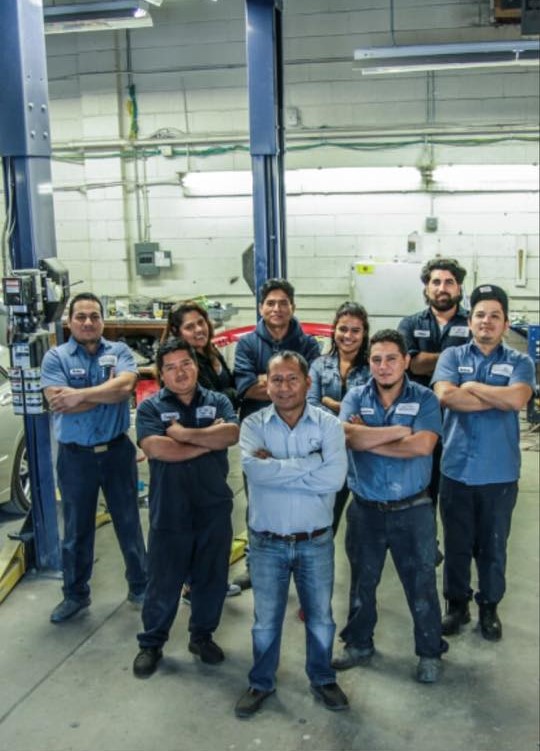
Years of Experience
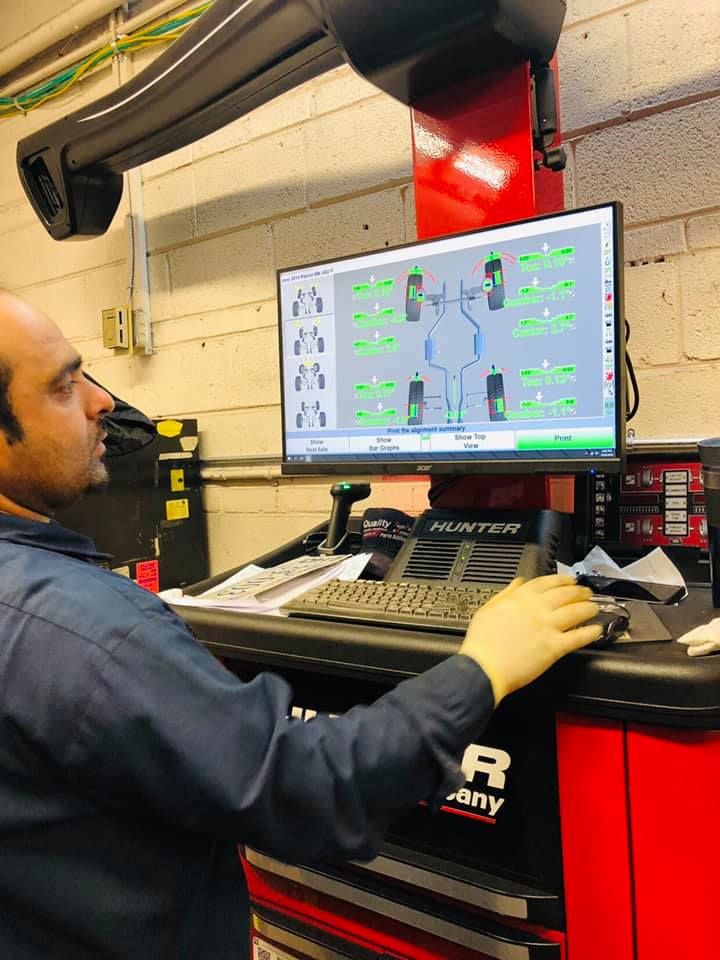
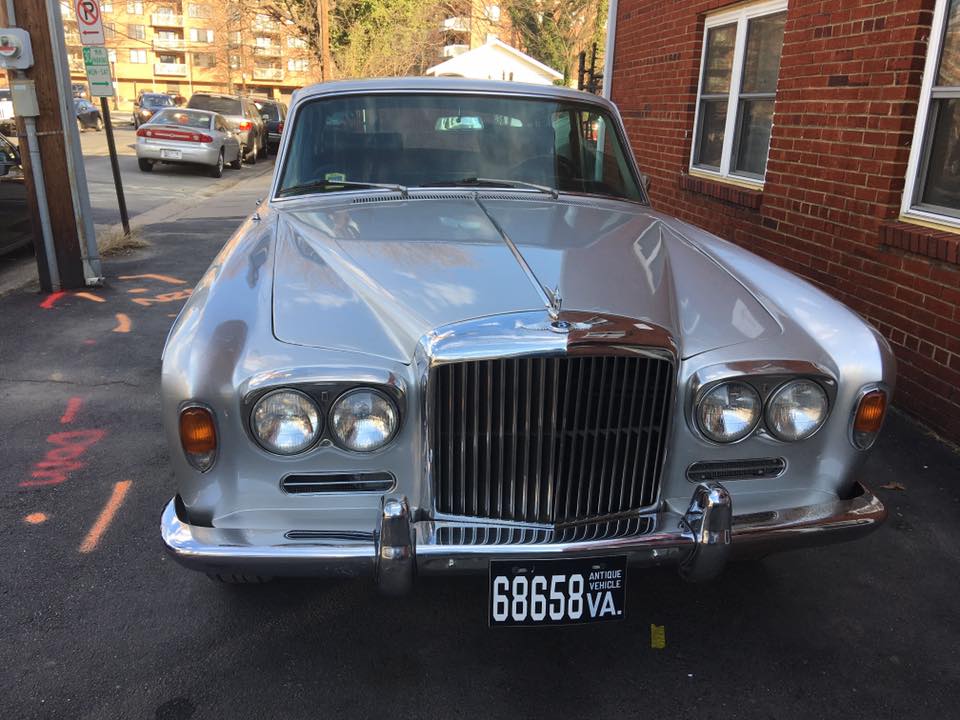
Our skilled technicians provide top-quality paint work, autobody, and general automotive repairs to keep your car looking and running like new. With expert skill and attention to detail, we ensure every job is done right the first time. Trust us for reliable service at a fair price, every time. That’s our guarantee!
Hear from our satisfied customers about our exceptional work, customer care and honest pricing here in Frederick MD!
Posted on GoogleTrustindex verifies that the original source of the review is Google. The staff were super friendly and supportive. The work was done professionally and completed on time. I would use them again!Posted on GoogleTrustindex verifies that the original source of the review is Google. I brought my car to C&G because it had a mechanical issue. The car broke down at 7:30 PM, and luckily, when I called the shop, they answered right away. They sent a tow truck for me, and the next day, I got the diagnosis. The service was fast and affordable. My technician, Tam, did an excellent job with both the diagnosis and the repair. I had my car back quickly and at a great price. From now on, C&G is my shop! Tam kept me updated with texts and photos, showing me exactly what the problem was and how they fixed it. Super professional all the way. Highly recommend!Posted on GoogleTrustindex verifies that the original source of the review is Google. TLDR: Some initial issues with my repair but top notch customer service. Adrian is great. There were some issues with my rocker panel repair starting with delays ordering the part, and then it turned out to be the wrong part. They assured me could do the repair perfectly without the part, and I said ok hesitantly. When I picked up the car the work was not up to standard. The texture (sort of pebbled) was not uniform across the whole panel (it cut off suddenly), and where it was applied on the repaired panel it did not match the factory panel on the other side of the car. (It was rougher.) Also on that other side there was a dent I did not remember being there before. I will say that when I explained my concerns over the phone they had me bring the car back and redid the repair free of charge, as well as fix the other dent. Overall it was somewhat of a hassle but I was really impressed with the customer service, and the end result seems to be satisfactory.Posted on GoogleTrustindex verifies that the original source of the review is Google. I came to this shop four different ocasión and always left happy and very satisfied, thank you for your hard work C&G Specialty.Posted on GoogleTrustindex verifies that the original source of the review is Google. First experience was a great one! Adrian and Walter were very attentive, polite, and patient. Service was provided on the same day, no appointment necessary (in my experience), and not a long duration of time either. Surely will be returning, when needed.Posted on GoogleTrustindex verifies that the original source of the review is Google. These guys are the best!Posted on GoogleTrustindex verifies that the original source of the review is Google. Always doing fantastic work.Posted on GoogleTrustindex verifies that the original source of the review is Google. This place is awesome! I had an issue with my car recently and they took care of it quickly and professionally. The guys are super friendly. Adrian and Sergio explained everything clearly and helped throughout the entire process. Thank you!
Experience the top-tier work and customer service that makes C&G the very best in Frederick MD & the DMV.
From flawless auto body work to reliable repairs, we’ll restore your vehicle’s look and performance with expert care in Frederick MD and surrounding areas!
Come to us for all of your general automotive needs, from trouble-shooting and diagnostics to regular servicing and insurance claims. C&G has you covered!
With a focus on precision paint and autobody work, our shop delivers top-quality repairs to restore your vehicle’s appearance to factory specs.
Specializing in professional auto paint services, our shop ensures a flawless finished product.
Fully equipped for wheel alignments. We are able to mount, balance & repair tires as well as provide wheel and rim repair.
We also assist with towing and rental car needs and can drop you off at your home or work if you live near by.
Our shop provides fluid servicing and expert transmission replacement to keep you shifting smoothly.
Best prices with top quality fluids and parts for your vehicle.
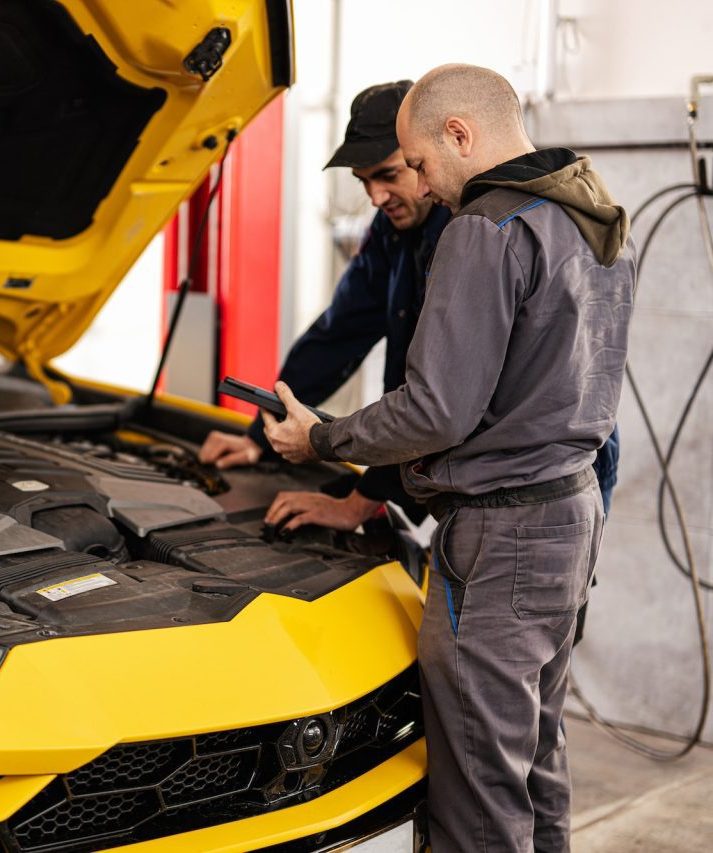
We prioritize quality and customer satisfaction in every auto body, paint, and repair service we provide in Frederick MD!
Choosing the right auto body shop is essential for ensuring quality repairs, maintaining your vehicle’s value, and securing your safety on the road. With so many options available, finding a trustworthy and skilled shop can feel overwhelming. Here are expert tips and critical questions to guide you through the process.
A professional auto body shop should have certifications that demonstrate their competence in handling repairs. Some key certifications to look for include:
– ASE Certification (Automotive Service Excellence): Indicates technicians are trained and competent in various repair processes.
– I-CAR Certification: Highlights that the shop invests in ongoing training for their technicians.
Certifications ensure that the work will meet industry standards.
Visit the shop in person if possible to assess their facilities. A well-maintained workspace often reflects attention to detail in their work. Key things to look for include:
– Cleanliness and organization of tools and equipment.
– Modern equipment capable of handling today’s vehicles, including those with advanced technologies.
While it might be tempting to select the cheapest option, be cautious about estimates that seem too low compared to others—they could indicate shortcuts or subpar materials being used.
| Factors | Low-Cost Estimate Risks | Quality Shop Advantages |
| Materials | May use inferior parts | Uses high-quality OEM parts |
| Labor | Unskilled or rushed jobs | Skilled craftsmanship |
| Warranty | Often none provided | Typically includes a warranty |
A good auto body shop values its customers by providing clear communication throughout the repair process: – They explain exactly what needs fixing without using overly technical jargon. – Provide regular updates on progress if repairs take several days. – Are willing to address all concerns before beginning work.
Selecting an auto body shop requires careful thought and research, but following these guidelines ensures peace of mind as your vehicle gets restored by experts committed to quality service delivery.
When dealing with auto body work, understanding the intricate details surrounding repairs, parts, and labor is essential. Whether you’ve been in an accident or are simply looking to restore your vehicle, having a well-rounded knowledge of these aspects can save you time, money, and headaches. Below is a breakdown of key points to consider when navigating auto body repairs.
Understanding the type of repair your vehicle needs helps you communicate effectively with technicians and ensures you’re charged appropriately.
When replacing damaged components during repairs, choosing between genuine and aftermarket parts is a critical decision.
| Aspect | Genuine Parts | Aftermarket Parts |
| Source | From the original manufacturer (OEM) | Produced by third-party companies |
| Quality & Compatibility | Excellent fit; designed specifically for your car’s make/model | Quality varies; some may not fit perfectly |
| Cost | Typically more expensive | Generally less expensive |
| Warranty | Often includes manufacturer warranty | Limited or no warranty coverage |
Before committing to any replacement part, discuss the pros and cons with your repair shop. While genuine parts ensure quality and longevity, aftermarket options might be more budget-friendly in certain cases.
Always request an itemized estimate from the shop beforehand so you have a clear understanding of where your money is going.
By staying informed about repairs, parts options, and labor considerations upfront, you’ll be better equipped to make decisions that align with both your budget and needs—leading to a stress-free experience at the auto body shop.
When it comes to auto body work, understanding the details of repairs, parts, and labor is crucial for making informed decisions about your vehicle. This knowledge not only helps you estimate the costs involved but also ensures that you receive quality service from an auto body shop. Below are key elements you should consider when navigating through the repair process.
Each repair type comes with unique challenges and may require specialized equipment or skilled technicians.
| Aspect | Genuine OEM Parts | Aftermarket Parts |
| Quality | Identical to original factory components | Varies widely depending on brand |
| Fit | Guaranteed fit for your specific make/model | May require adjustments |
| Cost | More expensive | Typically less expensive |
| Availability | May take longer to source | Often readily available |
| Warranty | Backed by manufacturer warranties | Limited or no warranty coverage |
While genuine parts offer reliability and assurance of quality, aftermarket options can be budget-friendly but require careful selection to avoid compromising performance.
Request a detailed breakdown of labor costs upfront to avoid surprises later.
By addressing these questions early on in discussions with your chosen auto body shop, you’ll gain confidence that your vehicle is in capable hands while also staying within budget.
Understanding the details around repairs, parts selection, and labor costs empowers car owners to make well-informed decisions about their vehicle’s maintenance needs while safeguarding their investment over time.
When it comes to maintaining your vehicle’s appearance, the quality of its paintwork plays a vital role. Unfortunately, over time, various paint problems can arise due to factors like environmental exposure, improper maintenance, or previous subpar repairs. Below are some common car paint issues along with expert-backed solutions.
| Problem | Solution |
| Fading | Regularly apply UV-protectant wax or ceramic coatings to prevent further damage.* |
| Peeling/Flaking | Repainting may be required; seek professional assistance for proper adhesion techniques.* |
| Scratches/Swirl Marks | Use scratch removal compounds for minor issues; deeper scratches may need touch-ups or respraying.* |
| Chipping | Apply touch-up paint for small chips; larger areas may need professional refinishing.* |
| Oxidation | Polish and restore with specialized oxidation removal products followed by waxing.* |
| Stains | Clean affected areas immediately using appropriate cleaning agents (e.g., tar remover).* |
By identifying these common issues early on and implementing professional repair solutions or preventive measures, you can preserve your car’s aesthetic appeal while enhancing its value over time.
Post-repair inspections are a crucial yet often overlooked step in the auto repair process. These inspections ensure that your vehicle is not only visually restored but also structurally safe and mechanically sound. Skipping this step can lead to long-term issues, safety risks, and reduced vehicle value. Here’s why post-repair inspections matter and what car owners should focus on during this process.
| Problem Area | Possible Issue | Potential Risk |
| Paintwork | Color mismatch or uneven coating | Reduced resale value |
| Body Panels | Misaligned panels or large gaps | Wind noise; water leaks |
| Mechanical Parts | Worn or damaged parts left unrepaired | Safety hazards; premature wear |
| Frame Alignment | Improperly aligned chassis | Poor handling; uneven tire wear |
By treating post-repair inspections as essential rather than optional, you safeguard yourself against future complications while ensuring that your car remains safe and reliable on the road.