Come see the difference C&G makes. Offering expert full-service mechanical, maintenance & repair in addition to our top rated collision and paint shop.
Looking for expert auto body and paint services at competitive prices? Our shop specializes in restoring and enhancing your vehicle’s appearance while providing top-notch service, maintenance and repairs. We ensure your car not only looks great but also performs at its best!
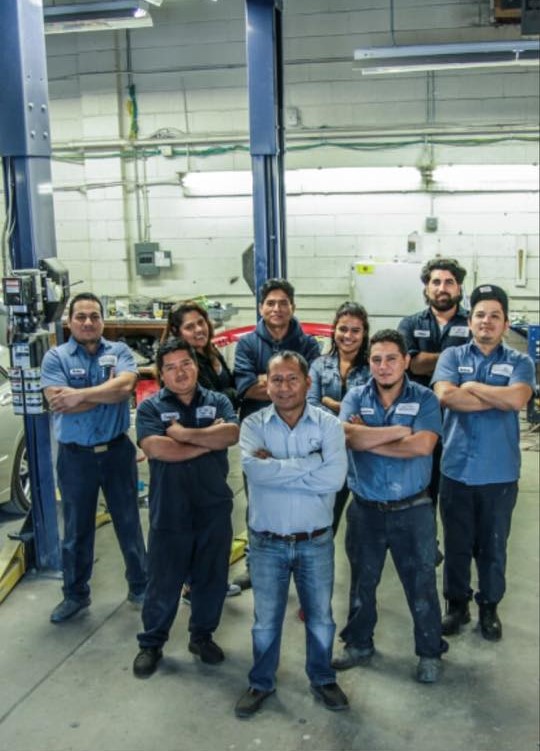
Years of Experience
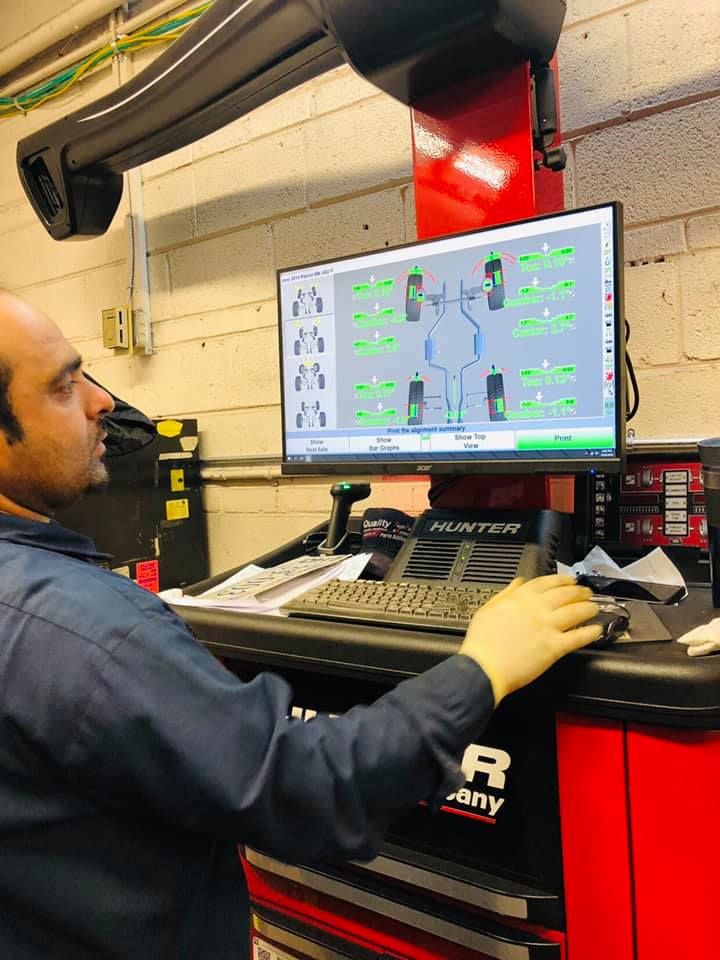
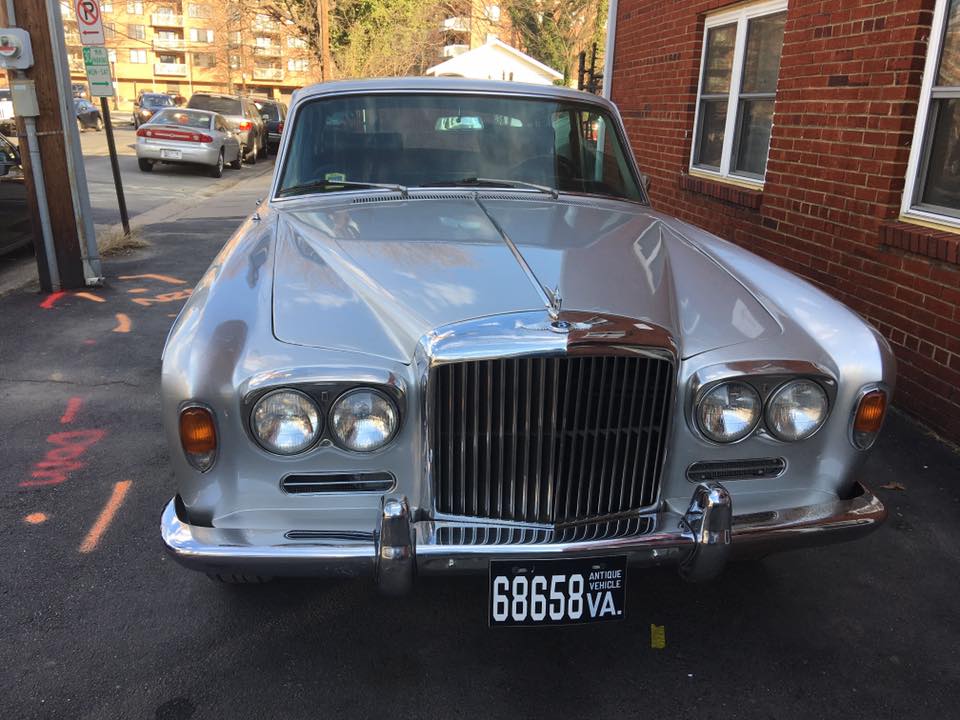
Our skilled technicians provide top-quality paint work, autobody, and general automotive repairs to keep your car looking and running like new. With expert skill and attention to detail, we ensure every job is done right the first time. Trust us for reliable service at a fair price, every time. That’s our guarantee!
Hear from our satisfied customers about our exceptional work, customer care and honest pricing here in Germantown MD!
Posted on Google
 Ed Gray
Trustindex verifies that the original source of the review is Google.
The staff were super friendly and supportive. The work was done professionally and completed on time. I would use them again!Posted on Google Percy HuamanI brought my car to C&G because it had a mechanical issue. The car broke down at 7:30 PM, and luckily, when I called the shop, they answered right away. They sent a tow truck for me, and the next day, I got the diagnosis. The service was fast and affordable. My technician, Tam, did an excellent job with both the diagnosis and the repair. I had my car back quickly and at a great price. From now on, C&G is my shop! Tam kept me updated with texts and photos, showing me exactly what the problem was and how they fixed it. Super professional all the way. Highly recommend!Posted on Google
 Eric Cioffi
Trustindex verifies that the original source of the review is Google.
TLDR: Some initial issues with my repair but top notch customer service. Adrian is great. There were some issues with my rocker panel repair starting with delays ordering the part, and then it turned out to be the wrong part. They assured me could do the repair perfectly without the part, and I said ok hesitantly. When I picked up the car the work was not up to standard. The texture (sort of pebbled) was not uniform across the whole panel (it cut off suddenly), and where it was applied on the repaired panel it did not match the factory panel on the other side of the car. (It was rougher.) Also on that other side there was a dent I did not remember being there before. I will say that when I explained my concerns over the phone they had me bring the car back and redid the repair free of charge, as well as fix the other dent. Overall it was somewhat of a hassle but I was really impressed with the customer service, and the end result seems to be satisfactory.Posted on Google grendis cifuentesI came to this shop four different ocasión and always left happy and very satisfied, thank you for your hard work C&G Specialty.Posted on Google
 glenda floresFirst experience was a great one! Adrian and Walter were very attentive, polite, and patient. Service was provided on the same day, no appointment necessary (in my experience), and not a long duration of time either. Surely will be returning, when needed.Posted on Google
 R DThese guys are the best!Posted on Google
 Walter FrancoAlways doing fantastic work.Posted on Google
 Maria QuispeThis place is awesome! I had an issue with my car recently and they took care of it quickly and professionally. The guys are super friendly. Adrian and Sergio explained everything clearly and helped throughout the entire process. Thank you!
Experience the top-tier work and customer service that makes C&G the very best in Germantown MD & the DMV.
From flawless auto body work to reliable repairs, we’ll restore your vehicle’s look and performance with expert care in Germantown MD and surrounding areas!
Come to us for all of your general automotive needs, from trouble-shooting and diagnostics to regular servicing and insurance claims. C&G has you covered!
With a focus on precision paint and autobody work, our shop delivers top-quality repairs to restore your vehicle’s appearance to factory specs.
Specializing in professional auto paint services, our shop ensures a flawless finished product.
Fully equipped for wheel alignments. We are able to mount, balance & repair tires as well as provide wheel and rim repair.
We also assist with towing and rental car needs and can drop you off at your home or work if you live near by.
Our shop provides fluid servicing and expert transmission replacement to keep you shifting smoothly.
Best prices with top quality fluids and parts for your vehicle.
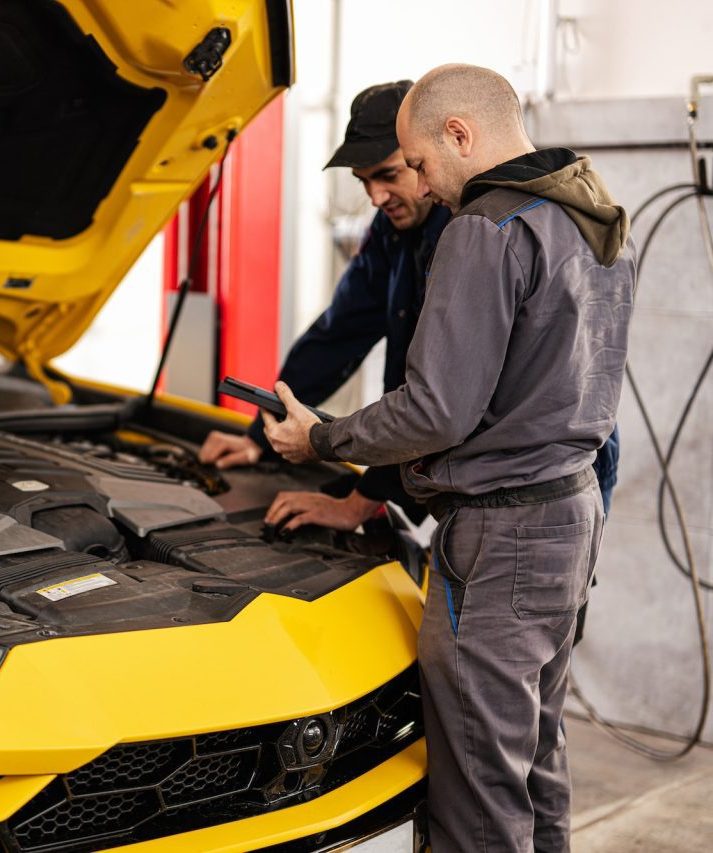
We prioritize quality and customer satisfaction in every auto body, paint, and repair service we provide in Germantown MD!
The world of auto body repair is both intricate and highly specialized, requiring technicians to utilize a wide range of tools and techniques. Each tool in a technician’s arsenal plays a crucial role in restoring vehicles to their original condition. Whether it’s addressing minor dents, realigning structural components, or achieving a flawless paint finish, having the right tools is indispensable.
| Hand Tool | Primary Use | Variations Available |
| Hammer & Dolly | Shaping metal, removing smaller dents | Flat-head hammers, curved dollies |
| Body File | Smoothing rough surfaces | Coarse and fine-tooth files |
| Screwdrivers | Disassembly of components | Phillips, flathead |
Power tools reduce manual effort while ensuring consistency across repairs, making them indispensable in modern body shops.
A technician’s toolbox is more than just a collection of instruments; it’s an essential kit that defines the quality of repairs performed in an auto body shop. Mastery over these tools combined with skillful techniques makes all the difference between an average repair job and exceptional results that restore vehicles back to their prime state.
Accurate measurement and alignment are cornerstones of quality auto body repairs. Without proper tools to measure, align, and assess the structural integrity of a vehicle, repairs can lead to uneven surfaces, improper fitting panels, or compromised safety. Below is a closer look at the essential measuring and alignment tools used in an auto body repair shop and their significance in ensuring precision.
Even with advanced tools, technicians face challenges such as: – Adjusting older vehicles that may not have digital alignment data readily available. – Repairing heavily corroded frames where precise readings become harder due to material degradation. – Managing slight variations between aftermarket parts versus OEM (original equipment manufacturer) specifications.
| Tool/Technique | Purpose | Common Use Cases |
| Laser Measuring System | Detect misalignments | Assessing after-collision damage |
| Frame Gauge | Measure chassis dimensions | Verifying straightness during heavy frame repair |
| Wheel Alignment Machine | Correct wheel orientation | Prevent handling issues post-repair |
| Straightening Jig | Hold damaged structures | Re-aligning warped frames |
Achieving precision requires not only technical expertise but also the right combination of modern equipment and time-tested techniques tailored for every unique repair scenario. Regardless of whether minor dents or significant collision damages are involved, having accurate measurement tools ensures a job well done while maintaining safety standards customers rely on.
Dent repair is one of the most common tasks in an auto body repair shop, requiring specialized tools and techniques to restore the vehicle’s surface to its original condition. Whether dealing with minor dings or significant damage, having the right dent repair tools on hand is essential for delivering professional results.
| Tool Type | Primary Use | Advantages | Limitations |
| Suction Cup Puller | Small dents on flat surfaces | Quick and easy; no need for panel access | Limited effectiveness on sharp or deep dents |
| Slide Hammer | Larger or more stubborn dents | Provides greater pulling force | Risk of overpulling if not careful |
| PDR Rods | Paintless dent repair from behind | Maintains paint finish; minimal refinishing needed | Requires skillful manipulation |
| Glue Tabs | Surface-level repairs | Non-invasive; preserves paint | Time-consuming setup |
To minimize damage during repairs: – Always use padded dollies or rubber-coated tips on PDR rods. – Work incrementally instead of applying excessive force at once. – Conduct frequent inspections under proper lighting conditions to track progress accurately.
High-quality dent repair tools combined with proper techniques can ensure vehicles are restored seamlessly and safely while maintaining their value. A well-equipped technician can address any degree of damage efficiently without compromising structural integrity or aesthetics.
A professional finish is a hallmark of any high-quality auto body repair job. To achieve this standard, sanding and painting tools play an essential role in ensuring surfaces are smooth, evenly coated, and visually appealing. Below, we explore the key tools and techniques used by professionals to deliver exceptional results.
Sanding is a critical step that prepares the vehicle’s surface for painting. It eliminates imperfections, old paint, rust, or debris that can compromise the final finish. Without proper sanding, even the best paint application may peel or appear uneven.
Key reasons for sanding include:
– Surface Preparation: Creates a clean surface that enhances paint adhesion.
– Smoothing Irregularities: Removes scratches or dents to ensure an even coating.
– Rust Removal: Prevents corrosion from spreading beneath new paint layers.
Once the surface is adequately sanded, painting begins—a process requiring precision and specialized tools to achieve consistent results.
| Tool | Function |
| Spray Guns | Distributes paint evenly across surfaces |
| Paint Mixing Cups | Ensures accurate mixing ratios of paints & thinners |
| Air Compressors | Powers spray guns for consistent application |
| Detailing Brushes | Touches up small areas requiring precision |
| Respirators | Protects technicians from inhaling harmful fumes |
By combining skill with dependable sanding and painting tools, technicians can restore vehicles with finishes that rival factory standards—meeting both aesthetic preferences and functional demands effectively.
Sanding and painting are two integral aspects of auto body repair that directly impact the final appearance of a vehicle. Utilizing the right tools and techniques is critical to achieving a sleek, professional finish that restores the vehicle to its original condition. This section explores essential sanding and painting tools and their role in delivering quality results.
The success of any auto body repair depends heavily on attention-to-detail during both sanding preparation stages as well as precise execution when applying finishes using advanced equipment.