Come see the difference C&G makes. Offering expert full-service mechanical, maintenance & repair in addition to our top rated collision and paint shop.
Looking for expert auto body and paint services at competitive prices? Our shop specializes in restoring and enhancing your vehicle’s appearance while providing top-notch service, maintenance and repairs. We ensure your car not only looks great but also performs at its best!
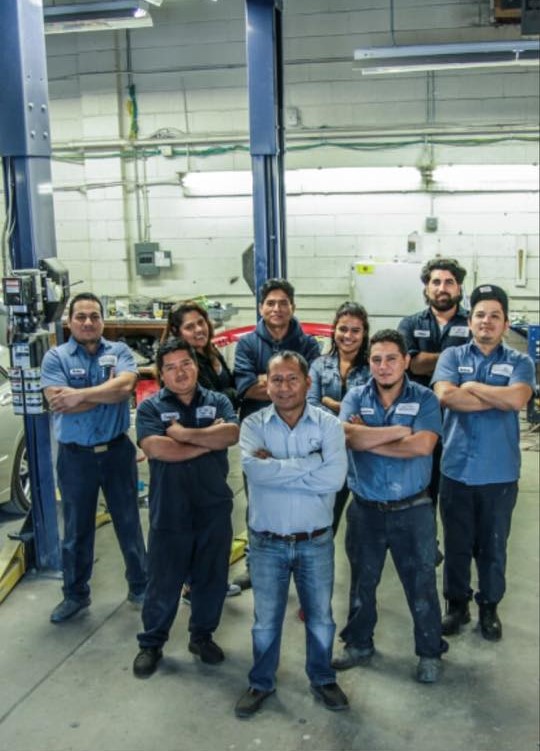
Years of Experience
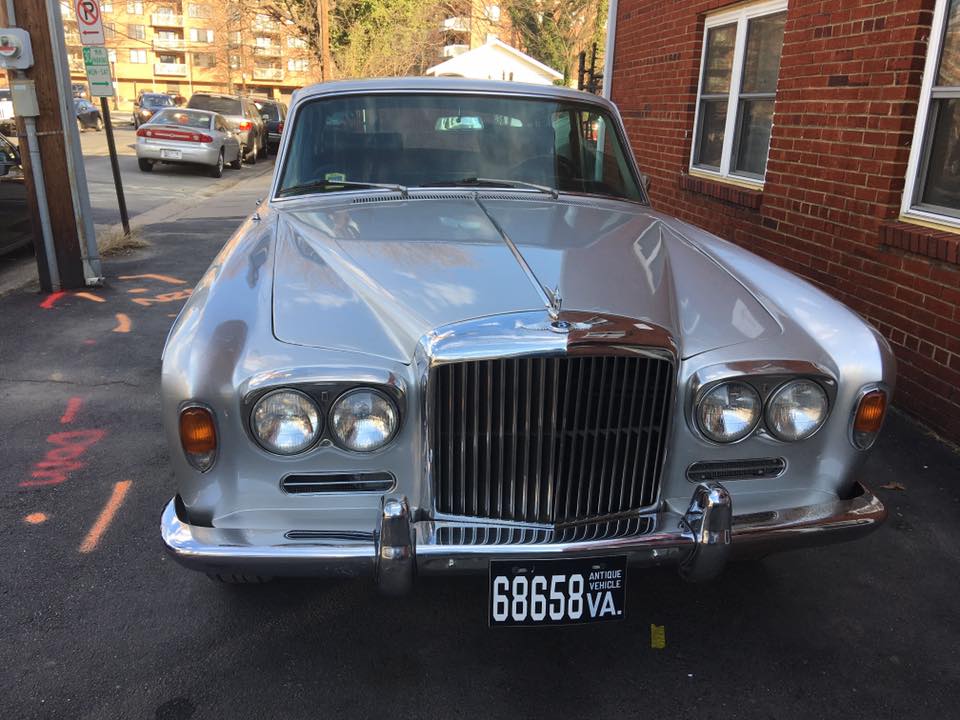
Our skilled technicians provide top-quality paint work, autobody, and general automotive repairs to keep your car looking and running like new. With expert skill and attention to detail, we ensure every job is done right the first time. Trust us for reliable service at a fair price, every time. That’s our guarantee!
Hear from our satisfied customers about our exceptional work, customer care and honest pricing here in Lorton VA!
Posted on Google
 Ed Gray
Trustindex verifies that the original source of the review is Google.
The staff were super friendly and supportive. The work was done professionally and completed on time. I would use them again!Posted on Google Percy HuamanI brought my car to C&G because it had a mechanical issue. The car broke down at 7:30 PM, and luckily, when I called the shop, they answered right away. They sent a tow truck for me, and the next day, I got the diagnosis. The service was fast and affordable. My technician, Tam, did an excellent job with both the diagnosis and the repair. I had my car back quickly and at a great price. From now on, C&G is my shop! Tam kept me updated with texts and photos, showing me exactly what the problem was and how they fixed it. Super professional all the way. Highly recommend!Posted on Google
 Eric Cioffi
Trustindex verifies that the original source of the review is Google.
TLDR: Some initial issues with my repair but top notch customer service. Adrian is great. There were some issues with my rocker panel repair starting with delays ordering the part, and then it turned out to be the wrong part. They assured me could do the repair perfectly without the part, and I said ok hesitantly. When I picked up the car the work was not up to standard. The texture (sort of pebbled) was not uniform across the whole panel (it cut off suddenly), and where it was applied on the repaired panel it did not match the factory panel on the other side of the car. (It was rougher.) Also on that other side there was a dent I did not remember being there before. I will say that when I explained my concerns over the phone they had me bring the car back and redid the repair free of charge, as well as fix the other dent. Overall it was somewhat of a hassle but I was really impressed with the customer service, and the end result seems to be satisfactory.Posted on Google grendis cifuentesI came to this shop four different ocasión and always left happy and very satisfied, thank you for your hard work C&G Specialty.Posted on Google
 glenda floresFirst experience was a great one! Adrian and Walter were very attentive, polite, and patient. Service was provided on the same day, no appointment necessary (in my experience), and not a long duration of time either. Surely will be returning, when needed.Posted on Google
 R DThese guys are the best!Posted on Google
 Walter FrancoAlways doing fantastic work.Posted on Google
 Maria QuispeThis place is awesome! I had an issue with my car recently and they took care of it quickly and professionally. The guys are super friendly. Adrian and Sergio explained everything clearly and helped throughout the entire process. Thank you!
Experience the top-tier work and customer service that makes C&G the very best in Lorton VA & the DMV.
From flawless auto body work to reliable repairs, we’ll restore your vehicle’s look and performance with expert care in Lorton VA and surrounding areas!
Come to us for all of your general automotive needs, from trouble-shooting and diagnostics to regular servicing and insurance claims. C&G has you covered!
With a focus on precision paint and autobody work, our shop delivers top-quality repairs to restore your vehicle’s appearance to factory specs.
Specializing in professional auto paint services, our shop ensures a flawless finished product.
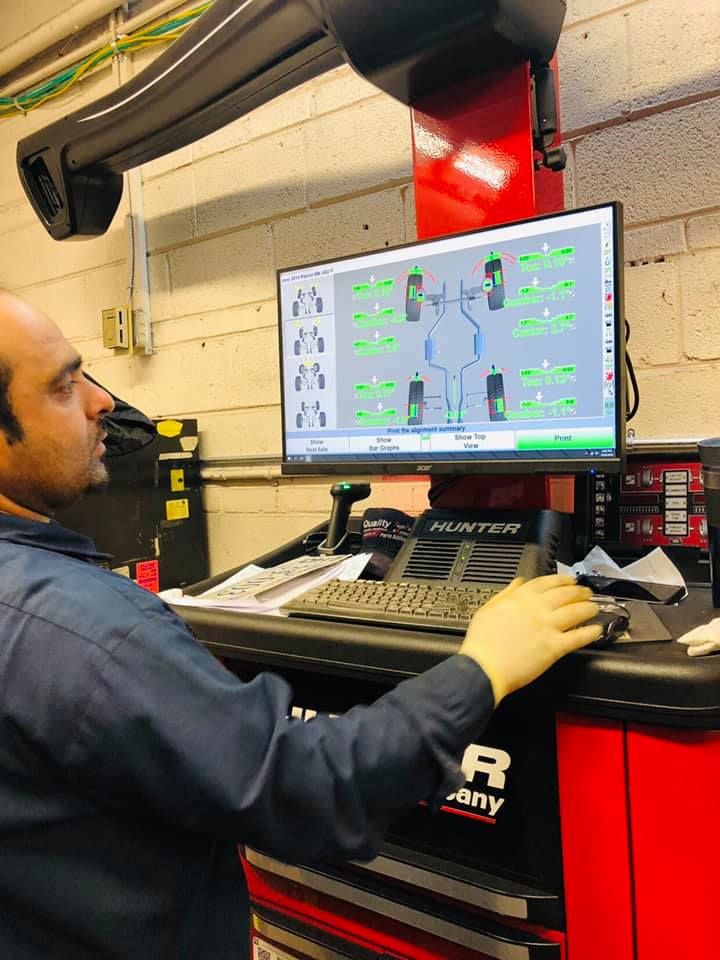
Fully equipped for wheel alignments. We are able to mount, balance & repair tires as well as provide wheel and rim repair.
We also assist with towing and rental car needs and can drop you off at your home or work if you live near by.
Our shop provides fluid servicing and expert transmission replacement to keep you shifting smoothly.
Best prices with top quality fluids and parts for your vehicle.
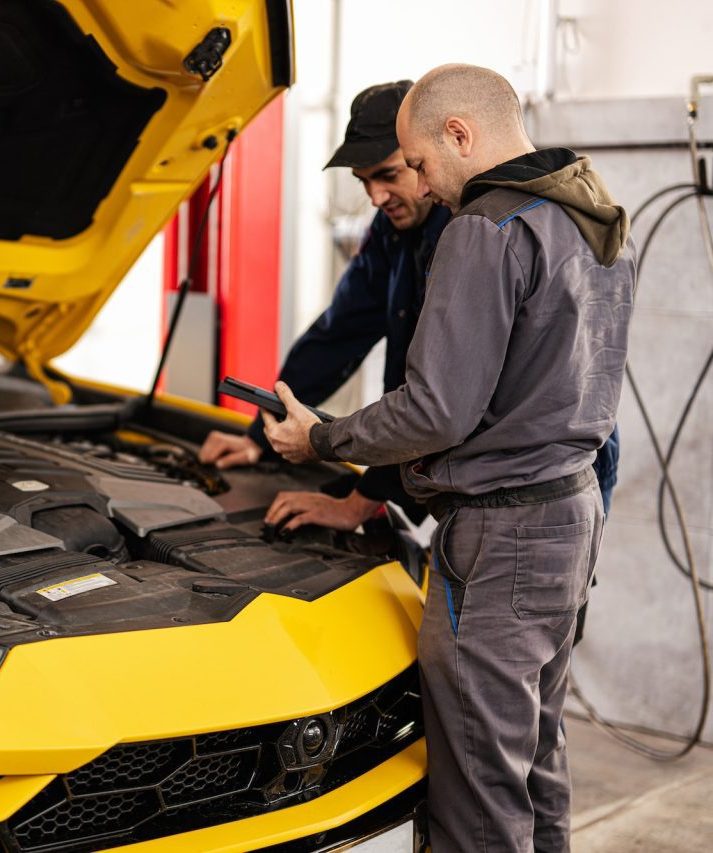
We prioritize quality and customer satisfaction in every auto body, paint, and repair service we provide in Lorton VA!
Auto body work encompasses a wide range of services aimed at repairing and restoring vehicles to their pre-damage state or enhancing their appearance for a showroom-quality finish. These services address everything from minor cosmetic issues to significant structural repairs. Understanding what auto body work entails can help car owners make informed decisions when seeking professional services.
Auto body work typically includes the following areas:
– Dent Removal: Repairing dings, dents, and creases caused by minor collisions, accidents, or hail damage. Techniques like Paintless Dent Repair (PDR) are widely used for maintaining the vehicle’s original paint.
– Scratch and Chip Repair: Filling in surface-level scratches and chips to prevent rust formation and restore the car’s appearance.
– Frame Straightening: Addressing structural damage caused during accidents by realigning the vehicle’s frame using specialized equipment like hydraulic presses and computerized frame machines.
– Panel Replacement or Repair: Fixing or replacing damaged panels, such as doors, fenders, bumpers, or hoods, to ensure proper alignment and aesthetics.
– Painting and Refinishing: Applying fresh coats of paint to hide repairs or provide a completely new look using modern techniques such as spray booths for even coverage.
In addition to standard repairs, many auto body shops offer specialized services for unique needs:
– Rust Removal & Prevention: Removing rusted sections of a vehicle and applying protective coatings to prevent further corrosion.
– Custom Modifications: Enhancing the vehicle through custom painting jobs, spoilers, body kits, or other aesthetic modifications tailored to personal preferences.
– Glass Repairs/Replacement: Fixing cracked windshields or replacing shattered windows with precision techniques that meet safety standards.
Professional auto body technicians play a crucial role in ensuring quality work that meets industry standards. They utilize advanced tools like MIG welders for metal repair and computerized systems for precision measurement during realignment tasks. Additionally:
– Technicians stay updated on new materials (e.g., aluminum panels) used in modern car manufacturing. – Detailed inspections ensure no hidden damages are overlooked. – Certified shops often offer warranties on their workmanship as an assurance of quality.
| Service Type | Purpose | Example Tools Used |
| Dent Removal | Restore smooth surfaces | PDR rods, glue pulling tools |
| Frame Straightening | Realign & stabilize structure | Hydraulic presses, laser systems |
| Painting & Refinishing | Improve aesthetics/protect surface | Spray guns, UV curing lamps |
| Glass Repairs/Replacement | Maintain visibility/safety | Adhesive sealants, suction cups |
Comprehensive auto body work not only enhances your vehicle’s visual appeal but also ensures safety by addressing structural damages that could compromise its integrity during future road use. By understanding what’s involved in these processes and leveraging professional expertise when needed, drivers can maintain both the performance and value of their vehicles over time without unnecessary stress.
When a vehicle suffers a dent, whether from a minor fender-bender or an accidental door ding, the process of restoring its original shape involves more than just brute force. Modern dent removal techniques combine precision, skill, and science to achieve a flawless finish. Understanding these methods provides insight into how professionals work to erase damage and restore vehicles back to pristine condition.
| Repair Method | Ideal For | Key Advantages | Limitations |
| Paintless Dent Repair | Small/medium shallow dents | Retains factory finish | Unsuitable for severe paint damage |
| Traditional Filler & Paint | Deep scratches/dented metal | Complete surface restoration | Higher costs/time-intensive |
| Heat Shrinking | Stretched metal areas | Reverses excessive stretching | Risky without expert execution |
| Dent-Pulling Tools | Inaccessible panel backsides | Quick fixes | May leave minor imperfections |
While many DIY kits claim easy dent-removal solutions, professional repair ensures precision without risking further damage—especially with complex issues like stretched metals or irregularly shaped dents. Training provided in professional shops guarantees that repairs align with manufacturer specifications while maintaining vehicle value.
Understanding these techniques not only sheds light on how dents disappear but also highlights why entrusting your car’s repair needs to skilled technicians often delivers superior results over at-home fixes
Stepping into a professional auto body shop is like entering the heart of the vehicle repair process. Every section of the shop serves a specific purpose, and the workflow is designed to ensure efficiency, precision, and high-quality results. Let’s take a closer look at what goes on in these facilities and how they are set up to handle anything from minor scratches to extensive repairs.
| Tool/Equipment | Purpose |
| Frame Alignment Machines | Straighten bent car frames after collisions |
| Paint Mix Systems | Ensure precise color matching |
| Dent Pullers | Remove dents without damaging surrounding paint |
| Welding Equipment | Attach metal components seamlessly |
| Sanding Tools | Smoothen surfaces before painting |
Trained professionals are essential in every stage of auto body work. Their expertise ensures that repairs meet safety standards while maintaining or enhancing vehicle aesthetics. From diagnosing structural issues to masterfully blending paint colors, skilled technicians bring experience and craftsmanship into every step they take.
The goal is not just fixing what’s broken but restoring both safety features and aesthetic appeal so vehicles look as close as possible to their original condition—or better.
By understanding how professional shops operate behind the scenes, customers can better appreciate the meticulous attention given to transforming damaged cars into showroom-worthy masterpieces.
A professional auto body shop is much more than just a place where cars get repaired; it is a carefully orchestrated operation designed to restore vehicles to their peak condition. Understanding what happens behind the scenes can help vehicle owners appreciate the craftsmanship and effort that goes into every repair. Below is an in-depth look at the specialized areas, tools, and processes commonly found in a professional auto body shop.
| Tool/Technology | Purpose |
| Computerized Frame Machines | Measure and restore structural integrity by precisely aligning the vehicle’s frame |
| Paint-Matching Systems | Analyze existing paint colors digitally for seamless blending |
| MIG Welders | Allow strong yet clean welding of metal parts |
| Infrared Curing Lamps | Speed up drying time for paints while maintaining even curing |
| Dent-Pulling Tools | Remove small dents without damaging underlying surfaces |
Ultimately, what truly distinguishes one auto body shop from another is its team’s expertise. Certified technicians bring years of experience along with specialized training in modern materials like aluminum or carbon fiber found in today’s vehicles.
Selecting an auto body shop with state-of-the-art facilities combined with knowledgeable staff ensures your vehicle will leave looking showroom-ready once more—restored not only aesthetically but also structurally sound for the road ahead.
Modern automotive paint consists of multiple layers, each with its own function:
– Primer: Provides adhesion to the metal surface and prevents corrosion.
– Basecoat: Contains the actual color and effects like metallic or pearl finishes.
– Clearcoat: Protects the basecoat while providing shine and durability.
Each layer plays a vital role in ensuring a flawless finish, which is why replicating a factory-finished look demands attention to detail.
| Tool/Technique | Purpose |
| Paint Code Database | Provides manufacturer-specific formulas for original paint colors. |
| Spectrophotometers | Scans existing paint on vehicles to analyze its unique composition. |
| Tinting Software | Adjusts formulas based on vehicle age or specific repair needs. |
| Test Panels & Spray Cards | Allows technicians to test small batches before application on the vehicle. |
While DIY kits exist for minor touch-ups, professional auto body shops bring years of experience along with high-end equipment that amateurs cannot replicate effectively at home—especially when dealing with complex finishes or large-scale repairs.
By understanding these intricate processes and leveraging state-of-the-art technology alongside skilled craftsmanship, auto body professionals ensure every repaired vehicle looks as though it just rolled off the showroom floor—no visible discrepancies between old layers and newly applied ones.
Achieving a flawless paint match is one of the most essential aspects of auto body work. Whether restoring a vehicle after damage or creating a custom finish, the goal is for the repaired area to be indistinguishable from the original surface. This process requires precision, expertise, and advanced tools. Below, we’ll explore the methods and techniques professionals use to ensure a perfect color match.
Matching paint is not as simple as picking up a can of paint that matches the car’s factory specifications. Several factors make this process complex:
– Age of the Vehicle: Over time, exposure to sunlight, weather, and environmental wear causes automotive paint to fade or change slightly in tone.
– Variations from Factory Production: Even cars with identical factory color codes may vary slightly due to differences in production batches.
– Metallic and Pearl Finishes: Modern vehicles often feature finishes that include metallic flakes or pearlescent layers, which are difficult to replicate without professional techniques.
Professionals rely on a combination of tools and technology to achieve seamless results:
1. Paint Code Identification: Every vehicle has a factory-issued color code (usually found on labels inside doors or under the hood). This provides the base formula for recreating the original color.
2. Spectrophotometers: A spectrophotometer analyzes the vehicle’s paint by examining light reflection properties and provides precise data on its shade and undertone. This tool is especially helpful when blending new paint with faded or aged surfaces.
3. Digital Mixing Systems: Once data from the spectrophotometer is obtained, digital systems mix pigments with utmost precision based on specific formulations tailored for each car’s unique requirements.
| Technique | Purpose | Benefits |
| Blending | Creates smooth transitions between old and new paint | Avoids harsh lines or visible repairs |
| Layering | Ensures depth in complex finishes like metallics | Replicates factory-grade finish |
| Test Panels | Tests final shade before application | Prevents costly mistakes |
If you’re planning on having your car repaired or customized, here are some practical tips regarding paint matching: – Always request that your technician uses industry-standard tools like spectrophotometers. – Ask about blending techniques when obtaining quotes; blending leads to more natural-looking results. – Inspect finished repairs under different lighting conditions (sunlight vs artificial light) before leaving the shop.
The art of matching automotive paints combines science with skillful technique—and when done correctly—restores your car’s beauty seamlessly while maintaining its value.