Come see the difference C&G makes. Offering expert full-service mechanical, maintenance & repair in addition to our top rated collision and paint shop.
Looking for expert auto body and paint services at competitive prices? Our shop specializes in restoring and enhancing your vehicle’s appearance while providing top-notch service, maintenance and repairs. We ensure your car not only looks great but also performs at its best!
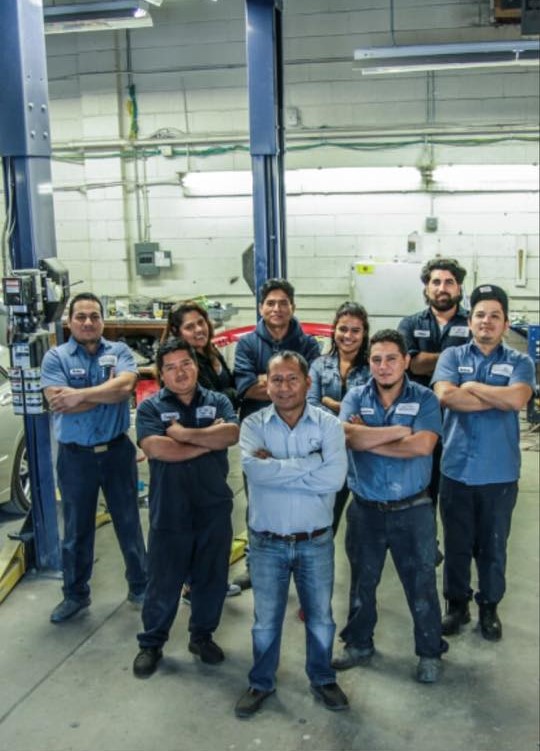
Years of Experience
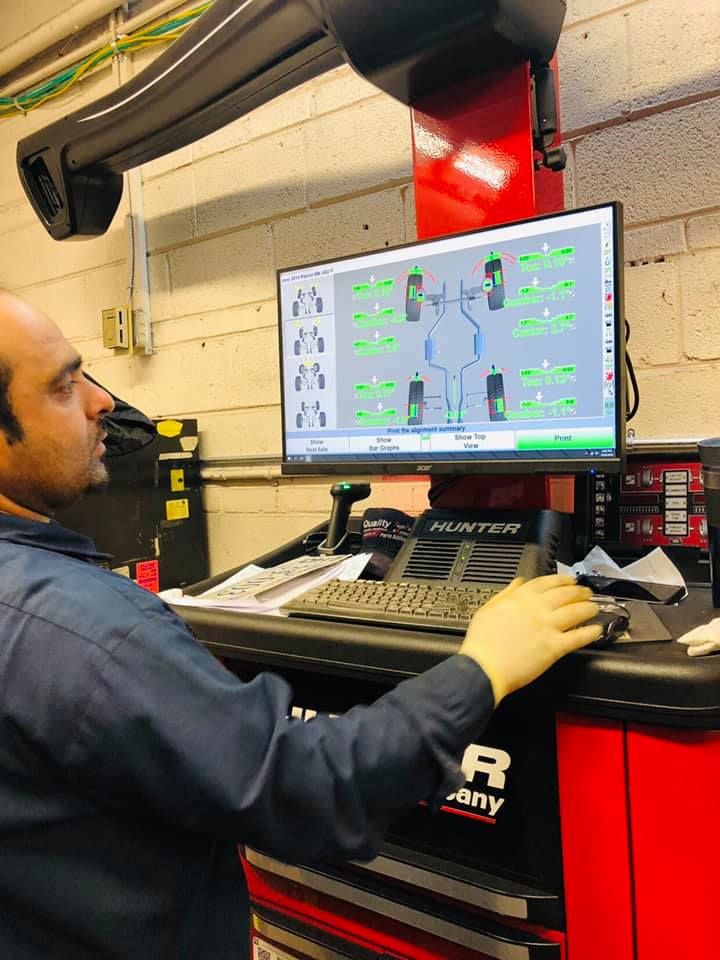

Our skilled technicians provide top-quality paint work, autobody, and general automotive repairs to keep your car looking and running like new. With expert skill and attention to detail, we ensure every job is done right the first time. Trust us for reliable service at a fair price, every time. That’s our guarantee!
Hear from our satisfied customers about our exceptional work, customer care and honest pricing here in Manassas Park, VA!
Posted on Google
 Ed Gray
Trustindex verifies that the original source of the review is Google.
The staff were super friendly and supportive. The work was done professionally and completed on time. I would use them again!Posted on Google Percy HuamanI brought my car to C&G because it had a mechanical issue. The car broke down at 7:30 PM, and luckily, when I called the shop, they answered right away. They sent a tow truck for me, and the next day, I got the diagnosis. The service was fast and affordable. My technician, Tam, did an excellent job with both the diagnosis and the repair. I had my car back quickly and at a great price. From now on, C&G is my shop! Tam kept me updated with texts and photos, showing me exactly what the problem was and how they fixed it. Super professional all the way. Highly recommend!Posted on Google
 Eric Cioffi
Trustindex verifies that the original source of the review is Google.
TLDR: Some initial issues with my repair but top notch customer service. Adrian is great. There were some issues with my rocker panel repair starting with delays ordering the part, and then it turned out to be the wrong part. They assured me could do the repair perfectly without the part, and I said ok hesitantly. When I picked up the car the work was not up to standard. The texture (sort of pebbled) was not uniform across the whole panel (it cut off suddenly), and where it was applied on the repaired panel it did not match the factory panel on the other side of the car. (It was rougher.) Also on that other side there was a dent I did not remember being there before. I will say that when I explained my concerns over the phone they had me bring the car back and redid the repair free of charge, as well as fix the other dent. Overall it was somewhat of a hassle but I was really impressed with the customer service, and the end result seems to be satisfactory.Posted on Google grendis cifuentesI came to this shop four different ocasión and always left happy and very satisfied, thank you for your hard work C&G Specialty.Posted on Google
 glenda floresFirst experience was a great one! Adrian and Walter were very attentive, polite, and patient. Service was provided on the same day, no appointment necessary (in my experience), and not a long duration of time either. Surely will be returning, when needed.Posted on Google
 R DThese guys are the best!Posted on Google
 Walter FrancoAlways doing fantastic work.Posted on Google
 Maria QuispeThis place is awesome! I had an issue with my car recently and they took care of it quickly and professionally. The guys are super friendly. Adrian and Sergio explained everything clearly and helped throughout the entire process. Thank you!
Experience the top-tier work and customer service that makes C&G the very best in Manassas Park, VA & the DMV.
From flawless auto body work to reliable repairs, we’ll restore your vehicle’s look and performance with expert care in Manassas Park, VA and surrounding areas!
Come to us for all of your general automotive needs, from trouble-shooting and diagnostics to regular servicing and insurance claims. C&G has you covered!
With a focus on precision paint and autobody work, our shop delivers top-quality repairs to restore your vehicle’s appearance to factory specs.
Specializing in professional auto paint services, our shop ensures a flawless finished product.
Fully equipped for wheel alignments. We are able to mount, balance & repair tires as well as provide wheel and rim repair.
We also assist with towing and rental car needs and can drop you off at your home or work if you live near by.
Our shop provides fluid servicing and expert transmission replacement to keep you shifting smoothly.
Best prices with top quality fluids and parts for your vehicle.
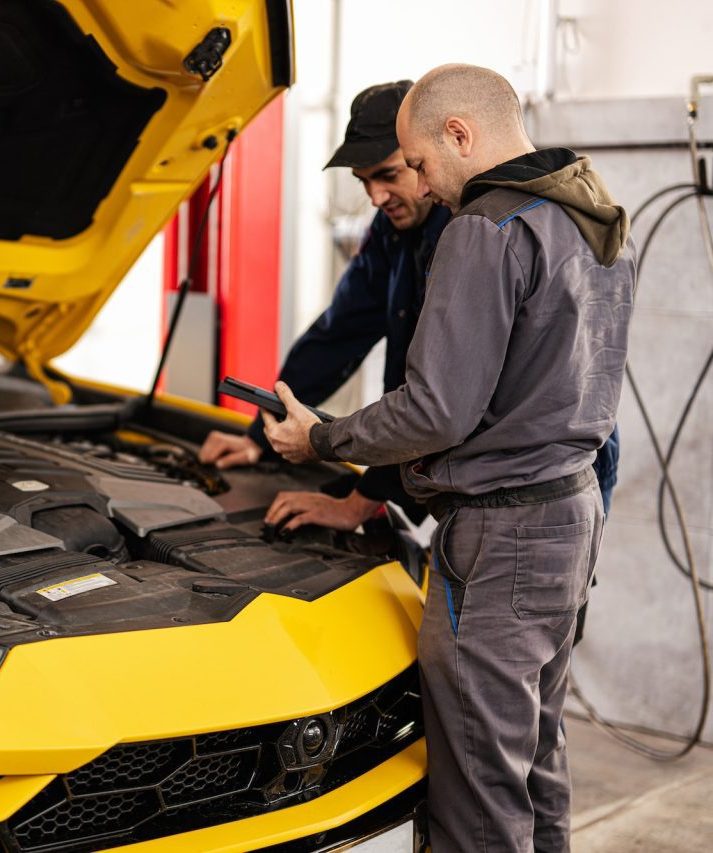
We prioritize quality and customer satisfaction in every auto body, paint, and repair service we provide in Manassas Park, VA!
Auto body repair is the intricate process of restoring a vehicle to its original condition after damage caused by accidents, weather, or wear and tear. It combines technical expertise, specialized tools, and precision craftsmanship to ensure both aesthetic appeal and structural integrity. This section delves into the foundational aspects of auto body repair, highlighting key components and methods.
| Process | Purpose |
| Dent Removal (PDR) | Paintless Dent Repair (PDR) is used for minor dents without requiring repainting. |
| Welding | Reinforces cracked frames or reattaches sections for structural stability. |
| Filler Application | Fills scratches or imperfections before final painting. |
| Panel Replacement | Entire sections, like doors or bumpers, may be swapped out if beyond salvageable condition. |
| Glass Repair | Fixes cracks in windshields using resin injections or replaces shattered glass entirely. |
For these reasons, skilled technicians follow rigorous quality control protocols throughout each step of the process.
The fundamentals provide a solid foundation from which all advanced techniques grow. Understanding these basics ensures that damaged cars don’t just function but also look as good as new when leaving an auto shop.
When it comes to auto body repair, understanding the distinction between cosmetic and structural repairs is critical. While both play essential roles in restoring a damaged vehicle, they have distinct purposes and processes. Let’s dive into what sets these two types of repairs apart, why they are crucial, and how they contribute to transforming damaged cars into like-new condition.
Cosmetic repairs focus on restoring the visual appeal of a car without compromising its structural integrity. Techniques such as paintless dent repair (PDR), touch-up painting, sanding, and buffing are commonly used for these fixes.
Structural repairs require advanced techniques and tools such as hydraulic presses for reshaping frames, computerized measuring systems for precise alignment, and welding equipment for replacing damaged sections.
| Feature | Cosmetic Repairs | Structural Repairs |
| Focus | Appearance enhancements | Safety and functionality restoration |
| Tools Used | Sanding tools; touch-up paint; PDR tools | Hydraulic machines; welding equipment |
| Time Required | Generally shorter | Often longer depending on severity |
| Cost Factor | Typically less expensive | Can be costlier due to complexity |
Whether addressing minor imperfections or repairing significant damage after an accident, understanding the distinction between cosmetic and structural work ensures every damaged car receives appropriate care tailored to its needs. Both aspects contribute equally toward transforming vehicles into safe, functional, like-new conditions owners can once again feel proud driving on the road.
When a vehicle is damaged in an accident, the type of repair required falls into two broad categories: cosmetic repairs and structural repairs. Each serves a different purpose in restoring the car’s condition, and understanding the distinction between them can help both vehicle owners and professionals approach the repair process with clarity. Below, we’ll delve into these two areas, explaining their unique roles and importance.
Cosmetic repairs focus on fixing visible damage that affects the appearance of a vehicle but does not compromise its structural integrity. These repairs are vital for maintaining not only the car’s visual appeal but also its resale value.
These fixes do not affect a car’s performance but significantly enhance its overall look and maintain pride of ownership.
Structural damage involves any component critical to the safety and functionality of the vehicle. Addressing structural issues is far more complex than cosmetic fixes because it often requires specialized tools, techniques, and expertise.
Proper structural repairs are crucial as they directly affect vehicle safety on roads. Poorly executed structural fixes can compromise airbag deployment, crash protection systems, and handling performance.
| Aspect | Cosmetic Repairs | Structural Repairs |
| Focus | Aesthetic restoration | Safety and functionality |
| Tools Used | Polishing tools, fillers | Frame-straightening machines |
| Time Required | Often quicker | More time-intensive |
| Cost Implications | Generally lower cost | Can be significantly higher |
While cosmetic repairs impact how your car looks on the outside, structural repairs ensure it performs safely on the inside. Neglecting either can result in long-term consequences — whether it’s reduced resale value due to appearance issues or compromised safety due to untreated internal damage. A professional auto body shop will evaluate both aspects during an inspection to recommend comprehensive solutions tailored specifically for your vehicle’s condition.
Understanding these distinctions allows vehicle owners to make informed decisions about necessary services whenever their cars sustain damage. Properly addressing both cosmetic needs and underlying safety concerns ensures that every repaired automobile leaves looking great — while performing even better.
Auto body painting is a critical aspect of restoring a vehicle’s appearance and protecting it against environmental damage. The process involves multiple steps to ensure a flawless finish that not only looks like new but also stands the test of time. Here’s a closer look at how skilled technicians achieve professional-grade results, layer by meticulous layer.
The first step in any painting process is preparing the surface. This ensures the paint adheres properly and achieves an even, smooth finish.
Technicians typically apply one or two coats of primer, allowing it to cure fully before proceeding to sanding for a seamless foundation.
The color coat—commonly referred to as the base coat—is what gives your car its vibrant appearance. High-quality automotive paints are essential at this stage for durability and visual appeal.
The clear coat serves as both a protective barrier and an enhancement layer, giving cars their glossy finish while shielding them from UV rays, road debris, and weather conditions.
Clear coats often require polishing after curing to achieve an ultra-smooth final appearance.
| Step | Purpose | Key Actions | Tools Used |
| Surface Preparation | Ensures clean starting point | Cleaning, sanding | Abrasives, degreasers |
| Primer Application | Enhances adhesion & prevents corrosion | Applying 1–2 coats | Spray guns |
| Base Coat | Restores vehicle color | Layered color application | Paint mixers/sprayers |
| Clear Coat | Adds shine & protects | Protective coat with UV resistance | Clearcoat sprays |
| Final Detailing | Ensures perfect finish | Polishing & inspection | Buffers |
Each stage demands precision, patience, and skill—a blend that transforms a damaged car into something truly remarkable with like-new allure. By understanding this intricate process, customers can better appreciate why professional auto body painting takes time but delivers extraordinary results when done correctly.
The auto body repair industry has continually evolved to meet the demands of modern vehicles, environmental standards, and customer expectations. Today’s advancements focus on efficiency, sustainability, safety, and precision. Below are key trends and innovations shaping the future of auto body work.
Newer vehicles are being constructed with advanced materials that require specific repair techniques:
– Aluminum and High-Strength Steel: Many manufacturers now use lightweight materials like aluminum and high-strength steel to improve fuel efficiency. These require specialized tools and training for proper repair.
– Carbon Fiber Components: Carbon fiber is increasingly popular in luxury and performance vehicles. Its repair process differs from traditional metals, involving unique adhesives and curing processes.
Auto body painting is another area that has seen significant innovation:
– Waterborne Paints: Many shops have transitioned from solvent-based paints to eco-friendly waterborne alternatives to reduce emissions of volatile organic compounds (VOCs).
– Self-Healing Coatings: Some paint systems can now “heal” minor scratches when exposed to heat or sunlight — a futuristic solution that preserves the vehicle’s finish longer.
Technology integration is changing how auto body shops operate:
– 3D Scanning & Digital Blueprints: Repair shops use 3D scanners to create precise models of damaged areas, ensuring repairs match original specifications exactly. This technology minimizes errors while reducing turnaround time for repairs.
– ADAS Calibration Tools: As vehicles become equipped with Advanced Driver Assistance Systems (ADAS), repairs must account for systems like adaptive cruise control, lane assist, or collision avoidance sensors. Specialized calibration tools ensure these systems remain functional after repairs.
Sustainability continues to influence operations across the industry:
– Use of recycled auto parts whenever possible without compromising performance or safety standards. – Adoption of energy-efficient equipment such as LED lighting in spray booths. – Reducing waste through improved material usage planning.
Automation is making its mark on the repair process: – Robotics are used for precise sanding, painting, or even welding tasks. – Artificial intelligence assists technicians in estimating costs by analyzing damage photos.
| Innovation Area | Benefit |
| Lightweight Materials | Improved efficiency & fuel economy |
| Waterborne Paints | Reduced environmental impact |
| 3D Scanning | Enhanced accuracy & faster turnaround |
| AI-Assisted Estimates | Time savings for both shops & clients |
Finally, customer experience advancements have also become a trend: – Online scheduling platforms simplify the appointment process. – Real-time repair status updates through apps help customers stay informed. – Mobile repairs offering minor fixes on-site rather than requiring a trip into the shop.
By staying at the forefront of these innovations, businesses within the auto body industry can provide better service while meeting modern challenges efficiently. These trends underscore not only technical progress but also a commitment toward sustainability and enhanced customer satisfaction.
The auto body repair industry continues to evolve, integrating cutting-edge technologies and innovative methods to enhance efficiency, precision, and sustainability. Below are key trends and advancements that are shaping the future of auto body work.
Modern vehicles utilize lightweight yet durable materials, influencing how repairs are performed. This includes:
– High-Strength Steel (HSS): Stronger than traditional steel, requiring specialized tools and techniques for repair.
– Aluminum Alloys: Increasingly popular for their lightweight properties but requiring expertise in welding and panel replacement.
– Carbon Fiber: Found in luxury or performance cars due to its strength-to-weight ratio; repairs often demand advanced training since improper handling can compromise structural integrity.
Technology has revolutionized how technicians diagnose, assess damage, and perform repairs. Some examples include:
– 3D Scanning Technology: Provides precise measurements of damaged areas for accurate estimates and efficient repair planning.
– Augmented Reality (AR): Assists technicians by overlaying repair instructions directly onto the car using smart glasses or devices.
– Computerized Frame Straighteners: Ensure exact alignment of vehicle frames using advanced sensors and laser measuring systems.
Sustainability is becoming a key focus for auto body shops as they adopt environmentally friendly practices like:
– Waterborne Paints: Safer alternatives to solvent-based paints that reduce harmful emissions without compromising quality or durability.
– Recycled Parts: Utilizing refurbished parts not only lowers costs but also minimizes waste sent to landfills.
– Energy-Efficient Equipment: Spray booths with energy-saving filters or LED lighting systems contribute to reduced power consumption.
| Eco-Friendly Practice | Benefits | Examples |
| Waterborne Paints | Reduces harmful VOC emissions | PPG Envirobase® |
| Recycled Parts | Lowers repair costs; reduces waste | Salvaged bumpers |
| Energy-Efficient Equipment | Saves power; eco-conscious branding | LED spray booth lights |
Automation is increasingly becoming integrated into repair processes:
– Robotic arms assist with welding or painting tasks, ensuring consistent quality across multiple vehicles. – Automated paint-mixing systems eliminate human error while reducing material waste. – AI-powered software predicts damage patterns based on crash data, streamlining diagnostics.
With the rise of connected vehicles equipped with advanced sensors and software systems:
1. Technicians must now integrate diagnostic scans into their workflows before and after repairs to ensure proper calibration of Advanced Driver Assistance Systems (ADAS). Examples include lane departure warnings or adaptive cruise control functionalities. 2. Accessing OEM (Original Equipment Manufacturer) data is crucial as it provides specifications necessary for repairing modern vehicles correctly.
As vehicle innovations grow more complex, so do the skills required by auto body technicians: – Hybrid and electric vehicle technologies necessitate specialized training programs focused on unique battery systems and structural designs. – Certifications like I-CAR Platinum ensure technicians stay updated on evolving tools, materials, and techniques critical in modern repairs.
By embracing these trends and innovations, auto body shops not only enhance their service quality but also position themselves as leaders in an ever-changing automotive landscape.