Come see the difference C&G makes. Offering expert full-service mechanical, maintenance & repair in addition to our top rated collision and paint shop.
Looking for expert auto body and paint services at competitive prices? Our shop specializes in restoring and enhancing your vehicle’s appearance while providing top-notch service, maintenance and repairs. We ensure your car not only looks great but also performs at its best!
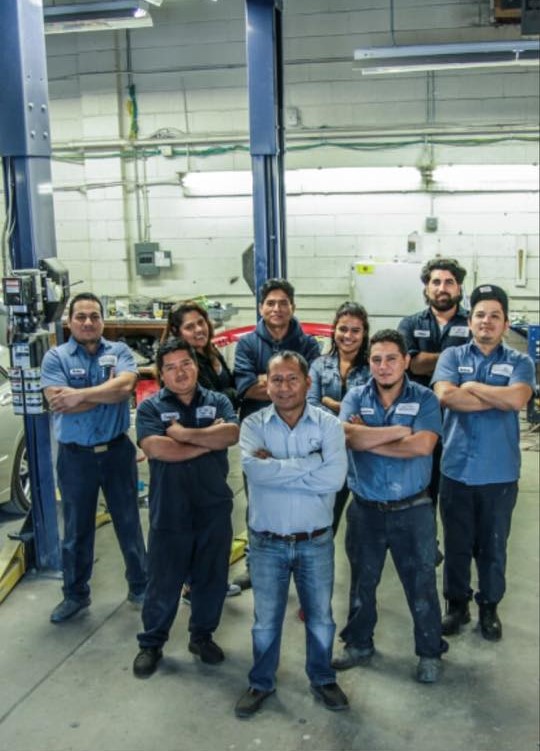
Years of Experience
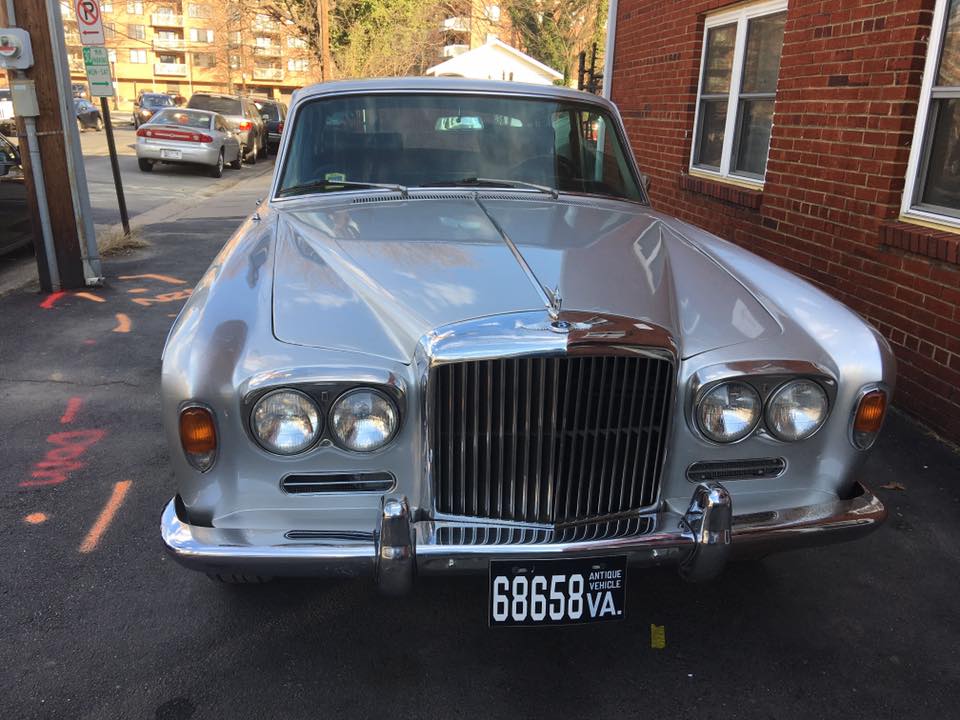
Our skilled technicians provide top-quality paint work, autobody, and general automotive repairs to keep your car looking and running like new. With expert skill and attention to detail, we ensure every job is done right the first time. Trust us for reliable service at a fair price, every time. That’s our guarantee!
Hear from our satisfied customers about our exceptional work, customer care and honest pricing here in Oakton, VA!
Posted on Google
 Ed Gray
Trustindex verifies that the original source of the review is Google.
The staff were super friendly and supportive. The work was done professionally and completed on time. I would use them again!Posted on Google Percy HuamanI brought my car to C&G because it had a mechanical issue. The car broke down at 7:30 PM, and luckily, when I called the shop, they answered right away. They sent a tow truck for me, and the next day, I got the diagnosis. The service was fast and affordable. My technician, Tam, did an excellent job with both the diagnosis and the repair. I had my car back quickly and at a great price. From now on, C&G is my shop! Tam kept me updated with texts and photos, showing me exactly what the problem was and how they fixed it. Super professional all the way. Highly recommend!Posted on Google
 Eric Cioffi
Trustindex verifies that the original source of the review is Google.
TLDR: Some initial issues with my repair but top notch customer service. Adrian is great. There were some issues with my rocker panel repair starting with delays ordering the part, and then it turned out to be the wrong part. They assured me could do the repair perfectly without the part, and I said ok hesitantly. When I picked up the car the work was not up to standard. The texture (sort of pebbled) was not uniform across the whole panel (it cut off suddenly), and where it was applied on the repaired panel it did not match the factory panel on the other side of the car. (It was rougher.) Also on that other side there was a dent I did not remember being there before. I will say that when I explained my concerns over the phone they had me bring the car back and redid the repair free of charge, as well as fix the other dent. Overall it was somewhat of a hassle but I was really impressed with the customer service, and the end result seems to be satisfactory.Posted on Google grendis cifuentesI came to this shop four different ocasión and always left happy and very satisfied, thank you for your hard work C&G Specialty.Posted on Google
 glenda floresFirst experience was a great one! Adrian and Walter were very attentive, polite, and patient. Service was provided on the same day, no appointment necessary (in my experience), and not a long duration of time either. Surely will be returning, when needed.Posted on Google
 R DThese guys are the best!Posted on Google
 Walter FrancoAlways doing fantastic work.Posted on Google
 Maria QuispeThis place is awesome! I had an issue with my car recently and they took care of it quickly and professionally. The guys are super friendly. Adrian and Sergio explained everything clearly and helped throughout the entire process. Thank you!
Experience the top-tier work and customer service that makes C&G the very best in Oakton, VA & the DMV.
From flawless auto body work to reliable repairs, we’ll restore your vehicle’s look and performance with expert care in Oakton, VA and surrounding areas!
Come to us for all of your general automotive needs, from trouble-shooting and diagnostics to regular servicing and insurance claims. C&G has you covered!
With a focus on precision paint and autobody work, our shop delivers top-quality repairs to restore your vehicle’s appearance to factory specs.
Specializing in professional auto paint services, our shop ensures a flawless finished product.
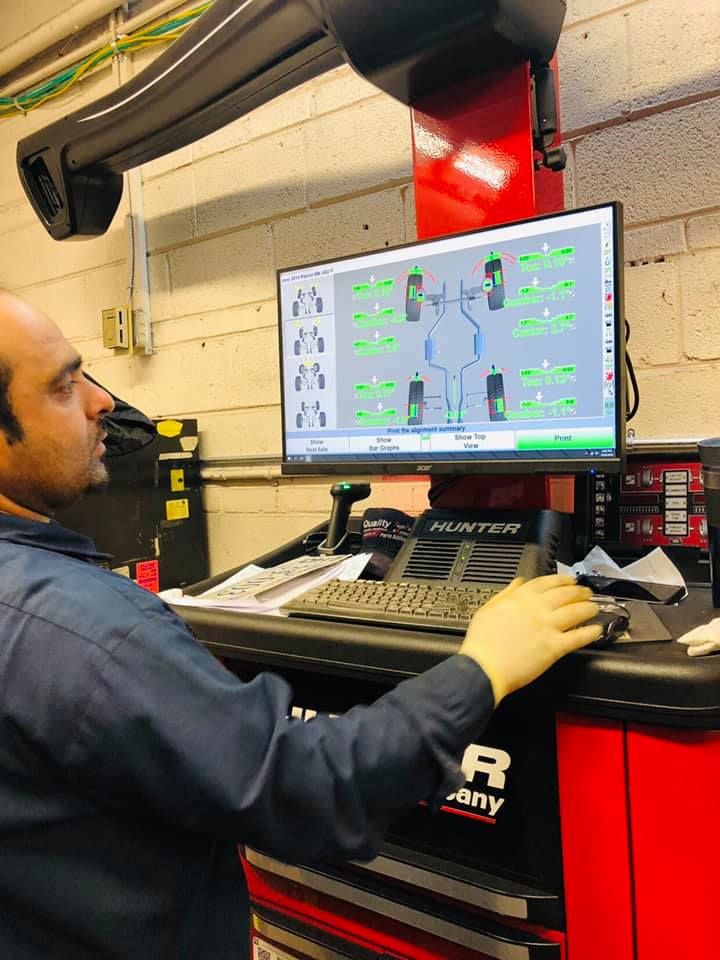
Fully equipped for wheel alignments. We are able to mount, balance & repair tires as well as provide wheel and rim repair.
We also assist with towing and rental car needs and can drop you off at your home or work if you live near by.
Our shop provides fluid servicing and expert transmission replacement to keep you shifting smoothly.
Best prices with top quality fluids and parts for your vehicle.
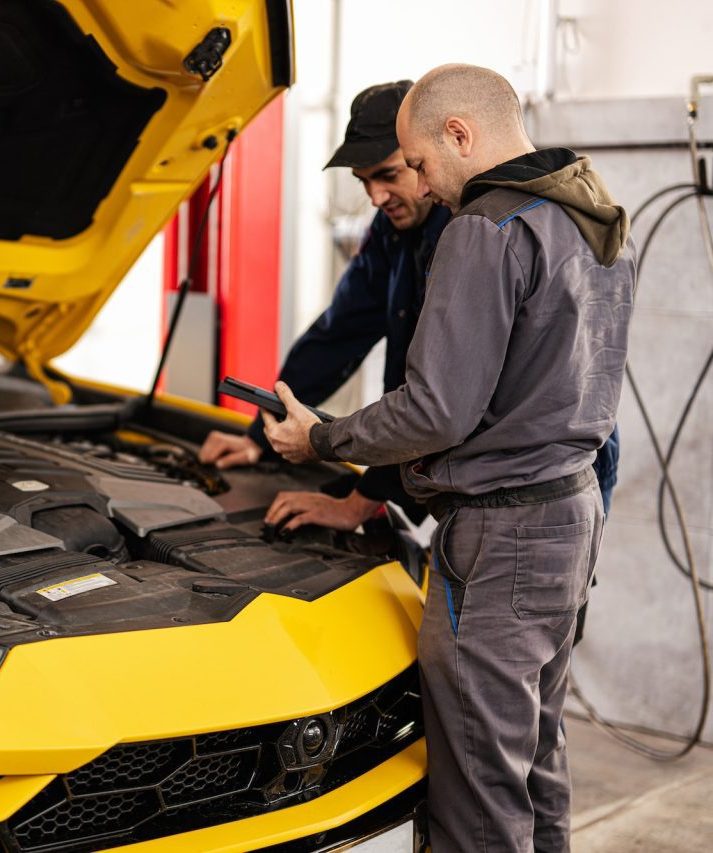
We prioritize quality and customer satisfaction in every auto body, paint, and repair service we provide in Oakton, VA!
When a vehicle arrives at an auto body shop, the first step is the initial inspection and damage assessment process. This critical stage lays the foundation for all subsequent repair work. It ensures that every area of damage is thoroughly identified, documented, and prioritized for repairs.
The process begins with a comprehensive visual inspection of the vehicle. Technicians assess both visible and surface-level damage to identify areas that require immediate attention.
– Scratches, dents, or cracks on external panels.
– Damage to lights, mirrors, windows, or bumpers.
– Any noticeable misalignment in doors or hoods.
This step ensures that all visible issues are recorded properly before moving deeper into identifying underlying problems.
In addition to visual inspections, auto body shops use advanced diagnostic tools to uncover hidden damage that might not be apparent at first glance.
– Electronic Scanners: Help identify electrical or sensor-related issues caused by an accident (e. g. , airbag deployment systems).
– Alignment Machines: Detect whether the vehicle’s frame has shifted or bent during impact.
– Damage Estimation Software: Offers detailed insights into potential internal mechanical issues based on collision data.
These tools are essential for ensuring no detail is overlooked during repairs.
Every detail of the damaged areas is carefully documented using photos and written notes.
1. Provides a clear record for insurance claims processing.
2. Acts as a reference point throughout the repair process to ensure all damages are addressed effectively. 3. Creates transparency between customers and technicians regarding necessary repairs.
Technicians often categorize damages into two groups: cosmetic damage (affecting appearance) and structural/mechanical damage(impacting safety or performance). This categorization helps prioritize critical repairs over aesthetic fixes when necessary.
| Type of Damage | Examples | Priority Level |
| Cosmetic | Scratches, minor dents | Lower (as long as safety isn’t compromised) |
| Structural/Mechanical | Bent frames, suspension issues | High |
Once the assessment is complete, technicians communicate their findings to customers in detail. This includes providing an overview of damages discovered during inspection and explaining which repairs will be necessary for safety versus aesthetic purposes. Transparency at this stage builds trust between customers and repair teams while setting clear expectations about timelines and costs.
For vehicles involved in collisions covered by insurance policies, adjusters often play an important role in this phase as well: – They review documentation provided by the shop. – Conduct their own evaluation if needed. – Approve repair plans based on policy guidelines.
This collaboration ensures that repairs align with insurance requirements while minimizing out-of-pocket expenses for vehicle owners.
The initial inspection and damage assessment process goes beyond simply “looking under the hood. ” It combines professional expertise with cutting-edge technology to create a roadmap for restoring damaged vehicles effectively—setting them on a path back to like-new condition.
When a vehicle arrives at an auto body shop following an accident or incident, the first step is the initial inspection and damage assessment. This critical process allows technicians to identify visible and hidden damage, determine repair needs, and set the stage for the restoration process.
The process begins with a thorough walk-around of the vehicle: – Exterior Review: Checking for dents, scratches, cracked glass, or other visible damage to panels, bumpers, lights, and windows.Interior Inspection: Examining airbags deployment, dashboard condition, and seats for any interior structural issues.Tires and Undercarriage Check: Inspecting tires for punctures or uneven wear caused by alignment problems and looking at potential undercarriage damage.
Not all damage is immediately visible.Scanning Systems: Electronic diagnostic tools plug into the car’s onboard computer to detect malfunctions in safety systems like airbags, lane assist features, or advanced driver-assistance systems (ADAS).Measuring Equipment: Laser-guided measurement systems ensure that frame structures remain within manufacturer specifications.
Thorough documentation ensures accuracy during repairs: – Photos are taken of all damaged areas from multiple angles. – Notes are recorded regarding paint condition before repairs begin (to avoid disputes later). – The vehicle identification number (VIN) is logged to verify make and model-specific repair procedures.
Sometimes external signs like minor dents can mask significant underlying issues: – Crumpled structures within doors or panels might not be apparent until disassembly begins. – Damages to internal components such as radiators or wiring harnesses may require deeper investigation.
Auto body professionals typically categorize damage into: 1.Cosmetic Damage– Scratches or dents that do not impact functionality but affect appearance. 2.Structural Damage– Issues involving the framework of a vehicle which may compromise safety if not addressed properly. 3.Mechanical Damage– Problems with internal engine components or suspension systems resulting from an impact.
Transparency with customers is essential during this phase: – Technicians explain findings in simple terms without overwhelming car owners with technical jargon. – Shops often provide digital photos of damages identified along with preliminary notes to build trust.
By performing a meticulous initial inspection and damage assessment process, auto body shops can accurately chart out repair plans while ensuring no detail is overlooked.
When a vehicle is involved in a collision, one of the most critical aspects of the repair process is addressing structural damage. The frame of a car acts as its foundation, ensuring safety, stability, and proper alignment. If this foundation is compromised, it can lead to long-term issues such as uneven tire wear, steering problems, and even reduced crash protection. Here’s an overview of how auto body shops handle structural repairs and frame alignment to restore vehicles to their original specifications.
The first step in addressing structural issues is thoroughly inspecting the vehicle to identify damage to its frame or unibody.
By prioritizing proper repair techniques for frames and structures, auto body shops play an essential role in restoring both safety and performance after an accident.
When it comes to restoring a damaged vehicle, structural repairs and frame alignment are some of the most critical steps in the auto body repair process. These elements ensure that the car is not only visually appealing but also safe to drive and structurally sound. Addressing damage to the frame and structure requires precision, expertise, and state-of-the-art equipment.
The structural framework of a car is like its skeleton, designed to absorb impact during collisions while protecting passengers. If this framework is compromised, even minor accidents can have severe consequences due to weakened safety features.
Even small deviations in a vehicle’s frame can compromise its performance on the road over time. That’s why professional auto body shops invest heavily in training technicians as well as maintaining cutting-edge equipment that ensures every millimeter counts during realignment work.
Frame restoration is about more than aesthetics—it directly affects how well your car performs under everyday conditions while providing peace of mind regarding your safety behind the wheel after an accident has occurred.
One of the most intricate and fascinating processes inside an auto body shop is paint matching. A visually seamless repair hinges on replicating the exact hue, texture, and finish of the original paint.
– The driver’s side door jamb
– Under the hood (on the firewall or near the radiator)
– Spectrophotometers: These devices analyze the vehicle’s current paint to measure its unique composition and characteristics. This data helps technicians create a custom formula that accounts for any fading or aging effects.
– Color Chips and Fan Decks: These physical samples provide visual references for technicians when fine-tuning paint blends. They offer subtle shade variations for finding an exact match under specific lighting conditions.
Several variables can impact how accurately paint matches are achieved:
1.Lighting Conditions: Colors can appear different under diverse lighting sources (natural sunlight vs fluorescent light). Shops often use controlled lighting environments for consistency during comparisons. 2.Application Technique: Paint thickness, spray pressure, and distance all affect how well new coats blend with existing ones. 3.Metallics and Pearls: Special finishes like metallic flecks or pearlescent paints require more detailed blending techniques to recreate their reflective properties.
Once a match has been formulated, painting involves multiple stages: 1.Surface Preparation: – Sanding down damaged areas. – Applying primer coats to create adhesion for new layers. 2.Color Application: – Carefully spraying thin layers of matched paint until full coverage is achieved. 3.Clear Coating: – Adding protective layers that enhance gloss while shielding against UV rays and weathering.
After completing repairs, technicians perform thorough inspections to ensure uniformity: – Comparing repaired panels with adjacent ones under natural light. – Checking for inconsistencies such as overspray or uneven blending.
The science of paint matching combines artistry with technology, elevating auto body repair beyond basic fixes into precision craftsmanship that restores not just functionality but also aesthetic integrity to vehicles after an accident or damage event.
One of the most fascinating aspects of auto body repair is the process of paint matching.
When a car is repaired after damage, mismatched paint can make even the best structural repairs seem incomplete or unprofessional. Modern vehicles are painted with complex finishes that include multiple layers, from base coats to clear coats, often with metallic or pearlescent effects. A perfect match ensures a seamless repair where no one can distinguish between the original factory finish and the repaired area.
| Tool/Technique | Purpose |
| Color Code Database | Identifies manufacturer-specific formulas |
| Spectrophotometer | Scans existing color for precise formulation |
| Spray Booths | Provides controlled environment for painting |
| UV Lamps | Cures clear coats quickly while ensuring durability |
| Microfiber Buffing Tools | Polishes final surfaces for a smooth finish |
Despite advancements in technology, challenges remain: – Variations in factory-applied finishes due to production line differences. – Custom paints or aftermarket modifications that deviate from original specifications. – Environmental changes (e. g. , humidity) affecting how paint dries during application.
While technology provides significant support in paint matching, success ultimately depends on skilled technicians who understand how colors interact under different conditions. Their expertise ensures even the most nuanced shades are captured accurately.
With precise techniques and modern tools at their disposal, today’s auto body professionals are able to achieve results that leave no trace of previous damage—restoring not only your vehicle’s appearance but also its value.