Come see the difference C&G makes. Offering expert full-service mechanical, maintenance & repair in addition to our top rated collision and paint shop.
Looking for expert auto body and paint services at competitive prices? Our shop specializes in restoring and enhancing your vehicle’s appearance while providing top-notch service, maintenance and repairs. We ensure your car not only looks great but also performs at its best!
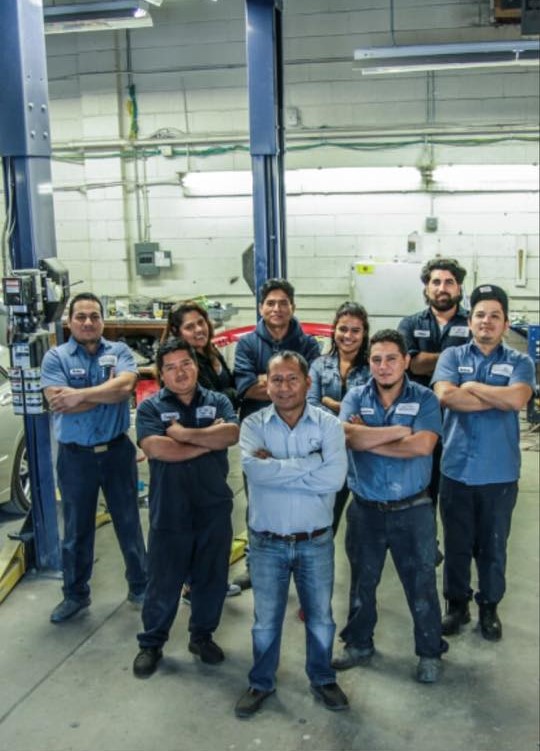
Years of Experience
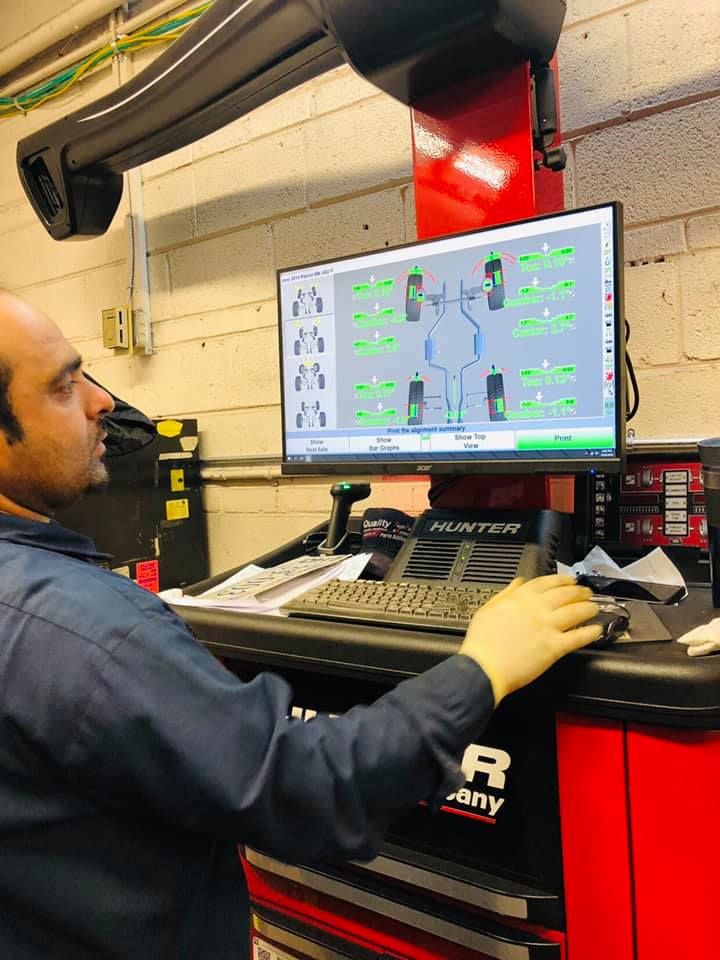
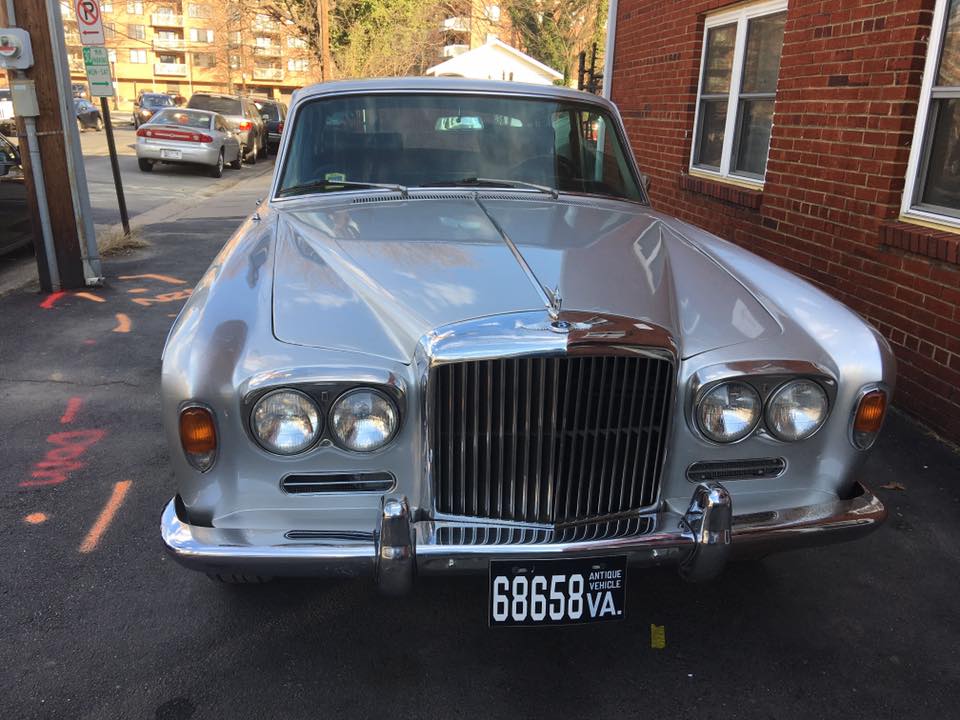
Our skilled technicians provide top-quality paint work, autobody, and general automotive repairs to keep your car looking and running like new. With expert skill and attention to detail, we ensure every job is done right the first time. Trust us for reliable service at a fair price, every time. That’s our guarantee!
Hear from our satisfied customers about our exceptional work, customer care and honest pricing here in Parkville, MD!
Posted on Google
 Ed Gray
Trustindex verifies that the original source of the review is Google.
The staff were super friendly and supportive. The work was done professionally and completed on time. I would use them again!Posted on Google Percy HuamanI brought my car to C&G because it had a mechanical issue. The car broke down at 7:30 PM, and luckily, when I called the shop, they answered right away. They sent a tow truck for me, and the next day, I got the diagnosis. The service was fast and affordable. My technician, Tam, did an excellent job with both the diagnosis and the repair. I had my car back quickly and at a great price. From now on, C&G is my shop! Tam kept me updated with texts and photos, showing me exactly what the problem was and how they fixed it. Super professional all the way. Highly recommend!Posted on Google
 Eric Cioffi
Trustindex verifies that the original source of the review is Google.
TLDR: Some initial issues with my repair but top notch customer service. Adrian is great. There were some issues with my rocker panel repair starting with delays ordering the part, and then it turned out to be the wrong part. They assured me could do the repair perfectly without the part, and I said ok hesitantly. When I picked up the car the work was not up to standard. The texture (sort of pebbled) was not uniform across the whole panel (it cut off suddenly), and where it was applied on the repaired panel it did not match the factory panel on the other side of the car. (It was rougher.) Also on that other side there was a dent I did not remember being there before. I will say that when I explained my concerns over the phone they had me bring the car back and redid the repair free of charge, as well as fix the other dent. Overall it was somewhat of a hassle but I was really impressed with the customer service, and the end result seems to be satisfactory.Posted on Google grendis cifuentesI came to this shop four different ocasión and always left happy and very satisfied, thank you for your hard work C&G Specialty.Posted on Google
 glenda floresFirst experience was a great one! Adrian and Walter were very attentive, polite, and patient. Service was provided on the same day, no appointment necessary (in my experience), and not a long duration of time either. Surely will be returning, when needed.Posted on Google
 R DThese guys are the best!Posted on Google
 Walter FrancoAlways doing fantastic work.Posted on Google
 Maria QuispeThis place is awesome! I had an issue with my car recently and they took care of it quickly and professionally. The guys are super friendly. Adrian and Sergio explained everything clearly and helped throughout the entire process. Thank you!
Experience the top-tier work and customer service that makes C&G the very best in Parkville, MD & the DMV.
From flawless auto body work to reliable repairs, we’ll restore your vehicle’s look and performance with expert care in Parkville, MD and surrounding areas!
Come to us for all of your general automotive needs, from trouble-shooting and diagnostics to regular servicing and insurance claims. C&G has you covered!
With a focus on precision paint and autobody work, our shop delivers top-quality repairs to restore your vehicle’s appearance to factory specs.
Specializing in professional auto paint services, our shop ensures a flawless finished product.
Fully equipped for wheel alignments. We are able to mount, balance & repair tires as well as provide wheel and rim repair.
We also assist with towing and rental car needs and can drop you off at your home or work if you live near by.
Our shop provides fluid servicing and expert transmission replacement to keep you shifting smoothly.
Best prices with top quality fluids and parts for your vehicle.
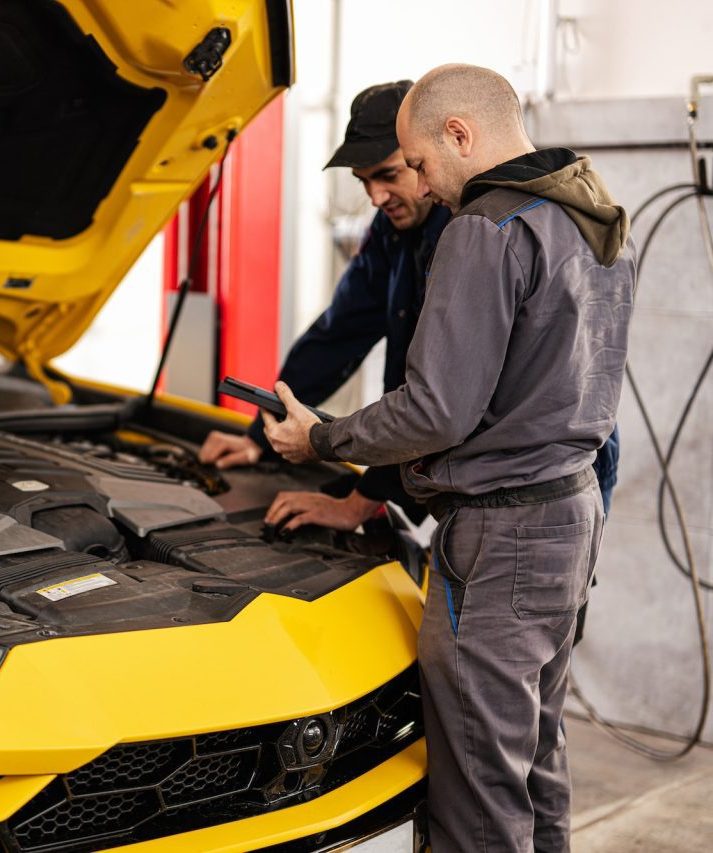
We prioritize quality and customer satisfaction in every auto body, paint, and repair service we provide in Parkville, MD!
Regular maintenance is critical to keeping your car running smoothly and ensuring it stays on the road for as long as possible. Neglecting routine care can lead to expensive repairs, reduced performance, and even safety issues. Understanding the importance of consistent upkeep can save you money in the long run and maximize your vehicle’s value.
Regular car maintenance extends your vehicle’s lifespan by addressing minor issues before they become major problems.
| Task | Frequency | Why It Matters |
| Oil changes | Every 3,000–7,500 miles (check manual) | Keeps engine lubricated and prevents overheating |
| Tire rotation & alignment | Every 5,000–8,000 miles | Promotes even tire wear and improves fuel economy |
| Brake inspection | At least once a year | Ensures safe stopping power |
| Fluid checks (coolant, brake fluid) | Monthly or during service intervals | Prevents overheating & maintains system functionality |
| Air filter replacement | Every 12 months or 12,000–15,000 miles | Improves airflow and boosts engine efficiency |
While some basic tasks like checking tire pressure or cleaning the exterior can be done at home easily enough, other services require expertise. Building a relationship with a trusted mechanic ensures that scheduled inspections are thorough and done correctly based on manufacturer recommendations.
Scheduling regular tune-ups is an investment in both safety on the road today and durability over time.
By committing to consistent maintenance routines tailored to your specific vehicle make—and by enlisting professional help when needed—you can enjoy years of reliable performance from your car without unexpected disruptions. Avoid letting minor problems go unnoticed; staying proactive sets the foundation for longevity when it comes to automobile care.
Routine maintenance is critical to keeping your car running efficiently and prolonging its lifespan. A well-maintained vehicle not only performs better but also reduces the likelihood of costly repairs in the future. Below, we’ll explore the importance of regular maintenance and provide actionable steps to help you stay on top of it.
The engine oil lubricates moving parts and reduces friction while keeping the engine clean. Over time, oil collects dirt and becomes less effective.
Proper tire maintenance improves fuel efficiency as well as overall safety.
| Tire Issue | Warning Sign | Action Needed |
| Low pressure | Poor handling | Inflate to recommended PSI |
| Uneven tread wear | Vibration while driving | Rotate or align tires |
| Balding treads | Skidding/slipping | Replace tires |
Brake pads wear down over time and should be checked regularly to avoid compromising safety.
Your car battery powers essential systems like ignition and electronics. Neglecting it can lead to sudden breakdowns.
Regular upkeep may feel like an inconvenience at times; however, it is one of the most effective ways to ensure reliability and longevity. By prioritizing consistent care for your car’s core systems—from oil changes to brake inspections—you’ll save money in the long run while enjoying peace of mind behind the wheel.
Your vehicle’s brakes are one of the most critical components for safety, making it essential to understand common brake issues and how to avoid them. Proper brake care not only ensures your safety but also saves you from expensive repairs down the line. Below, we’ll explore common brake problems, their causes, prevention strategies, and symptoms you should never ignore.
| Symptom | Possible Cause | Action to Take |
| Squealing while braking | Worn-out pads | Replace pads immediately |
| Grinding noises | Metal-on-metal contact from worn pads | Have rotors inspected |
| Vibration in pedal | Warped rotors | Machine/replace rotors |
| Reduced responsiveness | Air in lines/leaking fluid | Check fluid levels/seals |
| Pulling sensation | Sticking caliper/misaligned system | Inspect calipers |
Addressing these issues promptly can save money while ensuring safe driving conditions.
Neglecting your brakes puts not only you but also other road users at risk—faulty brakes are a leading cause of accidents globally. By following preventive measures such as regular inspections and addressing minor concerns early on, you’ll enjoy a safer ride while extending the life of your vehicle’s braking system.
Taking proactive steps toward maintaining your car’s brakes will give you peace of mind every time you get behind the wheel—a small investment in care today prevents larger problems tomorrow.
Improving fuel efficiency is not only good for your wallet but also reduces your carbon footprint and extends the overall life of your vehicle. By adopting some simple habits and paying attention to your car’s maintenance, you can maximize mileage while ensuring a smooth driving experience.
Aggressive driving, such as rapid acceleration, hard braking, and speeding, can waste significant amounts of fuel.
– Accelerate gradually: Press the gas pedal gently rather than flooring it.
– Maintain a steady speed: Use cruise control on highways where possible to minimize fluctuations in speed.
– Avoid idling unnecessarily: Turn off the engine if you anticipate being stationary for more than a minute or two.
Underinflated tires create more rolling resistance, meaning the engine has to work harder to move the vehicle forward. This reduces fuel efficiency significantly.
– Ensure tires are inflated to the manufacturer-recommended PSI (found in your vehicle’s manual or door jamb sticker).
– Keep in mind that overinflating tires doesn’t improve fuel economy and could lead to uneven tire wear or reduced safety on the road.
| Tire Pressure Level | Effect on Fuel Economy | Safety Impact |
| Underinflated | Decreases efficiency | Higher risk of blowouts |
| Correct inflation | Optimal performance | Safer handling |
| Overinflated | Little/no improvement | Reduced traction |
Carrying unnecessary cargo adds extra weight to your vehicle, requiring more energy (and fuel) to move it forward.
– Removing heavy items from your trunk unless needed.
– Avoiding roof racks or carriers when they’re not in use, as they increase aerodynamic drag.
A well-maintained engine runs more efficiently:
– Replace air filters as recommended; clogged filters reduce air intake and force the engine to work harder. – Have spark plugs inspected during routine maintenance; worn-out plugs can decrease combustion efficiency. – Follow manufacturer guidelines on oil changes—fresh oil reduces internal friction within the engine.
Shorter or less congested routes can save time and reduce fuel consumption: – Use navigation apps that provide real-time traffic updates. – Combine errands into one trip rather than making multiple shorter trips. – Drive during off-peak hours when traffic is lighter.
While air conditioning improves comfort during warmer months, it places added strain on your car’s engine: – Use ventilation when possible instead of AC at lower speeds. – At highway speeds, keep windows closed and use AC sparingly; open windows increase aerodynamic drag at high speeds.
By incorporating these practices into your routine, you can make a noticeable difference in how efficiently your car consumes fuel while promoting better environmental responsibility without compromising performance.
Improving fuel efficiency is an essential aspect of car care that benefits both your wallet and the environment. By adopting a few simple practices, vehicle owners can minimize fuel consumption, reduce carbon emissions, and save money on gas. Below are some actionable tips to help you get the most out of every gallon of fuel.
Underinflated tires increase rolling resistance, making the engine work harder and consume more fuel. Regularly check your tire pressure using a pressure gauge, and ensure it matches the manufacturer’s recommended levels (typically listed in your owner’s manual or on a label inside the driver’s door).
Rapid acceleration, harsh braking, and speeding waste gas significantly. Instead: – Accelerate gradually. – Use gentle braking when stopping. – Drive at consistent speeds on highways using cruise control where possible.
Driving smoothly not only improves mileage but also preserves engine life and reduces wear on other components like brakes.
Carrying unnecessary weight in your vehicle forces the engine to use more power, increasing fuel consumption. Keep your trunk or cargo area clear of items you don’t need.
Idling burns more gas than restarting the engine when parked for long periods. If you’re stopped for over a minute, it’s better to turn off the car. Modern engines are designed to handle frequent restarts without added stress.
A well-maintained engine runs more efficiently: – Replace air filters regularly for better airflow. – Ensure spark plugs are in good condition; worn plugs can misfire and decrease mileage. – Use high-quality motor oil recommended by your manufacturer.
Additionally, staying up-to-date with oil changes helps maintain proper lubrication and prevents engine strain that increases fuel consumption.
| Maintenance Task | Frequency |
| Air Filter Replacement | Every 12,000–15,000 miles |
| Spark Plug Check | Every 30,000–100,000 miles (varies by type) |
| Oil Change | As per manufacturer guidelines (often every 5,000–7,500 miles) |
Frequent short trips from a cold start use more fuel than combining errands into one longer trip. Plan ahead: – Combine multiple errands into one outing. – Use navigation apps to find shorter routes with less traffic congestion.
Carpooling or using public transport when possible also helps cut down on individual vehicle use while conserving energy collectively.
Use mobile apps or your car’s onboard computer system to monitor average miles per gallon (MPG). A sudden decline in MPG can indicate issues like low tire pressure or an underlying mechanical problem requiring attention.
By implementing these strategies consistently as part of your driving routine, you’ll achieve noticeable improvements in both fuel efficiency and overall vehicle performance—all while contributing positively toward environmental conservation efforts.
Understanding the most frequent causes of car breakdowns can help you prevent these issues, save money on costly repairs, and stay safe on the road. While modern vehicles are generally more reliable than ever, they still require regular care and attention to avoid unexpected failures. Below, we’ll explore some of the most common reasons cars break down and how you can minimize these risks.
A dead or faulty battery is one of the leading causes of vehicle breakdowns. Batteries naturally degrade over time, but other factors like extreme weather or leaving lights on can accelerate the process.
Prevention Tips:
– Test your battery regularly (at least once a year) to ensure it’s holding a charge.
– Look for corrosion around battery terminals and clean them if necessary. – Avoid leaving your car’s electrical components (lights, radio) running when the engine isn’t on. – Replace your battery every 3-5 years or as recommended by your manufacturer.
| Symptom | Possible Cause |
| Slow engine crank | Low charge or failing battery |
| Clicking sound | Loose or corroded battery connections |
| No interior lights | Fully drained or defective battery |
Flat tires, punctures, and blowouts are not only inconvenient but also dangerous while driving. Underinflated tires are often an overlooked cause that leads to faster wear and potential failure.
Prevention Tips:
– Inspect tires for visible damage such as cracks, bulges, or worn-out treads. – Rotate your tires every 5,000–7,500 miles to promote even wear. – Keep a spare tire in good condition and learn how to change it if necessary.
Engine overheating is another common problem that often leads to breakdowns if ignored. It typically arises from coolant leaks or malfunctioning parts such as the radiator or water pump.
Prevention Tips:
– Regularly check coolant levels and ensure there are no leaks in the system. – Flush and refill your coolant system as per manufacturer recommendations. – Monitor dashboard temperature indicators while driving; stop immediately if you see it creeping into the red zone.
Faulty spark plugs or a malfunctioning ignition coil can prevent your car from starting altogether.
Prevention Tips:
– Replace spark plugs approximately every 30,000–100,000 miles based on your vehicle’s requirements. – Inspect ignition components during routine servicing for signs of wear or damage.
Running out of gas may sound like an obvious issue but remains one of the top reasons drivers are stranded on roadsides. Additionally, clogged fuel filters or failing fuel pumps can hinder performance.
Prevention Tips:
– Keep at least a quarter tank of gas at all times to avoid straining the fuel pump.
– Replace fuel filters at intervals suggested by your car’s manufacturer.
By recognizing these common causes of breakdowns and taking proactive steps to address them before they escalate into bigger problems, you’ll reduce stress and unexpected expenses while keeping yourself safe on the road. Regular maintenance checks remain key—use this list as part of your routine care strategy to ensure smooth travels for years ahead.