Come see the difference C&G makes. Offering expert full-service mechanical, maintenance & repair in addition to our top rated collision and paint shop.
Looking for expert auto body and paint services at competitive prices? Our shop specializes in restoring and enhancing your vehicle’s appearance while providing top-notch service, maintenance and repairs. We ensure your car not only looks great but also performs at its best!
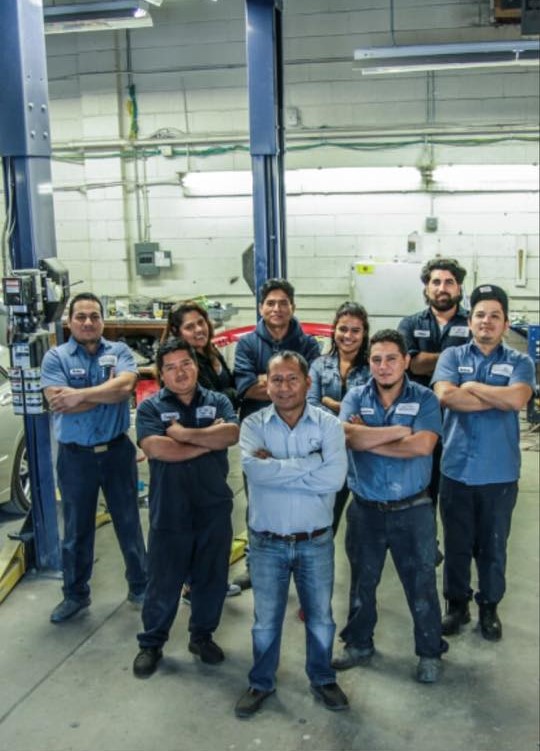
Years of Experience
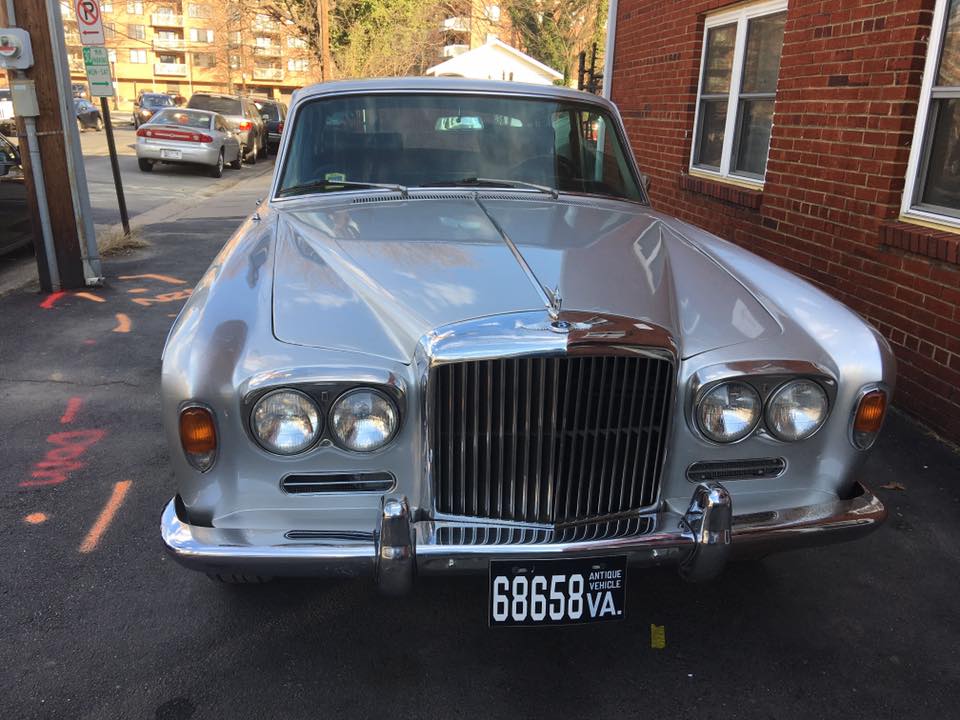
Our skilled technicians provide top-quality paint work, autobody, and general automotive repairs to keep your car looking and running like new. With expert skill and attention to detail, we ensure every job is done right the first time. Trust us for reliable service at a fair price, every time. That’s our guarantee!
Hear from our satisfied customers about our exceptional work, customer care and honest pricing here in South Riding, VA!
Posted on GoogleTrustindex verifies that the original source of the review is Google. The staff were super friendly and supportive. The work was done professionally and completed on time. I would use them again!Posted on GoogleTrustindex verifies that the original source of the review is Google. I brought my car to C&G because it had a mechanical issue. The car broke down at 7:30 PM, and luckily, when I called the shop, they answered right away. They sent a tow truck for me, and the next day, I got the diagnosis. The service was fast and affordable. My technician, Tam, did an excellent job with both the diagnosis and the repair. I had my car back quickly and at a great price. From now on, C&G is my shop! Tam kept me updated with texts and photos, showing me exactly what the problem was and how they fixed it. Super professional all the way. Highly recommend!Posted on GoogleTrustindex verifies that the original source of the review is Google. TLDR: Some initial issues with my repair but top notch customer service. Adrian is great. There were some issues with my rocker panel repair starting with delays ordering the part, and then it turned out to be the wrong part. They assured me could do the repair perfectly without the part, and I said ok hesitantly. When I picked up the car the work was not up to standard. The texture (sort of pebbled) was not uniform across the whole panel (it cut off suddenly), and where it was applied on the repaired panel it did not match the factory panel on the other side of the car. (It was rougher.) Also on that other side there was a dent I did not remember being there before. I will say that when I explained my concerns over the phone they had me bring the car back and redid the repair free of charge, as well as fix the other dent. Overall it was somewhat of a hassle but I was really impressed with the customer service, and the end result seems to be satisfactory.Posted on GoogleTrustindex verifies that the original source of the review is Google. I came to this shop four different ocasión and always left happy and very satisfied, thank you for your hard work C&G Specialty.Posted on GoogleTrustindex verifies that the original source of the review is Google. First experience was a great one! Adrian and Walter were very attentive, polite, and patient. Service was provided on the same day, no appointment necessary (in my experience), and not a long duration of time either. Surely will be returning, when needed.Posted on GoogleTrustindex verifies that the original source of the review is Google. These guys are the best!Posted on GoogleTrustindex verifies that the original source of the review is Google. Always doing fantastic work.Posted on GoogleTrustindex verifies that the original source of the review is Google. This place is awesome! I had an issue with my car recently and they took care of it quickly and professionally. The guys are super friendly. Adrian and Sergio explained everything clearly and helped throughout the entire process. Thank you!
Experience the top-tier work and customer service that makes C&G the very best in South Riding, VA & the DMV.
From flawless auto body work to reliable repairs, we’ll restore your vehicle’s look and performance with expert care in South Riding, VA and surrounding areas!
Come to us for all of your general automotive needs, from trouble-shooting and diagnostics to regular servicing and insurance claims. C&G has you covered!
With a focus on precision paint and autobody work, our shop delivers top-quality repairs to restore your vehicle’s appearance to factory specs.
Specializing in professional auto paint services, our shop ensures a flawless finished product.
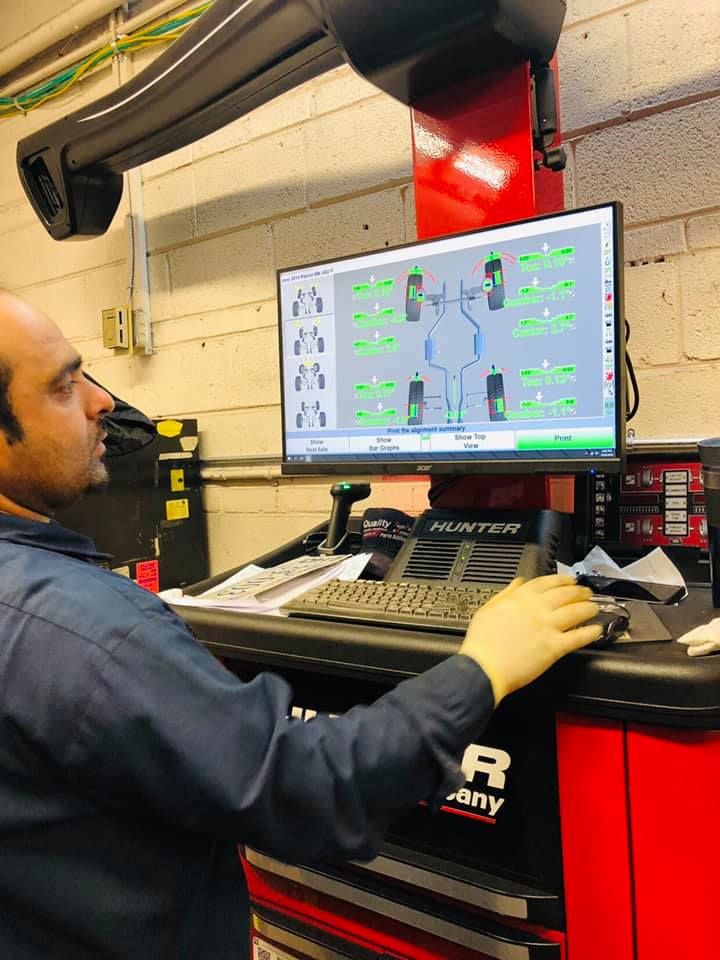
Fully equipped for wheel alignments. We are able to mount, balance & repair tires as well as provide wheel and rim repair.
We also assist with towing and rental car needs and can drop you off at your home or work if you live near by.
Our shop provides fluid servicing and expert transmission replacement to keep you shifting smoothly.
Best prices with top quality fluids and parts for your vehicle.
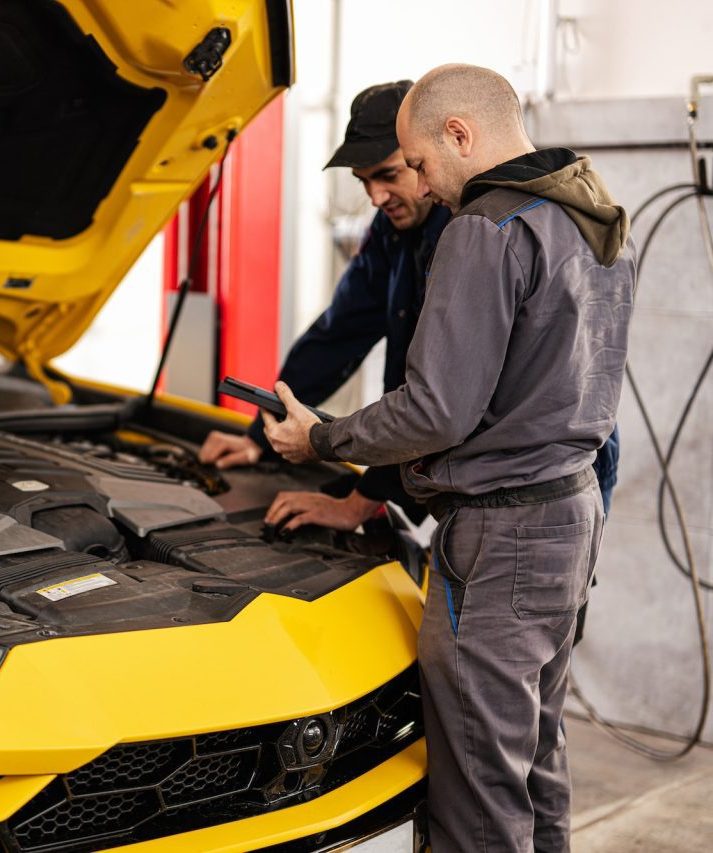
We prioritize quality and customer satisfaction in every auto body, paint, and repair service we provide in South Riding, VA!
When a damaged vehicle arrives at an auto body shop, the first and perhaps most crucial step in its restoration is a thorough assessment of both visible and hidden damage. This process ensures that no issue goes unnoticed, which is vital to restoring the vehicle to its pre-accident condition. Auto body technicians draw on advanced tools, specialized training, and hands-on expertise to carry out this critical task.
The first stage in damage assessment begins with a detailed visual inspection of the exterior. During this step, technicians look for:
– Obvious structural damage: Dents, scratches, or crushed panels.
– Misaligned components: Doors, hoods, trunks, or bumpers that don’t align correctly can indicate deeper issues.
– Signs of impact stress: Cracks in paint or uneven surfaces may suggest structural compromise beneath the surface.
This phase helps technicians identify areas requiring immediate attention while laying the groundwork for more extensive diagnostics.
| Component/Area | Examples of Potential Hidden Damage |
| Frame | Bends, twists, or cracks affecting vehicle strength |
| Suspension System | Bent control arms or damaged strut mounts |
| Electrical Systems | Disconnected wires or damaged sensors |
| Cooling Systems | Radiator leaks caused by front-end impacts |
Skipping steps during this phase can lead to incomplete repairs that compromise safety and aesthetics later on. For instance:
– A bent frame left unaddressed could affect steering alignment or make future accidents more dangerous. – Malfunctioning airbags might not deploy properly if unseen sensor damage is overlooked.
By thoroughly assessing every area of the vehicle—both externally visible sections and concealed components—technicians ensure that all repairs meet safety standards while delivering high-quality results.
With clear documentation from their assessments in hand (including photographs and repair estimates), auto body shops can also effectively communicate repair needs with their clients and insurance companies alike. This transparent process builds trust while ensuring there are no surprises during restoration work.
When a vehicle reaches an auto body shop after an accident, assessing its condition is the critical first step in the restoration process. Technicians use a combination of visual inspections, advanced diagnostic tools, and specialized techniques to identify both visible and hidden damage. This ensures that repairs address not only what is immediately apparent but also any underlying issues that may compromise safety or performance.
| Area | Possible Issues |
| Suspension System | Bent control arms or misaligned wheels |
| Electrical Wiring | Frayed wires affecting sensors or lighting |
| Undercarriage | Scrapes or dents compromising fuel lines/exhaust |
| Cooling System | Damaged radiators impairing engine performance |
By combining expertise with modern technology during the assessment stage, technicians lay the groundwork for safe and effective restoration work—ensuring that every vehicle leaves the shop ready for the road ahead. This meticulous approach protects drivers while maintaining the long-term integrity of their vehicles.
When it comes to modern auto body repair, precision is paramount. A damaged vehicle needs to be restored not just to its pre-accident appearance but also to its original structural integrity and safety standards. This is where precision measuring systems play a critical role in ensuring accuracy throughout the repair process. These advanced systems help technicians identify misalignments, track structural damage, and ensure that every component of the vehicle is returned to factory specifications.
Restoring a vehicle isn’t just about aesthetics—it’s about safety and functionality. Misaligned frames or parts can lead to:
– Compromised Safety: A poorly repaired frame may perform inadequately during future collisions, putting occupants at risk.
– Premature Wear and Tear: Misaligned parts can cause irregular stress on components like suspension and tires, leading to mechanical issues over time.
– Reduced Resale Value: Vehicles with lingering structural problems may lose market value, even if they look fine on the surface.
Precision measuring systems address these potential problems by ensuring repairs are performed with millimeter-level accuracy.
For vehicle owners, precision measuring systems provide peace of mind by ensuring:
– Repairs meet stringent safety standards set by manufacturers.
– The car’s handling and performance are restored fully after an accident.
– No hidden issues linger post-repair that could lead to additional costs down the road.
| Feature | Benefit | Example |
| Laser Accuracy | Millimeter precision | Ensures seamless door alignment after repairs |
| OEM Data Integration | Restores factory specifications | Safe airbag deployment in future collisions |
| Real-Time Verification | Prevents guesswork during repairs | Saves time while improving reliability |
Precision measuring systems represent one of the most important advancements in collision repair technology today. By leveraging these tools effectively, technicians ensure vehicles leave their care safer and stronger than ever before—meeting both aesthetic and technical expectations seamlessly without cutting corners or compromising quality standards.
The vehicle refinishing process is a critical step in restoring a car’s appearance after damage. It not only ensures the vehicle looks as good as it did before the accident but also provides lasting protection to its exterior surfaces. This process requires precision, skill, and high-quality materials to achieve a flawless finish that meets both aesthetic and functional standards.
| Tool/Equipment | Purpose |
| Spray Guns | For even distribution of primer, paint, and clear coat |
| Color-Matching Systems | To ensure exact match with original vehicle color |
| Sanding Tools | Used during prep work for smooth surfaces |
| Paint Booths | Clean environments that prevent debris contamination |
The refinishing process demonstrates how careful attention to detail transforms damaged vehicles into their pre-collision state while ensuring longevity in their appearance. Skilled technicians leverage technology alongside their expertise at every stage for optimal results throughout this complex procedure.
Once a damaged vehicle has undergone meticulous repairs, the final step in the restoration process is quality assurance. This phase ensures that all repairs meet professional standards, safety guidelines, and customer expectations. The goal is to deliver a vehicle that looks and performs as it did before the damage—or even better. Below is an overview of how quality assurance checks are carried out in auto body shops.
This step ensures the car drives as safely and smoothly as intended.
Some high-end auto body shops also offer waxing or protective coatings at this stage.
When the customer arrives for pickup, most shops provide a walkthrough of completed repairs. This includes explaining what was fixed or replaced as well as providing documentation such as repair invoices or warranties on parts/labor performed.
Providing this level of transparency reassures customers about both safety measures taken during repair processes and long-term care recommendations for their restored vehicles.
Quality assurance is not just about meeting technical standards; it’s also about building trust with customers by confirming their vehicle has been restored with precision and care—ready for safe use once again on roads ahead.
Before a restored vehicle is returned to its owner, it undergoes a meticulous quality assurance process. This ensures that all repairs meet safety standards, look seamless, and restore the vehicle to its pre-accident condition—both aesthetically and functionally. Here’s how auto body shops handle this critical step.
| System | Common Calibrations After Repair |
| Lane Assist Cameras | Ensuring proper focus and alignment |
| Parking Sensors | Verifying detection range and accuracy |
| Adaptive Cruise Control | Rechecking distance measurements |
A brief walkthrough allows customers to inspect their vehicle themselves before leaving the shop—building trust while demonstrating commitment to high-quality results every step of the way.