Come see the difference C&G makes. Offering expert full-service mechanical, maintenance & repair in addition to our top rated collision and paint shop.
Looking for expert auto body and paint services at competitive prices? Our shop specializes in restoring and enhancing your vehicle’s appearance while providing top-notch service, maintenance and repairs. We ensure your car not only looks great but also performs at its best!
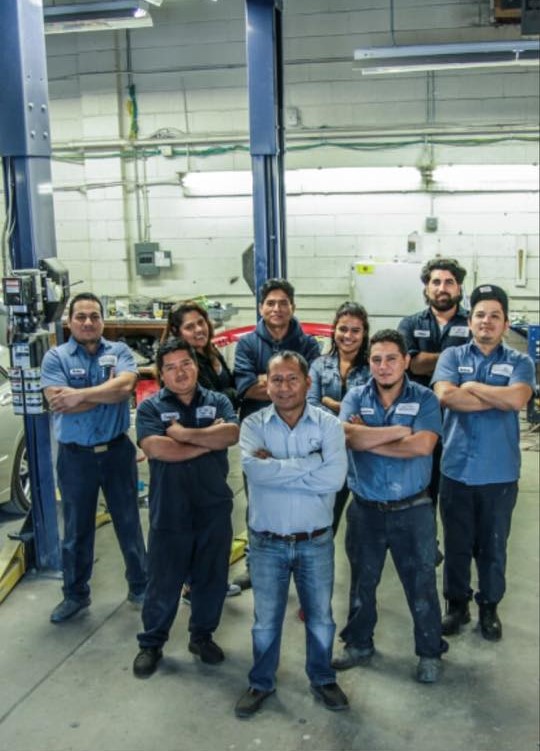
Years of Experience
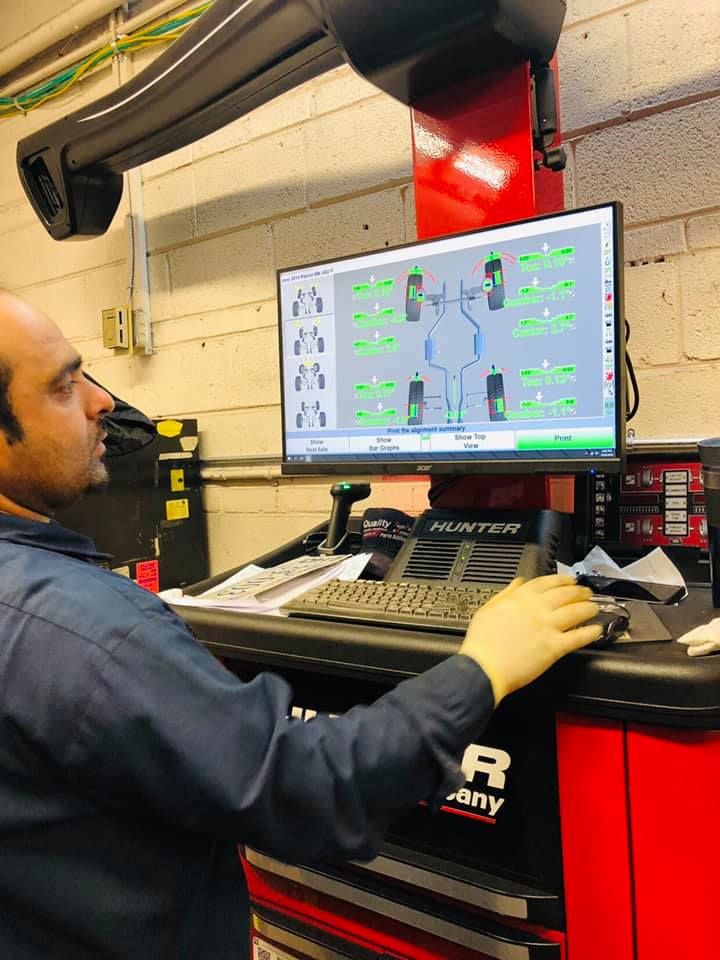

Our skilled technicians provide top-quality paint work, autobody, and general automotive repairs to keep your car looking and running like new. With expert skill and attention to detail, we ensure every job is done right the first time. Trust us for reliable service at a fair price, every time. That’s our guarantee!
Hear from our satisfied customers about our exceptional work, customer care and honest pricing here in Sterling, VA!
Posted on Google
 Ed Gray
Trustindex verifies that the original source of the review is Google.
The staff were super friendly and supportive. The work was done professionally and completed on time. I would use them again!Posted on Google Percy HuamanI brought my car to C&G because it had a mechanical issue. The car broke down at 7:30 PM, and luckily, when I called the shop, they answered right away. They sent a tow truck for me, and the next day, I got the diagnosis. The service was fast and affordable. My technician, Tam, did an excellent job with both the diagnosis and the repair. I had my car back quickly and at a great price. From now on, C&G is my shop! Tam kept me updated with texts and photos, showing me exactly what the problem was and how they fixed it. Super professional all the way. Highly recommend!Posted on Google
 Eric Cioffi
Trustindex verifies that the original source of the review is Google.
TLDR: Some initial issues with my repair but top notch customer service. Adrian is great. There were some issues with my rocker panel repair starting with delays ordering the part, and then it turned out to be the wrong part. They assured me could do the repair perfectly without the part, and I said ok hesitantly. When I picked up the car the work was not up to standard. The texture (sort of pebbled) was not uniform across the whole panel (it cut off suddenly), and where it was applied on the repaired panel it did not match the factory panel on the other side of the car. (It was rougher.) Also on that other side there was a dent I did not remember being there before. I will say that when I explained my concerns over the phone they had me bring the car back and redid the repair free of charge, as well as fix the other dent. Overall it was somewhat of a hassle but I was really impressed with the customer service, and the end result seems to be satisfactory.Posted on Google grendis cifuentesI came to this shop four different ocasión and always left happy and very satisfied, thank you for your hard work C&G Specialty.Posted on Google
 glenda floresFirst experience was a great one! Adrian and Walter were very attentive, polite, and patient. Service was provided on the same day, no appointment necessary (in my experience), and not a long duration of time either. Surely will be returning, when needed.Posted on Google
 R DThese guys are the best!Posted on Google
 Walter FrancoAlways doing fantastic work.Posted on Google
 Maria QuispeThis place is awesome! I had an issue with my car recently and they took care of it quickly and professionally. The guys are super friendly. Adrian and Sergio explained everything clearly and helped throughout the entire process. Thank you!
Experience the top-tier work and customer service that makes C&G the very best in Sterling, VA & the DMV.
From flawless auto body work to reliable repairs, we’ll restore your vehicle’s look and performance with expert care in Sterling, VA and surrounding areas!
Come to us for all of your general automotive needs, from trouble-shooting and diagnostics to regular servicing and insurance claims. C&G has you covered!
With a focus on precision paint and autobody work, our shop delivers top-quality repairs to restore your vehicle’s appearance to factory specs.
Specializing in professional auto paint services, our shop ensures a flawless finished product.
Fully equipped for wheel alignments. We are able to mount, balance & repair tires as well as provide wheel and rim repair.
We also assist with towing and rental car needs and can drop you off at your home or work if you live near by.
Our shop provides fluid servicing and expert transmission replacement to keep you shifting smoothly.
Best prices with top quality fluids and parts for your vehicle.
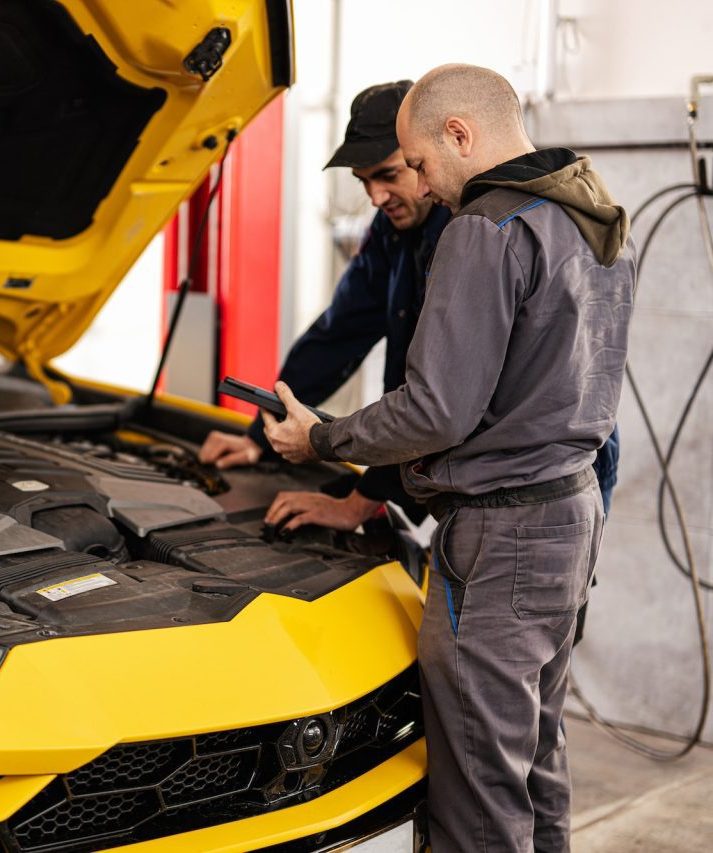
We prioritize quality and customer satisfaction in every auto body, paint, and repair service we provide in Sterling, VA!
When it comes to vehicle repairs, diagnosing exterior and structural damage is one of the most critical steps in ensuring the car is restored to its original condition. Auto body shops use a combination of advanced technologies, visual inspections, and professional expertise to identify areas that need attention. This process goes beyond surface-level issues and delves into the integrity of the vehicle’s frame and structure.
| Technology | Purpose |
| 3D Imaging Systems | Create detailed scans of damaged areas |
| Ultrasonic Testing Equipment | Detects cracks within metal frames |
| Infrared Cameras | Identifies stress points in materials |
These tools allow technicians to examine areas invisible to the naked eye while ensuring all safety standards are met during repairs.
Neglecting thorough diagnostics could lead to incomplete repairs which compromise both safety and aesthetics.
By identifying all forms of damage early on with precision tools and proven methods, auto body repair professionals ensure vehicles are restored safely and efficiently while maintaining their original design integrity.
Understanding how auto body shops assess and diagnose vehicle damage is essential for recognizing the level of expertise required in professional repairs. This process is meticulous, employing a combination of visual inspections, specialized equipment, and advanced technology to ensure every issue is identified.
Exterior damage often includes dents, scratches, paint issues, or damaged panels.
Structural damage can compromise a vehicle’s safety and performance.
Modern auto body shops utilize advanced technologies to provide precise diagnoses.
| Tool/Technology | Purpose |
| Computerized Diagnostic Tools | Identifies electronic system issues linked with collision damage |
| 3D Mapping Systems | Creates detailed models of structural components for repair planning |
| Ultrasonic Scanners | Detects hidden cracks or weaknesses within metal panels |
Through careful analysis and high-tech solutions, auto body shops play a crucial role in restoring vehicles efficiently and safely after accidents or wear-and-tear incidents.
Proper paint preparation is a critical step in achieving a flawless finish when repairing or repainting a vehicle. Skipping or rushing through this process can result in uneven coatings, peeling, or imperfections that not only affect the car’s aesthetic appeal but also its durability. Below, we’ll explore the key stages of paint preparation and why they are essential for long-lasting and professional results.
| Mistake | Consequence |
| Skipping cleaning | Poor adhesion; contaminants trapped under paint. |
| Insufficient sanding | Surface imperfections visible after painting. |
| Overloading filler | Cracking or sagging in repaired areas later on. |
| Inadequate masking | Paint overspray damages unintended areas. |
By dedicating time and attention to detail during this preparatory stage, auto body shops can deliver results that not only meet but exceed customer expectations—providing vehicles with a factory-fresh appearance every time.
Proper paint preparation is one of the most critical steps in auto body repair, significantly influencing the quality, durability, and appearance of the final finish. Skipping or rushing through this process can lead to uneven surfaces, peeling paint, or mismatched coloring. This section outlines key steps in paint preparation and explains why attention to detail matters.
| Problem | Cause | Preventive Measure |
| Peeling Paint | Inadequate cleaning or sanding | Ensure thorough prep work before applying primer/paint |
| Uneven Surface | Skipped dent repair or improper sanding | Always repair imperfections completely |
| Color Mismatch | Failure to blend new paint properly with existing panels | Use advanced matching tools |
Paint preparation may seem tedious but is integral for achieving professional-grade results that satisfy both aesthetics and longevity requirements of vehicle repairs. By following meticulous steps at every stage, auto body technicians ensure clients leave with flawless finishes that restore their cars’ original beauty while protecting against future damage.
When repairing a vehicle after an accident or restoring it due to wear and tear, adhering to factory specifications is critical. These specifications serve as the blueprint for how the vehicle was originally designed and manufactured. Ignoring or deviating from these standards can compromise the safety, performance, and longevity of the car. Below, we’ll explore why factory specifications are so important and how they guide professional auto body work.
Factory specifications are developed by manufacturers to ensure vehicles meet safety standards, efficiency requirements, and design intentions.
Auto body repairs involve multiple systems in a vehicle.
| Component/System | Why Factory Specs Are Important |
| Frame & Structure | Ensures crumple zones absorb impact as intended during collisions. |
| Paint Application | Preserves rust resistance and creates a uniform finish across surfaces. |
| Alignment & Suspension | Prevents uneven tire wear and ensures optimal vehicle handling. |
| Electrical Systems | Maintains compatibility with advanced driver-assistance systems (ADAS). |
By ensuring every repair follows factory specifications, you protect your investment while maintaining the safety and performance of your vehicle over time.
The auto body repair industry has evolved significantly over the years, with new technologies and innovative practices optimizing efficiency, safety, and precision. These advancements are reshaping how technicians address vehicle damage while meeting evolving customer expectations. Below is an overview of some of the most groundbreaking innovations transforming the auto body industry today.
Proper ADAS recalibration ensures vehicle safety after repairs and highlights the growing reliance on technology in automotive systems.
This innovation is particularly valuable for older or rare vehicle models where replacement parts might be difficult to source.
These technologies save time while maintaining consistency across repair evaluations.
Robotics not only improve quality but also reduce physical strain on technicians by handling repetitive tasks.
| Traditional Paints | Eco-Friendly Paints |
| High levels of volatile organic compounds (VOCs) | Low or zero VOC formulations |
| Harmful impact on air quality | Reduced environmental footprint |
| Limited recyclability | Waterborne or sustainable materials |
Shops adopting eco-friendly paints contribute to global sustainability efforts without compromising quality finishes.
This approach reduces learning curves while ensuring high-quality repairs from newly trained professionals.
These adhesives also contribute to quieter rides by minimizing vibrations compared to welded joints.
As automotive technology advances further, it’s clear that innovation will continue driving efficiency and elevating service standards across auto body shops worldwide—ensuring they remain prepared for future challenges posed by increasingly complex vehicles.