Come see the difference C&G makes. Offering expert full-service mechanical, maintenance & repair in addition to our top rated collision and paint shop.
Looking for expert auto body and paint services at competitive prices? Our shop specializes in restoring and enhancing your vehicle’s appearance while providing top-notch service, maintenance and repairs. We ensure your car not only looks great but also performs at its best!
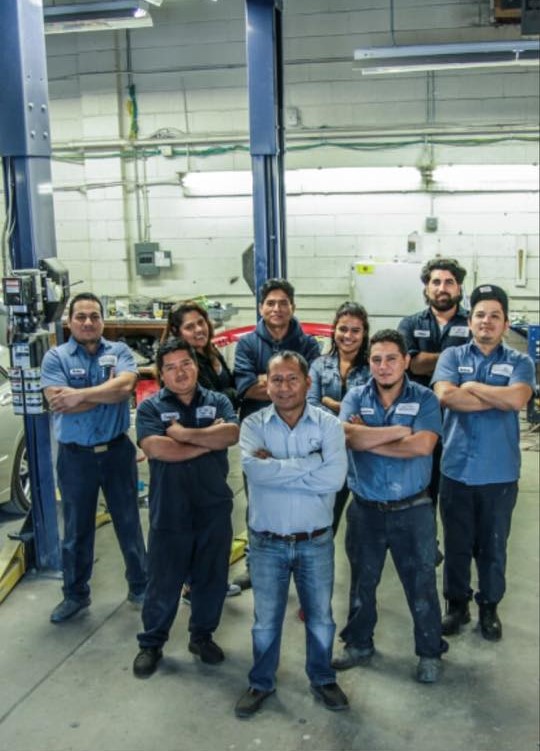
Years of Experience
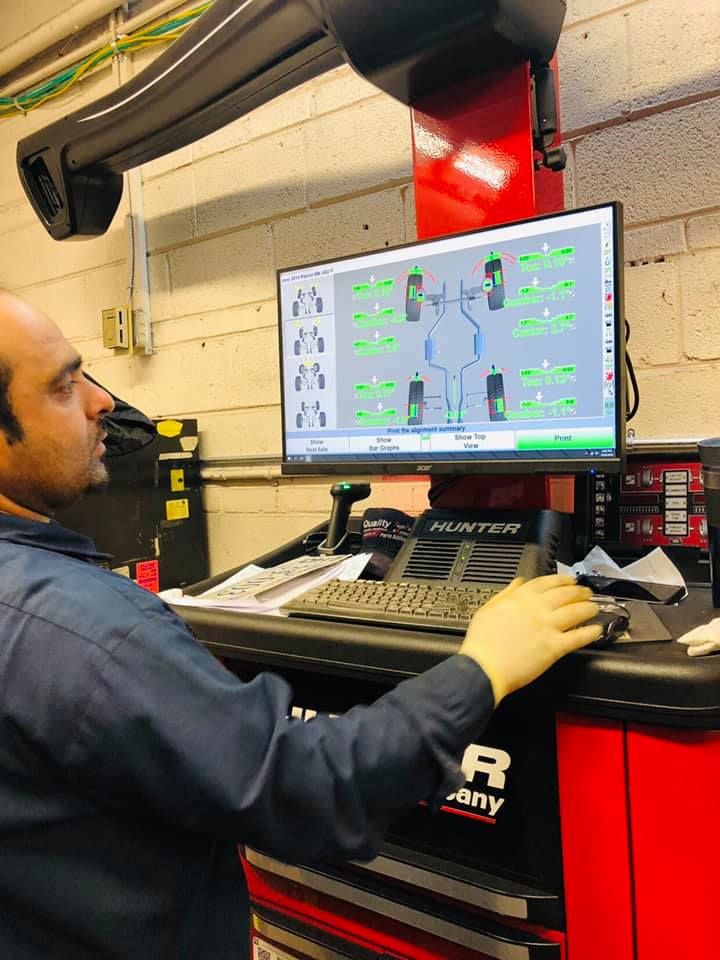
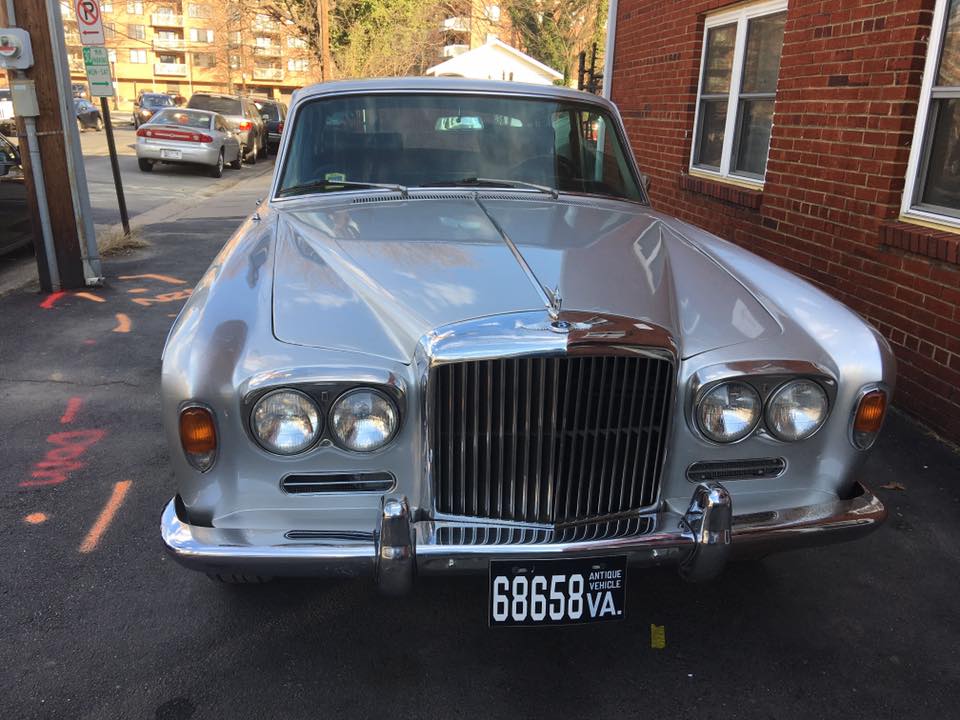
Our skilled technicians provide top-quality paint work, autobody, and general automotive repairs to keep your car looking and running like new. With expert skill and attention to detail, we ensure every job is done right the first time. Trust us for reliable service at a fair price, every time. That’s our guarantee!
Hear from our satisfied customers about our exceptional work, customer care and honest pricing here in Takoma Park, MD!
Posted on Google
 Ed Gray
Trustindex verifies that the original source of the review is Google.
The staff were super friendly and supportive. The work was done professionally and completed on time. I would use them again!Posted on Google Percy HuamanI brought my car to C&G because it had a mechanical issue. The car broke down at 7:30 PM, and luckily, when I called the shop, they answered right away. They sent a tow truck for me, and the next day, I got the diagnosis. The service was fast and affordable. My technician, Tam, did an excellent job with both the diagnosis and the repair. I had my car back quickly and at a great price. From now on, C&G is my shop! Tam kept me updated with texts and photos, showing me exactly what the problem was and how they fixed it. Super professional all the way. Highly recommend!Posted on Google
 Eric Cioffi
Trustindex verifies that the original source of the review is Google.
TLDR: Some initial issues with my repair but top notch customer service. Adrian is great. There were some issues with my rocker panel repair starting with delays ordering the part, and then it turned out to be the wrong part. They assured me could do the repair perfectly without the part, and I said ok hesitantly. When I picked up the car the work was not up to standard. The texture (sort of pebbled) was not uniform across the whole panel (it cut off suddenly), and where it was applied on the repaired panel it did not match the factory panel on the other side of the car. (It was rougher.) Also on that other side there was a dent I did not remember being there before. I will say that when I explained my concerns over the phone they had me bring the car back and redid the repair free of charge, as well as fix the other dent. Overall it was somewhat of a hassle but I was really impressed with the customer service, and the end result seems to be satisfactory.Posted on Google grendis cifuentesI came to this shop four different ocasión and always left happy and very satisfied, thank you for your hard work C&G Specialty.Posted on Google
 glenda floresFirst experience was a great one! Adrian and Walter were very attentive, polite, and patient. Service was provided on the same day, no appointment necessary (in my experience), and not a long duration of time either. Surely will be returning, when needed.Posted on Google
 R DThese guys are the best!Posted on Google
 Walter FrancoAlways doing fantastic work.Posted on Google
 Maria QuispeThis place is awesome! I had an issue with my car recently and they took care of it quickly and professionally. The guys are super friendly. Adrian and Sergio explained everything clearly and helped throughout the entire process. Thank you!
Experience the top-tier work and customer service that makes C&G the very best in Takoma Park, MD & the DMV.
From flawless auto body work to reliable repairs, we’ll restore your vehicle’s look and performance with expert care in Takoma Park, MD and surrounding areas!
Come to us for all of your general automotive needs, from trouble-shooting and diagnostics to regular servicing and insurance claims. C&G has you covered!
With a focus on precision paint and autobody work, our shop delivers top-quality repairs to restore your vehicle’s appearance to factory specs.
Specializing in professional auto paint services, our shop ensures a flawless finished product.
Fully equipped for wheel alignments. We are able to mount, balance & repair tires as well as provide wheel and rim repair.
We also assist with towing and rental car needs and can drop you off at your home or work if you live near by.
Our shop provides fluid servicing and expert transmission replacement to keep you shifting smoothly.
Best prices with top quality fluids and parts for your vehicle.
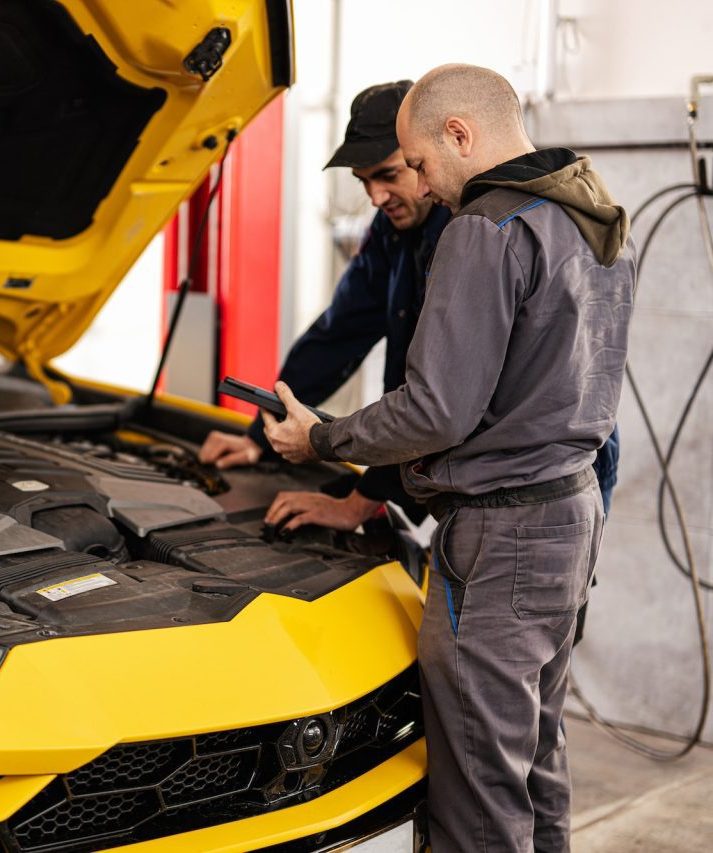
We prioritize quality and customer satisfaction in every auto body, paint, and repair service we provide in Takoma Park, MD!
When a vehicle arrives at an auto body shop following a collision, the first and most crucial step is damage assessment. This process determines the extent of the repair work required, helping technicians create a detailed repair plan. Accurate assessments ensure that all issues are addressed, from visible dents to hidden structural concerns, while also providing vehicle owners with realistic timelines and cost estimates.
While these surface-level damages may seem straightforward to address, they often serve as indicators of deeper mechanical or structural problems.
| Type | Examples | Repair Implications |
| Cosmetic Damage | Scratches, minor dents | Typically less expensive; requires surface-level fixes like sanding or repainting |
| Structural Damage | Frame misalignment, crumple zones | More complex; impacts safety and requires precision equipment for proper restoration |
Assessing both types ensures complete restoration rather than superficial fixes.
This collaboration helps expedite claim approvals while ensuring transparency for vehicle owners regarding costs and coverage.
In some cases, assessing damage doesn’t stop after initial inspections. Shops may conduct test drives to identify lingering issues such as vibrations from wheel misalignment or noises indicating suspension problems—problems that may not be immediately apparent but could worsen over time if left unaddressed.
By combining visual inspections with advanced diagnostic tools and collaborative processes, auto body shops ensure that every damaged component is accurately identified before repairs begin. This meticulous approach minimizes surprises during the repair process while ensuring vehicles are restored safely back to their pre-collision condition.
Modern vehicles incorporate advanced materials and systems that require specialized tools for accurate assessment:
– Digital Scanning Tools: Scanners are used to identify underlying issues with electrical systems, sensors, and safety components like airbags and lane-assist systems.
– Ultrasound Testing: Some shops employ ultrasonic devices to detect hidden structural damage beneath panels or within crumple zones.
– Paint Thickness Gauges: These devices measure paint layers on various parts of the car to check for prior repair work or inconsistencies caused by impact.
Structural damage is often not immediately visible but can have significant safety implications if left untreated:
– Frame Alignment Measurements: Frame measurement systems ensure the frame is within manufacturer specifications, helping technicians detect shifts caused by impact forces.
– Suspension Checks: A thorough inspection of axles, suspension components, and wheel alignment ensures they remain intact after an accident.
Damage reports help create a comprehensive cost estimate for insurance purposes:
1. Break down costs by parts (replacement vs. repair).
2. Include labor hours required for each task—welding, painting, recalibration of sensors, etc. 3. Account for additional tasks like blending paints or replacing custom features.
| Type of Damage | Assessment Method | Repair Examples |
| Cosmetic (e.g., dents) | Visual Inspection | Paintless dent repair |
| Structural | Frame alignment with laser tools | Frame straightening |
| Electrical | Digital diagnostic scanning | Sensor recalibrations or wiring repairs |
Auto body shops often work closely with insurance adjusters during this stage:
– Provide detailed reports with photographs documenting all damages. – Submit cost estimates aligned with policy guidelines. – Negotiate on behalf of customers when additional repairs are discovered after disassembly.
Assessing accident-related damage thoroughly ensures no issue goes unnoticed while guiding customers through a transparent repair process tailored to their needs.
Advancements in automotive technology have transformed the way vehicles are designed, built, and maintained. With modern cars featuring complex materials, integrated electronics, and advanced driver-assistance systems (ADAS), repairing them after an accident now requires a higher level of expertise and specialized tools. This section will explore why modern vehicles demand advanced repair techniques and how auto body shops address these challenges.
Modern vehicles are built with state-of-the-art materials and components to improve safety, fuel efficiency, and performance. These advancements impact how collision repairs are approached:
– Advanced Materials: Traditional steel is increasingly replaced by lightweight materials like aluminum, carbon fiber, and high-strength steel. These require different welding techniques or bonding processes that weren’t commonly used in older cars.
– Integrated Electronics: Today’s vehicles are equipped with complex wiring systems, sensors, cameras, and microprocessors that interact with various parts of the car. Damaging one component can affect multiple systems in unexpected ways. – ADAS Systems: Features like adaptive cruise control, lane departure warnings, automatic emergency braking (AEB), and parking assist rely on highly sensitive sensors that need recalibration after repairs.
Auto body shops must invest in specialized equipment to accommodate the complexities of modern vehicles. Some of the tools required for advanced repairs include:
– Aluminum Repair Stations: Since aluminum doesn’t react well to traditional steel-based repair tools due to cross-contamination risks, specific stations or work areas are needed to handle these materials properly.
– Precision Measuring Systems: Accurate frame alignment is critical for structural safety; laser-guided measuring systems ensure exact tolerances during repairs. – Recalibration Tools for ADAS: Repairing or replacing components like bumpers or windshields often requires recalibration of sensors and cameras using dedicated software.
| Tool/Equipment | Purpose |
| Aluminum Repair Station | Safe handling of lightweight aluminum panels |
| Laser-Guided Measuring | Ensures frame alignment meets manufacturer specifications |
| ADAS Recalibration System | Aligns sensors/cameras post-repair to ensure proper functionality |
With technological advancements come greater expectations for technician expertise. Auto body shop professionals must continually upgrade their skills through training programs that cover topics such as:
– Working with advanced composites and mixed materials. – Diagnosing issues within integrated electronic systems. – Understanding manufacturer-specific guidelines for ADAS recalibration.
Certification programs offered by organizations like I-CAR (Inter-Industry Conference on Auto Collision Repair) help technicians stay current with industry standards while ensuring consumer safety.
While modern repair techniques may seem more complex or costly upfront, they ultimately benefit vehicle owners by ensuring: 1. Repairs meet manufacturer specifications for safety and performance. 2. Advanced features such as ADAS remain functional post-repair. 3. Enhanced durability due to proper handling of materials like aluminum or carbon fiber.
By embracing evolving technologies and investing in cutting-edge training/tools, auto body shops can deliver effective solutions tailored specifically to today’s sophisticated vehicles while giving drivers peace of mind on the road.
Modern vehicles are increasingly complex, designed with advanced materials, integrated technologies, and innovative safety systems. As a result, repairing these vehicles demands specialized knowledge, tools, and techniques. Auto body shops must keep pace with evolving automotive technology to ensure repairs meet manufacturer standards and maintain vehicle safety, functionality, and aesthetics.
Many modern vehicles incorporate lightweight yet durable materials to improve fuel efficiency and performance. These materials require unique handling:
– Aluminum: Common in modern car frames and panels; repairs often require separate tools to avoid cross-contamination with steel (which could cause corrosion).
– High-strength steel: Used for critical structural components; requires precise heat control during welding or reshaping to avoid compromising integrity.
– Carbon fiber: Found in high-performance models; repairs involve layered bonding techniques that differ significantly from traditional methods.
| Equipment Type | Purpose | Example Features |
| Computerized Frame Machines | Restores structural alignment using laser-guided measurement tools | Ensures millimeter-level precision |
| Paint-Matching Technology | Replicates vehicle factory paint color for seamless blending | Digital spectrophotometer integration |
| Plastic Welding Tools | Repairs components like bumpers using polymer fusion | Temperature-regulated processes |
Auto body technicians trained on this equipment can tackle even intricate damages without compromising quality or longevity.
When choosing an auto body shop for a modern car repair, verifying these certifications demonstrates their ability to handle advanced requirements safely and effectively.
These advancements not only uphold repair quality but also reflect growing industry efforts toward eco-conscious solutions.
In summary, repairing modern vehicles demands a level of precision and expertise far beyond traditional methods due to their advanced construction materials, integrated electronics, specialized equipment needs, and sustainability goals. Auto body shops equipped with current knowledge and technology can deliver safe, long-lasting repairs that meet the high standards of today’s automotive industry.
When dealing with auto body repairs, understanding the factors that influence costs is crucial for both shop owners and customers. Costs can vary significantly depending on a range of variables, from the severity of damage to the type of vehicle being repaired. Below is a breakdown of key factors that determine auto body repair costs.
The type and extent of damage have a significant impact on repair costs. Common factors include: – Cosmetic Damage: Minor issues like paint scratches or small dents tend to cost less as they often require simpler repairs. – Structural Damage: Severe frame damage or compromised structural integrity requires advanced tools and techniques, which increase labor and material costs. – Mechanical Components: If the damage extends to mechanical parts (e.g., suspension, engine), expect additional charges for specialized repairs.
Labor costs are often calculated based on the region, shop expertise, and time required to perform repairs. – Shops in urban areas generally charge higher labor rates due to increased operational expenses. – Highly skilled technicians or shops with certifications (like I-CAR or ASE) may charge premium rates but typically ensure quality work.
Repairing different types of vehicles impacts overall cost: – Luxury Vehicles: High-end brands like BMW, Mercedes-Benz, or Tesla often come with more expensive components and require specialized tools. – Older Models: Finding parts for older vehicles can be challenging, leading to higher part replacement costs. – Electric Vehicles (EVs): EVs may require unique repair methods since they include high-voltage systems.
| Vehicle Type | Common Cost Impact |
| Luxury/High-End | Expensive parts; complex systems |
| Older Vehicles | Part scarcity; slower processes |
| Electric Vehicles | Specialized tools; battery considerations |
Choosing between repairing existing parts versus replacing them also affects pricing: – Replacing parts is generally more expensive due to sourcing new components. – Repairs may be cheaper but might take longer if precision work is necessary.
Paint-related services such as color matching and repainting contribute to overall cost: – Custom colors or rare finishes increase paint-related expenses. – Shops equipped with advanced paint-matching technology offer better results but come at a premium.
Insurance plays a major role in determining how much you end up paying out-of-pocket: – Comprehensive plans may cover most collision-related expenses but could lead to higher premiums later. – Deductibles vary by policy, so even insured customers might pay significant upfront fees if their deductible is high.
Other variables that may influence auto body repair costs include: – Turnaround Time Requirements: Expedited services typically incur additional charges. – Technology Calibration: Modern vehicles equipped with advanced driver-assistance systems (ADAS) often need recalibration after collision repairs, which adds an extra layer of expense.
Understanding these factors allows both customers and repair shops to navigate pricing discussions effectively while maintaining transparency in expectations. Each factor contributes uniquely depending on specific circumstances surrounding the repair process.
Auto body repairs can vary significantly in cost, depending on several key factors. Understanding these variables can help vehicle owners make informed decisions and better prepare for expenses. Below is a detailed breakdown of the factors influencing repair costs.
The nature and severity of the damage play a significant role in determining repair expenses.
– Minor Cosmetic Damage: Issues like small dents or scratches are less costly to repair. – Structural Damage: Damage that compromises the vehicle’s frame or underlying structure typically requires more labor and advanced techniques, driving up costs. – Mechanical Components Affected: If critical systems such as suspension or engine parts are involved, repairs can become more complex and expensive.
| Factor | Impact on Cost |
| Luxury/Foreign Models | Higher due to specialized parts |
| Older Vehicles | May increase costs if parts are obsolete |
Labor rates vary by location based on local economic factors such as cost-of-living and competition among auto body shops: – Urban areas typically have higher labor rates compared to rural regions. – Specialized shops offering advanced repair techniques often charge premium rates for their expertise.
Parts used for repairs can significantly influence costs: – OEM (Original Equipment Manufacturer): These parts are made by your car’s manufacturer and tend to be more expensive but ensure perfect compatibility with your vehicle. – Aftermarket Parts: These are third-party-made components that are generally cheaper but may not always fit or function identically to OEM parts.
Repainting can add substantial cost due to the precision required in matching colors: – High-quality paint jobs involve several layers, including primer, base coat, clear coat, and precise color matching. – Specialty finishes like metallic or pearl paint increase both material and labor costs.
Modern vehicles equipped with safety features such as sensors, cameras, or driver-assistance systems may require recalibration after bodywork is completed. This adds complexity: – Repairs involving ADAS (Advanced Driver-Assistance Systems) recalibration can significantly raise overall expenses due to specialized equipment needed for accuracy.
To manage auto body repair expenses effectively:
1. Get multiple quotes from reputable shops in your area; this will help you understand average pricing particular to your region. 2. Ask if aftermarket parts can be used without compromising safety or warranty requirements. 3. Check with your insurance provider about coverage options before approving extensive repairs.
Understanding these factors not only helps demystify why certain repairs might seem costly but also empowers you as a vehicle owner when seeking professional solutions for collision repair or restoration.