Inspect Tires for Wear and Proper Pressure
As temperatures rise and road conditions change, tires undergo stress that can lead to wear or underperformance if not addressed. Here’s how you can inspect your tires for optimal safety and efficiency.
Check Tire Tread Depth
Tire tread depth plays a vital role in maintaining traction on wet or slick spring roads. – Look for uneven wear patterns, which may indicate alignment or suspension issues.
Recommended Minimum Tread Depth | Condition |
2/32” (legal limit in most states) | Replace immediately |
4/32” | Caution: Reduced wet-weather performance |
6/32” or more | Good condition |
Inspect Tire Sidewalls
Examine the sidewalls for: – Cracks or bulges, which can indicate structural damage. – Embedded objects like nails or glass that may lead to slow leaks.
If you notice any issues, consult a tire professional to determine whether repair or replacement is necessary.
Check Tire Pressure
Fluctuating spring temperatures can cause tire pressure levels to change rapidly. Driving on under-inflated tires reduces fuel efficiency and increases tire wear. Follow these steps: 1. Locate your vehicle’s recommended tire pressure in your owner’s manual or on the driver-side door jamb. 2. Use a reliable tire pressure gauge to check each tire when they are cold (before driving). 3. Inflate tires to match the recommended PSI (pounds per square inch).
Keep in mind that overinflating tires can also negatively affect handling and ride comfort, so aim for precision.
Rotate Tires if Needed
To promote even wear and extend tire life, rotate your tires according to your vehicle manufacturer’s recommendations (typically every 5,000–7,500 miles).
Check Your Spare Tire
Don’t forget about your spare! Ensure it has adequate air pressure and is free from visible damage. This small step could save you significant trouble during an emergency.
Quick Tips for Maintaining Tires Throughout Spring
- Avoid potholes: Spring thaw often reveals potholes that can damage wheels or cause alignment issues.
- Clean off road salt: Winter road treatments like salt can corrode rims; wash regularly during early spring.
- Monitor tire performance: Pay attention to any odd noises, vibrations, or reduced handling while driving.
By inspecting your tires thoroughly at the start of spring and addressing potential issues quickly, you’ll not only enhance safety but also improve fuel efficiency and overall vehicle longevity.
Inspect Tires for Wear and Proper Pressure
Proper tire maintenance is crucial for safe and efficient driving, particularly as the seasons change. Spring brings fluctuating temperatures that can impact tire pressure and expose wear issues that developed over the winter months.
Check Tire Tread Depth
- Insert a penny into the grooves of your tire with Lincoln’s head facing down. If you can see all of Lincoln’s head, it’s time to replace the tire.
- Uneven tread wear patterns could indicate alignment issues, which should be addressed promptly.
Look for Cracks, Bulges, and Other Damage
- Examine each tire’s sidewall for cracks or bulging. Winter’s cold weather may have worsened existing damage, increasing the risk of blowouts.
- Check for embedded debris such as nails or stones that could compromise tire integrity.
Monitor Tire Pressure
- Temperature fluctuations in spring can cause significant changes in tire pressure. For every 10°F difference in temperature, tire pressure can change by approximately 1 PSI (pounds per square inch).
- Use a reliable digital or manual tire gauge to check your tires against the recommended PSI listed in your vehicle’s owner’s manual or on the driver-side door jamb.
- Inflate tires to their proper levels if they’re underinflated; this helps avoid excess wear and improves fuel efficiency.
Tire Maintenance Checklist | Action Steps |
Tread Depth | Perform a visual inspection using tools like a penny or gauge. |
Sidewall Condition | Look for cracks, bulges, and embedded objects. |
Tire Pressure | Use a gauge; inflate to manufacturer recommendations. |
Rotate Your Tires if Needed
Rotating your tires ensures even wear across all four wheels: – Many manufacturers recommend rotating tires every 5,000–7,500 miles. – If you’re unsure whether your tires need rotation, consult your maintenance schedule or ask a professional during an inspection.
Consider Seasonal Tires
If you used winter tires during colder months: – Replace them with all-season or summer tires suited to warmer weather conditions. – Storing winter tires properly (in cool, dry conditions) will extend their lifespan.
Properly maintaining your vehicle’s tires not only improves safety but also contributes to better gas mileage and overall performance. Making this routine an integral part of spring preparation will ensure smoother rides throughout the season ahead.
Test Your Car Battery and Electrical System
As the seasons change, fluctuating temperatures can take a toll on your car’s battery and electrical system. After enduring winter’s cold weather, it’s especially important to ensure that everything is functioning optimally before heading into spring. A poorly performing battery or electrical fault could leave you stranded unexpectedly, so taking preventative measures is essential.
Why Testing Your Battery and Electrical System is Important
- Batteries are sensitive to temperature changes; extreme cold or heat can reduce their lifespan.
- Electrical systems power essential components such as headlights, wipers, and dashboard indicators — all of which are critical for safe vehicle operation.
- Identifying issues early can save you from costly repairs or inconvenient breakdowns later.
Signs of a Weak Battery
Look out for these common warning signs that may indicate your battery needs attention: – Slow engine cranking: The engine takes longer than usual to start.Dim interior or exterior lights: Lights appear weaker than normal while the vehicle is idling.Dashboard warning lights: The battery or alternator warning light may illuminate.Corrosion on terminals: White, chalky material around the terminals can signal a problem.Frequent jump-starts needed: If your car won’t start without assistance, your battery could be nearing the end of its life.
Steps to Test Your Battery and Electrical System
Performing a basic test of your car’s battery and electrical system doesn’t require advanced mechanical skills.
- Open the hood and inspect the battery for obvious signs of wear like cracks in the casing or leaking fluid.
- Ensure terminals are secure and free from corrosion. If corrosion is present, clean it using a mixture of baking soda and water with an old toothbrush.
- Use a multimeter to check the voltage. A healthy fully charged battery should read around 12. 6 volts when the engine is off.
- With the engine running, test for voltage between 13. 7 – 14. 7 volts; this indicates that the alternator is charging correctly.
- If you don’t have tools for load testing at home, many auto parts stores offer free battery diagnostics where they simulate real-world conditions to assess your battery’s performance under stress.
- Confirm that your alternator isn’t overcharging or undercharging by using diagnostic tools available at service centers.
- Examine fuses for any signs of damage or burning.
- Test all powered functions such as headlights (low-beam/high-beam), interior lighting, power windows/locks, and windshield wipers.
When to Replace Your Battery
Even if no immediate issues are detected during testing, most batteries have an average lifespan of 3–5 years depending on use patterns and environmental factors. You may want to consider replacing your car’s battery preemptively if it’s approaching this age range — especially if you frequently drive in extreme temperatures or have already noticed reduced performance.
Age of Battery | Recommended Action |
Less than 3 years | Monitor regularly |
Between 3–5 years | Consider replacing soon |
Over 5 years | Replacement likely necessary |
Additional Tips for a Healthy Electrical System
- Keep all connections tight to avoid unnecessary resistance in circuits.
- Turn off all vehicle accessories (radio, seat warmers) before switching off the engine to prevent unnecessary drain when restarting.
- Periodically check alternator belts for wear since they’re vital in charging your battery during operation.
By proactively testing your car’s battery and electrical system each spring, you’ll not only minimize potential headaches down the road but also extend their longevity significantly with proper maintenance practices throughout the year.
Inspect Brakes and Suspension Components
Regularly inspecting your vehicle’s brakes and suspension system is crucial for ensuring safety, optimal performance, and a smooth ride. These components experience significant wear and tear, particularly after harsh winter conditions, making spring the perfect time to evaluate their condition. Here’s a detailed guide on what to look for and how to address common issues.
Importance of Brake Inspection
Worn or damaged brakes can lead to reduced stopping power, longer braking distances, or even failure in extreme cases.Check Brake Pads: Inspect the thickness of your brake pads. If they’re less than 1/4 inch thick, it’s time to replace them.Inspect Rotors: Look for grooves or uneven wear on the brake rotors. Warped rotors can cause vibrations when braking.Assess Brake Fluid Levels: Low brake fluid levels may indicate a leak in the system or excessive wear on brake components.Listen for Noises: Squealing or grinding noises when you press the brake pedal can signal worn pads or other underlying issues.
Suspension System Overview
Your car’s suspension system absorbs shocks from uneven road surfaces while maintaining steering stability and control.Suspension Struts/Shocks
– Look for signs of oil leakage around the shocks/struts as this indicates wear. – Test by pushing down on each corner of the car—if it bounces excessively before settling, your suspension may need replacement.Ball Joints and Bushings
– Check these components visually for cracks, tears, or looseness that could affect handling.Springs
– Examine coil springs for damage like breaks or rust weakening their integrity.
Common Symptoms of Issues
Symptom | Potential Issue |
Vehicle pulls to one side | Uneven tire wear or brake caliper issue |
Steering feels loose | Worn ball joints or tie rod ends |
Car bounces excessively | Faulty shocks/struts |
Unusual noises over bumps | Damaged bushings/suspension parts |
Tips for DIY Maintenance
If you’re comfortable performing basic maintenance tasks yourself: – Keep an eye out for visible corrosion on brakes and suspension parts due to road salt exposure during winter. – Tighten loose bolts where necessary but avoid overtightening as this could cause damage.
When Professional Help is Needed
While some inspections can be performed at home, complex repairs should always be handled by licensed mechanics. Schedule an appointment if: 1. You notice any unusual sounds like grinding from brakes or clunking beneath the car. 2. The vehicle doesn’t handle turns smoothly or sways excessively during normal driving conditions.
Taking care of your brakes and suspension not only enhances safety but also prolongs the overall lifespan of your vehicle. Regular attention ensures you’ll drive confidently through springtime road hazards like puddles and potholes without compromising control or comfort.
Replace Wiper Blades and Check Lights
As the spring season begins, it’s important to prepare your vehicle for the changing weather conditions. Rain showers can be frequent during this time of year, and clear visibility is critical for safe driving. Therefore, replacing worn-out wiper blades and ensuring all exterior lights are functioning properly should be a top priority.
Replacing Worn-Out Wiper Blades
Over time, wiper blades wear down due to exposure to dirt, debris, sunlight, and harsh temperatures. When they degrade, they lose their ability to effectively clear rain or debris from the windshield.
- Inspect for Damage: Look for signs of cracking, splitting, or bending on the rubber edges of your wipers.
- Test Functionality: Run your wipers on a clean windshield using washer fluid. Streaking or uneven cleaning indicates the need for replacement.
- Choose the Right Size: Consult your owner’s manual or ask an auto parts store professional to ensure you purchase properly sized blades.
- Replace Regularly: Plan to replace your wiper blades at least once a year or immediately if you notice reduced performance.
Upgrading to high-quality or all-season blades can provide better durability in varying weather conditions. Consider this investment, especially if you live in a region with heavy rainfall during spring.
Checking and Maintaining Vehicle Lights
Properly functioning exterior lights not only improve visibility but also help other drivers see you on the road. Checking these lights ensures safer driving during dim lighting conditions such as early mornings, evenings, or heavy rain.
- Headlights (both low beam and high beam)
- Brake lights
- Turn signals
- Reverse lights
- Fog lights (if applicable)
- Park your car near a wall or garage door in low light conditions and turn on each type of light individually.
- Have another person assist by observing brake light functionality while you press the pedal.
- Dirt and grime can accumulate on headlight covers over winter months.
- Use a soft cloth with soapy water or a specialized headlight restoration kit if covers appear yellowed or foggy.
- For halogen bulbs: Replace both sides at once since they’re likely to burn out around the same time.
- For LED components: Check manufacturer guidelines as replacements may require professional installation.
- Check Alignment of Headlights: Misaligned headlights can reduce visibility at night and cause glare for other drivers. If necessary, adjust them following your vehicle’s manual instructions or consult a professional technician.
Common Issues | Potential Causes | Solutions |
Dim headlights | Aging bulbs or dirty lenses | Replace bulbs; clean lenses |
Flickering lights | Loose connections | Check wiring; secure connections |
Uneven brightness | Misalignment | Adjust according to specifications |
Taking care of these essential components ensures that rainy days won’t compromise safety on the road while fostering peace of mind when spring travels begin anew.
Clean and Protect the Exterior and Interior
Spring is an excellent time to give your vehicle some much-needed care after winter’s harsh conditions. Cleaning and protecting both the exterior and interior of your car not only improves its appearance but also helps preserve its condition in the long term. Below are some essential steps for effectively maintaining your vehicle’s surfaces during spring.
Exterior Maintenance
Road salt, dirt, and debris from winter driving can wreak havoc on your car’s paint and undercarriage. A thorough cleaning can remove these corrosive elements.
- Wash Your Car Thoroughly
Begin with a detailed wash using a pH-balanced car shampoo. Pay close attention to areas like the wheel wells, undercarriage, and door sills where salt tends to accumulate. - Clay Bar Treatment
After washing, use a clay bar treatment to remove embedded contaminants such as tar, brake dust, or tree sap. This step ensures a smooth surface for waxing. - Wax or Apply Paint Sealant
Protect your car’s paint by applying a coat of high-quality wax or paint sealant. This creates a protective barrier against UV rays, dirt, and moisture while giving your car a shiny finish. - Check for Rust Spots
Inspect the body panels and undercarriage for any signs of rust or corrosion caused by winter conditions. Address small rust spots immediately with touch-up paint or rust inhibitor spray.
Interior Care
Spring cleaning shouldn’t stop at your vehicle’s exterior—the interior needs attention as well after months of exposure to mud, snow, and grime.
- Vacuum Upholstery and Carpets
Use a vacuum with attachments to clean seats, floor mats, and carpets thoroughly. Pay extra attention to crevices where dirt tends to hide. - Shampoo Fabric Surfaces
If your carpets or seats have stains from winter slush or spills, use a fabric cleaner or carpet shampoo designed for automotive interiors. - Clean Hard Surfaces
Wipe down dashboards, door panels, cup holders, and other hard surfaces with an automotive interior cleaner. Avoid harsh chemicals that could damage materials like plastic or leather. - Condition Leather Seats
For vehicles with leather interiors, apply a high-quality leather conditioner after cleaning to prevent cracking and maintain suppleness. - Replace Cabin Air Filter
Spring allergies can make driving uncomfortable if your cabin air filter is clogged with dust or pollen. Replace it as part of your seasonal maintenance routine.
Windows & Mirrors
Clear visibility is crucial year-round but especially important during spring rains when glare can increase on wet roads.
- Clean windows inside and out using ammonia-free glass cleaner to avoid streaks.
- Check for chips in the windshield caused by winter road debris; repair them promptly before they spread.
- Inspect mirrors for clarity and adjust them if necessary after cleaning.
Protective Measures
- Use rubber floor mats if you expect muddy spring conditions—they’re easy to clean compared to fabric.
- Add sunshades to protect the dashboard from harmful UV rays.
- Store essentials like microfiber towels in your glove compartment for quick touch-ups when needed.
By making these efforts part of your spring routine, you’ll extend your vehicle’s lifespan while ensuring it stays looking its best inside and out.
Schedule a Professional Vehicle Inspection
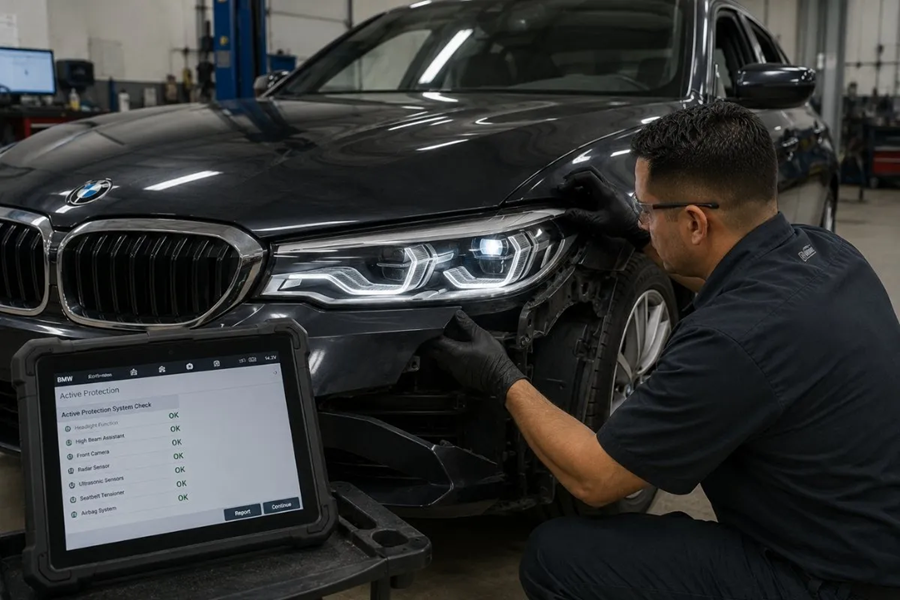
Spring is the perfect time to schedule a professional vehicle inspection. While many routine maintenance tasks can be handled at home, a trained mechanic has the expertise to catch underlying issues that might impact your car’s performance and safety. A comprehensive inspection ensures your vehicle is ready for the warmer months ahead and helps prevent costly repairs down the road.
Benefits of a Professional Inspection
Here’s why booking an inspection is an essential aspect of spring maintenance:
– Expert Assessment:Technicians are trained to identify problems that may not be obvious, such as early signs of wear or damage to critical components like brakes, suspension, or drivetrain systems.
– Comprehensive Diagnostics:Many repair shops use advanced diagnostic tools to spot electrical issues or other hidden concerns that aren’t visible during a DIY check.
– Preventative Maintenance:Addressing small problems now can save you from expensive repairs later, ensuring your car runs efficiently throughout the season.
What a Professional Inspection Covers
When you take your car in for an inspection, mechanics typically perform checks across multiple areas.
Area Inspected | Why It’s Important |
Tires | Ensures proper tread depth and inflation for better traction and fuel efficiency. |
Fluids | Verifies levels and quality of oil, coolant, brake fluid, and transmission fluid. |
Brakes | Checks for wear on pads/rotors and ensures safe stopping power. |
Battery & Electrical | Tests battery health and examines wiring connections for reliability. |
Suspension & Steering | Identifies worn or damaged parts affecting ride quality or handling precision. |
How to Prepare for Your Visit
To make the most of your professional inspection appointment:
1.Keep Records Handy:Bring along any service records so the technician knows what maintenance has been done recently. 2.Share Concerns:Mention specific issues you’ve noticed (e. g. , unusual noises or changes in handling). 3.Clean Your Car:A clean vehicle—especially undercarriage areas—makes it easier for mechanics to check components thoroughly.
Finding a Trusted Mechanic
Selecting the right service center is just as important as scheduling the visit itself:
– Look for certified technicians with credentials like ASE (Automotive Service Excellence).
– Read customer reviews online to gauge reliability and professionalism. – Ask about warranties on repairs performed during inspections.
Regular professional inspections are more than just routine; they ensure peace of mind when hitting the road this spring season while maintaining your car’s safety and performance standards at their peak efficiency level through proactive care measures.