Reasons You Might Want to Repaint Your Vehicle
Repainting your vehicle is not just about aesthetics; there are several practical and functional reasons why you might consider this investment. Whether you’re dealing with wear and tear or planning a style upgrade, understanding the motivations behind repainting can help you make informed decisions.
Restoring the Vehicle’s Appearance
- Fading Paint: Over time, exposure to sunlight can cause your car’s paint to fade, making it look old and neglected. A fresh coat of paint can instantly restore its appearance.
- Scratches and Dents: Minor accidents, road debris, or daily wear can lead to scratches, dents, and chipped paint. Repainting ensures these imperfections are covered while protecting the bodywork.
- Rust Prevention: Damaged or peeling paint can expose the metal underneath to moisture, leading to rust formation. A new coat of paint adds an extra layer of protection against rust.
Increasing Resale Value
- If you’re planning to sell your vehicle, a professional repaint can significantly improve its resale value. Buyers are more likely to pay a premium for vehicles that look well-maintained.
- A clean and uniform paint job gives the impression that the car has been cared for properly.
Customization Opportunities
Vehicle repainting allows owners to personalize their cars with custom colors or finishes that stand out. Some options include: – Matte finishes for a modern look. – Metallic paints for added depth and shine. – Standard glossy finishes for a classic appearance.
Repair After Accidents
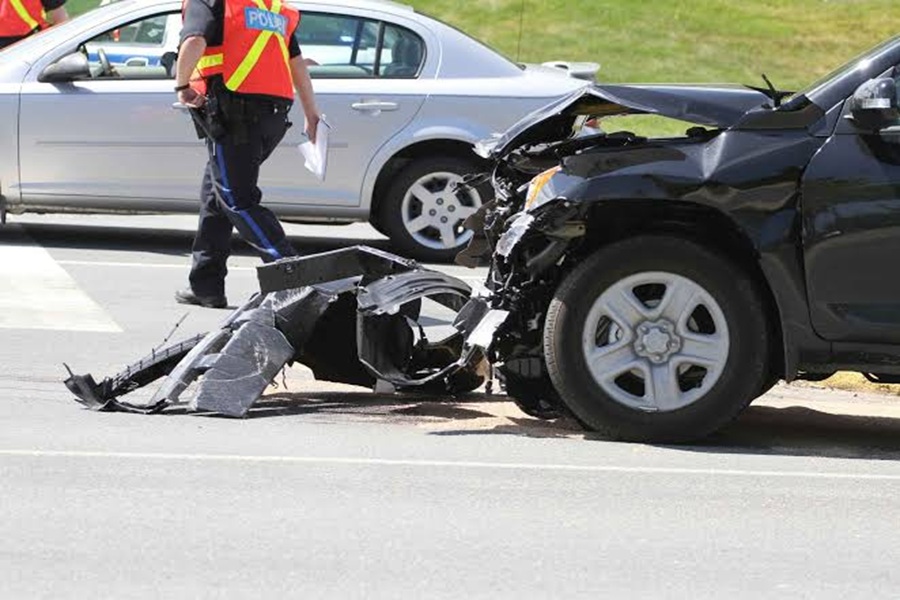
Following an accident or collision repair work, repainting is often necessary to ensure consistency in color across all panels. Matching the original factory paint color helps maintain the car’s cohesive appearance.
Upgrading Older Vehicles
For vintage cars or older models that have lost their luster due to age: – Repainting brings them back to life while preserving their value. – Some enthusiasts use this opportunity to replicate original factory colors or experiment with period-specific shades.
Reason | Key Benefit |
Fading Paint | Restores aesthetic appeal |
Scratches/Dents | Covers imperfections |
Rust Prevention | Protects metal from corrosion |
Resale Value | Higher market price |
Customization | Personalizes your vehicle’s identity |
Environmental Considerations
Modern automotive paints often come with eco-friendly options like waterborne paints that reduce harmful emissions during application. These environmentally conscious choices not only protect your car but also reduce environmental impact—a great consideration if sustainability matters in your decision-making process.
Taking all these factors into account will help you decide if repainting is worth pursuing based on your needs and goals.
Choosing the Right Type of Automotive Paint
Selecting the proper type of automotive paint is critical to achieving a durable, smooth, and visually appealing result. Whether you’re repainting your vehicle to restore its original shine or trying out a bold new color, understanding the different types of automotive paints can help you make an informed decision.
Types of Automotive Paints
- Provides a high-gloss finish.
- Easy to apply and polish after curing.
- Best suited for vintage or classic cars but less durable than modern options.
- Offers a glossy, hard finish with good durability.
- Requires proper curing to ensure longevity (some versions may need baking).
- Extremely durable and resistant to fading or chipping.
- More expensive but provides professional-quality results.
- Can be applied as either single-stage or two-stage paint (base coat and clear coat).
- Eco-friendly option with minimal harmful chemical emissions.
- Widely used in professional auto shops due to environmental regulations in some regions.
Factors to Consider When Choosing Paint
- Durability Needs: If you live in an area with extreme weather conditions, prioritize paints with high UV resistance or corrosion protection.
- Budget Constraints: Urethane paint is generally more expensive but provides better long-term value due to its durability.
- Desired Finish: Decide between matte, gloss, pearlescent, or metallic finishes based on your aesthetic preferences.
- Compatibility with Existing Coatings: Some paints may not adhere well if your car has pre-existing layers that differ chemically (e.g., lacquer over urethane).
- Environmental Impact: Opt for water-based paints if reducing environmental harm is important.
Comparing Single-Stage vs Two-Stage Paint Systems
Feature | Single-Stage System | Two-Stage System |
Application Complexity | Easier and faster | More labor-intensive |
Appearance | Glossy right out of application | Requires clear coat for gloss |
Durability | Less durable over time | Higher resistance to wear |
Cost | Generally more affordable | Higher material costs |
When Professional Help May Be Necessary
While DIY enthusiasts may prefer handling the repainting process themselves, certain advanced paint types—like urethane—require professional tools and techniques for proper application.
For example: – Urethane paints often need specialized spray guns designed for high-pressure delivery. – Water-based paints demand exact temperature control during curing.
Consulting an experienced auto body shop can save time while ensuring that the right materials and methods are used.
Final Thoughts on Paint Selection
Choosing the right automotive paint plays a significant role in determining how well your vehicle’s new look will hold up over time. Take into account both functionality (durability, weather resistance) and style preferences when deciding on a paint type—and don’t hesitate to seek expert advice if you’re unsure about compatibility or application methods.
Importance of Proper Surface Preparation
Repainting a vehicle involves more than just applying fresh coats of paint. The foundation of any successful paint job lies in proper surface preparation. Skimping on this step can lead to issues like uneven coverage, peeling, or poor adherence of the paint over time. Here’s a closer look at why surface preparation matters and the key steps involved.
Why Surface Preparation Is Crucial
Proper surface preparation serves several purposes:
– Promotes Adhesion: Paint needs a clean and smooth surface for proper bonding. Without this, the new coat may not adhere well, leading to flaking or bubbling.
– Prevents Imperfections: Dirt, grease, or old paint layers left on the car can create bumps and uneven textures in the new finish.
– Extends Durability: A properly prepped surface ensures that the paint resists wear and tear over time, saving you from costly touch-ups down the road.
Key Steps in Preparing Your Vehicle’s Surface
- Wash your car using automotive soap to remove dirt, grime, and grease.
- Ensure all residues are gone; even small particles can affect adhesion.
- Use sandpaper (starting with coarse grit and then switching to finer grit) or a chemical paint stripper to remove old layers.
- This creates a smooth base for primer application.
- Fill dents or deep scratches with body filler and sand them down once dry.
- For minor imperfections, sanding alone may suffice.
- Sand all surfaces using fine-grit sandpaper to ensure evenness.
- Pay special attention to edges, as improper sanding here can cause issues later.
- Primer acts as an intermediary layer between bare metal (or old paint) and the topcoat.
- It enhances adhesion while providing additional protection against rust.
- Use high-quality painter’s tape and masking materials to protect windows, trim pieces, tires, etc., from accidental overspray.
Tools & Materials for Surface Preparation
Tool/Material | Purpose |
Automotive Soap | Cleans dirt and grease off the surface |
Sandpaper (various grits) | Removes old paint layers; smooths out uneven surfaces |
Body Filler | Fills dents or deep scratches |
Chemical Paint Stripper | Removes stubborn old paint |
Painter’s Tape | Masks areas that don’t require painting |
Primer | Creates an adhesive layer between metal/paintwork and new coats |
Common Mistakes to Avoid
- Skipping primer application: This can leave bare metal exposed under certain conditions.
- Rushing through sanding: Incomplete sanding can result in visibly uneven finishes later on.
- Using low-quality cleaning products: Residues left behind by non-specialized cleaners might interfere with adhesion.
- Ignoring minor damage such as chips or scratches: These imperfections become more prominent after repainting if not addressed beforehand.
Final Thoughts on Surface Preparation
Taking time to prepare your vehicle properly ensures that your investment in repainting will yield long-lasting results with a professional finish. While it might seem labor-intensive initially, skipping these important steps could lead to poor results that require repainting much sooner than anticipated—adding both cost and frustration in the long run.
Cost Factors for Vehicle Repainting
When planning to repaint your vehicle, understanding the cost factors involved is essential. Vehicle repainting can be a significant investment, and the overall expense depends on various elements. Here’s a breakdown of the primary factors that influence the cost of repainting your vehicle.
1. Size and Type of Vehicle
The size and type of your vehicle play a significant role in determining costs:
– Smaller vehicles (e.g., sedans, hatchbacks): Require less paint and labor, generally costing less.
– Larger vehicles (e.g., SUVs, trucks, vans): Need more materials and time due to their bigger surface area.
Vehicle Type | Approximate Cost Range* |
Small Sedan | $500–$3,000 |
Mid-Sized SUV | $1,000–$4,000 |
Full-Sized Truck | $2,000–$5,000 |
*Costs vary based on additional factors such as paint quality and service provider.
2. Type and Quality of Paint
There are several grades of automotive paint available:
– Standard Paints: Basic options that are more budget-friendly but may lack advanced features like UV resistance or scratch protection.
– High-Quality Paints: Premium paints (metallic or pearlescent finishes) offer enhanced durability and aesthetics but come at higher prices.
Additionally:
– Multi-coat finishes (e.g., base coat + clear coat) will cost more than single-stage paints. – Custom colors or intricate designs add to price due to increased labor time.
3. Labor Costs
The experience and reputation of the auto body shop significantly affect labor costs:
– Professional shops with certified technicians might charge premium rates for expertise. However, this often ensures better results with fewer errors. – Some shops include extras like sanding imperfections or minor dent repairs in their labor fees, while others charge separately for these services.
Average hourly labor rates can range from $50–$150 depending on location and expertise.
4. Extent of Damage or Work Needed
Pre-existing damage to your car’s surface will increase costs if repairs are needed before painting begins: – Minor dents or scratches usually require light sanding. – Deeper damage such as rust spots or large dents may demand extensive prep work using body fillers or primer applications.
5. Additional Options
You may choose optional add-ons to improve aesthetics or durability: – Clear Coat Protection: Adds shine while protecting against UV rays. – Ceramic Coatings: Long-lasting protection against environmental contaminants like dirt or bird droppings. – Custom Graphics/Designs: Unique patterns or decals significantly increase both material use and labor requirements.
Practical Tips to Control Costs
Here are some ways to manage expenses when repainting your vehicle: 1. Compare quotes from multiple reputable auto body shops before finalizing. 2. Opt for standard colors instead of custom hues for lower pricing. 3. Address small imperfections ahead of time to reduce prep work at professional shops. 4. If considering a DIY approach (discussed further in another section), invest in quality tools rather than cutting corners on cheaper products.
Understanding these cost factors can help you budget effectively for a vehicle repaint that meets both your expectations and financial constraints without compromising quality workmanship or materials used.
DIY vs Professional Auto Paint Services
Advantages of DIY Auto Painting
Opting for a do-it-yourself approach can be rewarding but requires careful planning and preparation. Here are some reasons why you might choose this route:
– Cost Savings: The primary reason many people choose DIY painting is cost-effectiveness. Professional services can be expensive, while doing it yourself allows you to save on labor fees.
– Personal Creativity: A DIY project allows for more freedom to experiment with colors, designs, or custom patterns without feeling constrained by a professional’s scope of work.
– Skill Building: If you enjoy hands-on projects or are mechanically inclined, painting your car can be an opportunity to learn new skills.
Challenges of DIY Auto Painting
While tackling the project yourself can save money, it also comes with some significant challenges:
– Quality Control Issues: Achieving professional-level results requires specialized tools like spray guns and paint booths as well as experience in using them effectively. Without these resources, the finish may appear uneven or inconsistent.
– Time Commitment: Car painting isn’t just about spraying paint; it involves surface preparation (sanding and priming), multiple layers of paint application, curing time, and polishing—all tasks that require significant time investment.
– Initial Costs for Tools/Materials: While labor costs are eliminated in a DIY job, purchasing quality tools (like compressors or spray guns) along with automotive-grade paint can add up quickly.
Benefits of Hiring Professional Auto Paint Services
Professional auto painters bring expertise and access to advanced equipment that ensures high-quality results:
– Flawless Finish: Professionals offer precise color matching and smooth finishes that are difficult for most amateurs to replicate. Their experience guarantees fewer imperfections like bubbles or uneven layers.
– Time Efficiency: Professionals work faster since they have dedicated facilities with controlled environments such as spray booths designed specifically for automotive painting needs. You’ll get your car back sooner compared to handling the process alone. – Warranty & Guarantees: Many reputable shops provide warranties on their work so you’re covered if issues like peeling or fading occur within a specified timeframe.
Key Differences | DIY Approach | Professional Service |
Cost | Typically lower upfront costs but may require tool purchases | Higher due to labor fees but comprehensive quality control |
Skill Level | Requires basic-to-intermediate technical skills | No personal expertise required |
Quality | Depends on individual effort; may lack consistency | High quality with precision tools & techniques |
Time Investment | Significant—prep work to finishing takes days/weeks | Faster turnaround in controlled environments |
When Should You Choose DIY vs Professional?
- You’re working with an older vehicle where perfect aesthetics aren’t critical.
- You’re comfortable using tools and have prior experience with similar projects.
- Your goal is simply touching up small areas rather than repainting the entire car.
- The vehicle holds significant monetary or sentimental value.
- You want long-lasting results that maintain resale value.
- The project involves complex techniques like custom designs.
Final Thoughts
Both approaches have their place depending on your priorities; however, if achieving a polished look matters most or if you lack confidence in performing intricate tasks like sanding evenly across surfaces—hiring professionals might be worth every penny.
Tips for Maintaining Your Car’s New Paint Job
1. Wash Your Car Regularly
- Frequency: Wash your car once every two weeks or more often if exposed to harsh conditions.
- Use Gentle Products: Choose pH-balanced car shampoos and avoid household cleaners that may strip away protective coatings.
- Soft Materials: Use a microfiber wash mitt or sponge to prevent scratches.
- Rinse Properly: Always rinse thoroughly with clean water to remove all soap residues.
2. Apply a Quality Wax or Sealant
Waxing adds an extra layer of protection to your vehicle’s paint by shielding it from UV rays, dirt, and moisture.
- How Often: Apply wax every 3-4 months or as recommended by product instructions.
- Type of Wax: Use a high-quality carnauba wax or synthetic sealant designed specifically for automotive finishes.
- Application Method: Follow the manufacturer’s directions carefully and buff gently with a soft microfiber cloth.
3. Park Smart
Where you park can greatly impact how well your new paint job holds up over time.
- Avoid Direct Sunlight: Prolonged exposure to UV rays can cause fading over time; parking in shaded areas is ideal.
- Protect Against Tree Sap and Bird Droppings: These substances are acidic and can corrode the paint if left too long; park away from trees when possible.
- Consider a Car Cover: For additional protection, particularly in extreme climates or when parking long-term outdoors.
4. Be Mindful of Environmental Hazards
Environmental factors such as weather conditions, road salt, and pollution can harm your car’s finish unless addressed promptly.
Hazard | Potential Damage | Preventative Action |
Road Salt | Corrosion and rust | Rinse underside after driving on salted roads |
Acid Rain | Etching on paint | Wash off rainwater residue quickly |
Dust & Pollution | Surface scratches | Use proper cleaning techniques |
5. Avoid Automatic Car Washes
- Opt for hand washing whenever possible.
- If using an automatic wash is necessary, choose touchless systems over traditional ones with rotating brushes.
6. Address Scratches Promptly
Scratches expose underlying layers of your vehicle’s surface, leaving it vulnerable to rust and further damage. Repair them immediately using touch-up pens or professional refinishing services.
7. Invest in Paint Protection Treatments
- Consider applying clear bra film (paint protection film) to high-impact areas like the hood and bumper.
- Ceramic coatings offer long-term protection by creating a hydrophobic layer that repels contaminants.
By following these tips diligently, you’ll ensure that your vehicle’s new paint job remains pristine for years while maintaining its resale value and curb appeal.
Tips for Maintaining Your Car’s New Paint Job
Once your vehicle has been repainted, proper maintenance is crucial to ensure the new paint stays vibrant and protected for years. Taking care of your car’s fresh coat of paint involves more than just routine washing—it includes safeguarding the finish from environmental damage, using the right products, and adopting regular habits that preserve its shine and durability. Below are practical tips to help maintain your car’s new paint job effectively.
Be Mindful During the First 30 Days
- Avoid Automatic Car Washes: The stiff brushes and high-pressure water can scratch or damage soft, uncured paint.
- Wash by Hand Only: Use a soft sponge or microfiber cloth with mild car wash soap to gently clean the surface.
- Skip Waxing: Wait at least 60 days before applying wax or sealants, as these can trap solvents in the paint as it cures.
Regular Washing Routine
- Wash at least bi-weekly with soap formulated specifically for cars. Avoid dishwashing liquids or harsh detergents.
- Rinse thoroughly using clean water to remove all soap residue.
- Dry with a microfiber towel rather than air drying to avoid water spots.
Protect It From Environmental Damage
- Park in Covered Areas: Whenever possible, park in garages or shaded locations to reduce UV exposure.
- Invest in a High-Quality Car Cover: If parking indoors isn’t an option, use a breathable car cover designed for painted surfaces.
- Rinse Off Harmful Elements Promptly: Remove bird droppings, bugs, or tree sap immediately with a gentle cleaner—they are highly acidic and can etch into the paint.
Apply Protection Products Strategically
Once it’s safe (after 2–3 months), apply protective treatments like waxes or sealants every few months. These create an extra barrier between your car’s surface and potential contaminants.
Product Type | Benefits | Frequency of Application |
Wax | Enhances shine while offering basic protection from UV rays | Every 2–3 months |
Paint Sealant | Longer-lasting layer that resists oxidation | Twice per year |
Ceramic Coating | Advanced option providing superior durability against scratches & grime | Every 1–3 years (professionally applied) |
Avoid Abrasive Tools
- Never use abrasive sponges, steel wool pads, or rough cleaning materials on painted surfaces—they can leave micro-scratches.
- Opt for premium-quality microfiber towels for drying or buffing without harming the finish.
Monitor Touch-Up Needs Early
Inspect your vehicle regularly for chips or scratches caused by gravel and debris on roads. Address these imperfections quickly using touch-up paint kits that match your vehicle color code.
By following these care practices diligently, you’ll be able to retain that freshly painted look while also extending its longevity over time—keeping both you and your investment happy.