Fix Dents and Scratches Immediately
Dents and scratches may seem like minor cosmetic issues, but addressing them promptly is crucial for maintaining your car’s appearance and overall condition. Neglecting these imperfections can lead to bigger problems over time.
Why Immediate Repairs Matter
- Prevent Rust Formation: When paint is scratched or a dent exposes bare metal, your car becomes vulnerable to moisture, leading to rust. Rust not only affects the look of your vehicle but can also compromise its structural integrity.
- Avoid Escalating Costs: A small scratch or dent is much cheaper to repair than widespread damage caused by neglect. Delayed repairs can lead to larger areas requiring repainting or even panel replacement.
- Preserve Vehicle Value: First impressions matter when selling your car. Unrepaired dents and scratches can lower its resale value, as they may signal poor maintenance to potential buyers.
Steps to Address Dents and Scratches
Taking quick action doesn’t always mean heading straight to the auto body shop. You might be able to handle minor blemishes yourself with a few tools and supplies.
For Minor Scratches: 1. Clean the Area: Wash the scratched surface with soap and water, then dry it completely. 2. Apply Touch-Up Paint: Most car manufacturers sell touch-up paint matched to your vehicle’s color code. Use a small brush or applicator for precision. 3. Polish the Surface: Once the paint has dried, use a polishing compound to blend the repaired area with the surrounding paint.
For Small Dents: 1. Use a Dent Puller Kit: These kits are available at auto supply stores and include suction tools or glue-based pullers designed for shallow dents. 2. Heat and Cool Method (DIY): For certain types of dents, you can use a hairdryer to heat the area before quickly cooling it with an upside-down compressed air canister. This method causes metal contraction, which may pop the dent out.
If these DIY methods don’t yield satisfactory results, seek professional help for seamless repairs.
When Professional Help Is Necessary
While DIY fixes work for minor issues, larger dents or deep scratches require expertise: – Paintless Dent Repair (PDR): Ideal for removing dents without affecting the car’s original paint job. – Full Panel Repainting: Recommended if scratches penetrate deep into layers of paint. – Body Filler Application: Necessary for restoring significant dents before sanding and repainting.
Prevention Tips
Avoiding dents and scratches in the first place is always preferable: – Park in safe areas away from heavy traffic or tight spaces where other vehicles may accidentally cause damage. – Use protective covers if you park outdoors frequently. – Steer clear of shopping carts and crowded parking lots whenever possible.
By prioritizing immediate repairs for any dents or scratches on your car’s surface, you’ll not only maintain its aesthetic appeal but also protect it from long-term wear.
Protect Your Car’s Paint with Regular Maintenance
Maintaining your car’s paint not only enhances its appearance but also protects it from environmental damage and preserves its resale value. A well-maintained exterior is more resistant to rust, fading, and other long-term issues. Below are some practical tips to keep your car’s paint looking fresh and protected over time.
Wash Your Car Regularly
Dirt, grime, bird droppings, and other contaminants can eat away at the surface of your car’s paint if left for too long. To prevent this:
– Wash your car every two weeks or more frequently if you live in areas with heavy rain, snowfall, or dust storms.
– Use a pH-balanced car shampoo designed specifically for automotive paint to avoid stripping away protective wax layers.
– Avoid household cleaning products such as dish soap, as they can erode the clear coat.
Wax Your Car for Extra Protection
Waxing is one of the most effective ways to protect your vehicle’s paint from UV rays and contaminants.
– Apply a high-quality car wax every 3–4 months for optimal results.
– Focus on applying thin coats evenly and buffing them out with a microfiber towel for a smooth finish.
– For convenience, consider synthetic spray waxes that are quicker to apply but still provide solid protection.
Wax Type | Durability (Approx.) | Application Time |
Traditional Paste | 3–4 months | 30–60 minutes |
Liquid Wax | 2–3 months | 20–45 minutes |
Spray Wax | 1–2 months | 10–20 minutes |
Park in the Shade Whenever Possible
Direct sunlight can fade your car’s paint over time due to prolonged exposure to UV radiation. To minimize this:
– Park in covered garages or under shade when possible. – Use a high-quality car cover if shade isn’t available. – Consider applying ceramic coatings or UV-blocking protectants for extra defense against sunlight.
Address Minor Paint Chips Promptly
Even small chips in the paint can expose underlying metal surfaces to moisture and air, leading to rust:
– Keep touch-up paint kits handy for quick fixes on chips or small scratches. – Clean the affected area thoroughly before applying touch-up paint. – Seal it off with clear coat or scratch-repair polish after application.
Use Paint Sealants or Ceramic Coatings
For long-term protection beyond waxing: – Paint Sealants offer synthetic protection lasting up to six months. They provide durable shielding against contaminants while enhancing gloss. – Ceramic Coatings create a semi-permanent bond that provides superior resistance against dirt, chemicals, and UV damage while amplifying shine.
Avoid Automatic Car Washes with Harsh Brushes
While convenient, some automatic car washes use abrasive brushes that can scratch the surface of your car’s paint:
– If using an automatic wash is necessary, choose touchless options that rely on water jets instead of brushes. – Opt for handwashing whenever possible; it provides better control over pressure and cleaning intensity.
By incorporating these steps into regular maintenance routines, you can extend the life of your vehicle’s exterior finish while keeping it looking its best year-round.
Choose a Reliable Auto Body Shop
Research Potential Shops
Start by doing thorough research. Look into local shops with solid reputations and positive customer reviews. Here’s how to evaluate options:
– Check Online Reviews: Platforms like Google, Yelp, or the Better Business Bureau (BBB) can provide genuine customer feedback on the shop’s reliability and quality of service.
– Ask for Recommendations: Word of mouth can be valuable. Speak to friends, family, or co-workers who have had positive experiences with auto body shops in your area.
– Visit Their Website: A professional website often reflects the shop’s commitment to quality. Look for certifications, services offered, and photos of past work.
Evaluate Certifications
Reputable auto body shops often hold industry-standard certifications that showcase their expertise and adherence to safety measures. Some key certifications to look for include:
– ASE Certification (Automotive Service Excellence): Indicates that technicians have met industry standards for skill and knowledge.
– I-CAR Training Certification: This reflects up-to-date training in collision repair techniques and technologies.
Compare Estimates
Getting estimates from multiple shops allows you to compare costs without overpaying or compromising on quality. Keep these factors in mind during the comparison process:
– Request detailed estimates that break down labor costs, parts used, paint options, and additional fees. – Be cautious of quotes that seem unusually low; they may indicate inferior parts or shortcuts in workmanship. – Avoid being pressured into making immediate decisions.
Factor | What To Look For |
Cost Transparency | Clear breakdown of pricing |
Materials Used | High-quality OEM (Original Equipment Manufacturer) parts preferred over aftermarket substitutes |
Warranty Availability | Ask if they provide a warranty on repairs |
Assess Facilities
When visiting an auto body shop in person or virtually through photos on their website, take note of their facilities’ overall condition:
– A clean and organized workspace often reflects professionalism.
– Advanced equipment suggests modern capabilities tailored for various makes/models.
Verify Insurance Collaboration
If your car repair involves insurance claims after an accident or collision damage: 1. Confirm whether the shop works directly with insurance providers for streamlined processes. 2. Ensure that approved repairs under insurance policies don’t compromise part/material standards.
Questions to Ask Before Committing
To make an informed decision before committing: 1) What is your experience working on my specific car make/model?
2) Are any services outsourced?
3) Do you offer warranties beyond those covered by manufacturers?
By taking time researching independently above blindly accepting first option while safeguarding long-term vehicle’s upkeep
Inspect for Hidden Damage After a Collision
After a car collision, even seemingly minor accidents can cause hidden damage that may not be immediately visible. Overlooking such issues could lead to more significant problems down the line, including safety risks and costly repairs. Here’s how you can effectively inspect for hidden damage and ensure your car remains in top condition.
Why Hidden Damage Matters
Damage under the surface can compromise your car’s structural integrity, resulting in:
– Reduced safety in future collisions.
– Poor alignment, which can cause uneven tire wear or steering issues.
– Electrical malfunctions from damaged wiring or sensors.
Addressing these issues early ensures your vehicle operates efficiently and safely.
Steps to Identify Hidden Damage
- Drive your car on a straight road and check if it pulls to one side.
- Look for uneven gaps between panels, as they may indicate a shifted frame.
- Examine the undercarriage for cracks, dents, or leaks in critical components like fuel lines or the exhaust system.
- Check for Sensor Issues
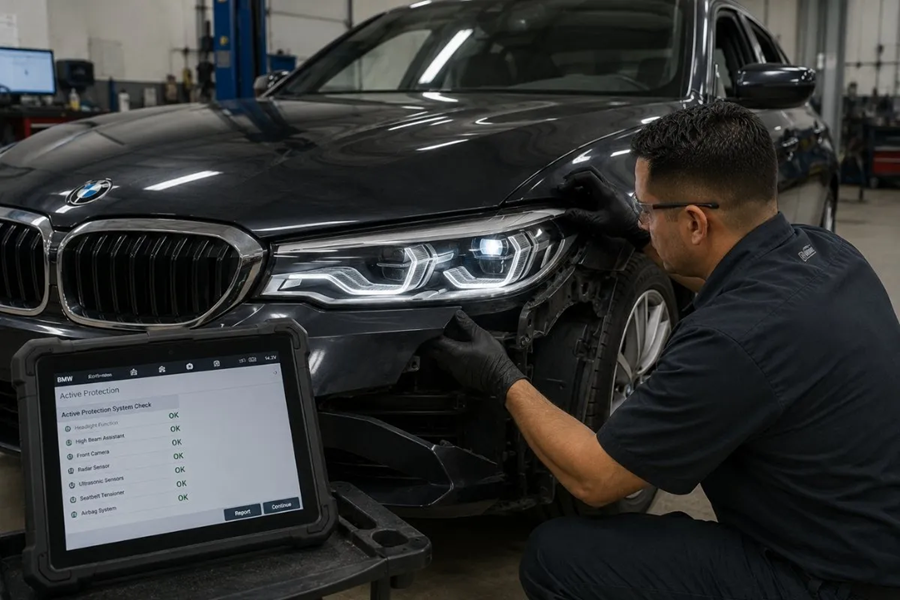
Modern vehicles rely heavily on sensors for features like airbags, parking assistance, and lane departure alerts: - If warning lights appear on your dashboard after an accident, it could signal sensor misalignment or failure.
- Listen for Unusual Sounds
Pay attention to any new sounds while driving: - Clicking noises might indicate axle problems.
- Clunking sounds could suggest suspension damage.
- Look at Door Frames & Panels
Gaps around doors or windows can reveal issues with your car’s frame or body alignment that aren’t immediately obvious.
When Professional Inspection is Necessary
Type of Damage | Signs You May Notice | Why You Need Professional Help |
Frame Issues | Uneven panel gaps | Compromises structural integrity |
Suspension Damage | Poor handling on turns | Misaligned suspension leads to unsafe driving conditions |
Electrical Problems | Warning lights won’t turn off | Requires diagnostic tools only professionals have access to |
If you notice any of these signs—or even if you don’t—it’s wise to schedule an inspection after any collision.
Tips for Post-Collision Checks
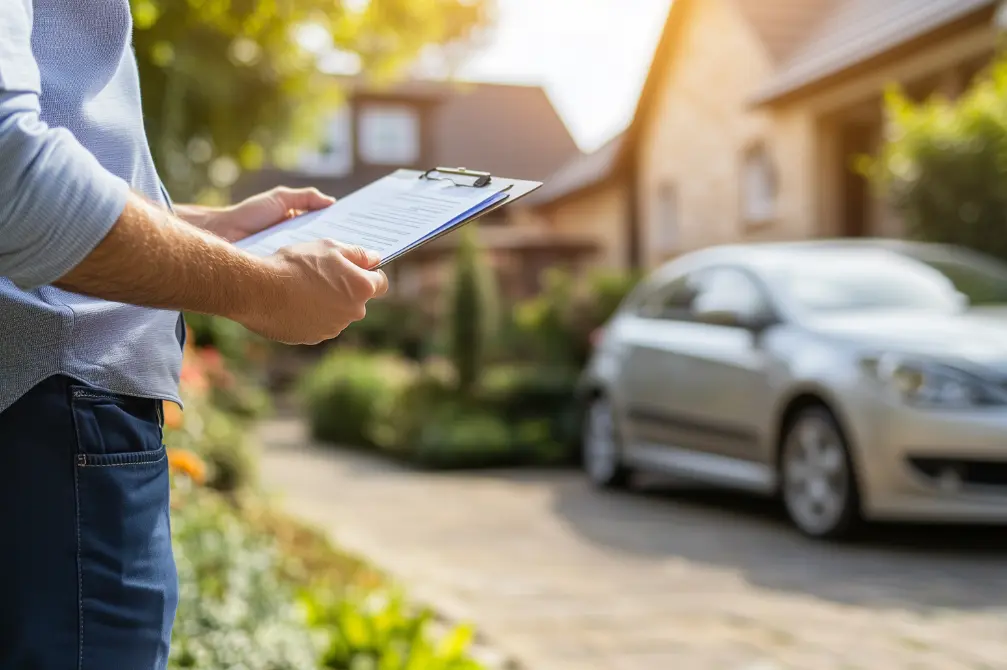
- Document all visible damages right after the accident (photos and notes). This will help when filing insurance claims.
- Keep an eye out for delayed symptoms of damage; some problems aren’t immediately apparent but show up weeks later.
- Avoid driving long distances until your vehicle has been checked thoroughly; this reduces the risk of aggravating existing issues.
By prioritizing hidden-damage inspections after any collision—no matter how small—you can save money on future repairs while maintaining both safety and performance standards for your vehicle.
Maintain Your Car’s Exterior to Boost Resale Value
Taking care of your car’s exterior is not only about aesthetics; it also has a significant impact on your vehicle’s resale value. Buyers tend to perceive a well-maintained exterior as a sign that the car has been cared for overall. Dedicating time and effort to preserve your car’s appearance can translate into better offers when you’re ready to sell or trade it in.
Wash and Wax Regularly
- Washing: Dirt, grime, road salt, and pollutants can damage your car’s paint over time. Washing your car regularly prevents debris from causing rust or corrosion.
- Use a mild car soap specifically designed for vehicles to avoid damaging the paint.
- Rinse thoroughly with clean water to remove any residue that could lead to dullness or streaks.
- Waxing: Wax acts as a protective layer between your car’s paint and the elements.
- Apply wax every three months or as recommended by the manufacturer.
- Choose a high-quality wax product, whether liquid, paste, or spray, based on ease of use and durability.
Address Minor Issues Promptly
Small blemishes on your vehicle may seem insignificant but can evolve into bigger problems if ignored. Repairing these issues early prevents them from worsening: – Touch-Up Paint: Use touch-up paint for small scratches or chips. Ensure the color matches exactly by checking the manufacturer’s recommendations or VIN code. – Repair Dents: Even minor dents can compromise the integrity of your car’s exterior. Consider professional paintless dent repair (PDR) for cost-effective solutions that retain factory paint.
Protect Against Environmental Damage
Environmental factors such as UV rays, bird droppings, tree sap, and extreme weather conditions can wreak havoc on your vehicle’s appearance: – Park in shaded areas whenever possible. If parking undercover isn’t an option, invest in a high-quality car cover designed for outdoor use. – Use UV-protectant sprays on rubber trims and plastic components to prevent cracking or fading over time.
Environmental Hazard | Protective Measures |
UV Rays | Park in shade; apply UV-protection coatings |
Bird Droppings & Sap | Remove promptly with specialty cleaning products |
Extreme Weather | Use all-weather covers; apply hydrophobic windshield treatments |
Keep Tires and Wheels Clean
The condition of your tires and wheels contributes significantly to overall curb appeal: – Remove brake dust frequently using dedicated wheel cleaners that won’t damage finishes. – Apply tire shine products after cleaning for an added polished look.
Invest in Professional Detailing
Professional detailing services go beyond basic washing by deep-cleaning surfaces like carpets, upholstery, trims, and hard-to-reach areas: – Exterior detailing often includes clay bar treatments that remove contaminants embedded into paintwork. – Polishing eliminates fine scratches while restoring gloss.
Maintaining the exterior not only preserves visual appeal but ensures structural integrity against environmental factors like rust. These proactive steps ensure both aesthetic value and lasting functionality—key components when boosting resale worth effectively.