What Counts as Structural Damage in a Vehicle
Structural damage in a vehicle refers to harm or deformation affecting key components of the car’s structural framework. This framework, often referred to as the chassis or unibody, is designed to provide support, maintain the vehicle’s alignment, and absorb energy during collisions. Unlike external damage such as scratches or dents on body panels, structural damage involves critical areas that directly affect the car’s performance and safety.
Key Components That May Sustain Structural Damage
- Frame Rails: These are the foundational beams that form the skeleton of most cars. Damage here can jeopardize structural integrity.
- Strut Towers: Connecting suspension components to the frame, these towers are crucial for handling and stability.
- Floor Pan: The flat metal base beneath your feet; damage here can weaken the entire chassis.
- A-Pillars, B-Pillars, and C-Pillars: These vertical supports are essential for roof stability and crash protection.
- Crush Zones: Engineered areas designed to absorb impact during collisions; any compromise here affects crash safety performance.
Types of Structural Damage
- Bending or Twisting: Often caused by severe impacts like side collisions or rollovers.
- Cracking or Splitting Metal: Indicates compromised material strength typically resulting from high-force impacts.
- Rust-Induced Weakening: Prolonged exposure to moisture and salt can corrode metal over time, particularly in older vehicles.
- Weld Breakage: Separations at joints where parts are welded together reduce overall structural integrity.
How Is Structural Damage Different from Cosmetic Damage?
Feature | Structural Damage | Cosmetic Issues |
Affects safety? | Yes | No |
Impacts driving performance? | Yes | Rarely |
Costly to repair? | Often | Usually less expensive |
This distinction underscores why addressing structural issues promptly is essential—they go beyond aesthetics and directly impact functionality.
Why It Matters
Identifying structural damage early ensures timely repairs that prevent further complications. Whether you’re purchasing a used vehicle or assessing post-collision conditions, understanding what counts as structural damage equips you with knowledge to make informed decisions regarding safety and value retention.
Common Causes of Structural Damage
Structural damage to a vehicle occurs when the foundational components that support the car’s frame or unibody design are compromised. This type of damage can result from various scenarios, ranging from minor accidents to more severe incidents. Understanding the common causes of structural damage can help vehicle owners better assess risks and take preventive measures.
1. Collisions and Accidents
- One of the most frequent causes of structural damage is vehicle collisions.
- Rear-End Collisions: These can deform crumple zones or cause misalignment in the frame.
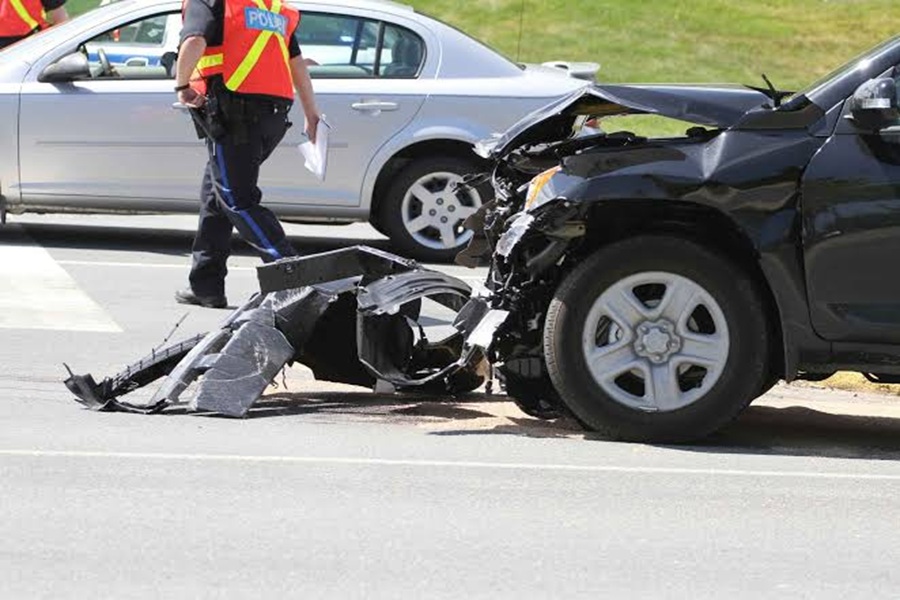
- Head-On Collisions: These often result in significant damage to the front structure, affecting everything from the bumper to critical load-bearing components.
- Side-Impact Accidents (T-Bone): These compromise door frames, pillars, and side support beams.
- Even low-speed collisions can lead to structural issues if they hit key areas like the suspension mounts or subframe.
2. Natural Disasters
- Severe weather events can also cause significant structural problems in cars:
- Flooding: Prolonged submersion in water, especially saltwater, can corrode metal components such as the chassis or unibody structure.
- Hailstorms: Large hailstones may dent rooflines or other critical areas affecting the car’s integrity.
- Falling Trees or Debris During Storms: Heavy objects impacting a car’s roof or hood may bend crucial support structures.
3. Poor Road Conditions
- Continuous exposure to rough terrain or poorly maintained roads often leads to gradual wear and tear on a vehicle’s structure:
- Potholes: Driving over deep potholes at high speeds can strain suspension mounts, subframes, and control arms.
- Speed Bumps Taken at High Speeds: This may weaken undercarriage support components over time.
4. Rollovers
- A rollover accident exerts extreme force on a vehicle’s roof and pillars (A-pillar through D-pillar), potentially deforming them beyond repair. This type of incident often results in widespread structural deterioration.
5. Manufacturer Defects
- While rare, factory defects in materials, welds, or assembly could lead to pre-existing weaknesses that become more evident after stress from regular use or minor impacts.
6. Corrosion Over Time
- Rust is an insidious contributor to structural damage:
- Older cars without proper rust-proofing may develop corrosion in their frames that weakens their load-bearing capabilities.
- Salt used on icy roads accelerates rusting on exposed metal parts underneath vehicles.
Cause | Example Impact | Preventive Measures |
Collisions | Frame misalignment | Drive defensively; avoid distractions |
Natural Disasters | Corrosion from flooding | Park indoors; apply rust inhibitors |
Poor Road Conditions | Damage to suspension systems | Avoid potholes; drive carefully |
Rollovers | Roof collapse | Use seatbelts; check tire conditions |
Manufacturer Defects | Weak welds leading to frame failure | Research recalls; schedule inspections |
Corrosion Over Time | Weakened chassis due to rust | Regularly wash undercarriage |
Recognizing Early Warning Signs
To mitigate risks associated with structural issues: – Inspect your car regularly for signs like uneven tire wear, poor alignment, unusual noises during driving, or visible cracks/dents along key areas such as door frames and fenders. – Pay attention if your car starts pulling strongly to one side despite proper alignment checks — this could indicate hidden frame issues caused by previous accidents or road conditions.
Understanding these causes not only helps identify potential threats but also ensures timely repairs before further complications arise.
How Structural Damage Impacts Vehicle Safety
Structural damage to a vehicle has significant implications for safety, as the structural integrity of a car is directly tied to its ability to protect passengers during an accident. Modern vehicles are designed with carefully engineered frames and crumple zones that absorb impact forces and redirect energy away from occupants. When these structures are compromised, the vehicle’s protective capabilities may be severely reduced.
Reduced Crashworthiness
Structural damage can weaken the car’s core frame, making it less effective at absorbing impacts. This increases the likelihood of serious injuries in various scenarios:
– Front-End Collisions: Damaged crumple zones may no longer collapse as designed, allowing more force to reach the passenger cabin.
– Side Impacts: Compromised door reinforcements or pillars might fail to protect passengers from intrusion by another vehicle.
– Rollovers: If roof supports (A, B, or C pillars) are damaged, they could collapse under the weight of the car during a rollover instead of maintaining passenger survival space.
Impaired Airbag Deployment
Modern vehicles rely on sensors attached to structural components to determine when airbags should deploy during a collision. Structural damage can disrupt these sensors or provide inaccurate data, leading to either delayed deployment or airbags that fail to activate entirely. This puts occupants at higher risk during accidents.
Frame Misalignment and Handling Issues
Structural damage often causes frame misalignment, which can affect a vehicle’s handling and stability: – Steering may feel unpredictable or imprecise. – Braking distances might increase due to uneven weight distribution. – Tires may wear unevenly over time because of improper alignment. These issues make driving more dangerous in everyday situations and can amplify risks in emergency maneuvers.
Long-Term Fatigue in Repaired Frames
Even after repairs are performed on structural damage, there’s still a risk that weakened materials could lead to long-term fatigue over time: – Welded areas where repairs were made might develop cracks under stress.
– Corrosion can accelerate in areas where paint or protective coatings were removed for repairs. This slow deterioration could compromise safety further if not closely monitored after initial repairs.
Safety Component | Impact of Structural Damage |
Crumple Zones | Reduced ability to absorb crash energy |
Airbag Sensors | Disrupted signals leading to unreliable airbag performance |
Roof Support | Increased collapse risk in rollovers |
Vehicle Alignment | Unpredictable handling and longer braking distances |
The Bottom Line on Safety Risks
Understanding how structural damage impacts safety is critical when deciding whether repairing a car is worth it—or if it even remains roadworthy. Vehicles with unresolved or improperly repaired structural issues should not be driven without thorough professional assessments since they no longer provide reliable protection against collisions and other hazards on the road.
How Technicians Assess Structural Damage
When a vehicle sustains structural damage, determining the extent and severity of the issue is a critical step. This process requires skilled technicians who rely on a combination of tools, techniques, and specialized knowledge to provide accurate assessments. Below is an overview of how professionals typically evaluate structural damage in a vehicle.
Visual Inspection
Technicians begin with a thorough visual inspection to identify obvious signs of structural problems. Key areas they examine include:
– Frame alignment: Checking for visibly misaligned panels or gaps between body parts.
– Signs of stress or cracks: Inspecting for tears, bends, or fractures in the car’s frame or unibody structure.
– Rust or corrosion: Identifying rust that compromises the integrity of metal components, particularly in older vehicles.
A visual inspection often serves as the first step before advanced diagnostic tools are employed.
Diagnostic Equipment and Tools
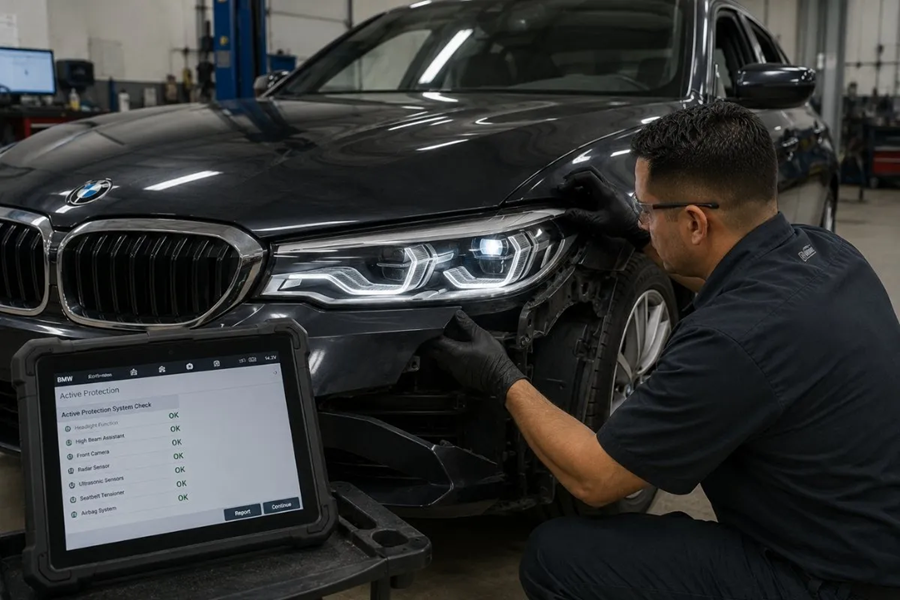
To dive deeper into the condition of a vehicle’s structure, technicians use advanced tools such as:
– Computerized frame measurement systems: These systems compare the car’s current measurements against original manufacturer specifications to detect deviations.
– Ultrasound testing: Some shops utilize ultrasonic equipment to identify hidden cracks or weaknesses in metal parts that may not be visible to the naked eye.
– X-ray imaging (in specialized cases): For high-value vehicles or complex repairs, X-rays can sometimes reveal internal damage without dismantling components.
These methods provide precise data on alignment and structural strength.
Test Drives and Functional Tests
In some cases, technicians will take the vehicle for a controlled test drive to observe its performance under real-world conditions. Warning signs they watch for include:
– Pulling to one side while driving straight.
– Vibrations originating from suspension components due to misalignment issues caused by structural damage.
Additionally, they may perform targeted functional tests on components like doors and hoods to ensure proper opening and closing mechanisms.
Manufacturer Guidelines and Repair History Review
Experienced technicians cross-reference their findings with manufacturer guidelines specific to your make and model. This helps them determine if certain tolerances are within acceptable limits for repair—or if replacement would be necessary instead. Reviewing past repair records (if available) also provides context about previous damage that might factor into their assessment.
Why Professional Assessment Matters
An accurate assessment is vital because even minor structural damage can worsen over time if left untreated. Misalignments could lead to uneven tire wear, suspension strain, or safety compromises during collisions.
By employing this multi-step process—ranging from visual checks to advanced diagnostics—technicians ensure no detail is overlooked when evaluating structural integrity. This thorough approach provides clarity on whether repairs are feasible or if more significant action must be taken (such as deeming the car unsafe for further road use).
When a Car Is Considered a Total Loss
Definition of a Total Loss
A car is deemed a total loss when the cost to repair it exceeds its actual cash value (ACV) before the accident. Insurers use this calculation to decide whether repairing the vehicle is economically viable or not.
- Repair Costs + Salvage Value ≥ ACV
If this equation holds true, your car will likely be labeled as totaled. - The salvage value is what the damaged vehicle could fetch if sold for parts or scrap.
Factors That Influence Whether a Car Is Declared Totaled
- Many states have “total loss thresholds,” meaning if repair costs exceed a certain percentage of ACV (often 70%–80%), it’s declared totaled.
- Example: In Florida, if repairs cost more than 80% of ACV, it’s considered a total loss.
- Damage to critical structural components like the frame or crumple zones often results in high repair costs.
- Example: Frame straightening for structural integrity can be prohibitively expensive.
- Older vehicles with lower market values are more likely to be totaled even after moderate damage because their repair costs may easily surpass their ACV.
- A newer model with higher value might not be totaled unless damage is severe.
- Insurers have varying methods for determining whether repairs are worthwhile based on their guidelines.
Implications for Vehicle Owners
If your car is declared a total loss: – Settlement Payment from Insurance: – You’ll typically receive payment equivalent to your car’s pre-accident ACV minus any deductibles. – You may negotiate with your insurance provider if you feel their valuation is too low.
- In some cases, you can choose to keep your totaled vehicle by accepting less compensation and applying for a salvage title.
- Note that salvage-titled vehicles often have reduced resale value and may face restrictions on future insurance coverage.
Table Example: Total Loss Example Calculation
Category | Value | Description |
Pre-Accident Value (ACV) | $10,000 | Market value before collision |
Estimated Repair Costs | $8,500 | Repairing structural/fender damages |
Salvage Value | $1,500 | What it could sell for as-is |
Since ($8,500 + $1,500 = $10,000), this vehicle would likely be declared a total loss under most insurance policies.
Final Considerations
Understanding why and how cars are classified as total losses helps owners make informed decisions about repairs or settlements after significant accidents. Always review state laws and speak directly with insurers to confirm options available in your specific case before proceeding further.