Check the Exterior
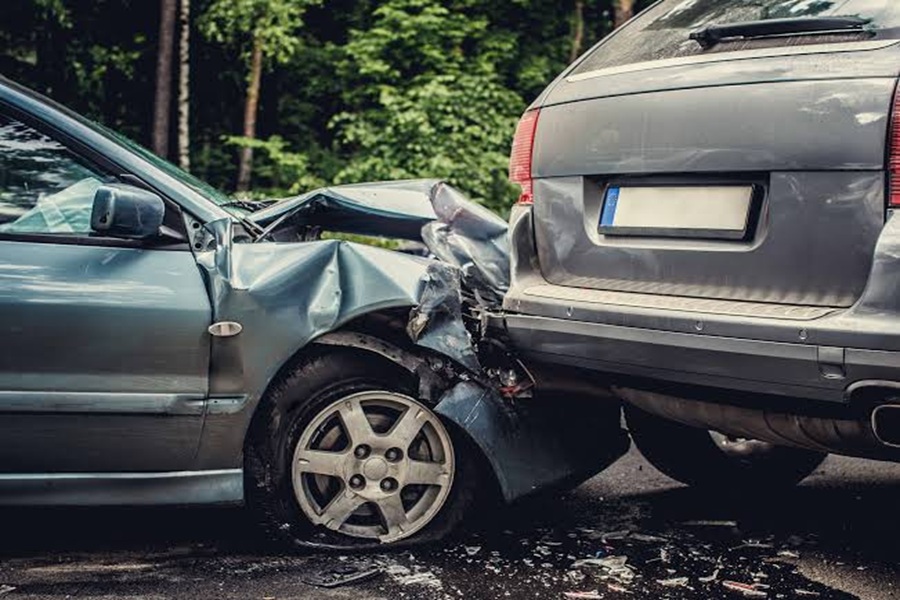
After a collision, checking the exterior of your vehicle is one of the first steps to assess the overall damage. Even minor accidents can lead to issues that may not be immediately visible but could worsen over time if left unattended. Conducting a thorough inspection of your car’s exterior ensures that you identify both cosmetic and structural damage.
Areas to Inspect on the Exterior
- Look for dents, scratches, or cracks in the doors, fenders, hood, and trunk.
- Check for gaps or misalignments between panels, as these could indicate structural damage.
- Examine front and rear bumpers for cracks or deformation. Modern bumpers are designed to absorb impact, so even if they appear intact, they may have internal damage.
- Inspect all windows for chips or cracks that might expand over time.
- Ensure side mirrors and rearview mirrors are securely attached and free from damage.
- Confirm that all lights are functioning properly. Broken or cracked lenses should be replaced immediately to avoid moisture intrusion.
Look for Hidden Damage
- Minor scuffs may seem purely cosmetic but can leave areas exposed to rust if not addressed promptly.
- If you notice uneven gaps between panels or difficulty opening/closing doors or the trunk, it could suggest frame misalignment.
Tools That Can Help
Tool | Purpose |
Flashlight | To inspect undercarriage areas or shadowed spots |
Paint depth gauge | Measures paint thickness to detect hidden repairs |
Ruler/measuring tape | Checks alignment discrepancies between panels |
Professional Evaluation
- Structural integrity: A body shop has specialized equipment (like frame straighteners) to check whether the collision has compromised critical structural elements.
- Internal bumper reinforcements: Damage beneath plastic bumper covers may not be visible without disassembly.
Why Addressing Exterior Damage Matters
- Rust formation on exposed metal surfaces.
- Decreased resale value due to visible imperfections.
- Safety hazards if structural integrity is compromised.
By carefully inspecting your car’s exterior after a collision, you’ll ensure that both cosmetic fixes and critical safety concerns are addressed without delay.
Check the Engine
After a collision, inspecting the engine is a crucial step to ensure your car remains in safe and operable condition. Even if the damage seems superficial, internal components may have been affected. Neglecting this inspection could lead to costly repairs or even mechanical failure later on.
Look for Visible Damage
Begin by visually inspecting the engine bay for any obvious signs of damage. Here are some key areas to focus on:
– Leaks: Check for oil, coolant, or transmission fluid leaks underneath the car or around the engine compartment.
– Cracked Components: Look for cracks in the engine block, radiator, or hoses that might have been caused by impact forces.
– Misaligned Parts: Ensure components such as belts, pulleys, and fans are correctly aligned and undamaged.
Listen for Unusual Sounds
Start your car and listen carefully for any unusual noises coming from under the hood:
– Knocking or clicking sounds may indicate internal damage to pistons or other engine parts.
– A high-pitched squealing sound could point to issues with belts or pulleys.
If you notice anything unusual, it’s best to turn off the vehicle immediately and avoid driving until a professional inspection is performed.
Inspect Fluid Levels
Collisions can cause fluid lines or reservoirs to crack and leak. Make sure to check:
– Engine Oil: Use the dipstick to inspect levels and look for signs of contamination (milky residue could indicate coolant mixing with oil).
– Coolant: Ensure there’s enough coolant in the reservoir and look out for leaks near the radiator or hoses.
– Brake Fluid: Low brake fluid levels might signal a leak caused by impact near brake lines connected to the engine area.
Fluid Type | What To Look For | Possible Issues |
Engine Oil | Milky texture; low levels | Coolant leak; damaged oil pan |
Coolant | Reservoir level; visible leaks | Cracked radiator; loose hose clamps |
Brake Fluid | Low levels | Brake line damage |
Test Engine Performance
If your vehicle seems drivable after an accident, perform a cautious test of its engine performance:
1. Start slowly and pay attention to how smoothly it accelerates without odd vibrations. 2. Monitor dashboard warning lights — they often indicate hidden issues such as sensor malfunctions. 3. Check temperature gauges regularly during operation since collisions might impair cooling systems.
Consult a Mechanic
While you can perform basic checks yourself, it’s always advised to consult a professional mechanic after any significant collision:
– They can use diagnostic tools (like an OBD-II scanner) that identify error codes related to internal sensors affected by impact. – Mechanics may also pressure-test systems like cooling circuits and oil lines that aren’t easily inspected visually.
By thoroughly inspecting your car’s engine post-collision — including its visible components, fluids, performance indicators, and warning signals — you can prevent further damage while ensuring your safety on future drives.
Check the Engine
Look for Visible Damage
- Cracks or Leaks: Examine the engine block, radiator, and hoses for any signs of cracks or fluid leaks. Common fluids to watch out for include oil, coolant, and transmission fluid.
- Loose Components: Inspect belts, fans, and other visible parts to ensure nothing has been dislodged or loosened due to the impact.
Assess Fluid Levels
- Oil: Low levels can cause engine wear.
- Coolant: Essential for preventing overheating.
- Brake Fluid: Affects brake performance.
Fluid Type | Key Role | What to Check |
Oil | Lubricates engine components | Level on dipstick; look for changes in color or texture |
Coolant | Regulates engine temperature | Fluid level in reservoir; check for leaks near radiator |
Transmission Fluid | Smooth gear shifting | Check level and ensure it is not burnt-smelling |
Check for Unusual Noises
Once you’ve inspected visible elements under the hood, start your car (if it’s safe) and listen for unusual sounds that may indicate underlying damage: – Clicking or knocking noises may signal problems with internal components such as pistons or valves. – Hissing sounds could point to a leak in hoses or vacuum lines.
Inspect Electrical Connections
A collision can disrupt your car’s electrical system: – Look at battery terminals and cables—ensure they are secure with no corrosion. – Examine wiring harnesses around the engine area for any fraying or disconnections. – Test headlights, indicators, and dashboard lights as they are often connected through circuits running near the engine bay.
Test Engine Performance
If there are no visible issues under the hood but you’re still concerned about potential damage: 1. Conduct a short test drive (only if deemed safe by experts). Pay close attention to how the car accelerates, idles, and handles. 2. Take note of dashboard warning lights such as “Check Engine” or “Oil Pressure” indicators that may illuminate post-collision. These alerts often suggest deeper mechanical problems requiring professional diagnostics.
When Should You Seek Help?
If any of these checks reveal abnormalities—or if you’re unsure about assessing certain components—consult a trusted mechanic immediately. They will have specialized tools like diagnostic scanners that can pinpoint hidden problems more effectively than visual inspections alone.
Taking care of even minor damages promptly can prevent costly repairs down the road while ensuring both safety and longevity of your vehicle’s performance post-collision.
Check the Suspension
After a collision, your car’s suspension system may have experienced damage that isn’t immediately obvious. The suspension is critical for maintaining proper handling, comfort, and stability while driving. Ignoring potential issues in this area can lead to compromised safety and costly repairs down the line. Here’s what to focus on when inspecting your suspension system post-collision.
Signs of Suspension Damage
Look for these common indicators that something might be wrong with your suspension system: – Uneven tire wear: If the tires are more worn on one side than the other, it may indicate a misalignment caused by suspension damage. – Pulling to one side: When driving, if your car drifts or pulls to one side without steering input, this could point to issues in suspension components. – Excessive bouncing or swaying: A damaged shock absorber or strut can make your car bounce excessively when going over bumps. – Noisy operation: Listen for clunking or creaking sounds when turning or driving over uneven surfaces. These noises often suggest worn-out bushings, loose components, or broken springs.
Key Components to Inspect
Component | What to Look For |
Shock Absorbers/Struts | Leaks or dents; reduced damping performance |
Springs | Cracks, breaks, or signs of deformation |
Control Arms | Bent arms; damaged bushings |
Ball Joints | Looseness or wear |
Tie Rods | Misaligned rods; excessive play |
Practical Tips for Post-Collision Suspension Checks
- Perform a Bounce Test: Push down firmly on each corner of your car and release it. The vehicle should bounce once and settle into position. Excessive bouncing indicates potential issues with shocks or struts.
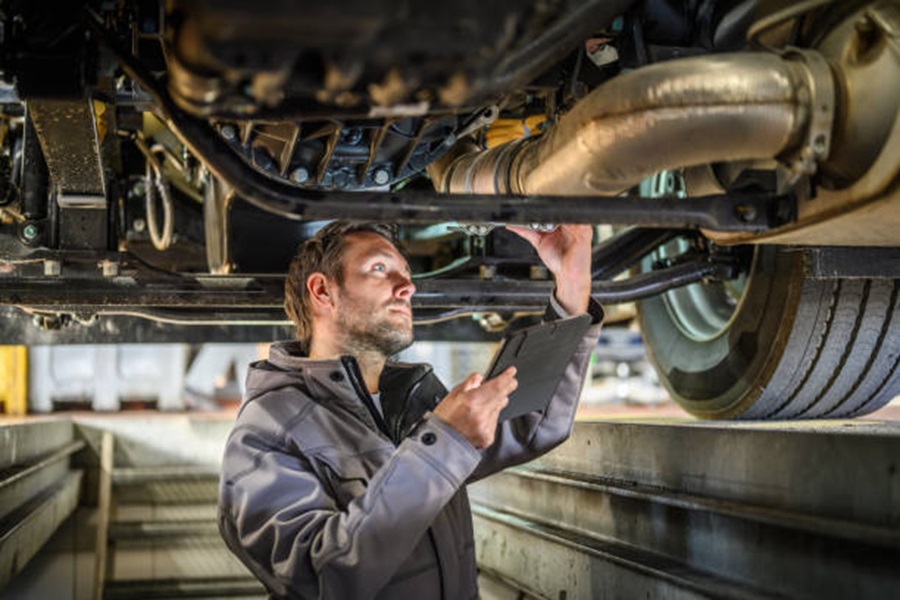
- Inspect Underneath the Car: Use a flashlight to check for visible damage such as bent control arms or leaking fluid from shocks.
- Drive on Different Surfaces: Test how your car responds on smooth roads versus bumpy terrain. Pay attention to unusual vibrations or instability.
- Get a Professional Inspection: While you can perform basic checks yourself, it’s wise to have a qualified mechanic conduct a thorough inspection using diagnostic tools.
Why Suspension Damage Matters
A fully functional suspension system ensures that: – Your tires maintain consistent contact with the road for better traction and control. – Steering remains stable and responsive during maneuvers. – The structural integrity of other components (like wheels and frame) is preserved.
Neglecting suspension problems could not only worsen existing damages but also jeopardize your safety during future drives.
By addressing even minor issues promptly after an accident, you’ll save yourself from larger repair bills later while ensuring optimal performance from your vehicle’s suspension system.
Check the Airbags
Airbags are one of the most critical safety components in your vehicle. After a collision, even if the airbags didn’t deploy, it’s essential to carefully inspect their condition and functionality. Damaged or improperly functioning airbags can compromise your safety in future incidents. This section will guide you on what to look for and how to ensure they remain reliable.
Inspect for Deployment
- Confirm whether all necessary airbags deployed during the collision.
- If they are deployed, professional replacement is mandatory since airbags are single-use safety devices.
- Check for any shrapnel or residue that could indicate improper deployment.
- Consult with a qualified technician to determine why. In some cases, sensors might not have been triggered depending on the type and severity of impact.
- Ensure there was no failure in the airbag system.
Check Warning Lights
After an accident, turn on your car and pay attention to dashboard warning lights. Most vehicles come equipped with an airbag warning light that indicates system health: – If the light stays illuminated, it signals an issue with the airbag system that needs immediate inspection by a professional. – A blinking or new warning light post-collision may indicate damaged sensors or electrical faults.
Inspect Sensors
Modern vehicles rely on multiple airbag sensors positioned throughout the car (e.g., front bumper, sides). These sensors detect impact force and trigger deployment: – Look for visible damage near sensor areas (especially around bumpers) caused by collision impact. – A misaligned sensor may require recalibration by a certified mechanic.
Common Airbag Sensor Locations | Signs of Damage |
Front bumpers | Cracks, dents, or disconnection |
Side doors | Structural damage or electrical wiring cuts |
Under seats | Loose wiring or pins |
Ensure System Recalibration
Even minor accidents can disrupt your car’s airbag system. Post-collision service should always include recalibration: – Recalibrate crash sensors through an authorized service center to ensure timely triggering during future impacts. – Request diagnostic tests for driver-side and passenger-side airbags to confirm they are functioning properly.
Key Tips for Maintenance Post-Collision
- Always prioritize safety inspections at certified repair shops equipped with proper tools and expertise.
- Avoid driving extensively before confirming airbag integrity; unresolved issues may worsen over time.
- If you’re considering repairs via insurance coverage, verify whether their policy covers full airbag replacements and recalibrations.
By addressing potential issues with airbags promptly after a collision, you preserve both vehicle integrity and passenger safety moving forward.
Check the Brakes
After a collision, inspecting your vehicle’s braking system is imperative for your safety and the safety of others on the road. Collisions, even minor ones, can impact brake components in ways that may not be immediately visible. Here’s what you should check when examining your brakes post-accident.
Inspect Brake Pads and Rotors
Start by visually checking the condition of your brake pads and rotors: – Brake pads: Look for excessive wear or uneven surfaces. A damaged pad may indicate it took the brunt of force during the collision. – Rotors: Check for warping, cracks, or grinding marks. Warped rotors can affect braking efficiency and should be replaced promptly.
Test Brake Pedal Responsiveness
Sit in the driver’s seat and test how the brake pedal feels underfoot: – Soft or spongy pedal: This could indicate air in the brake lines or a fluid leak caused by impact. – Excessively firm pedal: May suggest damage to hydraulic components or obstructions in the braking system.
If anything feels out of place, avoid driving until it’s inspected by a professional.
Inspect Brake Fluid Levels
Brake fluid is critical for ensuring proper hydraulic pressure within your braking system. Use these steps to assess its condition: 1. Locate the brake fluid reservoir under the hood. 2. Check that fluid levels fall between the “min” and “max” lines. 3. Examine for signs of contamination—fluid should appear clear to light yellow, not dark or murky.
A sudden drop in brake fluid levels might reveal a leak caused by impact from debris or damaged components.
Evaluate Brake Lines
Check all visible brake lines for signs of damage: – Look for dents, kinks, or corrosion on metal lines. – Inspect rubber hoses for cuts, cracks, or bulges that could compromise performance.
Damaged lines can lead to dangerous fluid leaks and reduced braking power.
Anti-lock Braking System (ABS) Sensors
Modern vehicles are equipped with ABS sensors that prevent wheel lockup during hard braking. A collision can knock these sensors out of calibration: – Confirm there are no warning lights illuminated on your dashboard related to ABS functionality. – If a warning light appears, have an auto technician run diagnostic tests to identify potential sensor misalignments.
When to Seek Professional Help
If any part of your inspection reveals abnormalities—or if you’re unsure about what you’re looking at—consult an experienced mechanic immediately. Continuing to drive with compromised brakes is unsafe and can lead to further accidents or costly repairs down the line.
Summary Checklist: Post-Collision Brake Inspection
Component | What to Look For |
Brake Pads | Excessive wear, uneven surfaces |
Rotors | Warping, cracks |
Brake Pedal Responsiveness | Softness (air/leaks) or excessive firmness |
Brake Fluid Levels | Adequate level; clear appearance |
Brake Lines | Dents, kinks, cuts |
ABS Sensors | Dashboard warnings |
Addressing potential issues with your brakes promptly after a collision ensures optimal performance and provides peace of mind as you get back on the road safely.
Check the Brakes
After a collision, one of the most critical systems to inspect on your car is the braking system. Even if the impact seemed minor, the brakes might have sustained damage that is not immediately visible but could compromise your safety while driving. Here’s a step-by-step guide on what to check and why this inspection matters.
Visual Inspection of Brake Components
Start with a visual inspection to identify any obvious signs of damage:
– Brake Pads and Rotors: Look for cracks, warping, uneven wear, or excessive thinning on the brake pads and rotors. A collision can cause sudden shifts in these components, leading to misalignment or damage.
– Brake Lines: Inspect brake lines for any leaks or kinks as these can drastically reduce braking efficiency. Damaged brake lines might not immediately fail but could lead to gradual loss of hydraulic pressure over time.
– Calipers: Ensure brake calipers are intact and securely mounted. Loose or damaged calipers can result in uneven braking performance or create grinding noises during operation.
Functional Testing
After inspecting, it’s important to test how the brakes respond:
– Pedal Feel: Press down on the brake pedal while parked and note any sponginess or resistance that feels unusual. A soft pedal could indicate air in the brake lines or fluid leaks caused by collision impact.
– Stopping Distance: If safe to do so, take your car for a low-speed test drive and assess whether stopping distances are longer than normal or if the car pulls to one side when braking. These are often signs of alignment issues, rotor problems, or damaged components within the system.
Check Brake Fluid Levels
The force generated by your brakes depends heavily on maintaining proper brake fluid levels:
– Open your car’s master cylinder reservoir, usually located near the back of your engine bay, and ensure that fluid levels fall within manufacturer-recommended ranges (indicated by minimum/maximum markers). Low levels may point to a leak caused by impact-related damage. – Inspect for discoloration in brake fluid—dark brown or black fluid may need replacement.
Brake Fluid Color | Condition | Action Needed |
Clear/Light Yellow | Good | None |
Brownish | Worn | Consider flushing |
Dark Brown/Black | Contaminated | Replace immediately |
Listen for Unusual Noises
Odd sounds when applying brakes after an accident might signal deeper issues:
– Grinding Noise: This could mean damaged rotors or excessively worn-out pads due to misalignment from impact. – Squealing: While some squealing is normal due to moisture buildup on pads overnight, persistent noise may indicate warped rotor surfaces.
When Professional Help Is Necessary
While you can conduct preliminary checks yourself, certain aspects require expert attention: 1. Have a mechanic use diagnostic tools like OBD-II scanners to detect any electronic issues tied into modern anti-lock braking systems (ABS). 2. Request a full inspection if you notice persistent problems like steering instability during braking.
Addressing all potential concerns with your brakes sooner rather than later ensures both safety and peace of mind as you return to driving post-collision.