When Does Insurance Cover Windshield Replacement
Understanding when insurance covers windshield replacement can help you make informed decisions and potentially save money. Coverage depends largely on your policy type, your insurance provider, and the circumstances surrounding the damage.
Types of Coverage for Windshields
- Comprehensive Coverage: This is the most common type of coverage for windshield damage.
- Flying debris or rocks hitting your windshield.
- Vandalism or theft-related damage.
- Damage caused by natural disasters (e. g. , storms, hail, falling branches).
- Collision Coverage: If your windshield is damaged in an accident where you were at fault or another driver was involved, collision coverage may apply. However, this type of claim might also come with a higher deductible.
- Full Glass Coverage: Some insurers offer an optional “full glass” add-on to your policy. With this coverage, you may not have to pay any deductible for windshield repair or replacement.
Situations Where Insurance May Not Cover a Windshield Replacement
- Neglect or Wear and Tear: If the damage is due to prolonged neglect (e. g. , small chips ignored until they worsened), it’s unlikely that insurance will cover it.
- Policy-Specific Exclusions: Insurers often include specific exclusions in their policies for certain types of damages. For instance, if you’ve chosen a liability-only policy, which doesn’t include comprehensive or full glass coverage, you’re responsible for paying out of pocket.
Deductibles and Out-of-Pocket Costs
- Check your policy’s deductible amount. If the repair cost is lower than your deductible (e. g. , $500), it may not be worth filing a claim.
- Some states mandate that comprehensive policies cover glass repairs without requiring you to pay a deductible.
Should You File a Claim?
- Evaluate the cost of repair/replacement versus your deductible.
- Consider how frequent claims might impact your premiums in the long term.
- Confirm whether full-glass coverage applies to avoid out-of-pocket expenses.
Policy Type | Covers Windshield? | Deductible Applies? |
Comprehensive | Yes (non-collision cases) | Typically yes |
Collision | Yes (collision cases) | Typically yes |
Full Glass Add-On | Yes | Often no |
Key Steps After Damage Occurs
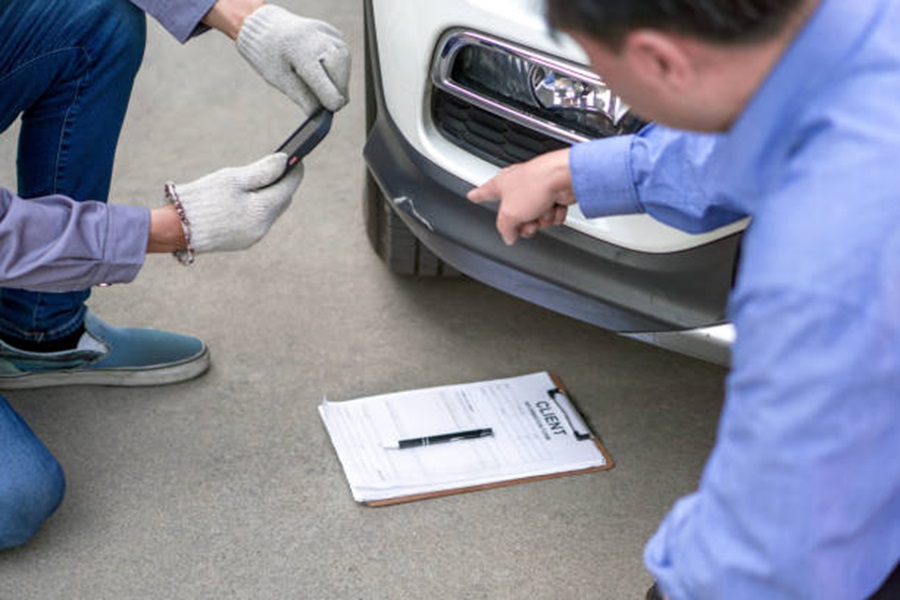
- Document the damage immediately with clear photos from multiple angles.
- Contact your insurer promptly to confirm if it’s covered under your policy.
- Research reputable auto shops approved by your insurer for repairs or replacements.
Understanding when insurance covers windshield replacement can save both time and expense while minimizing stress during an already inconvenient situation.
How Much Does It Cost to Fix a Broken Windshield
Below, we’ll break down these variables to help you better understand what to expect when it comes to costs.
Factors That Affect Repair or Replacement Costs
- Small chips or minor cracks (typically under 6 inches) are often repairable and will cost less than replacing the entire windshield.
- Larger cracks or damage in multiple locations usually require a full replacement.
- Luxury vehicles or cars with advanced technology like rain sensors, heated windshields, or built-in safety features (e. g. , ADAS cameras) will generally have higher replacement costs.
- Older vehicles may have cheaper replacement costs due to the availability of standard glass.
- If the crack is directly in the driver’s line of sight, many professionals recommend replacing the windshield even if it seems minor for safety reasons.
- Local labor rates influence pricing. Urban areas may have higher costs compared to rural regions due to differences in overhead expenses for service providers.
- OEM (Original Equipment Manufacturer) glass tends to be more expensive but offers a perfect fit and consistency with your car’s original specifications.
- Aftermarket glass can be cheaper but may vary slightly in quality and fit.
General Price Ranges
Service Type | Estimated Cost | Notes |
Chip Repair | $60–$100 | Per chip; some places offer discounts for multiple chips. |
Crack Repair (<6 inches) | $50–$150 | Depending on location and shop policies. |
Full Windshield Replacement (Standard Glass) | $200–$400 | For most economy cars without advanced features. |
Full Windshield Replacement (Luxury Cars / ADAS Systems) | $500–$1,500+ | Higher-end vehicles with specialized windshields can be significantly more expensive. |
Insurance Coverage Impact
If you have comprehensive auto insurance coverage, it may reduce or eliminate out-of-pocket expenses for repairs or replacements: – Many insurers fully cover chip repairs because they are less costly than replacements. – Some policies include deductibles for full replacements; check your policy details.
Lowering Costs: Practical Tips
- Shop Around
Get quotes from multiple providers before committing to service—mobile repair services can sometimes offer competitive pricing compared to brick-and-mortar shops. - Ask About Warranties
Look for shops that provide warranties on their work for added peace of mind regarding material defects or poor installation. - Consider Mobile Repair Services
Mobile technicians often charge less because they save on overhead costs like maintaining a physical storefront. - File an Insurance ClaimIf eligible under your policy, filing an insurance claim could save you hundreds in repair/replacement expenses—just take note of any potential premium increases before deciding.
Understanding these factors helps vehicle owners make informed decisions about handling windshield damage promptly and affordably while balancing safety considerations with cost concerns.
Should I Use Insurance to Replace My Windshield
When faced with a cracked or damaged windshield, deciding whether to use your insurance can feel overwhelming. There are several factors to consider when making this decision, including the cost of repair or replacement, your deductible, and how filing a claim might impact your premiums. Below, we’ll break down these considerations to help you make an informed choice.
Types of Coverage That May Apply
Understanding your auto insurance policy is the first step in determining whether it’s worth filing a claim for a windshield replacement.
- Comprehensive Insurance: This type of coverage typically includes damage caused by events like rocks hitting your windshield, hailstorms, or vandalism. Comprehensive insurance usually covers glass repair and replacement after you meet the deductible.
- Full Glass Coverage: If you opted for this add-on feature when purchasing your policy, you may not need to pay a deductible at all for windshield repairs or replacements.
Check with your provider to understand what is covered under your specific plan.
Factors to Consider Before Filing a Claim
- If the cost of repairing or replacing the windshield is lower than your deductible—for instance, if repairs cost $200 but you have a $500 deductible—it may make more financial sense to pay out of pocket rather than file a claim.
- Repairing small chips or cracks is generally less expensive than replacing an entire windshield. Repairs typically range from $50-$150, depending on severity and location, while replacements can range from $300-$1,000 depending on the make and model of your vehicle.
- Filing frequent claims—even if they’re small—can increase your insurance premiums over time. It’s crucial to evaluate whether claiming for minor damage is worth potentially higher rates in the future.
Factor | Repair Cost Estimate | Replacement Cost Estimate |
Small Crack/Chip | $50–$150 | Not Applicable |
Full Windshield Damage | Not Applicable | $300–$1,000+ |
Deductible (Example) | Varies ($250–$1K) | Varies ($250–$1K) |
When Using Insurance Makes Sense
There are certain situations where utilizing insurance becomes more practical: – Severe Damage:If the crack affects visibility or has spread across most of the windshield.Low Deductible:If you have comprehensive coverage with a low deductible (e. g. , $100), filing an insurance claim may save you money compared to paying out-of-pocket.Full Glass Coverage:If this feature is included in your policy, repairs and replacements might be entirely covered without impacting other elements of your coverage.
When Paying Out-of-Pocket May Be Better
In some cases, it’s more advantageous to avoid involving insurance altogether: – The damage is minor and does not obstruct visibility. – The repair cost falls below—or only slightly above—your deductible amount. – You’ve filed multiple claims recently and want to avoid further premium increases.
Final Tip: Learn Your Policy Details
Every auto policy differs slightly in terms of what’s covered and how claims affect premiums. Contacting your insurer directly—or reviewing their online resources—can provide clarity on whether using insurance for a cracked windshield aligns with both short-term costs and long-term financial goals.
By carefully evaluating these considerations based on costs and coverage details unique to your situation, you’ll be able to make a well-informed decision about whether using insurance for that cracked windshield is truly worth it.
How to Tell If Windshield Damage Needs to Be Repaired Immediately
A cracked or chipped windshield might seem like a minor inconvenience, but it can escalate into a much bigger problem if not addressed in time. Understanding whether the damage requires immediate attention can help you prioritize repairs and maintain safety on the road. Below are key factors to consider when evaluating windshield damage.
Size and Depth of the Crack
- Small Chips or Cracks (< 1 inch):These are generally repairable, especially if caught early. However, neglecting them could lead to more extensive damage.
- Larger Cracks (> 6 inches):Significant cracks almost always require immediate replacement as they compromise structural integrity and cannot be repaired effectively.
- Deep Penetration:If the crack extends beyond the outer layer of glass into the inner layer, it poses a safety risk and should be handled urgently.
Location of the Damage
- Driver’s Line of Sight:Any crack or chip obstructing your view while driving needs an immediate fix. Even small distortions can result in poor visibility and accidents.
- Edges of Windshield:Cracks near edges tend to spread faster due to pressure and vibrations while driving. This type of damage can weaken the overall stability of your windshield more quickly than central cracks.
- Over Sensors or Cameras:Modern vehicles often have cameras or sensors embedded in windshields for advanced systems like lane departure warnings. Damage in these areas can interfere with functionality, requiring quick action.
Spreading Potential
Factors That Can Cause Spreading | Examples |
Temperature Change | Extreme heat or cold can expand cracks due to thermal stress (e.g., using hot water on a frosty windshield). |
Vibrations | Driving on rough roads or at high speeds worsens existing damage. |
Moisture | Water entering chips accelerates deterioration. |
If your damage appears likely to spread—for example, during rapid temperature fluctuations—it becomes a priority for repair.
Legal and Safety Implications
- Some states have strict regulations about obstructed driver visibility.
- Vehicles may fail inspections if there is significant windshield cracking.
Additionally, windshields provide up to 45% of structural support during vehicle rollovers, so ignoring cracks could jeopardize passenger safety.
Tips for Immediate Action
- Secure Temporary Fixes:Use clear adhesive patches designed for windshields to minimize spreading until professional service is available.
- Avoid Driving Unless Necessary:Limit driving as vibrations make matters worse.
- Contact Professionals Promptly:Schedule an appointment with a trusted auto glass technician as soon as possible.
By assessing factors like size, location, potential for spreading, and legal implications promptly after noticing any damage, you ensure both road safety and compliance with regulations—while potentially saving money by addressing problems before they worsen further.
Is a Cracked Windshield Dangerous
A cracked windshield may seem like a minor inconvenience, but it can lead to significant safety hazards if left unaddressed. Understanding the risks associated with driving a vehicle that has a damaged windshield is essential for making informed decisions about repairs or replacements. Below, we’ll explore the dangers of ignoring this issue and why immediate attention is critical.
Impaired Structural Integrity
A windshield is a key component of your vehicle’s structural support system. It contributes to the overall stability of the car, particularly in accidents such as rollovers.
– Reduce your car’s ability to protect occupants during a collision or rollover.
– Increase the likelihood of roof collapse in severe accidents.
– Affect how airbags deploy—windshields serve as backstops for airbags during deployment, and a compromised windshield may cause them to malfunction.
Reduced Visibility
Cracks in a windshield can distort your view of the road:
– Glare from sunlight or oncoming headlights may be amplified by cracks, creating blind spots or distractions while driving.
– Small chips and cracks can expand over time, especially under temperature fluctuations or vibrations from driving, further obstructing visibility.
– Dirt and debris often accumulate in cracks, worsening their appearance and impairing clarity.
Drivers who cannot clearly see traffic signals, vehicles around them, or pedestrians are at greater risk of accidents.
Increased Vulnerability to Damage
Once the structural integrity of a windshield is compromised by small cracks or chips:
– The glass becomes more susceptible to shattering under minor impacts such as hitting potholes or debris on the road.
– Changes in weather (e. g. , extreme heat or cold) can worsen existing damage. For instance: – Hot temperatures cause glass expansion. – Cold temperatures cause contraction. – These changes combined with preexisting damage increase stress on already weakened areas.
A small crack today may turn into an extensive spider web pattern tomorrow if ignored.
Legal and Financial Consequences
In some areas, driving with a cracked windshield may violate road safety regulations due to its potential impact on visibility and safety concerns.
1.Traffic Tickets– Authorities might issue fines for operating an unsafe vehicle. 2.Insurance Penalties– If involved in an accident caused by reduced visibility due to your cracked windshield, insurers could deem you negligent. 3.Higher Costs Over Time– Addressing small chips early is more affordable than replacing an entire shattered windshield later.
Risks During Accidents
Beyond everyday driving risks, consider how crucial windshields are during collisions:
– Windshields help keep occupants restrained inside vehicles during crashes. If compromised by prior damage: – Passengers are at higher risk of being ejected from the car. – Debris can enter through broken sections more easily. – Laminated glass used in modern windshields provides additional protection from flying shards; however: – Large cracks compromise its ability to hold shattered pieces together effectively.
Professional Assessment Matters
While some minor chips may not pose immediate risks depending on their location and size (e. g. , those away from driver sightlines), only professionals can provide accurate assessments regarding urgency: 1. Inspect whether damage extends into both layers of laminated glass. 2. Determine whether repair instead of replacement suffices based on crack size/type. 3. Note environmental factors accelerating deterioration (humidity exposure speeds up delamination).
Proper inspections prevent misjudgments that jeopardize both safety & finances long-term.
By addressing these dangers promptly through appropriate repairs/replacements guided by certified experts—you ensure ongoing personal safety while avoiding escalating repair costs alongside other unnecessary complications altogether
What to Do When Your Windshield Cracks
Dealing with a cracked windshield can be stressful, but taking the right steps immediately can save time, money, and ensure your safety.
Assess the Damage
– Size of the Crack
– Location
– Type of Damage: Star-shaped chips, bullseye cracks, or spider-web-like fractures may need different courses of action depending on severity.
Avoid Further Damage
- Protect It from Impact: Avoid slamming car doors as vibrations can cause cracks to spread.
- Seal It Temporarily: Use clear tape or a DIY windshield repair kit (available at most auto stores) as a temporary fix until professional help is available. This also keeps dirt and moisture out of the crack.
- Control Temperature Extremes: Avoid extreme heat or cold inside and outside your vehicle as temperature fluctuations can expand tiny cracks further.
Action | Why It’s Important |
Limit vibrations | Prevents crack from spreading quickly |
Keep it sealed | Stops debris buildup in damaged areas |
Regulate temperature | Reduces stress on glass |
Determine Repair or Replacement Needs
- Opt for repairs if:
- The crack is small (less than a dollar bill).
- It’s not located in the driver’s direct line of sight.
- Consider replacement if:
- The damage compromises structural integrity (e. g. , along glass edges).
- There are multiple cracks intersecting across different areas.
Consult an expert technician who can provide an accurate assessment based on these factors.
Contact Your Insurance Provider
Your auto insurance may cover all or part of repair/replacement costs depending on coverage details like deductibles and policies for comprehensive claims.
- Check your policy documents for glass coverage specifics.
- Call your provider to report damage promptly.
- Ask whether filing a claim affects premiums; sometimes paying out-of-pocket is preferable for minor repairs.
Visit a Trusted Professional
Once you’ve assessed urgency and spoken with insurance providers if needed, schedule an appointment with certified auto-glass professionals who adhere to industry safety standards such as those set by AGSC (Auto Glass Safety Council).
Look for reviews online or ask friends/family for recommendations—the quality of work matters significantly when it comes to windshields since they’re part critical part vehicle’s structure/security
What to Do When Your Windshield Cracks
A cracked windshield can be a stressful situation, but acting quickly and thoughtfully can save time, money, and even ensure your safety.
Assess the Damage
– Is the crack small (under 6 inches) or has it spread across a large section of the windshield?
– Does the crack obstruct your view while driving?
Small chips and cracks are often repairable, while larger or edge-located damage may require full replacement. Understanding this will guide your next steps.
Avoid Driving If Possible
Driving with a cracked windshield can worsen the damage due to vibrations and exposure to wind pressure.
– Avoid potholes and sudden braking which could expand the crack.
– Use caution with temperature changes; avoid immediately blasting heat or air conditioning directly onto the glass.
If driving isn’t necessary, consider alternative transportation until repairs are made.
Protect Your Windshield from Further Damage
To prevent debris or water from entering even small cracks:
– Cover minor chips with clear tape as a temporary measure (do not use colored duct tape as it can obscure visibility).
– Park in shaded or covered areas whenever possible to minimize exposure to direct sunlight and temperature fluctuations that could worsen cracking.
Contact Your Insurance Company
Depending on your policy, your insurance might cover repairs or replacement costs (sometimes without requiring a deductible).
1. Provide details about how and when the damage occurred.
2. Confirm if repairs will affect your premiums before deciding whether to make a claim.
Some policies offer specific coverage for glass repair without impacting broader insurance rates—check for this benefit.
Decide Between Repair and Replacement
Once you’ve assessed damage and spoken with professionals or insurance representatives, decide whether repair is sufficient or if full replacement is necessary.
| Damage Type | Repairable | Requires Replacement |
|————-|————|———————–|
| Small chip (< 1 inch) | Yes | No |
| Crack (< 6 inches) | Yes | No |
| Large crack (> 6 inches) | No | Yes |
Choose a Reputable Repair Service
Selecting an experienced technician ensures quality work that meets safety standards.
– Reading online reviews for service ratings. – Checking certifications such as those from Auto Glass Safety Council (AGSC). – Comparing quotes but avoiding overly low pricing—it might indicate poor workmanship.
Mobile repair services are also convenient options; many technicians can come directly to your home or office.
Prevent Future Windshield Cracking
Prevention measures reduce future risks:
– Keep a safe distance behind vehicles carrying loose debris like gravel trucks. – Replace windshield wipers regularly since worn blades create scratches over time. – Avoid extreme temperature changes by gradually warming up/cooling down interior temperatures instead of sudden blasts of heat/AC.
By approaching a cracked windshield methodically, you’ll address immediate safety concerns while ensuring long-term solutions that minimize future inconvenience.