How Professional Detailing Restores Your Vehicle’s Appearance After Repairs
After an auto body repair, professional detailing plays a critical role in restoring your vehicle’s appearance to its pre-accident condition or even better. While repairs often address structural integrity and functionality, the finishing touches from detailing ensure that your car looks as good as it drives. This process bridges the gap between technical repairs and aesthetic perfection, making it a crucial part of post-repair care.
Eliminating Visible Repair Traces
- Mismatch in surface texture: Polishing smooths out any unevenness or rough patches left from sanding or painting.
- Paint overspray: A professional detailer can remove accidental overspray, ensuring a clean, consistent coat.
- Panel blending marks: Detailing reduces or eliminates faint lines or seams where new panels meet old ones.
By addressing these concerns, detailing ensures that no one can detect traces of repair work just by looking at your car.
Enhancing Shine and Color Uniformity
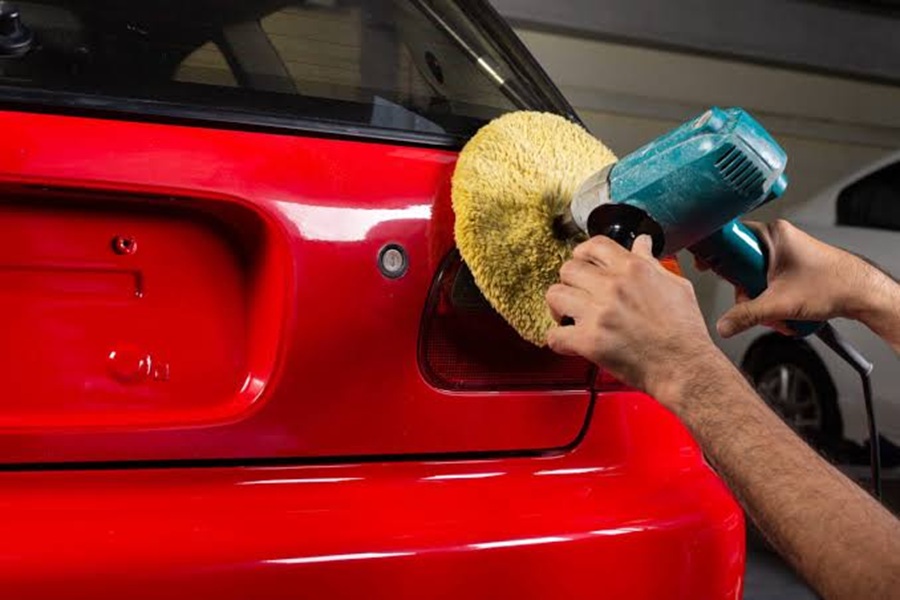
- Polishing the entire vehicle: This creates an even reflective surface that enhances shine and improves color consistency across all panels.
- Applying protective coatings: Sealants or waxes are used to deepen the richness of paint colors while adding luster.
This process doesn’t just restore the vehicle’s original beauty it elevates it.
Interior Restoration
- Removing dust and debris from vents, dashboards, and upholstery.
- Treating stains caused by grease or chemicals used in the repair shop.
- Conditioning leather seats so they regain their suppleness.
These efforts return your car’s cabin to pristine condition while enhancing comfort for passengers.
Long-Term Benefits of Post-Repair Detailing
| Benefit | Description |
| Prevention of corrosion | Cleaning residue from repairs prevents rust or oxidation over time. |
| Paint longevity | Waxing shields new paint from UV rays, dirt buildup, and weather damage. |
| Increased resale value | A flawless appearance boosts market value for trade-ins or sales. |
With these long-term advantages in mind, investing in professional detailing after auto body work not only enhances aesthetics but also protects your investment.
Why Skipping Detailing Is Risky
Neglecting post-repair detailing can leave subtle imperfections unattended such as fine scratches from sanding dust or allow damaging elements like solvents to remain on surfaces. Over time, this oversight could lead to premature wear on paint finishes or corrosion beneath improperly cleaned areas.
Professional detailing ensures every inch of your car is thoroughly inspected and cared for after structural repairs are complete. It guarantees not only an exceptional visual outcome but also peace of mind knowing you’ve taken every step necessary to maintain its look and longevity effectively.
Removing Dust, Debris, and Residue After Auto Body Work
After an auto body repair, your vehicle often accumulates unwanted dust, debris, and residue that can compromise its appearance and even its long-term durability. These byproducts of the repair process whether they stem from sanding, polishing, or painting can settle into crevices and surfaces if not properly addressed. Professional detailing after repairs ensures a clean slate for your car while safeguarding its aesthetics and functionality.
Common Sources of Dust and Residue
During auto body repairs, several processes contribute to surface contamination:
- Sanding debris: Fine particles from sanding are notoriously difficult to remove entirely without thorough cleaning.
- Paint overspray: Small paint droplets can settle on unintended areas such as windows or trim during the painting process.
- Polishing compounds: Polishing products often leave behind residues that dull both painted and unpainted surfaces if not wiped away correctly.
- Environmental contaminants: While a repair shop strives for cleanliness, elements like dust from the air or dirt tracked in can settle on your car during the repair process.
Why Addressing These Issues Matters
Failing to remove this residue has several consequences:
- Surface imperfections: Dust trapped on the surface affects both the visual appeal and texture of your vehicle’s finish.
- Damage to finishes: Leftover abrasives from sanding or polishing can lead to scratches or swirl marks when rubbed against the paint layer.
- Hygiene concerns: Interior spaces may also collect fine repair dust during extensive work, affecting air quality in your car’s cabin.
The Role of Detailing in Proper Cleanup
- Surface Washing: A gentle but thorough hand wash removes loose debris without causing additional scratches on new paintwork.
- Clay Bar Treatment: Technicians use clay bars to lift embedded particles like overspray that standard washing cannot eliminate.
- Air Blowout: High-pressure air tools clear hard-to-reach spots such as seams between panels or around window trims.
- Vacuuming: Interior detailing ensures any fine dust inside the cabin often overlooked is removed.
- Panel Wipe Down: Special cleaning solutions are used to ensure every surface is free from waxy residue left behind by polishing products.
Practical Tip for Owners
If you’ve recently had bodywork done on your vehicle, request information about detailing services offered either by the shop itself or through trusted third-party detailers they recommend. Ensure that proper post-repair cleaning is part of their checklist before driving off with your car.
By focusing on comprehensive removal of dust and residue through professional detailing practices, you not only bring out the beauty of recent repairs but also protect those carefully restored elements for years to come.
How Detailing Helps Protect Fresh Paint and Finishes
Auto body repairs often involve repainting or refinishing sections of a vehicle. While these processes restore the structural and aesthetic integrity of your car, fresh paint and finishes require careful attention to ensure their longevity. Proper detailing after repairs goes beyond aesthetics; it plays an essential role in safeguarding the newly applied surfaces from environmental damage, wear, and deterioration.
Understanding the Vulnerability of Fresh Paint
Freshly painted surfaces have unique characteristics that make them more vulnerable to damage if not cared for properly:
- Softness of New Paint: Fresh paint requires time to cure fully. During this period, it is softer and more susceptible to scratches, swirl marks, and chemical etching from environmental contaminants.
- Exposure to Elements: Newly painted surfaces are particularly prone to damage from UV rays, bird droppings, tree sap, road grime, and other pollutants.
- Lack of Initial Protection: Post-repair paint jobs typically lack the protective coatings or wax layers that help shield the surface from external factors.
Detailing Techniques That Protect Fresh Paint
- Synthetic sealants or ceramic coatings create a durable barrier over the vehicle’s surface. These products shield against environmental contaminants and make cleaning easier in the future.
- Waxing can also be used but may be less effective compared to advanced coatings in protecting against harsh elements.
- Use pH-balanced car shampoos during washes to prevent stripping away any protective layers.
- Opt for microfiber towels or soft wash mitts to avoid scratching delicate new finishes.
- Light polishing can remove imperfections left after auto body work without compromising newly applied layers.
- Avoid aggressive compounds or high-speed buffers on fresh paint; these can cause unnecessary harm.
Long-Term Benefits of Detailing for Fresh Finishes
Investing in post-repair detailing ensures your vehicle’s appearance remains pristine while extending the life of its new paintwork:
- Protection against fading caused by prolonged sun exposure.
- Prevention of minor scratches and stains that could become permanent over time.
- Enhanced resale value by maintaining a like-new look on repaired surfaces.
Regular detailing after auto body repair is a proactive approach that preserves both the visual appeal and structural integrity of your car’s freshly refinished areas.
The Benefits of Polishing and Paint Protection After Repairs
Polishing and applying paint protection after auto body repair is more than just an aesthetic enhancement; it plays a crucial role in preserving the integrity of your vehicle’s finish. Once repairs are completed, surfaces can be susceptible to damage if not properly maintained. This stage of detailing ensures your car not only looks its best but remains protected from environmental factors, wear, and long-term damage.
Restoring a Smooth Finish
- Smoothing Out Surface Irregularities: Even a high-quality paint job may have subtle unevenness or swirl marks. Polishing refines these imperfections for a flawless finish.
- Enhancing Color Depth: A well-polished surface allows the paint to reflect light evenly, bringing out the true vibrancy of your car’s color.
- Removing Light Scratches or Holograms: Tiny scratches or holographic streaks that may occur during washing or repairs can be minimized or eliminated through polishing.
Long-Term Paint Protection
Once polishing has restored your vehicle’s appearance, it’s crucial to safeguard the fresh finish through appropriate protective measures. Paint protection ensures durability and preserves that polished look over time.
Types of Paint Protection:
| Type | Description | Longevity |
| Wax | A traditional option that provides a shiny finish while offering moderate protection from UV rays and contaminants. | 1-3 months |
| Sealant | Synthetic polymers designed to bond with paint for longer-lasting protection against dirt and weather conditions. | 6-12 months |
| Ceramic Coating | Advanced liquid polymer technology offering superior resistance to scratches, UV rays, chemicals, and oxidation. | Up to 5 years |
| Paint Protection Film (PPF) | A physical barrier (clear film) applied to protect against chips, scratches, and debris impact. | 5-10 years |
Why It Matters After Repairs
- The new paint layer needs time to cure fully.
- Without added protection, contaminants like bird droppings, road grime, or acid rain can easily compromise an unprotected surface.
- UV exposure might fade fresh paint faster if left untreated.
By applying polish followed by an appropriate form of protection such as wax or ceramic coating you create a barrier that shields the repaired areas while enhancing their aesthetic appeal.
Additional Benefits
- Prolonging the lifespan of your car’s exterior.
- Making future cleaning easier since contaminants are less likely to adhere tightly.
- Reducing potential costs for repainting due to premature fading or damage.
Investing in professional polishing and paint protection ensures both immediate results and long-term benefits for your vehicle’s post-repair condition. It’s about safeguarding your investment while keeping it looking pristine on the road ahead.
When Should You Detail Your Car After Auto Body Repair
Timing is a critical factor when considering detailing your vehicle after auto body repairs. Properly scheduling detailing services can ensure the best results for your car’s appearance and protect the integrity of any new paintwork or finishes applied during repairs. Let’s explore when and why detailing should be done post-repair.
Allow Time for Paint to Properly Cure
- Fresh Paint Needs Curing: After auto body repairs, especially if painting was involved, it’s important to allow the paint to fully cure. Modern automotive paints often require at least 30 days to fully harden and bond with the surface.
- Avoid Aggressive Detailing Too Soon: Polishing or waxing immediately after painting may interfere with the curing process, leading to imperfections or dulling. Always confirm curing times with your repair technician before scheduling a full-detail service.
Immediate Cleaning is Necessary Post-Repair
While a full detail should wait until the curing period is complete, basic cleaning immediately after repairs is essential:
- Remove Dust and Residue: Body shops often leave fine dust and debris from sanding or polishing processes on the vehicle’s surface. A gentle wash ensures these particles don’t cause scratches or damage.
- Inspect for Overspray or Smudges: Repairs may occasionally leave behind overspray, adhesive residue, or finger smudges that need to be addressed promptly.
Ideal Timing for Different Types of Detailing
The type of detailing service also determines when it should be performed: 1. Exterior Polishing & Waxing
– Best scheduled 30–90 days post-repair once paint has cured properly. – Helps restore shine and protects your vehicle from environmental contaminants like UV rays, dirt, and moisture.
- If interior repairs were conducted (e.g., airbag replacements or upholstery work), interior detailing can be done immediately to remove dust from repair activities.
- These protective options should also wait until paint cures completely but must be applied early enough to maximize their effectiveness in preventing damage over time.
Seasonal Considerations
Weather plays a role in determining the optimal time for detailing:
- In winter months, road salt and grime make protective coatings particularly important after auto body repairs.
- During summer, protection against UV exposure becomes essential for maintaining repaired surfaces.
| Service Type | Recommended Timing Post Repair |
| Basic Cleaning | Immediate |
| Polishing & Waxing | 30–90 Days |
| Ceramic Coating/Film | 30–90 Days |
| Interior Detailing | Anytime |
Rely on Professional Advice
To determine exactly when your car will benefit most from detailing, work closely with both your repair shop and professional detailers. They can provide specific guidance based on the type of repair done, the materials used, and environmental factors affecting your region.
By choosing the right timing for post-repair detailing services, you’ll not only maintain your car’s aesthetic appeal but also ensure long-term protection for its surfaces against wear and tear caused by daily use.