How Modern Windshields Support Vehicle Safety and Structural Integrity
Modern windshields are far more than simple glass panels they are complex components of a vehicle’s overall safety and design.
- Contributing to Vehicle StrengthIt works in conjunction with other parts of the vehicle, such as roof pillars, to distribute force evenly in case of an accident.
- Preventing Roof Collapse: During severe collisions or rollovers, a properly installed windshield helps prevent the roof from caving in, offering additional protection to passengers.
- Windshield Bonding Technology: The adhesive used to fix windshields, often polyurethane-based compounds, is designed not just for placement but also for structural reinforcement.
Windshield Laminated Glass Technology
- Shatter Resistance: Instead of breaking into sharp pieces when struck, laminated glass holds together on impact.
- Barrier Against Foreign Objects: Whether it’s debris on highways or hailstones during storms, laminated glass shields occupants by absorbing most impacts without disintegrating.
| Feature | Traditional Glass | Modern Laminated Glass |
| Shatter Resistance | Low | High |
| Protection Against Debris | Limited | Excellent |
| Durability | Moderate | Enhanced |
Enhanced Driver Visibility
- UV Protection Layers: Many contemporary windshields come with UV coatings that reduce glare from sunlight while protecting passengers from harmful rays.
- Acoustic Properties: Laminated glass also dampens noise levels inside the cabin by reducing vibrations caused by wind and road noise.
- Hydrophobic Coatings: Some advanced windshields include factory-applied hydrophobic coatings that repel water during rainstorms for better visibility.
A quality windshield ensures proper alignment for these systems to work effectively.
- Lane departure cameras
- Rain-sensing wipers
- Adaptive cruise control
The evolution of windshield technology has made it clear that these components are an integral part of both driver and passenger safety systems as well as vehicle design. Choosing high-quality materials and ensuring proper installation can preserve all these benefits while extending the durability of your vehicle’s structure over time.
Why Proper Windshield Installation Matters for Airbag Performance
Modern vehicles are designed as complex systems where every component contributes to overall safety. A seemingly simple part, like a windshield, plays a critical role in ensuring the effectiveness of airbags during a crash. Proper installation of windshields is not just about aesthetics or preventing leaks; it directly impacts how well your car’s safety features function. Let’s explore why meticulous windshield replacement is vital for airbag performance.
How Windshields and Airbags Work Together
When airbags deploy during a collision, they rely on the structural support of the windshield to ensure that they inflate in the correct position and at the right angle.
- Airbag Deployment Mechanics: In many vehicles, passenger-side airbags deploy upward toward the windshield before cushioning passengers.
- Misalignment of airbag deployment.
- The windshield to detach or shatter under pressure.
- Structural Stability: The windshield functions as part of your car’s structural integrity and helps distribute crash forces evenly in case of an accident.
An improperly installed or damaged windshield can compromise this system, increasing the risk of injury during a collision.
Risks of Poor Installation
- Adhesive Failure: If sub-par adhesives are used or curing time isn’t followed correctly:
- The glass may not bond securely to the vehicle frame.
- During deployment, the force from airbags can dislodge or crack an insecure windshield.
- Alignment Issues: A misaligned replacement prevents proper interaction between airbags and glass, reducing their effectiveness in protecting vehicle occupants.
- Use of Incorrect Glass Types: If aftermarket glass doesn’t match OEM specifications, it may lack sufficient strength to support airbag inflation forces.
Why Professional Technicians Are Essential
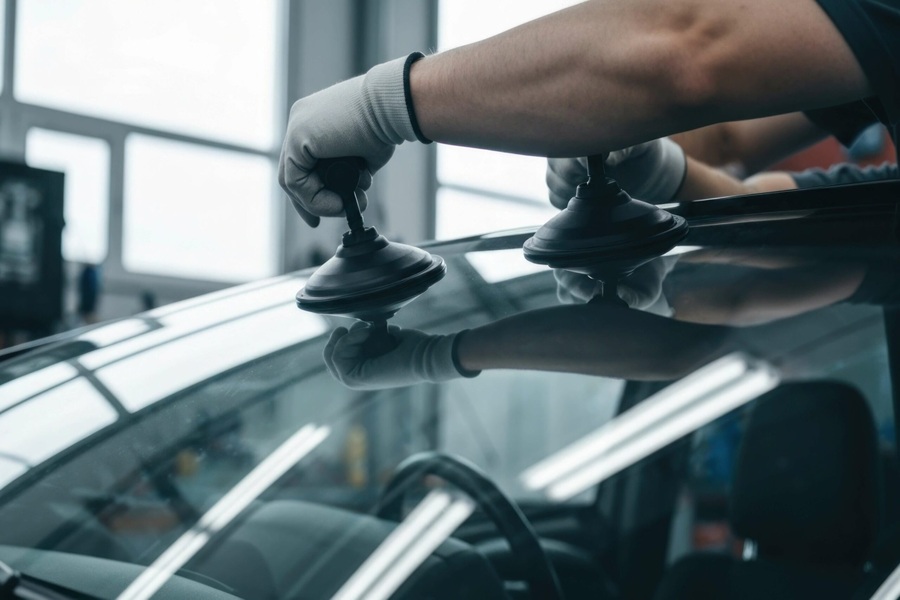
Certified technicians follow precise procedures and use advanced materials to ensure proper installation that supports airbag functionality.
- Removing Old Adhesive Safely: Ensuring no leftover adhesive creates uneven bonding surfaces.
- Using High-Quality Urethane Adhesives: These provide long-lasting durability and create a strong seal between the glass and vehicle frame.
- Testing Post-Installation Stability: Professionals confirm everything is secure by performing thorough checks before returning your vehicle.
Best Practices for Drivers
- Always opt for certified auto repair shops with technicians trained in modern installation practices.
- Ensure they use OEM-quality parts and adhesives designed specifically for your make and model.
- Avoid driving your car immediately after replacement unless advised otherwise; adhesives need time to cure fully for maximum stability.
Properly installed windshields aren’t just about looks they are essential for safety features like airbags to function as intended. Always prioritize professional service when replacing this critical component in your vehicle’s structure.
How Modern Windshields Support Vehicle Safety and Structural Integrity
Modern windshields are far more than a simple barrier against wind and debris. Today’s automotive designs rely on windshields as an integral component of the vehicle’s overall safety system and structural integrity. Understanding their role in protecting both passengers and the vehicle itself is essential for appreciating just how advanced windshield technology has become.
Role in Vehicle Safety
- Ejection Prevention:A properly installed windshield keeps passengers within the vehicle during a crash, significantly decreasing fatalities caused by ejection during rollovers or other accidents.
- Protection from Debris:Beyond collisions, modern windshields protect from external hazards like rocks or tree branches that might otherwise strike passengers directly.
Contribution to Structural Integrity
- Support During Rollovers:Without this reinforcement, roof collapse can have catastrophic outcomes.
Advanced Technologies Integrated into Windshields
- HUD (Heads-Up Displays):Many vehicles now project critical driving information onto the windshield itself, allowing drivers to maintain focus on the road while accessing data such as speed or navigation directions.
- Embedded Heating Elements:Designed to eliminate frost and fog quickly without requiring manual scraping, these elements ensure clear visibility even in extreme weather conditions.
- Acoustic Glass Technology:To improve driver alertness and comfort, many modern windshields come with soundproofing layers that reduce road noise while maintaining transparency.
| Feature | Purpose | Benefit |
| Laminated Glass | Prevents shattering | Reduces injury risk |
| Heads-Up Display (HUD) | Projects driving information | Enhances focus on the road |
| Acoustic Glass Technology | Soundproofing | Improves driver concentration |
Why Routine Inspections Are Key
- Look for small chips or cracks before they spread; even minor damage can weaken the overall structure over time.
- Check for signs of improper installation after replacement (e. g. , water leaks or unusual vibrations). A poorly installed windshield reduces its ability to perform its intended functions.
- Ensure your sensors or cameras integrated into the glass remain functional after repairs or replacement these tools directly impact driver assistance systems.
By recognizing how much modern windshield technology contributes to safety and structure, drivers can better appreciate why addressing any cracks or damages immediately is vital not just for visibility but also for overall well-being on the road.
How Technicians Calibrate Cameras and Sensors After Windshield Replacement
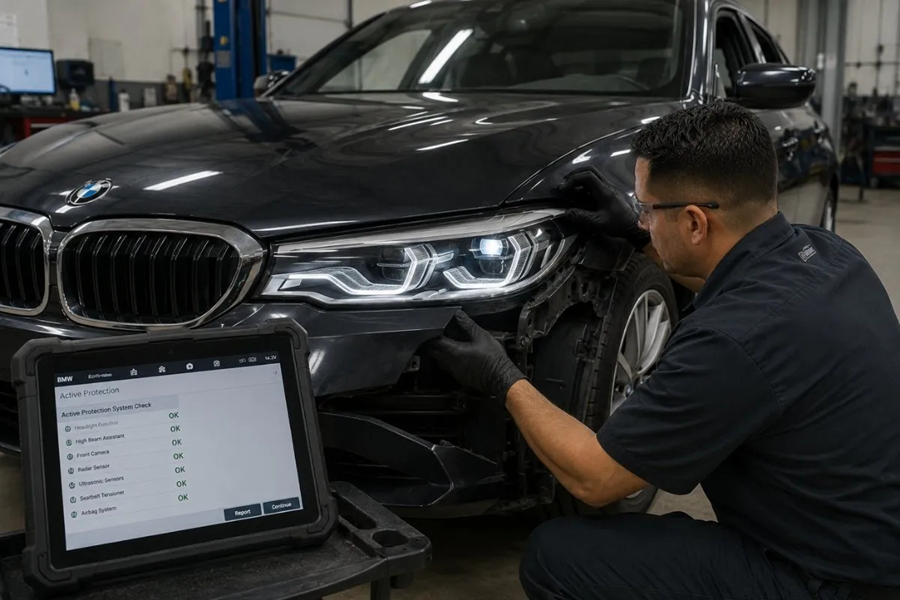
Here’s how technicians perform this calibration process.
Why Calibration Is Necessary
- Accurate sensor alignment: To maintain proper functioning of safety features.
- Optimal system performance: Ensuring the vehicle meets manufacturer specifications for safety.
- Road safety: Helping drivers rely on ADAS features without false readings or malfunctions.
Types of Calibration Processes
- Involves placing targets or patterns at specific distances from the car in line with manufacturer guidelines.
- Specialized tools are used to align cameras and sensors without moving the vehicle.
- Requires technicians to drive the vehicle under specific conditions (e. g. , certain speeds, clear weather).
- Sensors and cameras adjust themselves during real-world conditions using system software.
- Often combined with static calibration for more complex systems.
Some vehicles may require both processes to be completed for full functionality.
Tools and Technology Used
Professional calibration requires specialized tools and software.
| Tool/Equipment | Purpose |
| Diagnostic Scanners | Communicate with ADAS sensors to identify issues or reset systems. |
| Target Boards | Used in static calibration for aligning cameras accurately. |
| Laser Measurement Systems | Ensure precise alignment of sensors during installation. |
| OEM-Specific Software | Tailored programs to adhere to individual manufacturer protocols. |
Technicians also follow step-by-step guidelines provided by OEMs (Original Equipment Manufacturers) to avoid errors.
Common Challenges During Calibration
- Environmental Factors: Poor lighting or uneven surfaces can complicate static calibration.
- Software Compatibility: Updating diagnostic tools to meet the latest OEM standards can delay work.
- Sensor Obstructions: Dirt or improper installation can interfere with sensor operation post-calibration.
Why Professional Expertise is Crucial
Attempting DIY calibration is not advisable since it requires certified equipment and knowledge of manufacturer-specific protocols.
- Incorrect lane detection
- Delayed reaction by automatic braking
- Disabled ADAS features that compromise driver safety
A trained technician ensures everything is optimized according to factory specifications so your vehicle operates safely and efficiently.
By understanding how modern windshields interact with high-tech systems, you can appreciate why choosing skilled professionals for replacement and calibration services is essential for safety on today’s roads.
How Technicians Calibrate Cameras and Sensors After Windshield Replacement
Ensuring their proper calibration post-installation is vital for safety and functionality.
Why Calibration Is Necessary
Replacing a windshield involves more than just swapping out glass because of the integral role it plays in housing ADAS components.
- System Malfunctions: Features like lane-centering or collision alerts may fail to operate as intended.
- False Warnings: Misaligned sensors might trigger unnecessary alerts that confuse drivers.
Types of Calibration Methods
- Dynamic Calibration: In this approach, technicians take the vehicle out on designated roads where real-world conditions allow the system to self-calibrate by capturing data from its surroundings under specific speeds.
| Type | Environment | Key Process |
| Static Calibration | Indoors/Workshop | Uses targets positioned at fixed points |
| Dynamic Calibration | Real-world roads | Relies on vehicle movement under certain speeds |
| Combination | Both | Mix of controlled settings and real-world testing |
Tools Used by Technicians
- Calibration Frames/Targets: Used in static calibration setups to align cameras accurately.
- Diagnostic Software: Essential for interfacing with onboard systems to ensure all settings align with manufacturer specifications.
- Code Scanners: Help clear error codes that may arise from sensor disruptions during installation.
Steps Involved in Calibration
- Ensure proper placement of the new windshield according to manufacturer guidelines.
- Position cameras/sensors within their correct mounting brackets.
- Run software-based assessments to detect any system errors.
- Verify that all ADAS features work seamlessly after adjustments.
Why Professional Expertise Matters
Windshield calibration is highly precise work requiring trained technicians who understand manufacturer-specific protocols for different car models. Attempting this without adequate knowledge or equipment risks improper alignment, which could compromise safety features.
Investing in professional calibration ensures your car’s ADAS functions perform reliably keeping you secure while driving in today’s technology-driven vehicles.