What an Insurance Adjuster Does
An insurance adjuster plays a critical role in the claims process after you’ve reported a collision or auto-related incident. They act as a representative of the insurance company, tasked with evaluating your claim and determining its validity based on the terms and conditions of your policy. Understanding their role can make navigating the claims process much smoother.
Responsibilities of an Insurance Adjuster
An adjuster’s key responsibilities include:
– Investigating Claims: This involves examining the details of your report, speaking to all relevant parties, and reviewing evidence to assess the situation accurately.
– Assessing Damages: The adjuster evaluates property damage, whether it’s to your vehicle, another person’s vehicle, or other property involved in the collision.
– Estimating Costs: Using repair estimates or working with specialists like mechanics and contractors, they determine how much repairs or replacements will cost.
– Negotiating Settlements: The adjuster calculates a fair payout based on their findings while adhering to policy limits. They discuss settlement amounts with you or any involved third parties.
– Ensuring Compliance: They ensure that claim evaluations align with state laws and regulations as well as your policy guidelines.
Types of Insurance Adjusters
There are different types of insurance adjusters who may handle a claim depending on specific circumstances:
1. Staff Adjusters – These are full-time employees working for your insurance provider.
2. Independent Adjusters – Hired on contract by insurers when staff adjusters are unavailable.
3. Public Adjusters – These professionals work directly for policyholders rather than insurers (typically hired by individuals when disputes arise).
Understanding which type you’re dealing with can help tailor your communication style accordingly.
How Insurance Adjusters Work
To better understand how they operate, consider this breakdown of their step-by-step process: | Step | Description | |——|————-| | Initial Contact | After you file a claim, an adjuster reaches out to discuss next steps and gather preliminary details about what happened. | | Evidence Review | They may request photographs/videos of damages or visit the scene to verify information provided. | | Interviews | The adjuster might speak to witnesses or involved parties (e.g., drivers) for additional context regarding the collision. | | Policy Comparison | The claim is evaluated against your coverage limits, deductibles, exclusions, and other policy-specific terms. | | Settlement Offer | After completing their assessment, they propose an amount for repairs/replacement costs based on all findings. |
Why Understanding Their Role Matters
When you recognize what an insurance adjuster does and how they function within the claims process:
– You can anticipate requests for documentation or follow-ups more effectively. – It becomes easier to communicate professionally since you’ll know their priorities (e.g., accuracy over speed). – You’ll feel more confident advocating for yourself if discrepancies arise between their evaluation and repair shop estimates.
By demystifying their responsibilities and processes upfront, you’ll be better equipped to collaborate productively throughout every stage of the claims lifecycle without unnecessary stress or confusion.
Understand Your Insurance Policy
Before initiating a claim, familiarize yourself with your insurance policy. Knowing your coverage limits, deductibles, and excluded items will prevent surprises later.
- Liability coverage
- Collision and comprehensive insurance
- Uninsured/underinsured motorist protection
- Rental car reimbursement (if applicable)
If you’re unsure about any terms or provisions in your policy, contact your insurer for clarification.
Gather Essential Information
- Names and contact details of all parties involved
- Vehicle descriptions (make, model, license plate numbers)
- Insurance details from other drivers (company name and policy number)
- Witness names and statements if available
- A copy of the police report (if applicable)
- Photographs of all visible damage to vehicles or property
- Photos of the accident scene showing road conditions, traffic signals/signs, or skid marks
Notify Your Insurance Company Promptly
Most insurance companies require prompt notification after an accident. Delays in reporting may complicate or even invalidate your claim.
When contacting your insurer: 1. Provide a clear description of what happened during the incident. 2. Share only factual information; avoid assigning blame. 3. Ask about next steps in filing your claim and required documentation.
Protect Yourself from Common Pitfalls
- Admitting Fault: Even casual comments like “I didn’t see them” may be used against you later.
- Settling Too Quickly: Avoid accepting an initial offer without fully reviewing it. Seek clarification regarding repair estimates or medical bills if necessary.
- Overlooking Medical Treatment: Injuries like whiplash may not present symptoms immediately but could escalate later on. Always visit a doctor for evaluation after an accident.
Staying Organized
A well-organized system for tracking documents will save time as you move through the claims process.
Document Type | Examples | Storage Tips |
Official reports | Police reports | Keep digital & physical copies |
Bills & receipts | Repair invoices, medical bills | Use labeled folders/files |
Correspondence | Emails or letters with adjusters | Save backups online |
Efficient organization helps ensure that no important details are overlooked during negotiations with your adjuster.
By taking these steps early on, you’ll set yourself up for success when working through collision claims with ease and confidence.
Documenting Damage and Gathering Evidence
Proper documentation and thorough evidence collection are critical steps in ensuring a smooth insurance claim process after a collision. Insurance adjusters rely on accurate and detailed information to evaluate the extent of damage and determine compensation. By taking the time to gather the necessary evidence, you can help avoid unnecessary delays or disputes during your claim.
Photograph the Damage
Capturing clear, detailed images of the damage is one of the most effective ways to document your claim. Here are some tips for taking effective photos:
– Take multiple angles: Photograph the damaged areas from various perspectives to provide a full view.
– Include close-ups and wide shots: Close-ups highlight specific damage, while wider shots show how it relates to the entire vehicle.
– Document other vehicles involved: Take photos of all vehicles in a multi-car accident, noting any visible impact points or identifying details like license plates.
– Capture surrounding areas: If there’s debris on the road, skid marks, or property damage, take photos of those as well to fully document the scene.
– Time-stamp your images: Many smartphones automatically time-stamp photos, which provides an accurate record for your case.
Write Detailed Notes
Beyond photographs, written notes can be crucial in capturing details that may not be immediately visible in images:
– Describe how the accident happened: Include information such as weather conditions, road conditions, traffic signals at play, and how each vehicle was moving before impact.
– List damages observed immediately: Note any visible dents, scratches, broken glass, or leaking fluids from your car or others involved.
– Record injuries (if applicable): If anyone sustained injuries in the collision—yourself or others—write down what you observed even if they seem minor.
Obtain Witness Information
If there were witnesses present at the scene:
1. Ask for their names and contact details (phone number or email).
2. Request a brief description of what they saw regarding how the collision occurred.
3. Confirm their availability to provide statements later if needed by your insurer.
Witness accounts can support your version of events and bolster credibility during an investigation.
Keep All Relevant Documents
Gather all records related to both short-term responses after the incident as well as ongoing correspondence with insurance providers:
| Document Type | Examples |
|——————————–|——————————————————|
| Incident Reports | Police reports (if filed), driver exchange forms |
| Repair/Replacement Estimates | Quotes from auto body shops |
| Medical Records & Bills | Doctor’s notes about injuries; hospital invoices |
| Communication Logs | Email exchanges with adjusters; notes from calls |
Organize these documents meticulously so they’re easily accessible when requested by your insurer or adjuster.
Tips for Effective Evidence Collection
To ensure success when documenting damage:
– Act promptly after any incident; delays could result in lost evidence like fading skid marks or cleaned-up debris. – Back up images digitally by saving them on multiple platforms (cloud storage is ideal).
– Avoid tampering with damaged items until after inspection by both repair technicians and insurance representatives.
By following these steps thoroughly post-collision without cutting corners ensures fairness throughout claims review stages
Communicating Effectively with Your Adjuster
Effective communication with your insurance adjuster is critical to ensuring a smooth and efficient claims process. As they serve as the liaison between you and the insurance company, maintaining clear and professional interactions can significantly impact how your claim is handled. Below are key tips to help you communicate effectively with your adjuster.
Be Prompt and Proactive
- Respond to requests for information or documentation as quickly as possible.
- Keep track of deadlines provided by the adjuster to avoid delays in processing your claim.
- Proactively provide updates if you obtain new evidence or details about the accident or damages.
Stay Organized
Maintaining a clear record of all communications will help ensure nothing is overlooked. Consider these organizational tips: – Keep a Communication Log: Note down the date, time, and content of every conversation with your adjuster (including phone calls, emails, or in-person meetings). – Save All Correspondence: Retain copies of emails, letters, repair estimates, and any other documents exchanged. – Use folders (physical or digital) to organize photos, receipts, repair quotes, and other evidence related to your claim.
Be Clear and Concise
When speaking or writing to your adjuster: – Stick to the facts without adding unnecessary details that may confuse or complicate matters. – Use specific language when describing damages (e.g., “the rear bumper has scratches” instead of “there’s damage on the back”). – Avoid using jargon or overly technical terms unless necessary; simple explanations are often more effective.
Ask Questions When Needed
Insurance policies can be complex, so don’t hesitate to ask questions if something is unclear. Some examples include: – What additional documents do I need to submit? – Are there specific coverage limits I should be aware of for this type of damage? – How long does it typically take for repairs/claims processing?
This not only ensures you fully understand your claim but also shows that you’re engaged in resolving it efficiently.
Maintain Professionalism
While accidents and claims can be stressful experiences, it’s important to remain calm and professional throughout: – Avoid expressing frustration or anger directly at the adjuster—they are there to assist you. – If there’s a disagreement about coverage or compensation amounts, approach it constructively by presenting relevant evidence rather than emotional arguments.
Preferred Methods of Communication
It’s worth discussing with your adjuster early on how they prefer to communicate. For instance:
| Method | Pros | Cons | |—————-|——————————————|—————————————–| | Email | Provides a written record; convenient | May take longer for responses | | Phone calls | Faster resolution for urgent issues | No written trail unless documented | | In-person | Can address complex issues efficiently | Requires scheduling/logistical effort |
Choose methods based on urgency and practicality while ensuring important details are always documented afterward if spoken over the phone or in person.
By prioritizing clarity, staying organized, and remaining courteous during interactions with your insurance adjuster, you can build a positive working relationship that facilitates smoother claims handling.
Understanding Repair Estimates and Coverage
Navigating repair estimates and insurance coverage can feel daunting, especially after a collision. However, understanding how estimates are created and what your policy covers is crucial to ensuring a smooth claims process. Below, we break down the essentials of repair estimates and how to assess your coverage.
How Repair Estimates Are Created
- Labor Costs: This accounts for hourly rates charged by repair shops.
- Parts Replacement: Damaged parts are assessed for replacement or repairs. Prices vary between original equipment manufacturer (OEM) parts and aftermarket parts.
- Paint and Material Costs: If the damaged area needs repainting or refinishing, materials like paint, primer, and solvents are calculated.
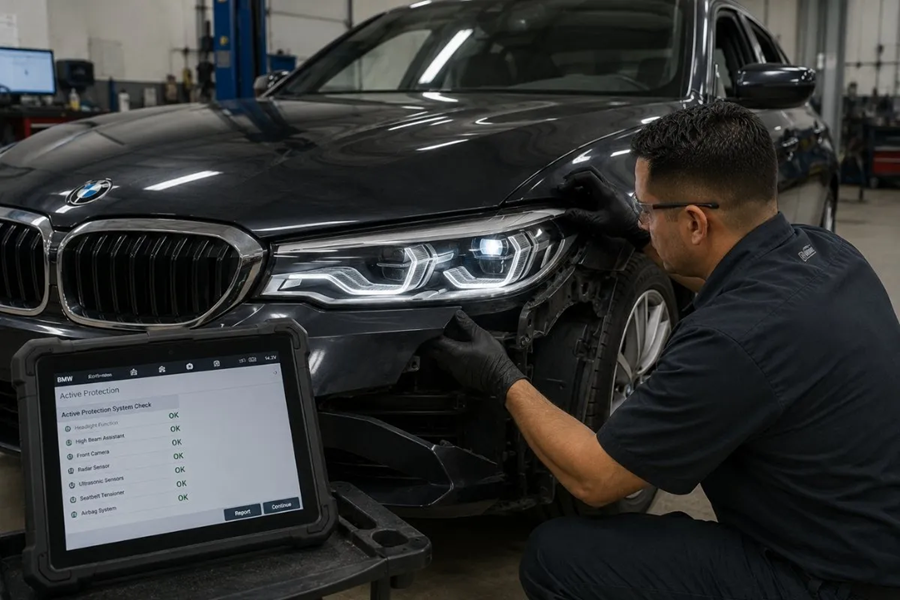
- Diagnostic Fees: Modern vehicles often require diagnostic tools to assess electronic systems.
It’s worth noting that most insurers work with preferred or direct repair shops that provide detailed estimates aligned with the insurer’s requirements.
Reviewing Your Insurance Coverage
- Collision insurance helps cover damage resulting from an accident with another vehicle or object (like a tree).
- Comprehensive insurance covers non-collision-related damages such as theft, natural disasters, or vandalism.
- A deductible is the amount you’re responsible for paying out of pocket before insurance coverage kicks in. Ensure you understand how this affects your claim payout.
- Your policy may have limits on specific items (like custom modifications) or payouts based on the vehicle’s actual cash value (ACV), which factors in depreciation.
- If your vehicle requires extensive repairs, check if rental car reimbursement is included in your policy while waiting for completion.
Key Questions to Ask About Estimates and Coverage
- Are OEM parts covered under my policy?
- What happens if hidden damage is discovered during repairs?
- Will my premium increase after filing this claim?
- Am I responsible for paying any portion of labor costs?
Tips for Avoiding Disputes Over Estimates
- Request multiple estimates from reputable auto shops for comparison.
- Ask for detailed breakdowns of charges on each estimate.
- Discuss discrepancies directly with both the adjuster and repair shop.
Understanding repair estimates and confirming coverage upfront equips you to make informed decisions during your claim process while minimizing confusion or delays in getting back on the road safely.
Common Challenges During Insurance Claims
Navigating the insurance claims process can feel overwhelming, especially when dealing with the aftermath of an accident or collision. Understanding and anticipating common challenges can help you approach the process more confidently and avoid unnecessary delays or frustrations. Below are some of the most common obstacles encountered during insurance claims, along with strategies for addressing them effectively.
1. Lack of Clarity About Policy Coverage
One of the most frequent challenges is misunderstanding what your insurance policy covers. Confusion may arise around deductibles, rental car reimbursement, repair limits, or liability coverage.
How to address this: – Review your policy details thoroughly before filing a claim. – Reach out to your insurance agent to clarify any terms or exclusions if you’re uncertain. – Keep a copy of your policy handy to reference during discussions with your adjuster.
2. Discrepancies in Damage Assessment
Another common issue occurs when there’s disagreement between what you believe repairs will cost and what the adjuster estimates. This may happen due to differences in repair shop quotes or how damages are assessed.
How to address this: – Get multiple repair estimates from reputable shops for comparison. – Provide detailed evidence (photos, receipts) that supports your damage assessment. – Ask questions if you feel certain damages were overlooked in the adjuster’s evaluation.
3. Delays in Processing Claims
Insurance claims don’t always proceed as quickly as expected. Delays can result from incomplete paperwork, backlogs at the insurance company, or disputes over liability.
How to address this: – Submit all required documents promptly and ensure forms are complete. – Follow up regularly with your adjuster for updates on progress. – Be proactive by providing any additional information requested quickly.
Example Table: Potential Causes of Delays vs. Solutions
Cause of Delay | Solution |
Missing documents | Double-check all paperwork before submission |
Backlog at the insurer | Communicate weekly with your adjuster |
Disputes about liability | Provide supporting evidence (photos/witness statements) |
4. Challenges Proving Fault
In cases where fault is disputed, the claims process can become more complex and prolonged. Without clear evidence or witness statements, it may be difficult to establish who caused the collision.
How to address this: – Collect witness contact information on-site if possible. – Submit photos from multiple angles showing vehicle positions and damage. – If applicable, request a copy of any police report that documents fault determination.
5. Negotiating Settlement Offers
Adjusters often aim to settle claims efficiently but may offer amounts lower than what you expect for repairs or medical costs associated with an incident.
How to address this: – Research comparable repair costs in your area beforehand. – Politely request a detailed breakdown of how their offer was calculated. – If needed, involve an independent appraiser or legal professional for assistance in negotiations.
Understanding these challenges ahead of time can empower you throughout the process and ensure smoother interactions with both your adjuster and insurer overall.
Tips to Speed Up and Simplify Your Claim Process
Navigating an insurance claim, especially after a collision, can sometimes feel overwhelming. However, there are practical steps you can take to streamline the process while ensuring accuracy and efficiency. Below are actionable tips to help you speed up the claims process and make it smoother.
Stay Organized from the Start
One of the most effective ways to simplify your claim is by staying organized throughout the entire process. Use these methods to keep everything in order: – Create a dedicated claims folder: Store all documents related to your claim, including photos, repair estimates, and correspondence with your adjuster. – Track deadlines: Keep a record of deadlines for submitting forms or additional information requested by your insurer. – Log all communications: Maintain a written record of phone calls or emails with your insurance company. Include details like names of representatives, dates, and key points discussed.
Submit All Required Documentation Promptly
Delays in processing often arise due to incomplete or missing documentation. To avoid unnecessary setbacks: – Provide all requested documents as soon as possible, such as police reports, damage estimates, or medical bills if applicable. – Ensure that photographic evidence (e.g., pictures of vehicle damage) is clear and detailed. – Double-check paperwork for completeness before submitting it.
Be Proactive in Communication
Timely communication is crucial for resolving claims quickly. Here’s how you can take charge: – Follow up regularly: Don’t hesitate to check in on your claim status if you haven’t heard back within a few days after submission. – Respond quickly: When asked for additional information or clarification, reply promptly to avoid delays.
By staying connected with your adjuster while maintaining a professional tone during interactions, you’ll foster better cooperation.
Work with Approved Repair Shops
Many insurance companies have pre-approved repair shops or networks that they recommend. Using one of these can expedite the repair approval process because: – They often have existing relationships with insurers. – Estimates from approved shops are less likely to require extensive review.
Before selecting any shop, confirm whether they are part of your insurer’s network.
Know What Your Policy Covers
A thorough understanding of your policy helps prevent confusion that can slow down progress. Review key elements such as: | Coverage Type | What It May Include | |————————–|—————————————————-| | Collision Coverage | Repairs for vehicle damage caused by an accident | | Comprehensive Coverage | Damage unrelated to collisions (e.g., theft) | | Rental Reimbursement | Costs for a temporary rental car during repairs |
If you’re unsure about specific terms or coverage limits in your policy, ask your adjuster for clarification early on.
Avoid Common Pitfalls
Some missteps can inadvertently prolong the claims process. These include: 1. Filing incomplete or inaccurate reports—Ensure all details reflect what happened accurately. 2. Failing to report collisions promptly—Notify insurers immediately after an accident occurs. 3. Overlooking small damages—Document everything carefully so no detail is missed.
Taking care with these areas reduces potential disputes or delays later down the road.
Consider Hiring Professional Help When Necessary
For complex claims involving severe damage or injuries where negotiations become challenging, consulting professionals like public adjusters could save time and stress. These experts work on behalf of policyholders but should only be hired if necessary due to added costs involved.
By implementing these strategies thoughtfully and being proactive throughout each stage of the journey—from documentation through repairs—you’ll likely find both time savings and greater peace of mind when managing collision-related insurance claims effectively.