The Basics: What Are Ceramic Coating and Waxing
When it comes to protecting your car’s exterior, two popular options come to mind: ceramic coating and waxing. Both serve the purpose of enhancing your vehicle’s appearance while shielding it from environmental damage, but they do so in different ways. Understanding their fundamental differences can help you make an informed decision about which is best for your needs.
What is Waxing?
Waxing has been a staple in automotive care for decades. It involves applying a layer of carnauba wax, synthetic polymer wax, or a blend of both to your vehicle’s surface. This process creates a thin protective barrier between the car’s paintwork and external elements like dirt, water, and UV rays.
Key Features of Waxing:
- Composition: Natural carnauba from palm leaves or synthetic polymers.
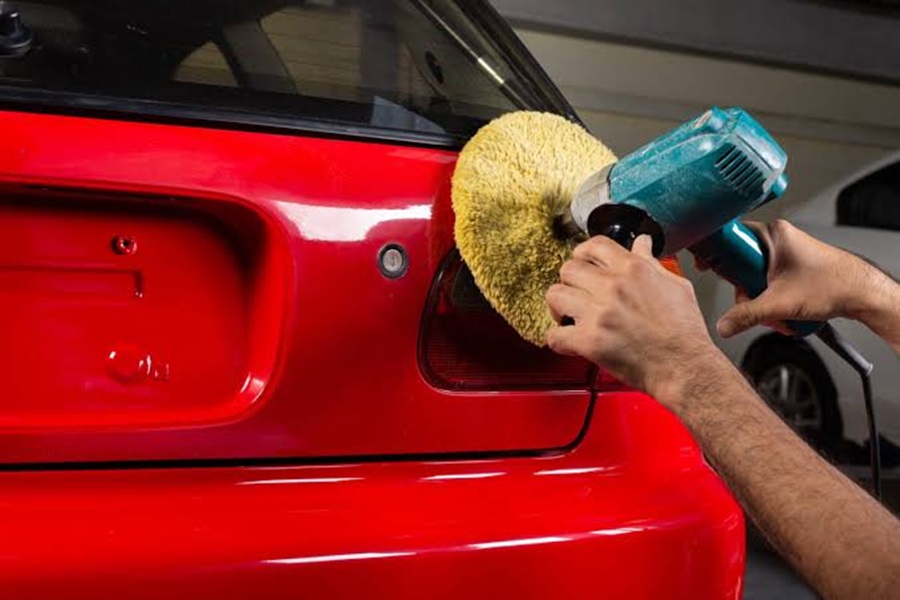
- Application: Typically applied by hand or with an applicator pad, followed by buffing to create a glossy finish.
- Durability: Protection lasts 1–3 months, depending on type and environmental exposure.
- Cost: Generally affordable and accessible.
What is Ceramic Coating?
Ceramic coating is a more recent innovation in car care technology. It uses liquid polymer nanotechnology infused with silica (ceramic) to bond chemically with the vehicle’s paint at a molecular level. This bond results in long-lasting protection that won’t rinse off or wear away easily.
Key Features of Ceramic Coating:
- Composition: SiO2-based (silicon dioxide) liquid polymer formulas.
- Application: Professionally applied (or DIY kits available), requiring curing time for proper bonding.
- Durability: Protection can last years—typically 2–5 years under optimal conditions.
- Cost: Higher initial investment compared to waxing.
Comparing Their Primary Functions
Feature | Waxing | Ceramic Coating |
Protection Level | Moderate | Excellent |
Durability | Short-term (weeks/months) | Long-term (years) |
Gloss & Shine | Creates temporary shine | Provides deep, lasting gloss |
Water Repellency | Water beads temporarily | Hydrophobic effect over years |
Maintenance Effort | Requires frequent reapplication | Minimal upkeep needed |
Which One is Right for You?
Ultimately, the choice between waxing and ceramic coating depends on factors such as budget, how often you’re willing to reapply protection, and the level of defense you desire against environmental elements. Waxing may appeal more to traditionalists who enjoy hands-on maintenance with lower upfront costs but shorter-lasting results. Ceramic coating caters to those seeking durability and advanced protection while reducing the frequency of upkeep.
Understanding these basics lays the groundwork for choosing the right option for your vehicle’s needs while maintaining its aesthetic appeal over time.
Benefits of Waxing: The Classic Choice for Car Lovers
Waxing has been a trusted method for preserving a car’s appearance for decades. It remains a popular choice among car enthusiasts due to its affordability, accessibility, and ability to deliver that unmistakable glossy shine. Let’s dive into the key benefits of waxing and why it continues to be a go-to option for many vehicle owners.
1. Enhances Your Car’s Shine
One of the primary reasons car lovers turn to waxing is its ability to provide a deep, reflective shine. A high-quality wax can make your car’s paint look richer and more vibrant while giving it that signature “just polished” look.
- Adds depth and clarity to the paint.
- Creates a smooth, glossy finish.
- Brings out the richness in darker colors such as red, black, and blue.
2. Provides Short-Term Protection
While waxing doesn’t offer the long-lasting durability of ceramic coatings, it still provides solid protection against environmental elements over the short term. This makes it an excellent choice if you’re looking for temporary defense without committing to professional treatments.
- Protects against UV rays that cause fading.
- Shields paint from light contaminants like dust, dirt, or bird droppings.
- Reduces water spots by repelling moisture temporarily.
Keep in mind that this protection typically lasts 6–8 weeks with regular maintenance.
3. Cost-Effective Solution
Compared to ceramic coating, waxing is significantly more affordable upfront. Both DIY waxing kits and professional applications are accessible options that won’t break the bank.
Wax Type | Average Cost (DIY) | Average Cost (Professional) |
Spray Wax | $10–$20 | $25–$50 |
Liquid Wax | $15–$30 | $50–$70 |
Synthetic/Carnauba Blend | $20–$40 | $70–$150 |
For those on a budget or looking for flexibility in their car care routine, waxing is an economical way to maintain their vehicle’s appearance without committing too much time or money.
4. Easy Application Process
Another major draw of waxing is how user-friendly it can be. Whether you choose paste wax or liquid wax products, most options are designed with simplicity in mind—perfect even for beginners.
Steps for DIY Wax Application: 1. Start with a clean surface: Wash and dry your vehicle thoroughly. 2. Apply in small sections: Use an applicator pad or microfiber cloth to apply wax evenly. 3. Buff out residue: Once the wax hazes over (after about 5–10 minutes), buff it off with a clean cloth in circular motions until shiny.
This relatively simple process allows anyone to achieve professional-looking results at home without specialized tools or training.
5. Versatility Across Paint Types
- Carnauba Wax: Offers unmatched shine but requires frequent reapplication.
- Synthetic Wax: Delivers longer-lasting protection compared to natural waxes.
- Spray-On Waxes: Great for quick touch-ups between washes.
Limitations of Waxing
- Requires frequent reapplication (every few months).
- Less resistant than modern alternatives like ceramic coatings.
- Minimal scratch resistance compared to advanced technologies.
That said, these drawbacks are often outweighed by its affordability and ease of use when maintaining your car’s exterior beauty—a reason why so many still swear by this tried-and-tested method today.
Benefits of Ceramic Coating: The Modern Upgrade for Long-Term Protection
Ceramic coating has gained significant attention in recent years as a revolutionary way to protect your car’s exterior. Unlike traditional waxing, which provides a temporary layer of protection, ceramic coating offers durability and advanced benefits that cater to modern car care needs. Here is a detailed breakdown of the advantages of ceramic coating and why it may be worth considering for your vehicle.
Superior Longevity
One of the standout features of ceramic coating is its longevity. While wax typically lasts a few weeks to a couple of months at most, a high-quality ceramic coating can last several years with proper maintenance. The durability ensures that your car remains protected from environmental aggressors without the need for frequent reapplication.
- Wax lifespan: 1-2 months (depending on conditions)
- Ceramic coating lifespan: 2-5 years or more
For individuals who prefer long-term solutions and reduced maintenance, ceramic coatings provide unmatched value.
Advanced Protection Against Environmental Damage
- UV Rays: Prolonged exposure to sunlight can fade your car’s paint over time. Ceramic coatings provide UV resistance, helping maintain the vibrancy of the color.
- Chemical Resistance: Acid rain, bird droppings, tree sap, and road salt can cause serious damage to unprotected paint jobs. Ceramic coatings act as a shield against these harmful substances by preventing them from seeping into the surface layers.
- Oxidation Prevention: Exposure to oxygen can cause rust or oxidation over time. Ceramic coatings minimize this risk by sealing off vulnerable areas.
Hydrophobic Properties for Easy Cleaning
A key benefit of ceramic coating is its hydrophobic nature, which repels water and prevents dirt or grime from adhering to your car’s surface. This not only keeps your vehicle cleaner but also makes routine washing much easier — water will simply bead off instead of pooling and leaving streaks behind.
Key advantages include: – Reduced water spots – Minimal grime buildup – Easier removal of contaminants during washes
Enhanced Gloss and Appearance
Ceramic coatings enhance the visual appeal of cars by providing an ultra-smooth finish that amplifies shine and color depth. The reflective quality offers a showroom-like appearance even after prolonged use when maintained correctly.
Feature | Waxing | Ceramic Coating |
Shine | Moderate | High |
Durability | Short-term | Long-term |
Color Depth | Standard | Enhanced |
For luxury vehicles or enthusiasts who prioritize aesthetics, this improvement in gloss is often one of the most compelling reasons to invest in ceramic coatings.
Cost vs Value Analysis
- Fewer reapplications mean fewer expenses over time.
- Reduced damage minimizes costly repairs (e.g., repainting).
- Time saved on cleaning translates into convenience.
While waxing may seem more budget-friendly initially, frequent applications add up over time both in money spent and effort required.
Is Ceramic Coating Right for You?
Consider opting for ceramic coating if you’re looking for:
1. A low-maintenance solution that ensures long-term protection. 2. Superior resistance against environmental damage like UV rays and oxidation. 3. An upgraded aesthetic appeal with deep color enhancement and lasting gloss.
Though it might not suit every budget or purpose (e.g., seasonal protection), it offers significant advantages for those aiming to preserve their vehicle’s condition with minimal intervention over several years.
The Key Differences Between Ceramic Coating and Waxing
When deciding between ceramic coating and waxing for your car, understanding the key differences is essential. Both options serve to protect your vehicle and enhance its appearance, but they have distinct characteristics that cater to different needs. Below is a breakdown of the primary differences in terms of durability, protection, cost, maintenance, and application.
1. Durability
- Ceramic Coating:
Ceramic coatings are known for their long-lasting properties, often providing protection for several years when applied properly. On average, professional-grade ceramic coatings can last anywhere from 2 to 5 years or more with proper care. This durability is due to the strong chemical bond formed between the coating and the car’s paint surface. - Waxing:
Car wax offers short-term protection in comparison. Most traditional wax products last anywhere from a few weeks to about three months before requiring reapplication. While premium waxes may extend this duration slightly, they generally cannot match the longevity of ceramic coatings.
2. Protection
- Ceramic Coating:
One of the standout features of ceramic coating is its ability to provide superior protection against environmental contaminants such as UV rays, bird droppings, tree sap, acid rain, and road grime. Its hydrophobic (water-repelling) nature also helps prevent water spots from forming on the surface of your car. - Waxing:
Wax primarily serves as a barrier against light contaminants and offers some level of UV protection. However, it does not create as robust a shield as ceramic coatings do. Wax can be easily degraded by harsh weather conditions or repeated exposure to car washing products.
3. Cost
Aspect | Ceramic Coating | Waxing |
Initial Investment | High (can range from $500-$2000+) | Low (ranges from $20-$100) |
Long-Term Expense | Low (due to infrequent reapplication) | Medium (requires frequent reapplication) |
While ceramic coating requires a significant upfront investment due to its advanced formula and application process—often done by professionals—it might save money over time because it doesn’t need frequent reapplication like wax does.
4. Maintenance
- Ceramic Coating:
Cars with ceramic coating require less frequent washing because dirt doesn’t stick easily to their surfaces. That said, it’s important to avoid abrasive cleaning methods or harsh chemicals that could degrade the coating over time. - Waxing:
Maintaining a waxed car involves regular reapplications since wax wears off relatively quickly due to washing or exposure to weather elements like rain or heat.
5. Application Process
- Ceramic Coating:
Applying ceramic coating can be time-intensive and intricate; it often requires professional expertise for proper results because improper application could lead to streaks or uneven coverage. - Waxing:
Wax is much easier for most car owners to apply themselves at home using common tools like applicator pads or microfiber towels.
In summary, choosing between ceramic coating and waxing depends on your priorities—whether you value long-term resilience and advanced protection (ceramic coating) or prefer an affordable yet temporary solution that’s easy for DIY applications (wax). Understanding these differences will help you select what’s best suited for your vehicle care needs while keeping both your budget and maintenance preferences in mind.
How to Maintain Your Car After Ceramic Coating or Waxing
Proper maintenance is essential to preserve the finish, shine, and protective qualities of your car, whether you’ve opted for ceramic coating or waxing. Both treatments require attention to ensure longevity and effectiveness. Below are tailored tips on how to care for your car after applying either ceramic coating or wax.
General Maintenance Practices for Both Ceramic Coating and Waxing
- Regular Washing:
Wash your car at least once every two weeks using a pH-neutral car shampoo. Avoid dish soap or harsh detergents that can degrade protective layers. - Two-Bucket Method:
Use one bucket for soapy water and another with clean water to rinse your mitt. This prevents dirt from being reintroduced and minimizes scratches. - Microfiber Towels:
Use soft microfiber towels for drying instead of abrasive cloths that might damage the surface layer. Pat dry rather than dragging the towel across the paint. - Avoid Automated Car Washes:
Automated brushes can scratch waxed surfaces and chip at ceramic coatings over time, especially if they’re abrasive or poorly maintained.
Specific Maintenance Tips for Ceramic Coatings
- Use Ceramic-Safe Soaps:
Choose shampoos specifically designed for ceramic-coated cars as they reinforce the hydrophobic properties without stripping away the coating. - Hydrophobic Boosters:
Every few months, consider applying a ceramic spray detailer or booster product that rejuvenates water beading and enhances gloss. - Decontamination Washes:
Over time, contaminants like tar, iron particles, or road grime may adhere to the surface despite the coating’s protection. Perform a decontamination wash every six months using clay bars or iron removers as needed. - Avoid Direct Sunlight During Washing:
Wash in shaded areas to prevent water spots from forming on the hydrophobic surface.
Specific Maintenance Tips for Waxing
- Frequent Reapplication:
Reapply wax every two to three months (or sooner if you notice diminished gloss). Consider layering it by adding multiple thin coats during application sessions for increased durability. - Spot Treatments Between Applications:
If certain areas lose their shine more quickly (e.g., hood or bumper), perform spot touch-ups with liquid wax products rather than waxing the entire vehicle unnecessarily. - Limit Exposure to Harsh Conditions: Direct sun exposure and extreme weather accelerate wax breakdown. Whenever possible, park in covered areas like garages or use a car cover when outdoors for extended periods.
Comparative Table on Maintenance Needs
Aspect | Ceramic Coating | Waxing |
Longevity | Lasts up to several years | Requires reapplication every few months |
Washing Frequency | Every two weeks | Every two weeks |
Specialized Products | Ceramic-safe shampoos & boosters needed | Standard car shampoos suffice |
Protection Against Grime | Strong barrier | Moderate barrier |
Upkeep Effort | Low-to-moderate | Moderate-to-high |
Maintaining your car’s finish doesn’t have to be complicated when you follow these clear guidelines tailored specifically based on your choice of protection method. With regular care and attention, both options can offer significant value in keeping your vehicle looking its absolute best over time.
How to Maintain Your Car After Ceramic Coating or Waxing
Proper maintenance is crucial to ensure your car continues to look its best, whether you’ve opted for ceramic coating or traditional waxing. While both methods provide protection and enhance the vehicle’s appearance, they require different levels of upkeep. This section outlines essential tips and practices to maintain your car effectively based on the protection method you’ve chosen.
General Maintenance Practices for Both Methods
- Wash Regularly: Dirt, debris, and pollutants accumulate over time. Washing every 1-2 weeks prevents contaminants from embedding into the surface.
- Use pH-Neutral Car Shampoo: Avoid harsh detergents or household soaps as they can strip away the protective layer (wax) or degrade the hydrophobic properties of ceramic coatings.
- Avoid Automatic Car Washes: These can cause micro-scratches due to abrasive brushes and may reduce the effectiveness of both wax and coatings. Opt for hand washing with soft microfiber towels instead.
- Dry Thoroughly: Use a clean microfiber towel or air dryer to prevent water spots, which can impact the overall finish.
Specific Maintenance Tips for Ceramic Coating
- Decontaminating Washes: Over time, even with ceramic coating’s hydrophobic properties, contaminants like bird droppings, tree sap, and hard water spots may stick to the surface. Perform a decontamination wash using iron remover sprays or clay bars every 4–6 months.
- Maintain Hydrophobic Properties: Use a silica-based spray sealant every few months to “boost” the hydrophobic effect and maintain that glossy appearance.
- Avoid Harsh Chemicals: While ceramic coatings are durable against chemical etching, prolonged exposure to strong acids or alkaline cleaners can reduce their lifespan.
Frequency | Task |
Weekly | Hand wash with pH-neutral shampoo |
Every 4–6 Months | Decontaminating wash |
Annually | Professional inspection/re-coating |
Specific Maintenance Tips for Waxing
- Reapply Wax Regularly: Depending on environmental conditions and wax type (carnauba vs synthetic), reapply wax every 6–8 weeks for optimal protection.
- Avoid High Temperatures During Application: Waxing under direct sunlight or on hot surfaces makes the wax cure unevenly and reduces its longevity.
- Spot Cleaning Between Applications: For small blemishes like bird droppings or sap stains between wax applications, gently clean those areas with quick detailer spray.
Frequency | Task |
Weekly | Hand wash with pH-neutral shampoo |
Bi-Monthly | Reapply wax |
Final Thoughts on Maintenance
Choosing between waxing and ceramic coating often comes down to balancing budget, effort, and desired results. Maintenance routines are essential in ensuring either method delivers maximum performance over time. While ceramic coatings offer lower-maintenance solutions in the long run thanks to their durability and advanced technology, waxing enthusiasts enjoy being hands-on with their vehicle’s care through frequent touch-ups and refinishing.
By following tailored maintenance strategies based on your chosen method of protection—alongside general cleaning habits—you’ll ensure your car remains protected and visually appealing well into its lifetime while extending the benefits these protective layers provide.
How to Maintain Your Car After Ceramic Coating or Waxing
Proper maintenance of your car is crucial to ensure that the protective benefits of ceramic coating or waxing last as long as possible. While both methods provide a layer of defense for your vehicle, their upkeep differs slightly due to the distinct nature of each treatment. Below, we’ll explore practical tips and best practices to keep your car looking pristine after applying either ceramic coating or wax.
General Maintenance Tips for Both Ceramic Coating and Waxing
- Regular Washing: Wash your car at least once every two weeks to prevent dirt, grime, and contaminants from accumulating on the surface.
- Use pH-Neutral Car Shampoo: Avoid harsh chemicals that can strip away wax or degrade the properties of a ceramic coating. A neutral pH shampoo is gentle yet effective.
- Avoid Automated Car Washes: The abrasive brushes in automated car washes can damage both wax and ceramic coatings. Opt for touchless systems or hand washing instead.
- Dry Thoroughly: Always dry your car using a microfiber towel after washing to prevent water spots from forming on the surface.
Maintaining a Ceramic-Coated Vehicle
- Decontamination Washes: Over time, contaminants like tree sap, bird droppings, and brake dust may bond with the coating’s surface. Perform decontamination washes using an iron remover or clay bar every 3–6 months for added clarity and shine.
- Silica Spray Sealants: Boost the hydrophobic properties of your ceramic coating with periodic applications of silica-based spray sealants. These sprays enhance gloss while reinforcing protection.
- Avoid Harsh Chemicals: Do not use abrasive cleaners or acidic products as they can compromise the integrity of the ceramic layer.
- Monitor Water Behavior: A key indication that your ceramic coating needs maintenance is reduced hydrophobicity (e.g., water no longer beads off effectively). If this happens, consider reapplying a sealant.
Maintenance Task | Frequency |
Regular Washing | Every 2 weeks |
Decontamination Wash | Every 3–6 months |
Silica Spray Sealant | Every 1–2 months (optional) |
Maintaining a Waxed Vehicle
- Frequent Reapplication: Depending on weather conditions and driving habits, wax generally lasts between 4–8 weeks before it wears off completely.
- Gentle Hand Washing Only: To avoid removing wax prematurely, always wash your car by hand using a soft sponge or microfiber mitt.
- Quick Detail Sprays: Keep quick detailer sprays handy for small touch-ups between waxing sessions.
- Spot Repairs for Heavy Contaminants: If bug splatter or bird droppings settle on the paintwork, remove them immediately with detailing spray to preserve the wax layer underneath.
Maintenance Task | Frequency |
Regular Washing | Every 1–2 weeks |
Wax Reapplication | Every 4–8 weeks |
Quick Detail Touch-Ups | As needed |
Tips for Long-Term Care
- Park in shaded areas whenever possible to minimize UV exposure that can degrade both coatings and wax layers over time.
- Use dedicated cleaning tools (e.g., separate towels for wheels and bodywork) to avoid cross-contamination.
- Invest in proper storage solutions like breathable car covers if parking outdoors.
By following these tailored approaches based on whether you’ve opted for waxing or ceramic coating, you can extend the lifespan of your car’s protective layer while preserving its showroom-quality finish over time without unnecessary effort or expense.