What Is Typically Included in Auto Body Repair
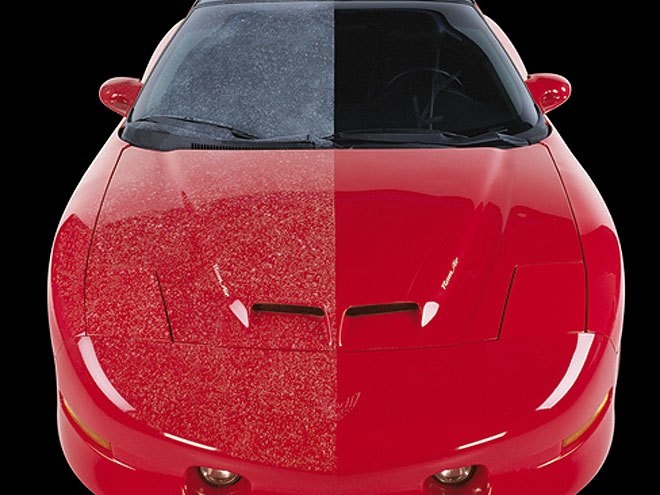
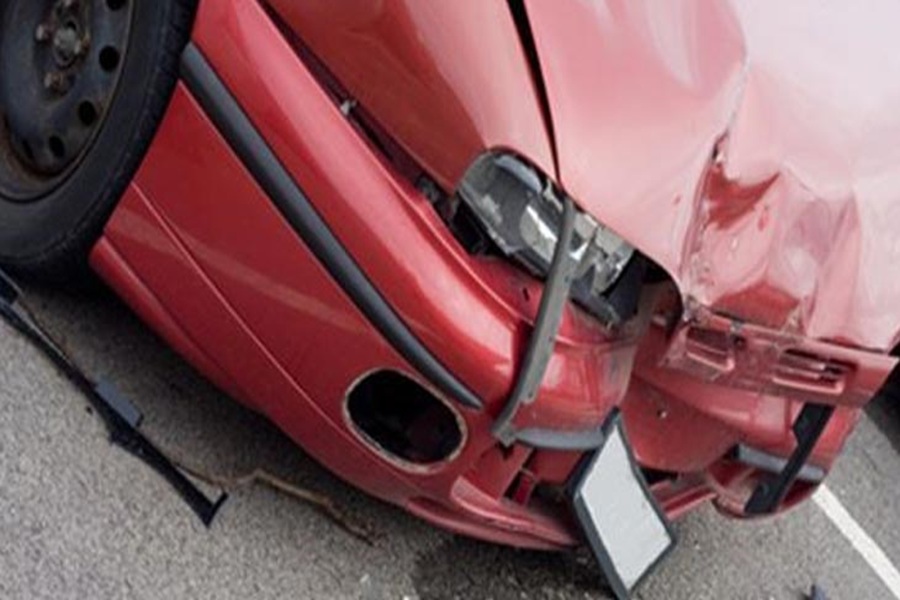
Auto body repair is a broad term that encompasses a range of services aimed at restoring the structural integrity and appearance of a vehicle after damage. Whether damage occurs due to a collision, weather event, or general wear over time, auto body repair shops typically offer several standard services. Understanding what’s included can help you better assess your car’s needs and communicate with professionals effectively.
Common Services Offered in Auto Body Repair
- Technicians repair dents caused by minor accidents, hailstorms, or falling objects.
- Surface scratches are buffed out or repainted to match the vehicle’s original finish.
- Damaged paintwork is restored using advanced color-matching technology.
- Entire panels may be repainted to ensure seamless results.
- After major collisions, the vehicle’s frame may become misaligned.
- Frame straightening uses specialized equipment to restore the factory alignment for safety and drivability.
- Severely damaged doors, bumpers, hoods, or trunk lids are often replaced entirely when repairs are no longer feasible.
- Rusted areas are repaired through sanding, priming, and repainting.
- Preventative treatments may be applied to inhibit future rust growth.
- In cases of minor glass damage like small chips or cracks on windows (not limited to windshields), some auto body shops provide related repair services.
- Broken headlights or tail lights are either fixed or replaced with new units that meet regulatory standards.
What Typically Isn’t Included
- Major mechanical repairs (e.g., engine replacement) are usually handled by mechanics rather than body technicians.
- Windshield replacement isn’t always included in every auto body shop’s services unless the shop specializes in both collision repair and glass work—this varies by provider.
Importance of Communication
- Does the shop handle both cosmetic repairs and windshield issues?
- Are they able to source Original Equipment Manufacturer (OEM) parts for replacements if necessary?
By clarifying these points early on with your chosen service provider, you can avoid surprises during the process. Always request a detailed estimate before authorizing work so you have full transparency about costs tied specifically to different types of repairs needed after an incident.
When Does Collision Damage Require Windshield Replacement
Collision damage can have varying impacts on a vehicle, and understanding when windshield replacement is necessary is crucial for maintaining safety and functionality. While some types of damage may only require repairs, other situations call for a complete replacement. Below are key factors to determine when a damaged windshield needs to be replaced.
Identifying the Severity of Damage
- If the crack or chip is smaller than the size of a quarter and not in the driver’s line of sight, repair may be sufficient.
- Surface-level chips that haven’t penetrated deep into the glass are often repairable with specialized resin.
- Cracks extending longer than three inches usually require replacement because they compromise structural integrity.
- Spidering (crack patterns that spread out) weakens the entire windshield, leaving it vulnerable to further damage even after repair attempts.
- Any cracks originating at or near the edge of the windshield demand immediate attention because they can quickly spread across the glass. Replacement is typically recommended in these cases.
Situations Requiring Immediate Replacement
- Damage in Critical Viewing Areas: Any crack, no matter how small, located directly in front of where the driver views the road cannot always be repaired effectively without distorting visibility. For safety reasons, replacing such windshields is preferred.
- Compromised Laminate Layers: Modern windshields consist of laminated glass with an inner layer that holds broken fragments together during impact. If both layers are damaged, repairs won’t restore full strength or clarity.
- Heavy collisions often result in hairline fractures around areas where body panels meet glass.
- Even if these fractures appear minor, they could lead to potential leaks or weakened support for airbags during deployment.
Insurance Guidelines for Windshield Replacement
- The extent/type of damage (e.g., whether it impairs driving safety).
- State laws regarding visibility standards for vehicles on public roads.
- Coverage details under comprehensive insurance policies—some states even cover full replacement costs without requiring deductibles.
Comparing Repair Costs vs. Replacement Costs
Type | Average Cost Range | Additional Notes |
Repair | $50–$150 | Lower cost but limited durability; effective only for minor chips/cracks |
Full Replacement | $200–$1,000+ | Higher cost incorporates material type (OEM/aftermarket) and ADAS calibration needs |
Drivers should weigh these costs against long-term benefits like durability and safety improvements from replacement over repeated repairs.
By carefully assessing collision-related damages based on their severity and location—and considering factors such as insurance policy coverage—it becomes clear when replacing a windshield is not just advisable but essential for safe driving conditions moving forward.
Repairing a Windshield vs. Replacing It
When a windshield sustains damage, one of the primary questions is whether it can be repaired or if it must be replaced entirely. This decision largely depends on factors such as the size, location, and severity of the damage. Understanding these differences can help vehicle owners make informed decisions when seeking auto body repair services.
Factors That Determine Repair vs. Replacement
- Size of the Damage:
Small chips or cracks less than 3 inches in length are typically repairable using specialized resin-based solutions. If the crack exceeds this size or spans across multiple areas, replacement is usually recommended. - Location of the Crack:
Damage located directly within the driver’s line of sight often requires replacement because repairs could leave subtle distortions that hinder visibility. Similarly, cracks along the edges of the windshield tend to compromise structural integrity and often necessitate replacement. - Depth of Impact:
Windshields consist of three layers—two glass layers surrounding an inner layer of polyvinyl butyral (PVB). Damage penetrating beyond just the outer layer may require full replacement rather than a surface-level repair.
Comparing Repair and Replacement Processes
Aspect | Windshield Repair | Windshield Replacement |
Time Required | 30 minutes to 1 hour | 2 to 3 hours |
Cost Efficiency | Low cost (typically $50-$150) | Higher cost ($200-$500 or more) |
Environmental Impact | Less waste generated | Disposal required for old glass |
Insurance Coverage | Often fully covered by insurance | May involve deductibles |
When Should You Opt for Repairs?
Repair is generally preferred when:
– The crack or chip is small and not expanding rapidly.
– The damage is superficial and does not impact safety features like ADAS (Advanced Driver Assistance Systems).
– The structural stability of the windshield remains uncompromised.
Situations Requiring Replacement
Replacement becomes necessary when:
– The crack obstructs visibility or impairs safety during driving.
– The glass has suffered significant shattering from a collision.
– Chips or cracks extend into multiple layers, reducing overall durability.
Professional Recommendations
Auto body professionals will evaluate your specific situation to determine whether repair or replacement is appropriate. Additionally, they may verify whether insurance will cover repairs for minor damages without deductibles or out-of-pocket expenses. Always consult with certified technicians for reliable advice tailored to your vehicle’s unique needs.
By understanding these distinctions, you’ll be better prepared to address windshield issues effectively while preserving both safety and cost-efficiency in your auto body repairs.
How Windshield Damage Can Affect Vehicle Safety
Windshield damage is more than just an aesthetic issue—it can have a significant impact on vehicle safety. Understanding these implications is essential to maintaining proper functionality and protecting passengers. Below, we’ll explore how various forms of windshield damage can compromise your vehicle’s performance and safety features.
Structural Integrity of the Vehicle
The windshield plays a crucial role in the structural integrity of modern vehicles. It provides support for the car’s roof and helps prevent it from collapsing in the event of a rollover accident. Any cracks, chips, or other forms of damage can weaken the windshield’s strength, making it less effective during collisions or rollovers.
- A cracked windshield may reduce its ability to handle impact forces.
- Damage near the edges compromises attachment to the frame, increasing vulnerability during accidents.
Driver Visibility
- Glare from sunlight or headlights: Cracks can refract light unpredictably, creating blinding glares for drivers.
- Rain or snow: Damaged windshields might not interact effectively with wiper blades, leaving streaks that hinder visibility further.
- Night driving: Chips and cracks often amplify headlight scattering at night.
Reduced visibility not only increases driver stress but also raises the likelihood of accidents.
Airbag Deployment Issues
- The airbag may fail to deploy correctly.
- A compromised windshield might dislodge upon impact, reducing its ability to anchor airbag deployment effectively.
This combination could significantly alter how passengers are protected during emergencies.
Advanced Driver Assistance Systems (ADAS) Malfunction
- Misaligned sensors resulting in incorrect readings.
- Complete failure of systems designed to prevent accidents.
For example, a miscalibrated forward-facing camera could mean that adaptive cruise control doesn’t function properly or lane recognition becomes unreliable.
Legal and Insurance Implications
- Insurance companies may require prompt repairs for chips or cracks; otherwise, full replacement costs may not be covered under policies.
- Neglecting repairs could void certain warranties linked to ADAS calibration after previous replacements.
Type of Damage | Potential Risk | Recommended Action |
Small chip | Glare/refraction issues | Immediate repair |
Long crack | Structural weakening | Consider full replacement |
Crack near edge/frame | Higher chance of detachment | Full replacement required |
Key Takeaways
Windshield damage should never be ignored due to its direct impact on safety features like structural stability, airbag deployment reliability, driver visibility, and ADAS performance. Addressing issues promptly—whether through repair or replacement—can help ensure both your safety and legal compliance while keeping your insurance coverage intact. Always consult certified professionals who understand how each type of damage affects overall vehicle functionality before deciding on next steps.
How Windshield Damage Can Affect Vehicle Safety
Your vehicle’s windshield serves as far more than just a window to the road ahead—it is an integral component of your car’s structural integrity and overall safety. Damage to the windshield, whether minor or severe, can compromise these essential functions, creating potential risks for drivers and passengers alike. Understanding how windshield damage impacts vehicle safety can help you make timely decisions about repair or replacement.
1. Structural Support in Collisions
A properly intact windshield contributes to the structural strength of your vehicle, particularly in accidents such as rollovers. In many modern cars, the windshield accounts for up to 45% of cabin support during a front-end collision and up to 60% in a rollover accident. If the glass is cracked or weakened, it may be unable to bear this load effectively, increasing the risk of roof collapse or passenger ejection.
- Compromised Cracks: Even small cracks can expand under stress from temperature changes, vibrations, or additional impact.
- Safety Risks: Weakened glass increases the chance of shattering upon minor contact.
2. Airbag Deployment Efficiency
Windshields are designed to act as a backstop for passenger-side airbag deployment. When an airbag inflates during an accident, it relies on the strength of an unbroken windshield to deploy properly and protect passengers. A damaged or loose windshield could fail under this pressure, reducing the airbag’s effectiveness and potentially causing additional injuries.
Scenario | Potential Issue |
Intact Windshield During Deployment | Absorbs pressure effectively |
Cracked Windshield | May shatter under airbag force |
3. Visibility Hazards for Drivers
A clear and unobstructed view is essential for safe driving. Chips or cracks in your windshield can distort visibility by refracting light unevenly or creating blind spots within your field of vision.
- Glare Issues: Cracks can scatter sunlight or oncoming headlights into distracting glares.
- Rainwater Traps: Chips may collect water during rainstorms, further reducing visibility.
- Wiper Inefficiency: Damaged areas can disrupt wiper blade function by preventing smooth contact with the glass surface.
4. Increased Risk During Sudden Impact
- There’s a risk that it won’t withstand even small impacts during collisions.
- Secondary breakage could send fragments into the cabin area despite lamination technology.
Practical Steps for Addressing Safety Concerns
- Get chips filled quickly by professionals before they spread into larger cracks.
- Assess damage severity—if cracks obstruct your line of sight or edge toward critical areas like corners where stress is highest, consider replacement immediately.
- Avoid DIY fixes using temporary patches; they do not adequately restore structural integrity.
- Consult technicians who specialize in recalibrating advanced driver-assistance systems (ADAS) if sensors are embedded in your glass (e.g., lane departure warnings).
By addressing even minor chips promptly and consulting experienced auto body repair specialists when major issues arise, you can significantly reduce risks associated with compromised windshields while maintaining maximum safety for all occupants on the road ahead.
How to Coordinate Windshield and Body Repairs
Assess the Damage Holistically
Before starting any repair work, take time to assess all areas of damage. This step helps determine whether the windshield replacement should happen before, during, or after bodywork.
- Inspect Both Areas: Look for cracks or chips in the windshield and structural issues like dents or misalignments in the vehicle’s frame.
- Consult a Professional: A qualified technician can help identify whether damage to the windshield is purely cosmetic or if it has compromised your vehicle’s safety systems.
Prioritize Safety Features
The modern safety systems in vehicles often rely on windshields and Advanced Driver Assistance Systems (ADAS), which include features like lane departure warnings or automatic emergency braking. Proper coordination ensures these systems function as intended post-repair.
- Ensure that ADAS calibration is scheduled immediately after windshield replacement.
- Verify that any sensors affected by collision damage are inspected during auto body repair procedures.
Communicate with Repair Specialists
Many repair facilities specialize in either auto body work or glass replacement, so clear communication between service providers is key.
- Choose an Integrated Repair Shop: Some facilities offer both services under one roof for seamless coordination.
- Share Documentation: Provide all relevant insurance information and repair estimates upfront so technicians can align their schedules effectively.
Service Type | Responsible Specialist | Key Considerations |
Windshield Replacement | Glass Technician | Focus on installing OEM-quality glass; ensure ADAS readiness |
Body Repair | Auto Body Specialist | Address dents, repainting, frame alignment |
Plan Repairs Strategically
- Replace Windshield First: If structural integrity of the car depends on a functioning windshield (e.g., severe cracks).
- Perform Body Repairs First: If surrounding areas like the roofline need adjustment before fitting a new windshield properly.
Insurance Considerations
- Ask if your policy includes full glass coverage.
- Check if you’re required to use specific repair shops within their network.
Coordinating windshield replacements alongside auto body repairs doesn’t have to be complicated when approached methodically. By assessing damages holistically, prioritizing safety features like ADAS calibration, maintaining open communication with specialists, and strategically planning repairs based on insurance guidance, you can restore your vehicle efficiently without compromising quality or safety standards.
How to Coordinate Windshield and Body Repairs
Coordinating windshield replacement and auto body repairs can feel like a complex process, especially when both services are needed after an accident or damage. However, by taking a methodical approach, you can streamline the process and ensure your vehicle is restored efficiently and safely.
Understand the Scope of Repairs
- Structural damage (e.g., dents, scratches, or frame issues).
- Glass-related damage (e.g., chipped or shattered windshields).
- Related systems impacted (e.g., Advanced Driver-Assistance Systems – ADAS).
If both windshield replacement and bodywork are necessary, knowing what’s involved helps in scheduling services effectively.
Choose a Shop That Offers Both Services
- Streamlined Scheduling: You won’t need to coordinate between separate businesses.
- Consistent Quality: The same team ensures uniform standards for all repairs.
- Reduced Downtime: Combining these services may result in quicker turnaround for your vehicle.
Alternatively, if you prefer to use separate specialists for windshield and bodywork repairs, ensure they communicate effectively to avoid delays.
Address Windshield Issues First When Necessary
- Prioritize replacing it before performing bodywork if visibility or safety is impaired.
- Verify that temporary measures (like tape on cracks) are in place if immediate replacement isn’t possible.
For minor cracks or chips that don’t impede visibility or structural integrity, you may schedule windshield repairs concurrently with other body work.
Communicate About ADAS Calibration Needs
- Verify whether the system will require recalibration after windshield replacement—this is common for vehicles with sensors mounted near the glass.
- Inform your repair shop so they can include this step in their process.
- Confirm with your insurance provider whether calibration costs will be covered under your policy.
Accurate ADAS calibration ensures these systems function as intended post-repair.
Insurance Coordination Tips
Task | Details |
Document Damage | Take photos of both the windshield and overall collision damage before repairs begin. |
Obtain Estimates | Get accurate repair estimates from qualified professionals to submit to your insurer. |
Clarify Coverage | Find out whether glass replacements are covered under comprehensive coverage policies. |
Some auto shops work directly with insurers to simplify claims processing on behalf of customers—a helpful option worth considering.
Scheduling Repairs Strategically
For minimal disruption to daily life:
– Combine appointments whenever possible. – Plan around availability; some parts like OEM windshields may take time for procurement. – Request updates from repair technicians regularly so you stay informed about progress.
By carefully coordinating windshield replacements alongside other auto body work and maintaining open communication with all parties involved (repair centers, insurers), you can restore your vehicle efficiently without unnecessary stress.