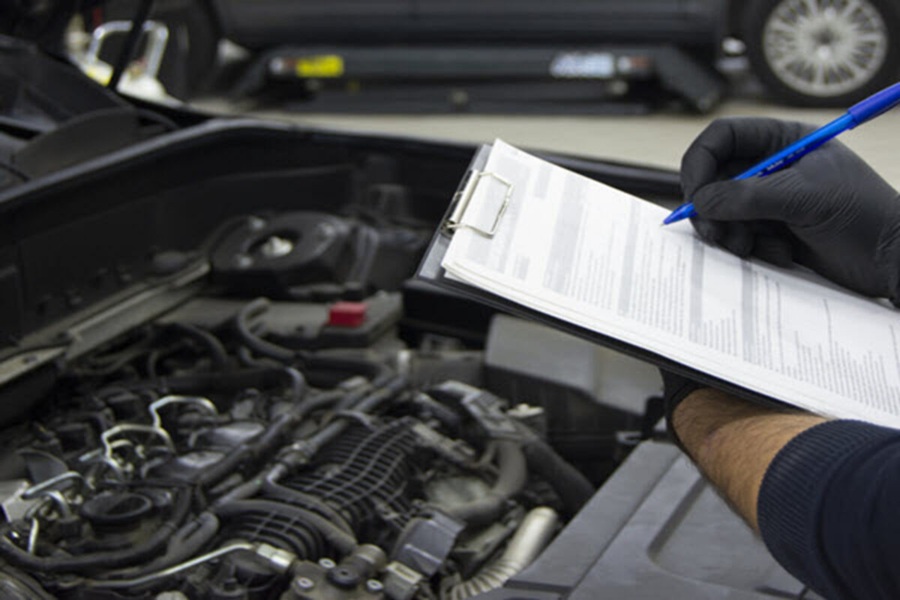
What Does the 30-60-90 Maintenance Schedule Mean?
The 30-60-90 maintenance schedule is a systematic approach to vehicle care, designed to ensure optimal performance, safety, and longevity. This framework divides recommended maintenance tasks into intervals of 30,000, 60,000, and 90,000 miles or days (depending on the manufacturer or specific needs). By following this schedule, car owners can prevent costly repairs while maintaining efficiency and reliability.
Understanding the Structure of the Schedule
- Every 30 Days/Miles: Focuses on routine checks and minor adjustments essential for daily performance and functionality.
- Every 60 Days/Miles: Includes more in-depth inspections and servicing of components that undergo moderate wear over time.
- Every 90 Days/Miles: Encompasses comprehensive maintenance for systems susceptible to long-term wear and tear.
These intervals act as checkpoints for vehicle health. Depending on driving conditions (e.g., frequent stop-and-go traffic or off-road use), adjustments may be necessary to accommodate accelerated wear.
Why It Matters
- Safety: Regular checks ensure that critical systems like brakes and tires are functioning properly.
- Cost Savings: Proactively addressing small issues helps avoid expensive breakdowns down the road.
- Performance Optimization: Regular maintenance keeps fuel efficiency high while ensuring smooth operation.
- Vehicle Longevity: Proper care extends the life of your car by preventing unnecessary strain on key components.
Manufacturer Guidelines
It’s important to note that the exact details for a 30-60-90 maintenance schedule vary depending on your vehicle’s make and model. Always consult your owner’s manual or discuss with a reputable mechanic who has experience working with your specific type of vehicle.
| Maintenance Interval | Focus Areas | Example Tasks |
| Every 30 days/miles | Quick assessments & basic upkeep | Oil changes, tire pressure checks |
| Every 60 days/miles | Deeper inspection of moderately stressed components | Brake pad replacement, battery testing |
| Every 90 days/miles | Comprehensive service for long-term durability | Transmission flushes, suspension repairs |
By understanding what the schedule entails and its purpose, drivers can feel confident in their ability to maintain their vehicles effectively over time. This proactive mindset ensures both short-term reliability and long-term savings through proper care practices.
What Should Be Checked During a 60-Day Maintenance Service?
The 60-day maintenance service plays a critical role in keeping systems, equipment, or vehicles functioning efficiently. This stage of the 30-60-90 maintenance schedule allows for more in-depth checks compared to the 30-day interval. At this point, you move beyond routine inspections and begin addressing components that may show early signs of wear or require minor adjustments to avoid long-term issues.
Key Areas to Focus on During a 60-Day Maintenance Service
- Fluids Check and Replacement
Fluids are essential for proper functioning, especially in mechanical systems or vehicles. At the 60-day mark, it’s important to: - Top off engine oil, brake fluid, and power steering fluid if needed.
- Inspect coolant levels and ensure it’s still effective in regulating temperature.
- Check for any fluid leaks that may indicate underlying issues.
- Filters Inspection
Filters play a crucial role in maintaining air quality and system efficiency. During this service: - Inspect air filters for dirt buildup that may restrict airflow. Replace if necessary.
- Check cabin air filters (for vehicles) to ensure passengers breathe clean air.
- Review fuel filters for clogs or contamination.
- Tires or System Components
If working with a vehicle, tires are critical to safety and performance: - Measure tread depth and ensure it meets safety standards.
- Inflate tires to manufacturer-recommended pressure levels for optimal performance.
For non-automotive systems: – Examine moving parts like belts or pulleys that could loosen over time.
- Battery Health
Electrical health is another focus area at the 60-day mark: - Test battery voltage levels to confirm sufficient charge capacity.
- Clean any corrosion from terminals using an appropriate cleaning solution.
- Braking System Evaluation (For Vehicles)
Safety systems like braking require periodic attention: - Inspect brake pads for wear and replace if they have reached their limit.
- Check brake rotors for warping or uneven wear patterns.
Additional Tasks Specific to Systems
Depending on the type of equipment being maintained whether a vehicle, HVAC unit, or another system there may be specialized tasks required at the 60-day interval: – HVAC Systems: Clean evaporator coils and inspect ductwork for leaks. – Industrial Equipment: Lubricate moving components such as bearings or gears.
| Task | Frequency | Additional Notes |
| Fluid Inspection | Every 60 days | Include coolant & engine oil |
| Filter Replacement | Every 60 days | Depends on usage & conditions |
| Tire/Component Check | Every 60 days | Ensure no visible damage |
| Battery Testing | Every 2 months | Test with multimeter |
| Braking System Review* | Every 2 months | Focus on pads & rotors |
*Specific to vehicles only
Benefits of Performing These Checks
Adhering strictly to the maintenance tasks outlined above delivers several benefits:
- Prolongs the life span of key components by addressing wear early.
- Prevents costly repairs by identifying small issues before they escalate.
- Ensures safety when operating equipment like vehicles, reducing risks associated with failures.
By committing time every two months to these detailed inspections and adjustments, you can avoid complicated repairs down the line while maximizing efficiency across all systems.
What Should Be Checked During a 60-Day Maintenance Service?
Key Components to Inspect
- Engine Oil: Ensure it’s at the correct level and hasn’t degraded. If signs of contamination are present, consider an early oil change.
- Coolant Levels: Verify that coolant levels are adequate and inspect for leaks or residue around hoses and the radiator.
- Brake Fluid: Assess both the level and quality of brake fluid.
- Transmission Fluid (if applicable): Monitor levels and condition; some systems may require adjustments.
- Filters Inspection
Filters play an essential role in maintaining vehicle performance by keeping contaminants out. Key filters to check include: - Air Filter: Check for excessive dirt or clogs that could reduce airflow to the engine.
- Cabin Air Filter: Replace this filter if it’s dirty, affecting air quality inside the vehicle.
- Tires Condition Regular tire inspections help improve safety and extend their lifespan:
- Measure tread depth to confirm it meets safety standards.
- Inspect for uneven tread wear, which could indicate alignment or suspension issues.
- Check tire pressure; ensure it’s within manufacturer-recommended specifications.
Systems Inspection
- Braking System Inspect brake pads for worn pads can compromise braking power. Additionally, check rotors, calipers, and brake lines for any visible damage or signs of corrosion.
- Battery Health Ensure battery terminals are clean and free from corrosion. Conduct a volt test to confirm sufficient charge levels.
- Suspension Components At this milestone, inspect struts, shocks, and bushings for leaks or damage. Loose components in this system can lead to poor handling.
Additional Checks
- Examine all belts (e.g., serpentine belt) for cracks or fraying.
- Look over hoses for bulges or leaks caused by age-related deterioration.
- Verify that lights headlights, taillights, turn signals are functional.
| Component | Task | Notes |
| Engine Oil | Check/Add/Replace | Look for contamination |
| Coolant | Top-Up/Inspect Leaks | Essential in all seasons |
| Air/Cabin Filters | Inspect/Replace | Improve airflow & comfort |
| Tires | Rotation/Pressure Check | Ensure even tread wear |
| Brake Pads | Inspect Wear | Replace if below threshold |
Professional Recommendations
During a professional service appointment at the 60-day mark:
- Ask your technician about any small issues noted during inspection at earlier intervals; these could develop into more significant problems later on.
- Keep records of all services performed as part of proper maintenance documentation this can help with diagnostics later if issues arise.
By addressing these tasks proactively every two months or approximately every couple thousand miles you ensure optimal performance while avoiding costly repairs down the road.
Why Is Following a 30-60-90 Maintenance Schedule Important?
Adhering to a 30-60-90 maintenance schedule is critical for ensuring the longevity, performance, and reliability of your vehicle or equipment. This structured approach helps you stay proactive with maintenance, preventing costly repairs and unexpected breakdowns while also improving safety, efficiency, and overall functionality. Let’s explore the key reasons why following this schedule is essential.
Prevents Major Repairs Through Early Detection
- Save money on expensive repairs caused by neglect.
- Extend the life of major components like the engine, transmission, or cooling system.
- Ensure that wear-and-tear items such as belts and filters are functioning properly.
Regular inspections provided under this schedule allow technicians to identify potential concerns early on.
Ensures Optimal Performance and Efficiency
- Improve fuel efficiency.
- Maintain smooth handling and braking performance.
- Reduce strain on mechanical systems.
For example, failing to change engine oil as part of a 30-day service could lead to reduced lubrication and increase engine wear over time.
Enhances Safety Standards
- Tires are properly inflated and have enough tread depth for safe driving conditions.
- Braking systems are responsive and free from defects.
- Lights (headlights/taillights) provide full visibility during night driving or adverse weather.
Safety hazards are minimized when these checks occur regularly as part of the planned intervals.
Helps Retain Resale Value
- A well-documented maintenance history indicates care has been taken with the product.
- Buyers are willing to pay more for vehicles/equipment that show consistent servicing over time.
- Neglecting critical maintenance tasks can result in visible wear-and-tear that lowers resale value significantly.
A consistent 30-60-90 record demonstrates reliability to potential buyers.
Promotes Environmental Responsibility
Regular servicing reduces emissions by ensuring clean filters, efficient combustion processes, and proper exhaust systems. This not only meets regulatory standards but also contributes positively to environmental conservation efforts by reducing your carbon footprint.
| Key Task | Impact on Environment |
| Air filter change | Improves air intake efficiency; reduces emissions |
| Oil replacement | Prevents old oil from releasing harmful pollutants |
| Spark plug check | Ensures cleaner combustion |
Maintaining your vehicle efficiently avoids unnecessary pollution caused by poorly maintained systems.
Saves Money Long-Term
- Engine overheating due to coolant neglect (part of the 90-day checklist).
- Tire blowouts resulting from skipping regular rotations after 60 days.
- Transmission failure caused by ignoring fluid checks every few months.
Investing small amounts consistently prevents larger financial burdens later on.
Simplifies Maintenance Tracking
- Replacing brake pads before they wear out completely.
- Flushing fluids like transmission fluid at recommended intervals.
- Conducting thorough inspections without missing critical areas of concern.
Using reminders or apps designed for tracking scheduled services can make staying organized even easier.
Following a disciplined approach toward vehicle/equipment upkeep through a clearly defined timeline ensures reliable operation while giving you peace of mind that nothing important is being overlooked along the way.
Why Is Following a 30-60-90 Maintenance Schedule Important?
A 30-60-90 maintenance schedule is a proactive approach to keeping your vehicle in optimal condition. Following this structured plan ensures that your car remains reliable and safe while preventing costly repairs down the line. Let’s explore the reasons why adhering to this schedule is so vital.
Extends Vehicle Longevity
Regular maintenance at consistent intervals helps prevent wear and tear from escalating into serious issues. By following the 30-60-90 schedule, you address minor problems early, which can significantly extend the lifespan of your vehicle. Key benefits include:
- Reduced risk of engine or transmission failure.
- Prevention of rust or corrosion through regular checks.
- Proper care for vital components like belts, fluids, and filters.
Maintains Optimal Performance
Vehicles that follow a routine maintenance schedule typically perform better. Regular services ensure that your car runs efficiently and maintains fuel economy. Specific tasks like oil changes, air filter replacements, and tire rotations help:
- Improve fuel efficiency by minimizing engine strain.
- Prevent sluggish acceleration or uneven driving.
- Ensure smooth braking and stable handling.
Enhances Safety
Safety is one of the most critical aspects of adhering to a consistent maintenance routine. Each scheduled service inspects key safety features such as brakes, tires, lights, and steering systems. Addressing potential safety hazards early can prevent accidents caused by mechanical failures.
Saves Money Over Time
While regular maintenance requires upfront costs, it saves money in the long term by preventing costly repairs. For instance:
- Replacing an air filter every 30 days costs far less than repairing damage caused by a clogged intake system.
- Routine inspections can detect failing components before they cause system-wide issues.
By avoiding emergency repairs or breakdowns, you also save on towing fees and unexpected expenses.
Protects Warranty Coverage
Many vehicle warranties require adherence to specific maintenance schedules to remain valid. Skipping recommended service intervals could void your warranty coverage for major repairs or replacements.
To maintain warranty protection:
- Keep records of all services performed at 30-, 60-, and 90-day intervals.
- Follow manufacturer-recommended guidelines outlined in your owner’s manual.
- Use authorized repair shops when necessary.
Promotes Environmental Responsibility
Finally, regular maintenance contributes to reduced emissions and environmental impact. A well-maintained engine burns fuel more efficiently, while clean filters minimize harmful exhaust particles released into the atmosphere.
By addressing small tasks on time like replacing spark plugs or ensuring proper tire inflation you not only improve performance but also support eco-friendly driving habits.
In summary, following a 30-60-90 maintenance schedule ensures reliability, enhances safety, saves money over time, protects warranties, and reduces environmental impact all crucial benefits for responsible car ownership.