How Collision Damage Can Bend a Vehicle Frame
When a collision occurs, even at moderate speeds, the frame can absorb a significant amount of force. This force often results in bending, twisting, or other forms of damage to the frame.
Types of Collisions That Can Damage a Frame
Certain types of accidents are more likely to cause frame damage than others.
- Front-End Collisions: These occur when your vehicle hits another object head-on or from the front.
- Rear-End Collisions: Rear-end impacts often bend or misalign the rear structure and suspension points.
- Side-Impact Collisions (T-Bone): These can damage both side rails and rocker panels, impacting structural integrity significantly.
- Multi-Collision Accidents: If multiple parts of the vehicle’s structure are hit in one incident for instance, in pileups damage can spread to various sections.
- Rollovers: These accidents put immense pressure on the roof pillars and surrounding structural components.
The severity of damage depends on factors such as speed at impact, angle of collision, and whether the vehicle’s crumple zones absorbed most of the force.
How Frame Types Affect Collision Damage
Vehicle frames differ based on design.
| Frame Type | Characteristics | Vulnerability to Damage |
| Unibody Frames | Integrated into the car’s body for rigidity | More susceptible to localized bending but better energy absorption |
| Body-on-Frame Designs | Separate structure supporting body and chassis | Heavier but may suffer deeper bends or twists |
Understanding which type you have helps technicians assess how much force your vehicle could endure during an accident.
Common Areas Where Bending Occurs
- Front Rails:Essential for absorbing impact energy; often crumples in high-speed crashes.
- Strut Towers:Misalignment here affects handling and tire wear.
- Roof Supports (Pillars):Damaged in rollovers or side impacts.
Why Bent Frames Are Serious
- Structural weakness that compromises passenger safety in future accidents.
- Poor alignment leading to uneven tire wear or difficulty steering.
- Decreased resale value due to compromised integrity after repair.
By understanding how collisions affect frames and why these damages are critical a car owner can make informed decisions about inspection and repair after an accident occurs.
Signs Your Vehicle May Have Structural Damage
After a collision or certain driving conditions, the frame may sustain damage that isn’t always immediately visible. Recognizing the signs of structural damage is essential for determining whether repairs are necessary to restore your vehicle’s safety and performance.
Visual Indicators of Frame Damage
Frame issues often manifest through subtle visual cues.
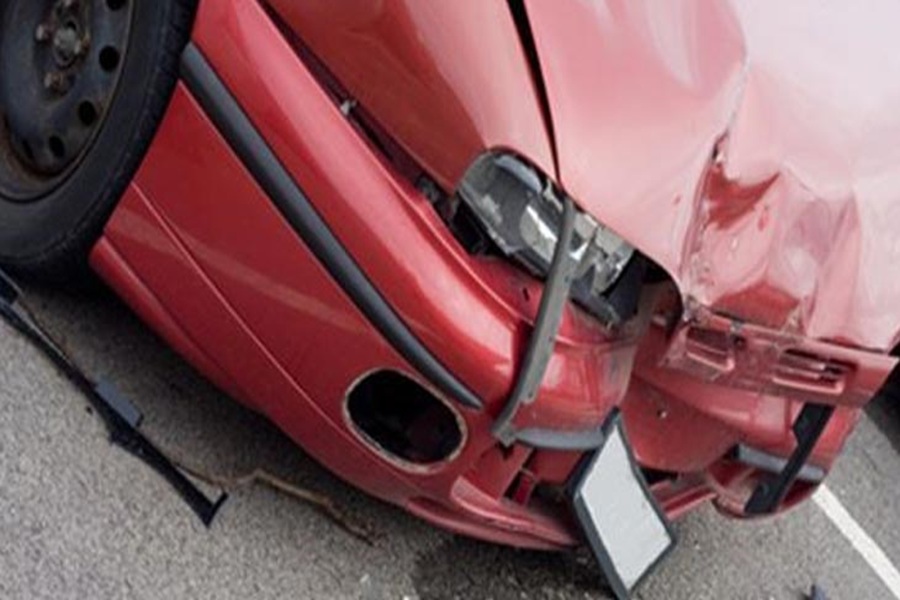
- Cracks or creases in the body:Damage to metal surfaces can indicate underlying frame issues.
- Misaligned bumpers or headlights:If these components don’t line up correctly, it could signal structural shifts.
Performance Issues Due to Frame Misalignment
- Pulling to one side:A bent frame can disrupt wheel alignment, causing uneven steering behavior.
- Unusual vibrations:Structural problems may cause shuddering or shaking while driving.
Sounds That Indicate Trouble
Sometimes, unusual noises are a clue that something isn’t quite right with your car’s structure:
- Listen for squeaking sounds when driving over bumps this could indicate stress on an uneven frame.
- Creaking noises when opening doors might suggest body panels are misaligned due to structural damage.
How Small Accidents Can Cause Larger Issues Over Time
It’s not just major collisions that lead to a bent frame; minor accidents like hitting a pothole at high speed or rolling over a curb can create small distortions. Left unchecked, these minor damages can worsen over time as stress accumulates on weakened areas.
| Indicator | Possible Cause |
| Uneven panel gaps | Misaligned sections from collision |
| Pulling while driving | Wheel misalignment due to warped frame |
| Vibrations | Stress fractures in the structure |
What to Do If You Suspect Frame Damage
If you notice any of these indicators:
- Schedule an inspection with a professional auto body technician who specializes in structural assessments.
- Avoid driving long distances until assessed; this prevents further deterioration.
- Be ready for additional diagnostics such as laser measurements or computerized alignment checks.
Recognizing early signs of damage will help prevent costly repairs down the road and ensure your vehicle remains safe and reliable on the road.
How Technicians Measure and Assess a Bent Frame
Professional technicians rely on advanced tools, careful inspection, and industry expertise to evaluate the condition of your vehicle’s frame.
Measuring Frame Dimensions
Once visible damage is identified, technicians use specialized tools to measure the frame’s dimensions against manufacturer specifications. These measurements help determine whether specific sections of the frame have shifted or bent beyond acceptable tolerances.
- Laser Measuring Systems:Provide highly accurate readings by projecting lasers along key structural points and comparing them with factory standards. Misalignments can be detected down to millimeters.
- Electronic Diagnostic Equipment:Advanced software connected to measurement devices maps out the vehicle frame’s geometry for precise analysis.
- Frame Gauges:Traditional yet effective manual tools for measuring areas like wheelbase length and diagonal symmetry.
This step ensures that no hidden structural issues are overlooked.
Inspecting Underlying Components
Beyond surface-level measurements, technicians examine essential structural components such as:
- The subframe (support structure underneath the main body).
- Suspension system mounts, which may reveal stress-related shifts from a bent frame.
Careful consideration is given not just to visible damage but also to how underlying systems have been affected.
Computerized Alignment Tests
A bent frame often causes wheel misalignment, which can affect handling and safety.
- The wheels sit evenly on all sides.
- Axles remain parallel and aligned with manufacturer guidelines. This test also provides insight into whether repairing the frame will restore proper alignment or if replacement may be necessary.
Common Tools Used in Frame Assessment
| Tool/Method | Purpose | Advantages |
| Laser Measuring Systems | Detects precise misalignments in structure | High accuracy; quick results |
| Electronic Diagnostic Software | Models overall geometry against factory specs | Offers comprehensive data visualization |
| Manual Frame Gauges | Measures specific distances/symmetries manually | Cost-effective; useful for small adjustments |
| Computerized Alignment Tests | Verifies wheel alignment post-damage | Confirms safety-critical alignment |
Documenting Results
Finally, all findings are carefully documented and shared with you as a vehicle owner.
- Detailed measurements showing deviations from manufacturer specifications.
- Recommendations on whether repairs can safely restore integrity or if replacement will be required.
By using state-of-the-art methods combined with skilled evaluation, technicians ensure that every aspect of a damaged frame is assessed accurately before proceeding with repairs or replacements.
How Technicians Measure and Assess a Bent Frame
Understanding how this evaluation process works can help vehicle owners make informed decisions.
Tools Used to Measure Frame Damage
- Frame Alignment Machines: These machines use hydraulic components and laser technology to measure the alignment and geometry of the frame.
- Diagnostic Scanners: Advanced scanners analyze data from your vehicle’s sensors to detect irregularities caused by structural damage.
- Measuring Systems: These systems employ precision instruments like tram gauges or computerized measuring arms, which compare the frame’s current dimensions against manufacturer specifications.
Key Steps in Frame Assessment
- Visual Inspection
A trained professional begins by visually inspecting the vehicle for obvious signs of structural damage, such as distorted panels, uneven gaps between body parts, or cracks in welded sections. - Measuring Frame Dimensions
Using laser-assisted tools or mechanical measurements, technicians will check key points across the frame structure for deviations from factory specifications. - Length
- Width
- Height
- Symmetry between sides
- Assessing Suspension Components
Since suspension parts are directly connected to the frame, technicians examine these closely for signs of uneven wear or misalignment that could indicate underlying structural issues. - Test with Diagnostic Tools
Modern vehicles come equipped with sensors that can provide insight into whether alignment has shifted due to frame damage. - Airbag sensors may indicate improper functioning if crash forces have deformed the structure.
- An anti-lock braking system (ABS) alert could point to subtle misalignment impacting related components.
Common Types of Bent Frames Technicians Identify
- Sway Damage: When one corner of the car is pushed out of alignment horizontally.
- Twist Damage: Occurs when one side of the car is higher than the other due to rotational forces.
- Sagging Damage: Seen when part of the structure appears lower than its intended position along its length.
- Diamond Shape Damage: A skewed appearance where one end shifts laterally compared to the opposite side.
Why Accuracy Matters in Assessments
Accurate measurement is critical because even minor deviations can have major consequences on safety and performance.
- Uneven tire wear due to improper weight distribution
- Poor handling and steering response
- Reduced crashworthiness in subsequent accidents
By leveraging advanced technology alongside their expertise, technicians ensure no detail is overlooked during assessment, giving you confidence in their recommendations regarding repairability or replacement options. This thorough evaluation ultimately protects both your investment and your safety on the road.
How Frame Damage Affects Safety and Vehicle Alignment
A vehicle’s frame serves as the backbone of its structural integrity, providing crucial support for not only the car’s weight but also its passengers, engine, and other components. Understanding these effects can help you make informed decisions about repairs and maintenance.
The Connection Between Frame Damage and Safety
- Airbag Deployment IssuesA bent frame can misalign these sensors, potentially delaying or preventing airbag deployment during a crash.
How Frame Damage Impacts Vehicle Alignment
Proper alignment is essential for safe handling and even tire wear. Frame damage often throws off the alignment of a vehicle’s suspension system, axles, and wheels.
- Uneven Tire Wear: When wheels are no longer aligned correctly due to a warped frame, tires may wear out unevenly, reducing their lifespan and compromising traction.
- Suspension Strain: A bent frame places undue stress on suspension components like shocks and struts, leading to accelerated wear or failure.
- Poor Fuel Efficiency: Misaligned wheels create excessive resistance on the road surface, causing your engine to work harder and consume more fuel.
| Symptom | Potential Cause | Impact |
| Uneven tire wear | Misaligned wheels | Reduced traction & shorter tire life |
| Pulling during driving | Bent or shifted suspension | Inconsistent steering control |
| Noisy suspension | Extra strain on components | Increased repair costs |
Long-Term Consequences Without Repair
Failing to address frame-related issues promptly can lead to compounding problems over time:
- Increased repair costs due to cascading damage (e. g. , worn-out suspension parts).
- Greater risk of accidents from poor handling.
- Reduced resale value if the issue is not resolved properly.
Can You Drive with Minor Frame Damage?
While it might be possible to drive with minor structural issues temporarily, this is not recommended for long-term use:
- Small cracks or bends may worsen over time as driving vibrations exacerbate existing damage.
- Even minor misalignment affects your ability to brake effectively or steer safely.
Steps You Can Take
If you suspect your vehicle has sustained frame damage:
- Schedule an inspection with a professional technician who specializes in structural repairs.
- Avoid driving excessively until repairs are complete this reduces further strain on compromised areas.
- Request detailed measurements (such as laser-based diagnostics) from your repair shop so you understand the extent of misalignment.
Your safety should always take priority when dealing with any level of frame damage. Proper evaluation ensures your car remains roadworthy without putting you at unnecessary risk.
How Frame Damage Affects Safety and Vehicle Alignment
Frame damage is more than just a cosmetic or structural issue; it has significant implications for the overall safety of your vehicle and its ability to function properly. A bent or damaged frame can compromise critical systems, and understanding these effects is crucial for making informed decisions about repair or replacement.
Impacts on Safety
A vehicle’s frame is its foundation, designed to absorb and distribute energy during collisions.
- Reduced Crash ProtectionA bent or weakened frame can reduce the effectiveness of these crumple zones, putting occupants at greater risk during a collision.
- Airbag Deployment Issues: The sensors that trigger airbags are often calibrated based on the vehicle’s structural integrity. Frame damage may interfere with proper sensor functioning, leading to delayed or failed airbag deployment during an accident.
- Weakened Structural IntegrityThis can lead to catastrophic outcomes for passengers.
Alignment and Handling Challenges
A bent frame doesn’t just affect safety; it also interferes with how your vehicle handles on the road.
- Uneven Tire Wear: Misalignment caused by a warped frame often leads to uneven pressure on tires, resulting in premature wear and frequent replacements.
- Steering DifficultiesThis not only makes driving uncomfortable but also increases the risk of accidents.
- Suspension Problems: Frame damage alters how weight is distributed across your suspension system, leading to increased stress on components like shocks and struts which could eventually fail if left unaddressed.
Visualizing Frame Damage’s Impact on Alignment
| Type of Frame Damage | Potential Impact on Alignment | Resulting Issues |
| Minor Bends | Slight wheel misalignment | Pulling to one side while driving |
| Twisted Rear Subframe | Uneven suspension load distribution | Increased tire wear and reduced stability |
| Severe Structural Buckling | Total misalignment throughout vehicle | Loss of control at higher speeds |
Why Prompt Repairs Are Essential
Delaying repairs for frame damage not only exacerbates these safety risks but also results in escalating repair costs as additional systems degrade over time.
- Misaligned wheels stress steering components prematurely.
- Uneven tire wear requires more frequent replacements.
- Suspension failures worsen ride comfort significantly.
Prioritizing professional inspection and timely repairs ensures both safety and cost efficiency in maintaining your vehicle’s performance.
By addressing these issues promptly through skilled technicians equipped with advanced tools, you’ll restore proper alignment while safeguarding you and your passengers from potential harm caused by untreated frame damage.
How Frame Damage Affects Safety and Vehicle Alignment
A bent or damaged vehicle frame is not just a cosmetic issue; it can significantly compromise both the safety and functionality of the vehicle. The frame forms the structural backbone of any car, and any misalignment can lead to serious performance issues, safety risks, and long-term wear-and-tear problems. Understanding how frame damage impacts your car’s alignment, crashworthiness, and overall safety is crucial for making informed decisions about repairs.
Safety Impacts of Frame Damage
- Airbags may not deploy properly: Many airbag systems rely on precise structural integrity to detect collisions accurately.
- Overall crash performance diminishes: The vehicle may behave unpredictably in future accidents due to uneven load distribution or loss of rigidity within its structure.
Alignment Issues Caused by Frame Damage
- Suspension system stress: Bent frames put extra strain on suspension components like shocks and struts. This leads to wear-and-tear that needs costly repairs over time.
- Reduced fuel efficiency: Improper alignment increases rolling resistance between tires and road surfaces, which forces the engine to work harder than necessary.
Drivers may notice these issues over time as subtle changes in how their car drives or feels on the road.
Long-Term Risks of Ignoring Frame Issues
Failing to address structural damage has long-term ramifications that extend beyond immediate safety hazards.
| Problem Area | Possible Outcome |
| Suspension System | Reduced lifespan due to excessive strain |
| Tires | Shortened lifespan from uneven pressure |
| Brakes | Increased stopping distance |
| Resale Value | Significant drop due to structural flaws |
Always prioritize professional inspections when you suspect frame damage affects your vehicle’s alignment or handling abilities.