What Makes Collision Repair Different From Standard Auto Body Work
Collision repair for luxury vehicles like BMWs is a specialized field that differs significantly from standard auto body work. While all vehicles require attention to detail after an accident, luxury cars integrate advanced technologies, high-performance materials, and intricate designs that demand expertise and precision. Below, we’ll explore the key differences between collision repair for standard cars and the unique requirements of luxury vehicles.
Structural Complexity
Luxury vehicles such as BMWs are engineered with a focus on performance and safety.
- Reinforced Frames:Many luxury models use lightweight materials like aluminum or carbon fiber to enhance performance while maintaining strength. These materials require delicate handling and advanced techniques during repairs.
- Multi-Material Construction:Unlike standard vehicles that may rely heavily on steel, luxury cars often combine materials in ways that necessitate specialized knowledge to repair properly without compromising safety or performance integrity.
Precision Engineering
BMWs and similar brands utilize precision engineering to craft their vehicles.
- Tight tolerances must be maintained during repairs to ensure the vehicle performs as intended post-collision.
- Standard repair shops may lack the equipment or training necessary to meet these high standards.
Technological Advancements in Luxury Vehicles
Luxury cars are equipped with cutting-edge technologies that complicate the repair process:
- Driver Assistance Systems (ADAS):Features like lane departure warnings, adaptive cruise control, and automated braking systems require recalibration after an accident. These systems are intricately tied to your vehicle’s sensors and cameras, which must function perfectly for safety reasons.
- Infotainment Integration:Damaged wiring or components in a collision can disrupt these advanced systems, requiring expertise beyond general auto body work.
Certification Requirements for Repair Shops
Not all auto body shops have the certifications needed to handle luxury car repairs effectively:
- Manufacturers such as BMW offer certification programs that ensure technicians are trained on brand-specific methods and technology. Choosing a certified technician reduces the risk of improper repairs or overlooked damage.
- Certified shops also have access to proprietary tools and equipment designed specifically for your make and model.
Why It Matters
Opting for a generic auto body shop might save money upfront but could compromise the safety features, longevity, or resale value of your BMW due to improper repairs. Structural integrity, paint matching accuracy, sensor calibration all these aspects play vital roles in restoring your car to its original state after an accident.
Understanding these differences ensures you approach collision repair with informed decisions tailored specifically for your BMW’s needs rather than relying on generalized solutions designed for less complex vehicles.
Why Advanced Materials Require Specialized Repair Techniques
Luxury vehicles like BMWs are built using cutting-edge materials that enhance performance, safety, and efficiency. These advanced materials demand specialized knowledge and tools during collision repair to ensure the vehicle is restored to its original condition, both in appearance and functionality. Here’s a closer look at why these materials require a tailored approach.
Types of Advanced Materials in Luxury Vehicles
- High-strength steel: Used for its durability and ability to absorb impacts while maintaining structural integrity.
- Magnesium alloys: Found in engine blocks and other structural parts due to their strength-to-weight ratio.
- Thermoplastics: Used for bumpers, trim pieces, or interior fittings because they are durable yet flexible.
Each of these materials behaves differently under stress or damage, requiring technicians with specialized expertise to handle them safely.
Challenges of Repairing Advanced Materials
- Repair vs. Replace Decisions: Certain materials, such as carbon fiber or thermoplastics, are often too difficult or costly to repair and may need replacement altogether. A trained technician will know when repair is feasible versus when replacement ensures safety.
- Material-Specific Tools: Aluminum repair requires separate tools from steel repairs due to the risk of cross-contamination that can lead to corrosion over time. Similarly, working with carbon fiber involves specific cutting tools and resin techniques.
- Heat Sensitivity: Aluminum panels are more heat-sensitive compared to steel. Improper welding could weaken the material or distort its shape, making precision extremely important.
- Layered Structures: Materials like CFRP consist of intricate layers that must be carefully reconstructed when damaged this requires exacting attention rather than traditional bodywork techniques.
Why Specialized Training Matters
Repairing vehicles made with advanced materials isn’t just about having the right tools it’s also about having technicians who understand material-specific properties. BMW-certified collision centers invest heavily in training their staff on manufacturer-approved procedures such as rivet bonding for aluminum or resin injection for carbon fiber repairs.
- Certified technicians stay up-to-date with evolving vehicle designs through continuous education.
- They have access to proprietary equipment designed specifically for luxury brands like BMW.
Summary Table of Material Repair Considerations
| Material Type | Common Use | Key Repair Challenge | Required Tools/Techniques |
| High-strength steel | Structural safety components | Retaining impact absorption properties | Spot welders |
| Aluminum | Body panels | Risk of contamination & heat sensitivity | Dedicated aluminum workspaces |
| Carbon fiber-reinforced plastic (CFRP) | Roofs/chassis parts | Layer reconstruction & cost-efficiency | Resin bonding & sanding |
| Magnesium alloys | Engine blocks | Brittleness under incorrect pressure | Precision machining |
| Thermoplastics | Bumpers/interior fittings | Cracking under stress | Plastic welding |
When repairing advanced materials, ensuring factory-level quality isn’t optional it’s essential for both safety and performance standards set by manufacturers like BMW. By choosing a shop equipped for these challenges, owners can feel confident their luxury vehicle retains its value while performing as designed post-repair.
Why Advanced Materials Require Specialized Repair Techniques
Luxury vehicles like BMWs are at the forefront of automotive innovation, often utilizing advanced materials that enhance performance, safety, and efficiency. However, these cutting-edge materials also demand specialized repair knowledge and equipment when the vehicle sustains damage.
Use of Lightweight and High-Strength Materials
Modern luxury vehicles incorporate materials that balance lightweight construction with durability.
- High-Strength Steel:Provides enhanced crash protection and structural integrity.
These materials differ significantly from conventional steel used in standard vehicles. Each requires specific tools, techniques, and certifications to ensure proper handling during repairs.
Material-Specific Challenges
- Aluminum is more prone to damage like tearing or corrosion if improperly handled.
- It requires separate workspaces and tools due to its sensitivity to cross-contamination with steel.
- Welding aluminum demands precise heat control to avoid compromising its structural integrity.
- CFRP cannot be repaired through traditional methods like welding or reshaping.
- Repairs often involve replacing entire sections using pre-manufactured composite parts.
- Specialized adhesives and curing processes are essential for effective repairs.
- This material cannot be heated excessively without losing its strength properties.
- Cutting or reshaping high-strength steel requires advanced machinery such as laser cutters or hydraulic presses.
Certification Requirements for Technicians
Because of these complexities, technicians must undergo rigorous training and obtain certifications specific to luxury brands like BMW.
- BMW Certified Collision Repair Centers invest heavily in brand-specific training for their staff.
- Proper handling of advanced materials ensures the vehicle retains its crashworthiness and resale value post-repair.
Tools Designed for Advanced Materials
| Material | Required Tools/Techniques |
| Aluminum | Non-ferrous tools, dedicated aluminum workstations, TIG welders |
| Carbon Fiber | Precise measurement tools, curing ovens, specialized adhesives |
| High-Strength Steel | Resistance spot welders, laser cutters |
The Risks of Inadequate Repairs
- Compromised safety structures during future collisions.
- Increased wear-and-tear on improperly repaired parts over time.
- Voiding manufacturer warranties tied to certified repairs.
When it comes to repairing vehicles made with advanced materials, there’s no room for shortcuts. Choosing a certified collision center ensures that your BMW is treated with the expertise it deserves preserving both your investment and peace of mind.
How Proper Sensor Calibration Restores Safety Systems
Modern luxury vehicles like BMWs are equipped with advanced driver-assistance systems (ADAS) that enhance both safety and convenience. These systems rely heavily on an integrated network of sensors, cameras, radar, and software to function properly. After a collision or even minor bodywork, proper sensor calibration is critical to restoring the full functionality of these systems and ensuring the safety of the vehicle’s occupants.
Why Sensor Calibration Matters
- Adaptive Cruise Control (ACC):Maintains a safe distance from the vehicle ahead.
- Lane Departure Warning & Lane Keeping Assist:Alerts you if you drift out of your lane and can even steer the car back to center.
- Collision Avoidance Systems:Detect potential obstacles or vehicles and apply brakes if necessary.
- Blind Spot Detection:Monitors areas not visible inside mirrors and warns drivers about nearby vehicles.
Incorrectly calibrated sensors can misinterpret distances, angles, or surroundings, leading to malfunctioning systems or false alarms. Even a slight misalignment after repairs can render these features unreliable.
Types of Sensor Calibration
- Performed in a controlled environment like a repair shop.
- Requires specialized tools like target boards or laser alignment equipment.
- Used for systems like surround-view cameras that need precise angle adjustments.
- Involves driving the car under specific conditions so that onboard systems recalibrate themselves using real-world data.
- This process often requires specific speeds, road types, or environmental conditions for accurate results.
Your BMW may require one or both types depending on the nature of the repair work performed.
Why Professional Expertise is Necessary
Sensor calibration isn’t something every auto body repair shop is equipped to handle effectively.
- Specialized Equipment:Most BMWs require proprietary diagnostic tools and software for accurate recalibration of ADAS components.
- Manufacturer Guidelines:Only certified technicians follow manufacturer-recommended procedures specific to each model.
- Comprehensive Testing:Skilled technicians will test all system functionalities post-calibration to ensure everything is working as intended.
Skipping this step could result in improperly functioning safety features or even legal liability if an accident occurs due to faulty sensor performance.
| Common Issues from Faulty Calibration | Potential Consequences |
| Blind spot sensors fail to detect objects | Increased risk of collisions during lane changes |
| Adaptive cruise control misjudges distances | Sudden braking or inability to maintain safe following distances |
| Lane departure alerts activate unnecessarily | Driver distraction |
Tips for Vehicle Owners
- Always choose an experienced collision repair center that specializes in luxury vehicles.
- Ask if they have access to OEM-approved diagnostic tools specifically designed for your car model.
- Verify whether static or dynamic calibration or both will be performed after repairs.
- Review your owner’s manual for system-specific information related to recalibration requirements.
Proper calibration isn’t just about convenience; it’s about ensuring you have a vehicle that performs safely on today’s complex roads while protecting both drivers and passengers alike. Taking this step seriously helps preserve not only your car’s advanced features but also its value over time.
What to Know About OEM Parts, Paint Matching, and Repair Costs
When it comes to repairing a luxury vehicle like a BMW after a collision, understanding the role of OEM (Original Equipment Manufacturer) parts, achieving seamless paint matching, and managing repair costs is essential. These factors not only influence the quality of repairs but also help preserve your vehicle’s performance, safety, and resale value.
The Importance of Using OEM Parts
OEM parts are components designed and manufactured by BMW or their approved suppliers. They are engineered specifically for your model with precision to ensure perfect fitment and optimal performance.
- Fit and Compatibility: OEM parts align precisely with the original design specifications of your car. This ensures that they work seamlessly with other components.
- Safety Standards: These parts adhere to BMW’s stringent safety guidelines. Aftermarket or generic parts may compromise the structural integrity of critical systems.
- Vehicle Longevity: Using genuine components helps maintain the durability and lifespan of your car.
- Warranty Coverage: Many luxury automakers require OEM parts for repairs in order to honor their warranties.
Opting for aftermarket or counterfeit alternatives might seem cost-effective initially but often leads to long-term issues such as poor performance or premature wear.
Achieving Flawless Paint Matching
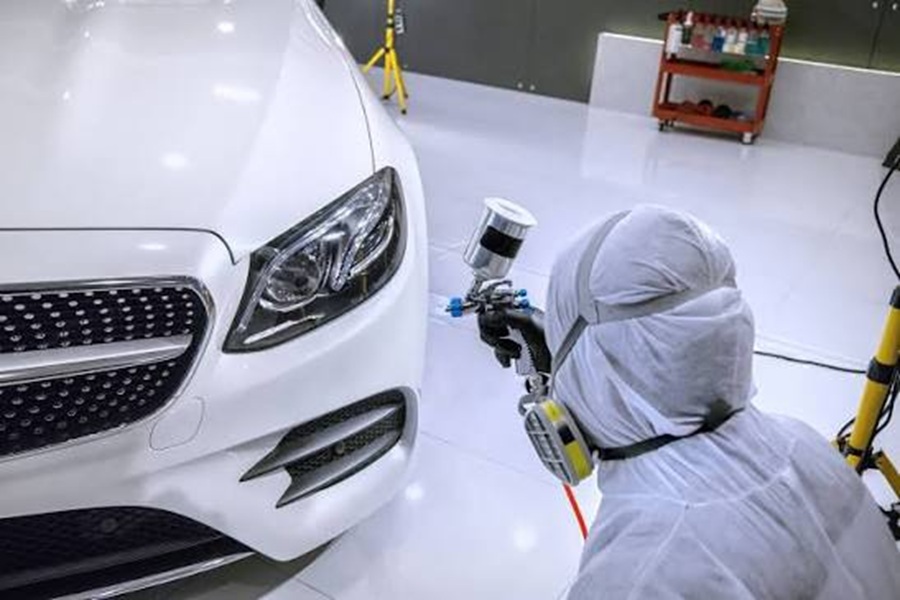
One hallmark of luxury vehicle repair is preserving its aesthetic appeal by ensuring the paintwork is indistinguishable from its factory finish.
- Digital Color Matching Technology: Advanced spectrophotometers can scan your car’s current paint color to create an exact match.
- Manufacturer-Specific Codes: BMW provides precise color codes that repair shops use as references when mixing paints.
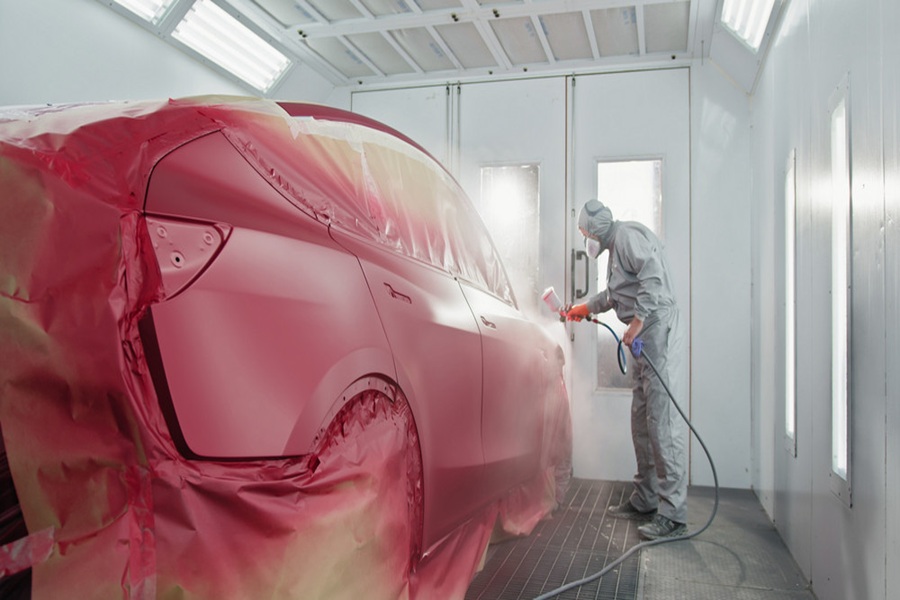
- Multiple Layers: High-end paints often involve multiple layers, including primers, base coats, metallic finishes, and clear coatings.
- Blending Techniques: Skilled technicians blend new paint into surrounding areas for an even appearance without visible transitions.
Working with certified shops ensures access to these specialized techniques while avoiding mismatched panels that diminish the overall look of a premium car.
Understanding Repair Costs
Luxury vehicle collision repairs tend to come at a higher price point than standard auto body repairs.
- Specialized Equipment Needs:BMW-certified repair facilities invest in advanced tools like laser frame straighteners or aluminum welding machines tailored for specific models.
- Labor Expertise:Technicians undergo rigorous training on brand-specific repair processes which justifies higher labor rates.
- Quality Materials:OEM parts and high-grade paints cost more than generic equivalents due to their superior quality.
While these factors contribute upfront costs that may seem steep compared to non-specialized services, they ensure long-term reliability and help maintain your car’s value over time.
| Factor | Impact on Cost |
| Use of OEM Parts | Higher initial part expense |
| Specialized Labor | Increased hourly rates |
| Advanced Tools & Tech | Higher equipment overhead |
Key Takeaways
- Preserves safety systems
- Maintains aesthetic integrity
- Protects resale value
Entrusting your high-end vehicle to experienced professionals ensures peace of mind knowing every detail has been addressed with precision.