What Causes Paint Overspray on a Vehicle
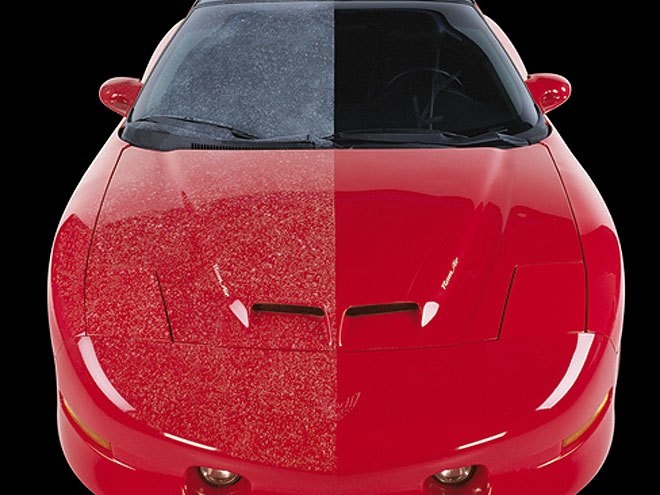
Paint overspray occurs when paint, typically applied using spray equipment, lands on unintended surfaces. This common issue can happen in various settings and is not limited to professional environments. Understanding the causes of paint overspray can help you prevent it or address it promptly if it happens to your car.
Common Causes of Paint Overspray
- Nearby Painting Projects:
Cars parked near areas where spray painting is taking place — such as construction sites, home improvement projects, or auto body shops — are at a high risk for overspray. Wind can carry small particles of paint over long distances and deposit them on your vehicle. - Industrial Areas:
Factories and industrial plants may release fine particulate matter, including paint particles, into the air during manufacturing or maintenance processes. These tiny particles can settle on vehicles parked nearby. - DIY Painting Projects:
If you’re engaging in DIY painting projects at home (such as furniture refinishing or wall painting), using spray cans or equipment without proper precautions could result in overspray landing on your car. - Improper Spray Booth Practices:
In professional settings like auto body shops, if the spray booth isn’t properly sealed or ventilated, paint particles can escape and settle onto other objects in the workshop — including cars. - Windy Conditions During Outdoor Painting:
When spray painting outdoors without sufficient wind barriers, even mild breezes can carry paint particles far beyond the intended surface.
Factors That Increase Susceptibility
| Factor | Explanation |
| Proximity to activity | Cars parked close to painting zones are at higher risk. |
| Lack of protective cover | Vehicles left uncovered during nearby spraying activities are vulnerable. |
| Weather conditions | Windy weather accelerates particle travel over longer distances. |
Preventive Measures
- Park your car far from construction sites and areas where spray painting is happening.
- Use a car cover when leaving your vehicle unattended near potential overspray sources.
- Avoid parking near industrial zones where airborne particulates may be present.
- Check weather conditions before starting any outdoor DIY project involving spray paints.
By identifying the causes and factors contributing to paint overspray, you’ll be better prepared to safeguard your vehicle against accidental exposure.
Why You Should Assess the Overspray Before Removing It
Understanding the Severity and Type of Overspray
Paint overspray can vary significantly in terms of severity and materials involved.
Severity: Light overspray may only require minimal effort to remove, while heavier layers can demand more intensive methods.
Type of Paint: Knowing whether the overspray involves latex, enamel, or industrial coatings determines whether water-based or solvent-based solutions are necessary.
Extent of Affected Area: Widespread overspray may require different tools or professional assistance compared to small, localized spots.
Preventing Unnecessary Damage
Chemical damage: Using an incompatible solvent without understanding the type of paint on your car could lead to discoloration or deterioration.
Factors Influencing Assessment
When evaluating your car’s condition:
- Environmental Factors: Was the vehicle exposed near construction zones, spray painting projects, or industrial facilities? These details help determine what contaminants might be present.
- Vehicle Condition: Cars with older finishes or damaged clear coats are more vulnerable during any removal process and may need extra care.
- Time Since Exposure: Fresh overspray is typically easier to remove than spots left untreated over time due to hardening.
Why You Should Assess the Overspray Before Removing It
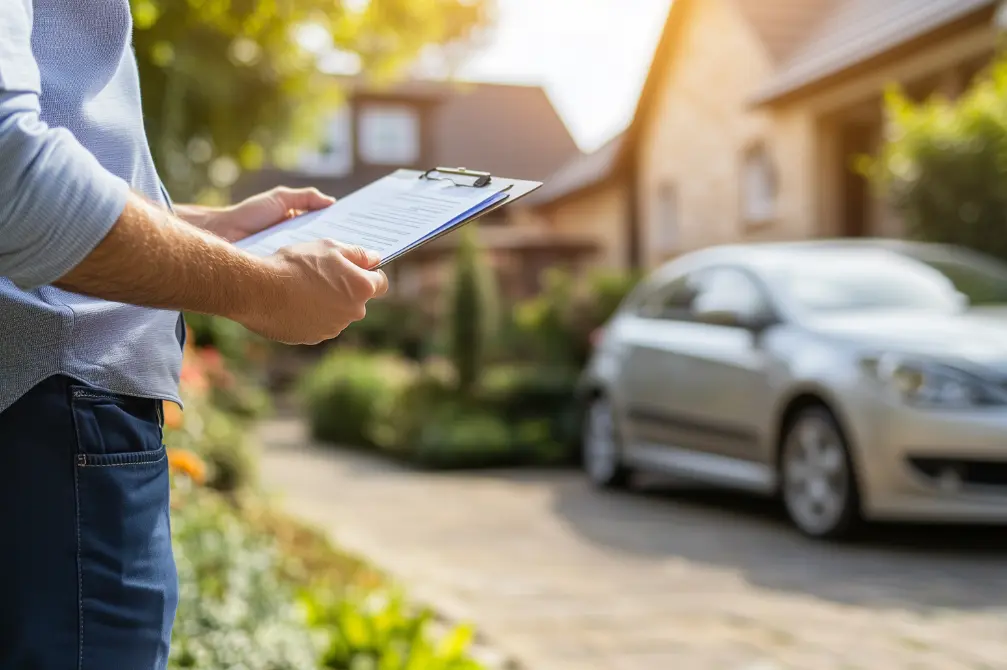
Before diving into any paint overspray removal process, it’s important to properly assess the situation. Overspray can vary significantly depending on its cause, location, and level of adherence to your vehicle’s surface. By evaluating the overspray carefully, you can save time, avoid unnecessary damage, and select the most effective removal method.
Understanding the Source of Overspray
- Household Paint or Spray Paint: Often happens when painting near a parked car. These paints are generally softer and easier to remove if addressed early.
- Industrial Coatings: More durable and resistant coatings (e. g. , urethane-based materials) may require advanced techniques for removal.
- Environmental Factors: Tree sap or tar—mistaken for overspray—may need entirely different treatments from synthetic paints.
By understanding what caused the issue, you can better tailor your approach to specific removal techniques without causing further harm.
Evaluate Severity and Coverage Area
Before beginning any removal process, assess the severity of the overspray by asking these questions:
- How large is the affected area?Is it confined to one panel or spread across multiple sections? Larger areas may require professional intervention for efficiency.
- Has it bonded with clear coat layers?If overspray has penetrated into your car’s clear coat, aggressive methods may be necessary but could risk damaging your car’s finish.
Benefits of Performing an Assessment First
Taking time to thoroughly evaluate the situation comes with several advantages:
- Prevents unnecessary steps: Different types of overspray respond best to specific treatments; knowing what you’re dealing with avoids wasted effort.
- Minimizes potential damage: Rushing into aggressive methods risks scratching or stripping your vehicle’s paint.
- Saves money long-term: Choosing appropriate solutions early reduces repair costs if professional assistance becomes necessary later.
| Type of Overspray | Likely Cause | Suggested Initial Steps |
| Small dots or specks | Spray paint nearby | Use a clay bar on test areas first |
| Hardened streaks | Industrial coatings | Test solvents on a hidden section |
| Sticky/messy deposits | Tree sap | Degreaser or tree-sap remover recommended |
Small Test Areas Are Critical
Always start by testing any product or method on a small inconspicuous section of your car’s surface before committing fully to a removal technique. This ensures that no damage occurs while confirming that your chosen method effectively removes the unwanted material.
By assessing factors like material type, coverage intensity, and surface condition beforehand, you position yourself for success in tackling paint overspray efficiently while preserving your vehicle’s finish over time.
Professional Overspray Removal Methods
Methods Used by Professionals
- Clay Bar Treatment:
- Polishing and Buffing:
Using high-speed polishers or buffers, professionals can remove fine layers of contaminants like paint overspray. - Chemical Solvents:
Specialized automotive-grade solvents or removers are applied carefully to dissolve unwanted paint without harming the factory finish. These products are used sparingly and require skill to prevent streaking or discoloration. - Wet Sanding:
For more severe cases of overspray where other methods aren’t effective, professionals may use wet sanding with ultra-fine sandpaper (often in the range of 1500-2000 grit). This technique removes a thin layer of clear coat along with the overspray but must be followed by proper buffing and polishing.
Advantages of Professional Methods
- Safe for All Surfaces:
Professionals have experience working on various vehicle surfaces such as metal panels, plastic trim, glass, and even rubber—ensuring no area is overlooked or damaged during treatment. - Time-Saving:
Removing overspray can be tedious if attempted alone. Experts complete this process efficiently using advanced equipment tailored for such tasks. - Enhanced Results:
The combination of expert techniques and high-end products ensures that your car’s finish is restored to its original condition or better.
| Method | Ideal Use Case | Average Cost Range* | Risk Level When Done By Pros |
| Clay Bar Treatment | Mild Overspray | 75–150 | Minimal |
| Polishing & Buffing | Light-to-moderate Overspray | 100–300 | Minimal |
| Chemical Solvents | Paint embedded in harder surfaces | 50–200 | Low |
| Wet Sanding | Severe/multi-layered Overspray | 200–500+ | Moderate |
*Note: Prices may vary based on location, severity of the issue, and type of vehicle.
When to Opt for Professional Services
- DIY attempts have been unsuccessful.
- The affected area includes sensitive materials like chrome trim or glass edges.
- You’re unsure about which tools or techniques are appropriate…
It’s best to consult a qualified professional detailer or body shop.
When Clay Bars and Other Surface Treatments May Help
Below is a detailed exploration of how clay bars and similar treatments work, as well as their pros and cons.
What Are Clay Bars?
- Types of Clay Bars: Available in varying grades:
- Fine Grade: Best for light contamination such as fresh overspray.
- Medium/Heavy Grade: Suitable for stubborn or older paint overspray but requires careful handling to prevent scratching.
Alternative Surface Treatments
- A reusable alternative made from synthetic materials that mimic traditional clay bars.
- Easier to handle but may not be as precise for small areas.
- Chemical treatments that dissolve bonded particles without mechanical abrasion.
- Typically used alongside or prior to claying for maximum effectiveness.
- If overspray is deeply embedded, you may need mild abrasive compounds applied with microfiber pads or polishers.
| Treatment Type | Best For | Pros | Cons |
| Clay Bar | Light-to-moderate overspray | Precise; safe on most surfaces | Time-consuming; single-use |
| Clay Mitts/Pads | Moderate contamination | Reusable; quick application | Less effective on tricky spots |
| Iron Removers | Heavy contamination | Non-abrasive; easy to apply | May require additional claying |
Benefits of Using These Methods
- Protects your car’s original paint by using gentle techniques.
- Restores smoothness and prepares the surface for other treatments like waxing or sealing.
- Cost-effective compared to professional services if done correctly at home.
Potential Risks
- Scratching: Insufficient lubrication while claying can leave scratches on your clear coat.
- Over-polishing: Excessive use of abrasive compounds can thin out your car’s protective layers, leading to long-term damage.
However, always assess whether DIY options suit the severity of your situation before proceeding further.
Why Aggressive DIY Removal Can Damage Your Paint
This section outlines the potential risks and helps you approach this task with caution.
Risks of Aggressive DIY Removal
When attempting to remove paint overspray at home, many car owners turn to abrasive tools or harsh chemicals that might not be suitable for delicate automotive finishes.
- Scratches and SwirlsEven overly aggressive rubbing with a cloth can leave swirl marks behind.
- Aggressive scrubbing or using improper solvents can strip away this layer, leaving the underlying paint vulnerable to fading, peeling, or corrosion.
- Chemical Reactions: Some solvents or household cleaning agents may react negatively with automotive paint, causing discoloration or further damage.
- Uneven Results: Without professional-grade tools or expertise, it’s easy to remove overspray inconsistently across different sections of the vehicle’s surface, resulting in patches that look uneven when viewed in light.
Common Mistakes to Avoid
- Skipping a Test Spot: Always test any product (such as a solvent or clay bar) on an inconspicuous area before applying it widely across the vehicle to ensure compatibility with your car’s finish.
- Using Excessive Pressure: Scrubbing harder doesn’t speed up results—it just increases the likelihood of permanent scratches.
- Choosing Inappropriate Tools: Avoid items like razor blades unless you are experienced; they may gouge into plastic trims or painted surfaces.
Safer Alternatives for Removing Overspray
- Clay Bars: These specially-designed bars help safely lift particles off surfaces without scratching them when used correctly with lubricant.
- Detailing Sprays: Combined with microfiber towels, a good-quality spray can dissolve light overspray while protecting your paintwork.
- Rubbing Alcohol (Isopropyl): Dilute rubbing alcohol is less abrasive than many other chemicals and can break down some types of overspray when applied carefully.
| Method | Benefits | Limitations |
| Clay Bar | Safe and effective | Takes time; requires lubricant |
| Detailing Spray | Quick solution for minor cases | May not handle heavy overspray |
| Rubbing Alcohol | Gentle on clear coats | Requires careful application |
When Professional Help Becomes Essential
If trying these safer methods still leaves noticeable residue—or if you’re unsure how deep the damage goes—it’s best to seek professional assistance instead of persisting with DIY solutions that might worsen the issue.
When to Have a Professional Detailer or Body Shop Remove Overspray
While some individuals may attempt DIY methods to remove it, there are specific situations where consulting a professional detailer or body shop is not only advisable but essential.
Delicate Paint Types and Custom Finishes
Cars with unique or delicate paint jobs—such as matte finishes, custom wraps, or specialty coatings—require particular care during overspray removal. The wrong product or technique could mar these surfaces permanently.
Advantages of a professional approach here:
- Detailers understand how to treat specialty finishes with appropriate tools and chemicals.
- They can determine whether additional layers of protection (like clear coats) need repair after the overspray is removed.
Embedded Overspray in Hard-to-Reach Areas
Overspray often settles in crevices, door jambs, trim edges, or other intricate parts of your vehicle, making it difficult for at-home remedies to remove effectively.
| DIY Challenges | Professional Advantages |
| Limited access to tight spots | Specialized tools for intricate areas |
| Risk of missing small patches | Thorough inspection post-removal |
When DIY Methods Cause Additional Damage
Sometimes, attempts at self-removal can lead to unintended harm.
- Using overly abrasive materials like steel wool that leave scratches on the paintwork.
- Applying harsh chemical agents without testing compatibility first.
- Over-polishing an area, which may strip away protective coatings.
Benefits of Choosing Specialists for Removal
- Expertise in Surface Assessment: Professionals evaluate the severity of damage before recommending appropriate solutions, ensuring no unnecessary procedures are performed.
- Time-Saving Option: What might take you hours—or even days—to do poorly can often be handled by experts in far less time with precision results.
- Peace of Mind: Knowing your vehicle is being cared for by trained professionals reduces stress and eliminates guesswork from the process.
- Post-Service Protection Options: Many detailers offer additional services such as waxing or ceramic coating application after overspray removal, helping guard against future issues.