Drawbacks to Consider
- Repair Complexity: Damage to structural components can require expensive repairs since the entire body may need attention.
Where You’ll Find Unibodies
| Vehicle Type | Common Examples |
| Sedans & Hatchbacks | Toyota Camry, Honda Civic |
| Crossovers | Subaru Outback, Hyundai Tucson |
| Electric Vehicles | Tesla Model 3, Nissan Leaf |
The prevalence of unibodies in these categories stems from their emphasis on efficiency, passenger comfort, and safety features.
Understanding what defines a unibody vehicle and how it differs from other construction types lays a foundation for assessing its impact on repair decisions.
Key Structural Differences Between the Two
These two construction types are fundamentally different in how they distribute weight, handle stress, and manage repairs.
1.Core Structure Design
- Unibody Construction The load-bearing responsibilities are shared across multiple components of the vehicle.
- Disadvantages: More complex to repair when damaged.
- Body-on-Frame Construction This was traditionally used for trucks and larger SUVs.
- Disadvantages: Heavier overall weight; poorer fuel efficiency compared to unibody vehicles.
2.Load Distribution
- In unibody vehicles, stress from impacts or daily driving is distributed throughout numerous parts of the structure.
3.Crashworthiness and Safety Features
| Feature | Unibody | Body-on-Frame |
| Primary Use | Cars, Crossovers | Trucks, SUVs |
| Weight | Lighter | Heavier |
| Strength | Distributed across body | Concentrated in frame |
| Fuel Efficiency | Higher | Lower |
| Repair Complexity | Higher due to integration | Lower for isolated damage |
4.Repair Implications
- The integration of structure and body in unibody vehicles often requires specialized skills and tools for repairs because damage may affect multiple areas simultaneously.
- Frame replacement or repair is often simpler since it’s a standalone component.
Each structure has its strengths and weaknesses that influence repair strategies significantly without any duplication of effort across systems or repeated points above.
Key Structural Differences Between the Two
These distinctions influence not only vehicle performance but also repair methods and overall durability. Here, we’ll explore how these two designs differ structurally.
- The frame bears the weight of the drivetrain, suspension, and other components, while the body primarily houses passengers and cargo.
- This type of construction is heavier but ideal for high-stress applications like towing or off-road use.
| Feature | Unibody Construction | Body-on-Frame Construction |
| Frame integration | Integrated with body | Separate from body |
| Weight distribution | Lightweight design | Heavier due to independent frame |
| Load-bearing elements | Entire structure shares load | Frame bears majority of load |
2. Strength
- This makes unibodies safer in collisions by dispersing force away from passengers but may lead to more extensive damage when repairs are necessary.
- However, they lack crumple zones, which can result in greater force transfer to occupants during impacts.
Unibody Manufacturing: Requires precision engineering as various panels must be joined seamlessly to create one cohesive unit.
Body-on-Frame Manufacturing: Simpler assembly process since it involves mounting pre-built bodies onto standard frames, which can be adapted across multiple models.
Trade-Offs Based on Usage
Each structural design offers unique advantages depending on how the vehicle will be used:
Efficiency & Handling (Unibody): – Allows for smoother rides due to reduced weight.
Better suited for passenger cars or urban driving conditions where agility matters most.
- Offers ruggedness needed for trucks or SUVs designed for off-roading or towing heavy loads.
How Collision Damage Affects Each Construction Type
Understanding these differences is critical for both vehicle owners and repair professionals, as they dictate how repairs are approached and their complexity.
Unibody Vehicles: Collision Impact
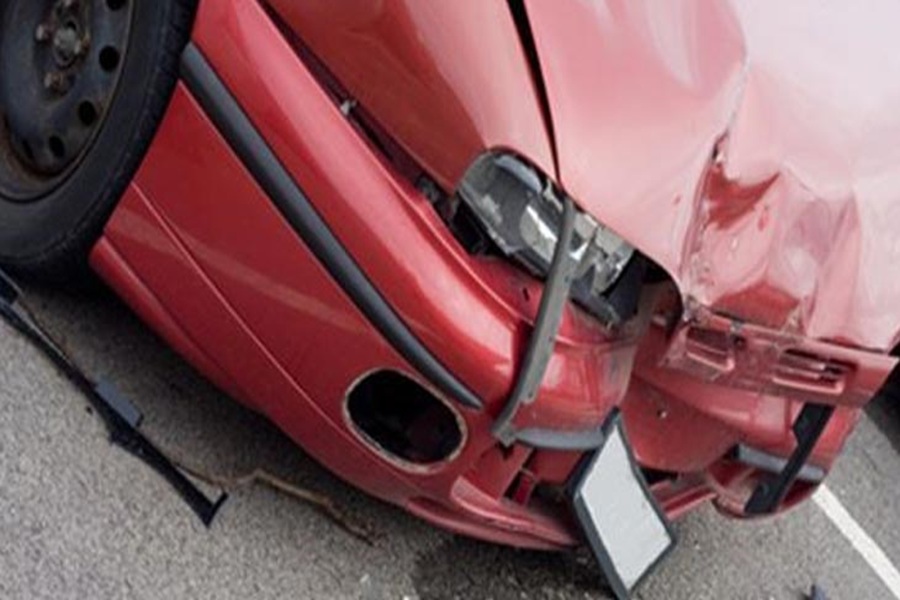
- Localized Damage Can SpreadFor example, a minor hit to the front corner could potentially warp other connected components.
- Crush Zones Play a RoleWhile this improves passenger safety, it can mean replacing multiple parts of the structure, even in what may seem like minor collisions.
- Precise Repairs Are Critical: Because structural integrity is key to safety in unibody vehicles, damaged sections often require specialized equipment for measurement and frame alignment to ensure accuracy.
- A minor fender bender might leave structural components untouched.
- In contrast, significant impacts could still bend or twist the underlying frame.
- Easier Frame Repairs: If only the frame sustains damage (such as bending), straightening or replacing it is relatively straightforward compared to unibody repairs since components are separate.
- Heavier Vehicle Weight Plays a RoleThis could mean greater overall damage but also greater durability in light impacts.
Repair Complexity Comparison
| Factor | Unibody Vehicles | Body-on-Frame Vehicles |
| Damage Distribution | Can spread across multiple areas | Often isolated between frame/body |
| Repair Equipment Needed | Specialized tools for precision | Standard tools for bending/straightening |
| Cost of Structural Repairs | Typically higher | Generally lower unless severe |
Additional Considerations
- Safety Post-Repair: With unibody vehicles especially, restoring original factory specifications is vital for maintaining crashworthiness and passenger protection.
- Improperly repaired frames on either type can result in uneven tire wear or alignment issues down the road.
- However, with advances in repair technology such as laser measurement systems for unibodies or jig-based realignment for frames, long-term durability can be ensured.
Differences in Frame and Structural Repairs
Unibody Frame Repair
This means that any damage to the structure typically affects both the aesthetic exterior panels and the underlying structural integrity of the car.
- Repairs generally involve precision straightening using advanced tools like computerized frame-alignment machines. These machines restore structural integrity by reshaping bent sections to their factory specifications.
- Body panels in unibody vehicles may be welded or riveted into place, making panel replacement or repair a highly technical task.
- Since the unibody design integrates structural elements with external panels, even minor collisions can result in significant damage that requires professional expertise.
- Frame repairs for these vehicles focus on straightening or replacing individual sections of the chassis without necessarily impacting exterior body panels.
- Unlike unibodies, damaged frames can sometimes be cut at specific points and replaced with new sections if necessary, offering more flexibility in certain cases.
- The bolt-on nature of body parts allows easier removal and replacement compared to welded panels in unibodies.
| Feature | Unibody Repair | Body-on-Frame Repair |
| Damage Scope | Affects both structure & exterior | Primarily affects chassis |
| Common Materials | High-strength steel, aluminum | Traditional steel |
| Repair Approach | Advanced alignment; welding/riveting | Frame sectioning; bolt-on replacements |
| Crumple Zones | Requires precise replacement | Not common in traditional designs |
| Equipment Needs | Computerized alignment systems | Heavy-duty lifts |
Key Considerations
- Safety Standards:For example, improper repair of a crumple zone can compromise passenger protection during future collisions.
Understanding these differences highlights why proper diagnosis is crucial before beginning any structural repair. It also underscores the importance of working with experienced technicians familiar with both types of construction to ensure safety and longevity post-repair.
How Vehicle Construction Affects Your Repair Plan
Below, we’ll explore how vehicle construction impacts your repair plan.
Assessment and Diagnosis
The first step in any repair plan is a proper assessment.
- Unibody VehiclesRepair assessments must account for possible underlying issues beyond visible damage.
- Body-on-Frame VehiclesInspection involves checking both elements independently while ensuring their alignment remains intact.
Tools and Techniques for Repairs
| Aspect | Unibody Repairs | Body-on-Frame Repairs |
| Structural Integrity | Specialized equipment for measuring alignment is essential due to integrated design. | Frame straightening machines may focus solely on repairing bent frames without affecting the body. |
| Welding Requirements | Advanced welding methods are often needed for high-strength steel or aluminum panels commonly used in unibody construction. | Welding may focus on reinforcing specific frame components without extensive work on surrounding materials. |
| Replacement Panels | Damage often requires precise replacement of structural panels to maintain integrity. | Large components like bumpers or cross-members can sometimes be replaced without impacting other areas significantly. |
Planning for Safety Standards
- Unibody Safety ConcernsRepairs must restore these zones accurately; otherwise, future crash performance could be compromised.
- Body-on-Frame Safety Concerns: With its rigid construction, a damaged frame can affect stability, handling, and crashworthiness if not repaired properly.
Time Management in Repair Plans
- Body-on-Frame Vehicles: Simpler frame designs may lead to faster repairs if damage is isolated; however, severe frame misalignments can still prolong timelines.
Insurance Implications
- Higher likelihood of total loss declarations due to higher repair costs.
- Insurers may request advanced diagnostics reports before approving significant repairs.
- Frame damage might result in higher payouts if specialized repairs are required but could avoid total loss designation more often than unibodies.
By aligning your repair strategy with each structural type’s unique requirements, you ensure smoother workflows while maintaining safety standards at every step a critical factor in modern automotive care.
How Vehicle Construction Affects Your Repair Plan
Each type of construction presents unique challenges and opportunities for repair techniques, material usage, and long-term durability. Here’s how vehicle construction directly impacts your approach to repairs.
Assessing Damage: A Different Starting Point
- Damage often impacts multiple interconnected structural components. A collision may bend or distort parts of the frame that also serve as mounting points for critical systems like suspension or steering.
- Repairs typically involve precise measurement tools like computerized laser systems to ensure structural components are restored to their exact specifications.
- Damage may be isolated to either the frame (the underlying structure) or the body (the outer shell). In some cases, only one component needs repair or replacement.
Repair Techniques and Equipment Selection
- Welding machines are commonly used to reinforce weakened areas after straightening.
- Specialized pulling systems help restore warped panels while maintaining structural integrity.
- Attention to detail is critical; even minor misalignments in unibody repairs can compromise safety and handling.
- Heavy-duty hydraulic equipment is often used to straighten or replace damaged frame rails.
- Bolted connections may simplify repairs; for example, replacing a damaged cab on a truck may not require extensive welding.
Material Considerations in Repairs
| Construction Type | Common Materials | Key Challenges | Repair Tools Required |
| Unibody | High-strength steel, aluminum | Risk of over-heating during welding causing material weakening | Laser-measuring equipment; advanced welding machines |
| Body-on-Frame | Steel alloys | Heavier but easier to replace sections without compromising overall strength | Hydraulic pulling/racking tools |
Cost Implications Based on Construction Type
- Unibody Repairs:Labor-intensive due to intricate design; requires skilled technicians with proper calibration machines.
- Body-on-Frame Repairs:Often less labor-intensive but might involve large part replacements (e. g. , an entire frame section). This can drive up parts cost while reducing labor hours.
Planning for Long-Term Durability
When crafting a repair plan, consider how each method affects long-term durability:
– Unibody repairs must restore factory-like precision; even slight deviations could lead to uneven wear on tires or suspension failure.
By tailoring your repair approach based on vehicle construction type, you ensure both safety and efficiency while minimizing costs over time. Understanding these differences empowers you to make informed decisions about methods, materials, and timelines suitable for each unique situation.