Do You Need a Rental Car After a Collision
When your vehicle is out of commission due to a collision, a crucial question arises: do you need a rental car to stay mobile? The answer depends on your individual situation, daily needs, and logistical factors. Below is an exploration of key considerations to help you determine whether renting a temporary vehicle is the best option for you.
Assessing Your Transportation Needs
Begin by evaluating how losing access to your car impacts your daily life. Some important factors to keep in mind include:
– Work Commute: If public transportation or carpooling isn’t an option, having a rental might be essential to maintaining job security.
– Family Responsibilities: Parents may need reliable transport for school drop-offs, extracurricular activities, or medical appointments.
– Errands & Essentials: Grocery runs, doctor visits, or other routine tasks may require access to a vehicle if alternatives like delivery services aren’t feasible.
Consider making a list of activities that require transportation and assess whether they can reasonably be managed without a car.
Exploring Alternative Transportation Options
A rental car isn’t always the only option available if your vehicle is being repaired. Depending on your location and lifestyle, alternative solutions might work just as well:
– Public Transit: Buses, trains, or subways can provide cost-effective transportation in urban and suburban areas.
– Rideshare Services: Apps like Uber and Lyft may be more convenient for infrequent trips than renting an entire vehicle.
– Carpooling with Friends or Family: Coordinating rides with those in your social circle can serve as a temporary fix without incurring additional costs. – Biking or Walking: If repairs only take a short time and distances are manageable, biking or walking may be healthier and more economical alternatives.
Advantages of Renting a Car During Repairs
For many people, renting offers flexibility and independence that other options simply cannot match. Renting ensures that you’re not beholden to public transit schedules or dependent on someone else’s availability. Here are some key advantages of using a rental while your car is repaired: – Consistent access to reliable transportation for sudden plans or emergencies. – Familiarity with driving routes compared to navigating new transit systems. – Reduced stress from maintaining control over personal schedules.
Cost Considerations
Before deciding on renting, weigh the associated costs against your budget: 1. Daily Rental Fees – Check rates from multiple companies for competitive pricing. 2. Insurance Add-ons – Determine if supplemental insurance will increase the overall cost. 3. Fuel Expenses – Factor in how far you’ll drive each day when estimating gas costs.
If you’re concerned about affordability but still want access to personal transportation during repairs, explore whether insurance policies include coverage for rental cars (this topic will be discussed further under another header).
Final Thoughts on Renting During Vehicle Repairs
Whether you need a rental car largely depends on how much disruption going without one would cause in your daily routine. Take time to thoughtfully evaluate all options while weighing convenience against cost-effectiveness before making this decision.
Choosing the Right Temporary Vehicle
Selecting the right temporary vehicle while your car is being repaired can make a significant difference in your comfort, convenience, and day-to-day activities. The choice depends on factors such as your personal needs, budget, and insurance coverage. Below are some practical considerations to help guide you toward the right option.
Assess Your Daily Needs
Before deciding on a temporary vehicle, take into account your typical driving habits and lifestyle requirements. Consider the following questions:
– How far do you need to drive? A fuel-efficient compact car may suffice for short distances or city driving, while longer commutes may require something more comfortable with better mileage.
– Do you need space for passengers or cargo? If you have a family or regularly transport items, an SUV or a minivan might be more suitable than a sedan.
– Will you need special features? Features like all-wheel drive or extra storage might be necessary if you’re traveling in difficult conditions or carrying bulky items.
Budget-Friendly Options
While your vehicle is being repaired, staying within budget is essential. Here are ways to save:
– Compact Cars: These usually cost less to rent and are more fuel-efficient than larger vehicles.
– Hybrid Vehicles: Though slightly more expensive upfront, hybrids can save money on fuel if you’ll be using the vehicle frequently.
– Economy Models: Focus on base models without premium add-ons like navigation systems that can increase rental costs unnecessarily.
Match Your Temporary Vehicle to Your Current Car
If you’re used to driving a particular type of car—whether it’s an SUV, sedan, or truck—choosing a similar model as your temporary replacement may help ensure comfort and familiarity. This is especially important if you rely on specific features such as high ground clearance in snowy areas or advanced safety technologies like lane-assist systems.
Type of Vehicle | Best For | Cost Considerations |
Compact Car | City driving, short trips | Low rental costs & fuel efficiency |
Sedan | Everyday commuting | Moderate cost with decent space |
SUV | Families, rough terrain | Higher cost but spacious |
Truck | Hauling large items | Expensive; check fuel efficiency |
Evaluate Alternative Transportation Options
In some cases, renting a car might not be necessary at all. Consider alternatives such as:
– Ridesharing Services: Apps like Uber or Lyft could reduce costs for occasional trips instead of renting for multiple days. – Carpooling: If someone in your household has access to another vehicle or coworkers live nearby, sharing rides could eliminate the need for a rental. – Public Transit: Depending on your location and schedule flexibility, buses and trains could be viable temporary solutions.
Test Drive an Option You’ve Always Considered
Think of this as an opportunity to try out something new. For example:
– If you’ve debated switching from gas-powered vehicles to electric ones (EVs), renting one could give insight into its maintenance needs and charging stations nearby. – Considering upgrading from sedans to SUVs? Leasing one temporarily provides real-world experience before committing long-term.
By carefully assessing these details—from budget constraints to transportation alternatives—you can select the ideal temporary solution that aligns with both practicality and peace of mind during this transitional period while awaiting the completion of repairs on your primary vehicle.
What to Consider When Renting a Replacement Car
When your vehicle is being repaired, renting a replacement car can provide much-needed mobility. However, selecting the right rental requires careful thought to ensure it meets your needs, stays within budget, and aligns with any insurance coverage you might have. Below are factors you should consider when renting a replacement car.
Assess Your Immediate Needs
Start by reflecting on why you need the replacement vehicle and how it will be used. This helps narrow down your options.
- Daily Commutes: If you’re using the rental primarily for work commutes, a compact or economy car may suffice.
- Family Travel: For larger families or trips that involve more passengers, opt for a midsize SUV or minivan.
- Long-Distance Driving: A fuel-efficient car can save on gas expenses if you anticipate significant mileage.
- Special Requirements: If you’re transporting equipment or goods, ensure the rental has enough cargo space.
Set a Budget
- Rate Per Day: Compare rates across different vehicle categories (economy vs. luxury).
- Additional Fees: Be aware of add-ons such as GPS systems, toll passes, or additional drivers.
- Fuel Costs: Choose between vehicles that require regular gas versus premium fuel.
- Deposit Requirements: Some companies may place a hold on your credit card for security purposes.
Consider Insurance Implications
- Check if your personal auto policy extends to rentals—this might include liability and collision protection.
- Verify whether your credit card offers secondary coverage for rentals; many cards do but often with specific terms.
- Review optional insurance policies from the rental agency (e.g., loss damage waivers) if other coverage is inadequate.
Factor in Comfort and Safety
- Look for features like adjustable seating, climate control options, and easy-to-navigate infotainment systems if you’ll spend much time driving.
- Prioritize vehicles equipped with modern safety technologies such as rearview cameras, parking sensors, lane assist alerts, and adaptive cruise control.
Evaluate Rental Terms
Key Rental Term | Questions to Ask |
Mileage Limits | Is there a daily mileage cap? What are overage fees? |
Fuel Policy | Should you return the car full or pay for pre-purchased fuel? |
Return Locations | Can you drop off the vehicle at another branch? |
Late Return Charges | How strict are penalties for returning past due time? |
Environmental Considerations
- Opt for hybrid or fully electric vehicles that reduce emissions compared to traditional gasoline-powered cars.
By carefully evaluating these factors when renting a replacement car, you’ll make an informed decision that ensures convenience without unnecessary stress or expense during what is likely already a challenging time.
Insurance Coverage for Rental Vehicles
When renting a temporary car while your vehicle is being repaired, understanding your insurance coverage is crucial. This ensures you avoid unnecessary costs and ensures peace of mind while driving a replacement vehicle. There are several key aspects to consider when evaluating your insurance coverage for rental vehicles.
Verify Your Personal Auto Insurance Policy
- Liability Coverage: Protects against damages or injuries caused to others while driving the rental car.
- Collision Coverage: Covers damages to the rental vehicle in case of an accident.
- Comprehensive Coverage: Provides protection against non-collision incidents such as theft, vandalism, or natural disasters.
Make sure to confirm whether these coverages apply to rentals and whether any limitations exist (e.g., geographic restrictions or lower coverage limits).
Check Your Credit Card Benefits
- Physical damage or theft of the rental car.
- Towing charges related to accidents.
Be aware that credit card coverage typically excludes liability and may only kick in after your personal auto insurance has been applied. Contact your credit card company ahead of time to understand their terms and conditions.
Evaluate Rental Company Insurance Options
Insurance Type | What It Covers | Considerations |
Collision Damage Waiver (CDW) | Waives responsibility for damage/theft of the vehicle. | Often overlaps with personal/credit card. |
Liability Coverage | Covers injuries/damages caused to others in an accident. | Essential if personal policy lacks liability. |
Personal Accident Insurance | Pays medical expenses for you and passengers in an accident. | Check if health/auto insurance already covers this. |
Personal Effects Coverage | Protects belongings inside the vehicle from theft/damage. | May duplicate renters/homeowners policies. |
While these options can add convenience, they may duplicate existing protections from your own policies or credit cards. Assess whether purchasing additional coverage is necessary based on your situation.
Additional Tips
- Ask Questions: When renting a vehicle, don’t hesitate to ask about specific terms and conditions related to their offered coverages.
- Know Your Deductible: If relying on personal insurance, ensure you understand your deductible amount and whether it’s manageable in case of a claim.
- International Rentals: If traveling abroad, confirm whether U.S.-based policies apply overseas; often, additional international coverage may be needed.
Understanding how various forms of insurance interact can help you make informed decisions about protecting yourself financially during this interim period behind the wheel of a temporary vehicle.
How Long You May Need a Rental Car
The length of time you may require a rental car while your vehicle is being repaired depends on several factors, including the severity of the damage, availability of replacement parts, and repair shop schedules. Understanding these variables can help you better plan for temporary transportation needs and avoid unnecessary stress.
Factors That Influence Repair Timelines
- Extent of Damage: Minor repairs, such as fixing a scratch or replacing a bumper, may only take a few days. On the other hand, significant repairs involving structural damage or engine components could take weeks.
- Availability of Parts: If your vehicle requires specialized or hard-to-find parts, sourcing them might delay the repair process. This is especially true for imported cars or rare models.
- Repair Shop Workload: Body shops and repair facilities often have varying workloads. During busy periods—like after severe weather events—they might need more time to complete your car’s repairs.
- Insurance Approvals: If an insurance claim is involved, delays in approvals or inspections by adjusters can extend how long you’ll need alternative transportation.
Estimating Your Rental Period
- Ask your mechanic for an estimated completion date based on their current workload and experience with similar repairs.
- Verify whether your insurance provider will cover the cost of extended rentals if repairs go beyond initial estimates.
- Factor in potential delays related to part shipments or unexpected complications during the repair process.
Insurance Policies and Rental Duration
- Some policies set daily allowances (e.g., $30 per day) and maximum limits (e.g., up to 30 days total).
- If the repair period exceeds your policy limit, you may need to pay out-of-pocket for any additional days.
- Communicate regularly with both your insurance company and the repair shop to ensure timelines align with covered durations.
Scenario | Estimated Time Needed |
Minor cosmetic damages (scratches) | 1–3 days |
Moderate collision damage | 5–10 days |
Major structural or engine repairs | 2–4 weeks (or longer) |
Extending Your Rental Period When Delays Occur
- Contact Your Insurance Provider Early: If it seems likely that repairs will take longer than expected, notify your insurer right away to understand whether additional costs will be covered.
- Negotiate With Your Rental Company: Some companies offer discounted rates for extended rentals; inquire about this possibility if needed.
- Explore Alternate Transportation Options: If extending your rental becomes too costly, consider ridesharing services or public transportation until your car is ready.
Planning effectively by considering potential delays ensures you aren’t caught off guard while waiting for vehicle repairs to be completed.
What to Check Before Driving a Rental Vehicle
When you’re handed the keys to a rental vehicle, it’s essential to ensure the car is in proper working condition and meets your needs before hitting the road. Overlooking even minor details could lead to safety risks or unexpected charges. Here’s a comprehensive guide on what to check before driving a rental vehicle.
Inspect the Exterior and Interior
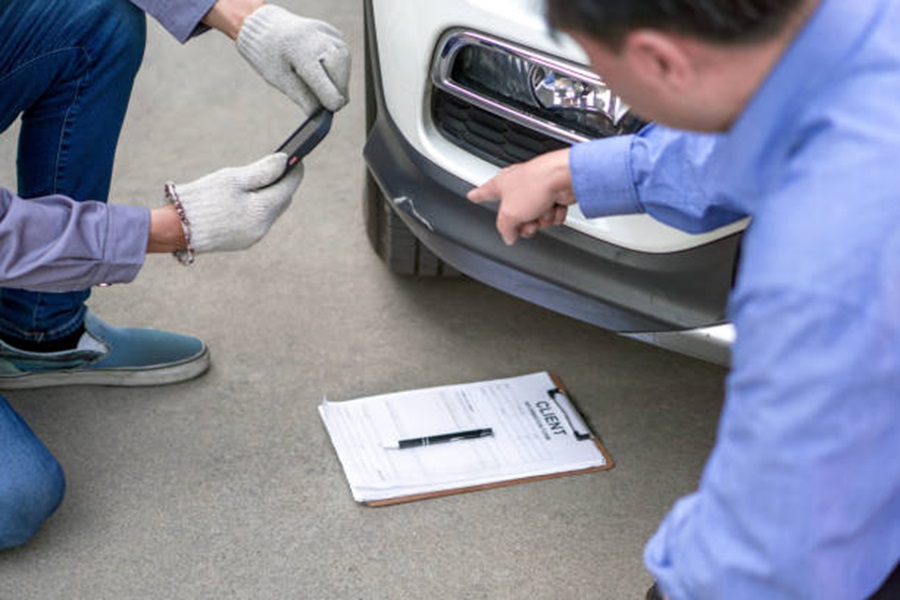
Before starting the engine, take a thorough walk around the car to identify any existing damage. Document everything with photos or videos, making sure timestamps are enabled as evidence should disputes arise.
- Look for scratches, dents, or paint chips on doors, bumpers, and panels.
- Check the condition of tires for any visible damage or low tread depth.
- Ensure that headlights, taillights, and turn signals are intact.
- Test seat adjustments and inspect upholstery for stains, tears, or wear.
- Verify that all dashboard controls function properly (e.g., air conditioning, music system).
- Confirm that no warning lights are illuminated on the dashboard when you start it.
Safety Features and Emergency Equipment
Your safety on the road is paramount. Ensure essential safety features are present and functioning correctly in your rental vehicle.
- Confirm that airbags are operational (most cars have indicators for airbag status).
- Test windshield wipers and washer fluid levels.
- Check mirrors (rearview and side) for clarity and adjustability.
- Ask if an emergency kit is included — items like jumper cables, spare tire tools, or first aid supplies can be real lifesavers.
Understand Fuel Policy
Policy Type | What It Means | Key Tip |
Full-to-Full | Pick up car with full tank; return it fully refueled | Keep receipts as proof of refueling |
Prepaid Fuel | Pay upfront for fuel; return at any level | May cost more than filling up yourself |
Adjust Features Before Driving
- Familiarize yourself with steering wheel controls.
- Pair your smartphone via Bluetooth if hands-free calling is needed.
- Set GPS navigation preferences if available.
- Adjust seats, mirrors, and steering column for comfort.
Review Rental Agreement Details
- Is this the exact make/model promised? Some companies may substitute similar vehicles without notice.
- Are mileage limits clearly defined?
- Does roadside assistance coverage apply if needed?
By diligently inspecting these aspects before driving away in your rental car, you’ll ensure not only peace of mind but also avoid unnecessary complications during or after your trip.
When a Temporary Vehicle Is the Safest Option
When your vehicle is undergoing repairs after an accident or mechanical failure, there are circumstances where using a temporary vehicle isn’t just convenient but also the safest choice for you and others on the road. Driving an unsafe or unreliable car can lead to further accidents, breakdowns, or even legal issues. This section explores the scenarios where opting for a temporary vehicle is essential for ensuring safety.
Unsafe Conditions of Your Current Vehicle
- Damaged brakes or steering systems: Makes controlling the car difficult.
- Airbag deployment: Indicates internal damage that may compromise safety.
- Cracked windshield or broken windows: Obstructs visibility and poses risks in case of collisions.
- Misaligned wheels or suspension issues: Affects safe handling of the vehicle.
Attempting to drive under any of these conditions can put you and others at risk. In such cases, transitioning to a properly maintained temporary vehicle ensures that you remain safe while waiting for repairs.
Long-Distance Travel Requirements
If you rely on your car for long-distance travel—such as commuting to work or visiting family—a damaged vehicle may not be suitable. Mechanical failures could strand you on highways or remote areas without assistance nearby. Opting for a reliable rental car can provide peace of mind when traveling longer distances.
Managing Weather Challenges
- In winter, worn-out tires from an accident might not provide enough traction on snowy roads.
- During heavy rain, malfunctioning wipers or headlights can impair visibility.
A rental equipped with up-to-date safety features like ABS brakes, all-weather tires, and functioning lighting systems ensures stability and visibility during unpredictable weather.
Protecting Passengers
If you’re responsible for transporting family members, particularly children or elderly individuals, their safety should remain a top priority. A faulty seatbelt mechanism, lack of airbags post-collision, or compromised structural design could expose passengers to unnecessary dangers. Using a reliable temporary car helps mitigate risks during this period.
Legal Compliance
Issue | Potential Legal Violation |
Broken lights | Failure to meet visibility standards |
No side mirrors | Violation of road safety rules |
Emission system failure | Environmental non-compliance |
Opting instead for a fully functional rental car will ensure that you’re compliant with local regulations while also staying safe on the road.
Enhanced Safety Features in Rentals
- Lane departure warnings
- Backup cameras
- Collision avoidance systems
- Adaptive cruise control
Switching to such options enhances overall driving security while reducing stress during repairs.
Choosing a temporary replacement isn’t just about convenience—it’s about responsibly addressing potential hazards associated with driving an impaired vehicle.