Why Every Vehicle Should Be Inspected After a Collision
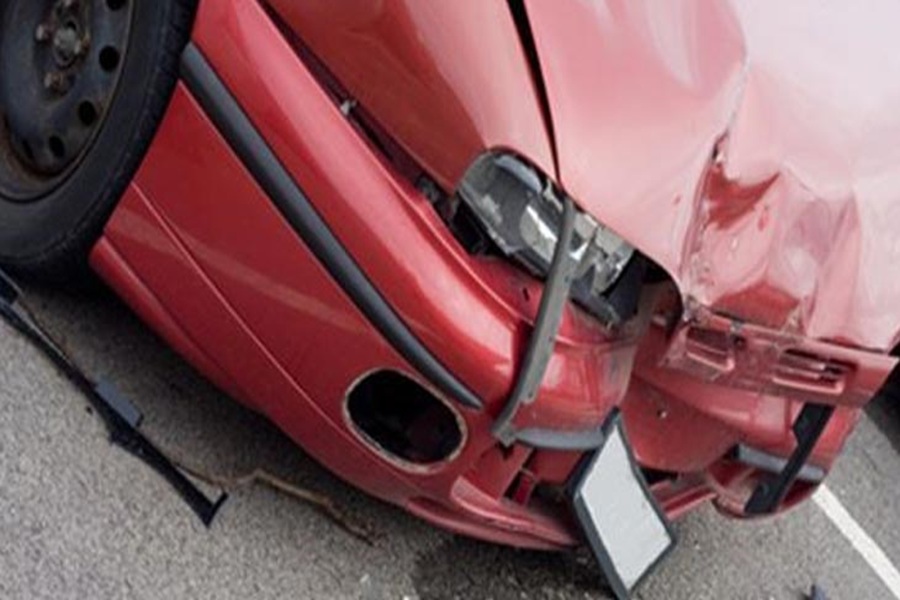
After any collision, whether it’s a minor fender bender or a more serious accident, a thorough safety inspection of the vehicle is crucial. While visible damage like dents and cracks may grab immediate attention, not all issues are apparent at first glance. Many critical components of your car could be compromised without showing obvious signs, which could potentially put you and other road users at risk.
Understanding the Risks of Hidden Damage
After an accident, there may be damage to internal systems or structural components that are not visible from the outside. Ignoring these issues can lead to:
– Compromised vehicle safety in future incidents.
– Accelerated wear and tear on parts like tires or suspension.
– Unexpected breakdowns due to undiagnosed mechanical failures.
For example, even if your car appears to drive normally after a collision, the frame may have been bent slightly, affecting how your vehicle performs during sudden stops or tight turns.
Commonly Overlooked Areas in Collisions
Certain areas of a vehicle are particularly prone to hidden damage following an accident. These include:
– Alignment and suspension systems: A small jolt can knock wheels out of alignment or stress suspension components. – Structural integrity: The impact can weaken structural areas that protect passengers during another crash. – Electronic systems: Sensors used in Advanced Driver Assistance Systems (ADAS) may become misaligned or damaged.
Why Immediate Inspection is Essential
Getting your vehicle promptly inspected after a collision is not only about repairing existing issues but also about preventing new ones from developing over time. For example: – An unaddressed issue with wheel alignment could lead to uneven tire wear, reducing traction over time. – A damaged airbag sensor might fail when you need it most in another emergency. – Minor cracks in the chassis could expand into larger structural problems if left unexamined.
Professional Inspections for Peace of Mind
While drivers might check for visible scratches or dents themselves, professional inspections go much further by utilizing advanced tools and techniques such as diagnostic scanning for electronic systems and detailed checks for structural integrity. By entrusting this process to qualified professionals:
1. You ensure that every aspect of the car’s functionality is evaluated thoroughly. 2. You reduce risks related to improperly repaired vehicles re-entering traffic. 3. You protect yourself from potential liability if undiagnosed faults cause future accidents.
In summary, while it’s easy to dismiss minor collisions as harmless events, they often have deeper consequences than meet the eye. A comprehensive post-accident safety inspection ensures that your vehicle is roadworthy again—protecting not just you but everyone around you on the road.
What a Post-Accident Safety Inspection Should Cover
A post-accident safety inspection is a critical step in ensuring a vehicle is safe to operate after a collision. Accidents, even minor ones, can cause damage that may not be immediately visible but could compromise the safety, reliability, and performance of the vehicle. A thorough inspection after an accident involves addressing key areas of concern to ensure that all systems are functioning correctly and meet safety standards.
Key Areas Covered in a Post-Accident Inspection
- Assess for visible damages such as dents, cracks, or bent frames.
- Use diagnostic tools to identify hidden frame or chassis issues.
- Ensure that crumple zones have absorbed impact properly and retain their original integrity.
- Look for scratches or chips that could lead to rust or corrosion if untreated.
- Check for mismatched paintwork, which might indicate previous repairs or unreported damage.
- Inspect the engine bay for fluid leaks (oil, coolant, brake fluid) and damaged components.
- Check the transmission for any irregularities caused by impact forces.
- Confirm proper operation of brakes, steering systems, and suspension components.
- Verify airbags have not been deployed unnecessarily or damaged during the collision.
- Examine seat belts for tensioners that may have engaged during impact.
- Test electronic driver-assist features such as lane departure warning systems or blind spot monitors.
- Ensure headlights, taillights, brake lights, indicators, and hazard lights are working properly.
- Examine battery connections for stability; replace if there are cracks or leaks in the casing.
- Test infotainment systems if they control functions critical to safety (e.g., backup cameras).
Common Tools Used During Inspection
Tool/Equipment | Purpose |
Diagnostic Scanners | Identify fault codes from onboard computers. |
Frame Alignment Machines | Detect bends or shifts in structural components. |
Thermal Cameras | Locate overheating areas in mechanical parts post-collision. |
Torque Wrenches | Tighten bolts to manufacturer-recommended settings during repair checks. |
Why Comprehensive Inspections Matter
- Protects passengers by resolving potential hazards before they escalate into serious risks while driving.
- Prevents further wear on compromised mechanical systems like suspension components or wheel bearings.
- Maintains your vehicle’s value by addressing all repairs comprehensively rather than patching visible problems only.
By covering these critical aspects of inspection after an accident, you safeguard not only your car but also its occupants from future complications caused by overlooked damage.
Checking for Hidden Structural and Mechanical Damage
After a collision, even if the damage to your vehicle looks minimal, there can be hidden structural and mechanical issues that could compromise safety and functionality. These types of damages are not always visible to the untrained eye but can have long-term consequences if left undetected.
Why Hidden Damage Matters
- Structural Integrity: The frame or chassis of your vehicle might absorb the impact of a collision even if there are no obvious dents. A weakened structural framework may not provide adequate protection in case of another accident.
- Mechanical Reliability: Key components like suspension systems, axles, or engine mounts could suffer damage that impacts performance and reliability over time. Ignoring these issues could result in costly repairs later or even an unexpected breakdown.
- Passenger Safety: Hidden damages can affect various safety features such as airbags deploying correctly or seatbelts functioning as intended.
Common Areas Where Hidden Damage Occurs
Component | Potential Issues |
Frame/Chassis | Cracks, bends, weakened joints |
Suspension System | Misaligned components, worn shocks/struts |
Engine Components | Damage to mounts, leaks in coolant or oil |
Transmission System | Misalignment causing shifting difficulties |
Wheels/Tires | Bent rims, uneven wear due to alignment |
Signs of Hidden Structural or Mechanical Damage
Even without professional tools, you may notice signs that suggest hidden damage: – Difficulty steering or vibrations while driving. – Unusual noises coming from under the hood or near the wheels. – Vehicle pulling to one side while driving. – Poor fuel efficiency (indicating engine or transmission problems).
Benefits of Professional Inspection for Hidden Damage
Having your vehicle thoroughly inspected by a certified technician ensures every potential issue is addressed. They use advanced diagnostic tools that can detect subtle problems, including: 1. Frame Measuring Systems – To identify bends or misalignments in the chassis. 2. Diagnostic Scanners – To detect internal issues with critical systems like the transmission or engine management system. 3. Alignment Machines – To verify whether suspension and steering components remain properly calibrated.
Avoiding Long-Term Risks
Without identifying and repairing hidden damage: – Your vehicle’s performance could deteriorate over time. – Safety features might fail during emergencies. – The resale value of your car may drop significantly due to unresolved structural issues.
By prioritizing an inspection for these hidden troubles after an accident—no matter how minor—it ensures that both short-term functionality and long-term reliability are preserved for you and your passengers.
Inspecting Airbags, Seat Belts, and Safety Systems
After a collision, ensuring the proper functioning of airbags, seat belts, and other safety systems is critical to maintaining vehicle safety. These components are specifically designed to protect occupants during an accident; however, even in minor collisions, their performance can be compromised. A post-accident safety inspection is essential to identify any damage or malfunctions that may not be immediately apparent.
Assessing Airbag Systems
Airbags are highly sophisticated devices that deploy at incredible speeds during a crash to reduce injury. However, once deployed (or even partially), they cannot be reused and must be replaced. Additionally: – Sensor Damage: Collision impacts can damage airbag sensors located throughout the vehicle. A professional inspection ensures these sensors are intact and operational. – Faulty Wiring: Electrical issues within the airbag system may prevent proper deployment in a future incident. – Warning Lights: Technicians will check for dashboard warning lights related to the Supplemental Restraint System (SRS), which includes airbags.
Neglecting to address airbag system issues could significantly compromise your safety during subsequent accidents.
Examining Seat Belts
Seat belts endure immense force during a collision as they restrain passengers and minimize movement. Post-accident inspections should include: – Webbing Integrity: Look for fraying, tearing, or worn areas on the belt material. – Retractor Mechanisms: Ensure that the retractors lock properly under sudden force but also retract smoothly when released. – Anchor Points: Verify that anchor points are securely fastened and undamaged.
In many cases, seat belts that have endured severe strain may need replacement since they could fail under similar conditions again.
Evaluating Advanced Safety Systems
Modern vehicles often include advanced driver-assistance systems (ADAS) such as lane departure warnings or automatic emergency braking. Even minor impacts can disrupt these systems due to: – Misaligned cameras or radars used in ADAS functionality
– Disrupted communication between software and hardware components
A professional ADAS diagnostic scan is recommended after any collision to recalibrate these systems. This ensures features perform as intended under all driving conditions.
Summary Table: Key Areas of Inspection for Safety Systems
Safety Component | Potential Issues Post-Collision | Required Action |
Airbags | Deployed airbags, damaged sensors | Replace deployed airbags; inspect sensors |
Seat Belts | Frayed belts or faulty retractors | Repair/replace damaged components |
ADAS Features | Misaligned cameras/radars | Recalibration through diagnostics |
By thoroughly inspecting airbags, seat belts, and modern safety technologies after an accident, you ensure your vehicle’s protective systems remain effective for future use. Professional evaluations provide peace of mind by addressing potential hidden risks before they escalate into larger problems.
Why Wheel Alignment and Steering Should Be Checked
After a collision, even one that seems minor, issues with wheel alignment and steering may not always be immediately noticeable but can have significant safety implications. Addressing these aspects during a post-accident inspection is crucial to ensure the vehicle is safe for you and others on the road.
The Impact of Collisions on Wheel Alignment
- Uneven Tire Wear: Misaligned wheels put uneven pressure on your tires, causing them to wear out prematurely and requiring frequent replacements.
- Steering Instability: Poor alignment affects the vehicle’s ability to maintain straight-line stability, increasing the risk of drifting or veering into other lanes.
- Reduced Fuel Efficiency: Misaligned wheels create additional resistance during driving, leading to decreased fuel economy.
- Increased Suspension Stress: Over time, misalignment can strain suspension components like shocks and struts, leading to costly repairs.
The alignment process adjusts the angles of your wheels (camber, caster, and toe) so they meet manufacturer specifications. Proper alignment ensures all four tires work together efficiently.
Why Steering Systems Need Close Attention
- Bent or Damaged Components: Tie rods, ball joints, or control arms may bend under impact forces. These components are essential for precise steering.
- Power Steering System Issues: Hydraulic or electronic-assist steering systems may develop leaks or electrical faults after a collision.
- Steering Wheel Misalignment: A crooked or off-center steering wheel often indicates deeper structural issues with chassis alignment.
Without addressing these problems promptly, you may face reduced handling precision and increased risk while driving on uneven roads or in adverse weather conditions.
Signs You May Have Alignment or Steering Problems
Symptom | Possible Cause |
Pulling to one side | Wheels out of alignment |
Uneven tire tread wear | Misaligned angles affecting pressure points |
Vibrating steering wheel | Damaged suspension or poor balance |
Off-center steering wheel | Chassis misalignment |
Strange noises during turns | Worn-out bearings or tie rod damage |
Professional Inspection Is Key
Having your vehicle’s alignment and steering system inspected by certified technicians ensures potential problems are identified early. Using advanced diagnostic tools such as computerized alignment systems allows mechanics to measure exact specifications and make precise adjustments.
For drivers operating vehicles equipped with Advanced Driver Assistance Systems (ADAS), proper calibration of these systems often depends on accurate wheel alignment settings. Ignoring this step could compromise critical safety features like lane departure warnings or adaptive cruise control.
Benefits of Regular Maintenance Post-Collision
- Enhanced safety through improved handling
- Extended lifespan for tires and suspension components
- More comfortable driving experience
- Long-term cost savings by avoiding further mechanical damage
By prioritizing this aspect during repairs, you make certain that your car remains both reliable and safe following an accident. A professional approach ensures peace of mind behind the wheel as well as compliance with manufacturers’ standards for performance integrity.
How a Final Quality Inspection Helps Ensure Your Vehicle Is Safe
After an accident, even after repairs are complete, a final quality inspection is necessary to ensure that the vehicle is truly safe to drive. This step allows repair shops and vehicle owners to verify that all damage has been repaired correctly and that the car operates as it should under various conditions. Skipping this essential step can compromise safety and lead to costly consequences down the road.
What is a Final Quality Inspection?
A final quality inspection is the last stage of the post-repair process. It involves carefully evaluating all aspects of the repair work completed on your vehicle. The purpose is to confirm:
– Repairs meet safety standards.
– All systems and components function as intended.
– No further issues remain undetected.
Key Areas Evaluated During a Final Quality Inspection
- Verifying that frame or body repairs meet manufacturers’ specifications.
- Ensuring no cracks, bends, or weak points exist in structural components.
- Confirming that key systems like brakes, suspension, and engine are functioning properly.
- Testing for unusual noises, vibrations, or performance issues during operation.
- Checking airbags, seat belts, Advanced Driver Assistance Systems (ADAS), and other critical safety features.
- Scanning for diagnostic trouble codes (DTCs) using specialized tools.
- Ensuring proper alignment of doors, hood, trunk, and panels.
- Inspecting paint application for uniformity without defects such as bubbles or mismatched colors.
- Testing lights, sensors, cameras, infotainment systems, and other electronic elements to ensure full functionality.
Benefits of a Comprehensive Final Inspection
- Enhanced Safety: Verifying repairs reduces risks associated with malfunctioning parts or systems while driving.
- Cost Savings: Catching errors early prevents expensive fixes later if something fails unexpectedly after leaving the workshop.
- Peace of Mind: Knowing your vehicle has been inspected by trained professionals helps you feel confident about driving again post-repairs.
Key Benefit | Description |
Enhanced Safety | Ensures all systems function correctly to avoid accidents post-repair |
Cost Savings | Detects any incomplete work before additional breakdowns or failures occur |
Peace of Mind | Gives drivers confidence their car meets manufacturer safety standards |
Why Professional Expertise Matters
A final quality inspection requires specialized tools like diagnostic scanners for newer vehicles equipped with ADAS technology and experienced technicians who understand manufacturer specifications deeply. DIY inspections often miss hidden errors that could impact long-term performance or safety.
For example: If an ADAS system isn’t properly calibrated after windshield replacement or collision repair involving sensors/cameras, it may fail to provide critical lane departure warnings when needed most—putting drivers at risk unknowingly.
By choosing a professional repair shop committed to thorough inspections at every stage—including this final one—you’re ensuring both short-term reliability and long-term durability for your vehicle following an accident scenario.
How a Final Quality Inspection Helps Ensure Your Vehicle Is Safe
After an accident, ensuring your vehicle is returned to a roadworthy condition is critical for both safety and peace of mind. A final quality inspection serves as the last line of defense in ensuring all repairs have been properly completed and that the vehicle is safe for operation. This step isn’t just about examining visible fixes; it involves meticulous checks to confirm that every aspect of the repair process meets safety standards.
Key Elements of a Final Quality Inspection
- Verification that all structural repairs (e.g., frame realignment or panel replacements) are completed accurately.
- Checking for proper welds and adherence to manufacturer guidelines.
- Ensuring mechanical components such as brakes, suspension, and steering systems are functioning as intended.
- Testing for any residual issues caused by collision forces, such as unusual noises or vibrations during operation.
- Inspecting the paint job for a seamless finish without mismatched colors or textures.
- Ensuring replaced body panels align correctly with no visible gaps or uneven surfaces.
- Reassessing airbags, seat belts, and other active restraint systems to confirm functionality post-repair.
- Checking Advanced Driver Assistance Systems (ADAS) like lane departure warnings and collision sensors for proper calibration after repairs.
Why Thoroughness Matters
Skipping or rushing through a final quality inspection can lead to undetected issues resurfacing later, which may compromise safety on the road. A poorly repaired vehicle can not only fail to protect you during future incidents but may also lead to costly repairs down the line if problems go unnoticed initially.
Professional Expertise Counts
A certified repair shop will prioritize using trained technicians who follow strict protocols during this stage of the process. They also leverage advanced diagnostic tools to detect even minute imperfections that could go unnoticed by manual inspections alone.
Questions You Should Ask Post-Inspection
- Was my vehicle’s frame inspected for structural integrity?
- Were all safety systems tested post-repair?
- Is there documentation confirming ADAS recalibration?
- What warranties are provided on parts and labor?
A comprehensive final quality inspection not only ensures safety but also provides you with confidence in your car’s reliability after an accident—a peace of mind every driver deserves while on the road again.