Why Your Car’s Paint is Chipping: Common Causes and What You Need to Know
Chipping paint on your car can be frustrating and unsightly, but understanding the reasons behind it can help you address the issue effectively. Several factors contribute to paint chipping, ranging from environmental conditions to everyday wear and tear. Below, we’ll explore some of the most common causes and what you should know about them.
Common Causes of Paint Chipping on Cars
- Road Debris
Road debris such as gravel, small stones, or loose asphalt kicked up by other vehicles can strike your car’s surface at high speeds. These impacts may create small chips on the paintwork, especially in areas like the front bumper or hood. - Exposure to Harsh Weather Conditions
Extreme weather conditions like heavy rain, hail, or strong winds can damage your car’s paint over time. For instance: - Rainstorms: Acid rain contains pollutants that deteriorate paint layers.
- Hailstorms: Impact from hailstones causes dents and chips.
- Sun Exposure: Prolonged exposure to UV rays fades and weakens the topcoat.
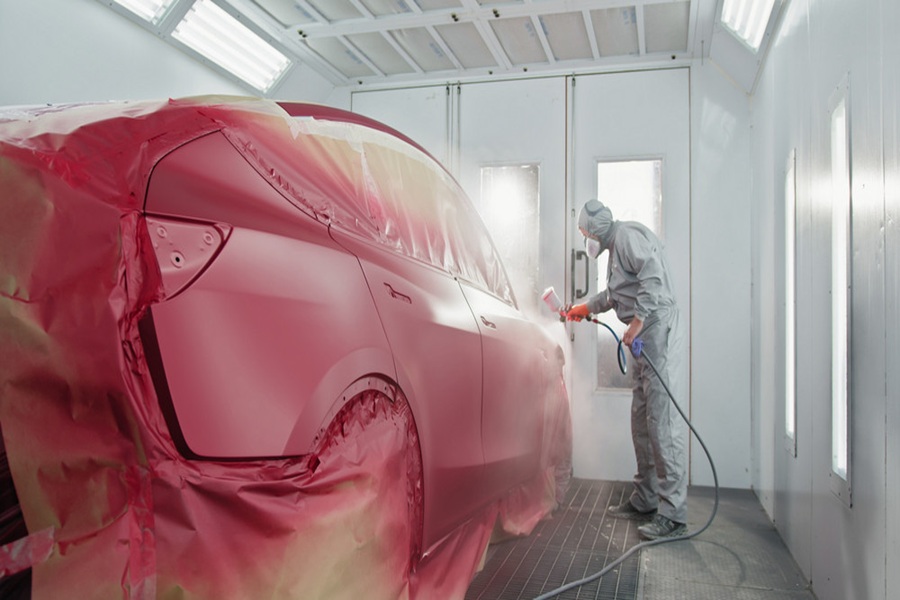
- Poor Quality Paint Application or Repairs
Cars painted with low-quality materials or improper techniques are more likely to suffer from premature chipping. This may occur due to: - Lack of proper surface preparation before painting.
- Use of subpar primers or clear coats.
- Improper curing of the paint during manufacturing or after repairs.
- Chemical Exposure
Certain chemicals found in cleaning agents, road salts, gasoline spills, or bird droppings can react with your vehicle’s paint layer and weaken it over time. - Driving Habits
Aggressive driving habits that involve frequent travel on gravel roads, construction zones, or poorly maintained streets increase the likelihood of encountering debris that can chip away at your car’s exterior coating.
Signs That Your Car’s Paint May Be Vulnerable
It is essential to look for early warning signs that indicate potential problems with your vehicle’s paint durability: – Small cracks in certain areas. – Uneven fading or discoloration. – A rough texture on specific parts of the bodywork.
Addressing these issues promptly can help prevent further degradation.
Preventive Measures for Reducing Paint Chipping
Taking proactive steps is key to preserving your car’s appearance and extending its life span: – Install a clear bra (paint protection film) on vulnerable spots like the hood and bumper. – Wash your car regularly using pH-balanced cleaners to remove dirt and harmful residues. – Park indoors when possible to shield it from harsh environmental conditions. – Avoid driving too close behind other vehicles on gravel roads.
Comparison Table: Factors Leading to Paint Chipping vs Preventive Actions
Cause | Preventive Measure |
Road Debris | Install a clear bra/protection film |
Chemical Damage | Use chemical-safe cleaning products |
UV Ray Exposure | Park in shaded/indoor areas |
Poor Quality Painting | Opt for professional repair services |
By understanding these common causes and taking proactive measures, you can protect your vehicle’s exterior while maintaining its aesthetic appeal over time.
The Impact of Environmental Forces on Your Car’s Paint Durability
Environmental factors play a significant role in the longevity and overall condition of your car’s paint. While modern automotive paint is designed to withstand various external elements, prolonged exposure to certain environmental conditions can gradually wear it down, leading to chipping, peeling, or fading. Understanding these forces can help you take preventative measures to protect your vehicle’s finish.
1. Sunlight and UV Radiation
One of the most aggressive environmental contributors to paint damage is prolonged exposure to sunlight. UV radiation can break down the clear coat, which protects the paint layer underneath. Over time, this leads to:
– Oxidation: A dull or cloudy appearance on the surface of the paint.
– Fading: Loss of vibrancy and color intensity due to pigment breakdown.
Ways to Minimize Sun Damage:
- Park in shaded or covered areas whenever possible.
- Use a high-quality car cover for extended outdoor parking.
- Apply wax or ceramic coatings with UV protection properties.
2. Acid Rain
Acid rain occurs when pollutants like sulfur dioxide and nitrogen oxides mix with moisture in the atmosphere, creating acidic precipitation. When acid rain dries on your car’s surface, it can etch into the clear coat and even damage the underlying paint layer if not removed promptly.
Preventative Tips:
- Wash your car regularly after rainfall, especially in industrial or urban areas.
- Use pH-balanced automotive shampoos during cleaning.
- Apply protective sealants that create a barrier against contaminants.
3. Bird Droppings and Tree Sap
Organic substances such as bird droppings and tree sap may seem harmless at first glance but are highly corrosive due to their acidic nature. Left unattended, these deposits can eat through layers of paint over time.
How to Address These Issues:
Problem | Solution | Prevention Tips |
Bird Droppings | Remove immediately with a soft cloth and water-based cleaner. | Park away from trees where birds often perch. |
Tree Sap | Use an alcohol-based solution or specialized sap remover. | Avoid parking under sap-producing trees like pines. |
4. Road Salt in Winter Conditions
In snowy regions, road salt is often used to melt ice on streets during winter months. Unfortunately, road salt is highly abrasive and accelerates both rust formation and paint degradation when left on your vehicle.
Protection Measures:
- Frequently rinse your car during winter months using pressurized water.
- Consider applying an undercarriage treatment along with protective wax for added safety.
5. Windborne Sand and Dust
Wind carrying fine particles like sand or dust may act as abrasive materials that slowly chip away at your vehicle’s surface when traveling at high speeds or parked in windy regions.
How You Can Protect Your Car:
- Install mud flaps behind wheels to reduce debris spray onto lower panels.
- Regularly wash off dust build-up before it hardens into micro-scratches.
By understanding these environmental factors that affect your car’s paint durability, you can take proactive steps toward maintaining its finish for years while avoiding costly repairs or repainting jobs later down the line.
Understanding How Road Debris Contributes to Paint Chipping on Vehicles
Road debris is one of the most common contributors to paint chipping on vehicles. While modern automotive paints are designed to be durable, they are not impervious to damage caused by external factors such as gravel, dirt, and other particles encountered during regular driving. Below, we explore how road debris affects your car’s paint and what steps you can take to minimize this type of damage.
How Road Debris Damages Paint
- Impact Damage: Rocks and stones kicked up by other vehicles can strike your car’s surface with significant force, creating chips in the paint.
- Abrasion: Sand and fine particles cause gradual wear on the paint as they grind against the surface over time.
- Scratches from Loose Debris: Loose branches or other items swept up onto the road may scratch your vehicle’s exterior if you drive through them.
Areas Most Affected by Road Debris
Vehicle Area | Reason for Vulnerability |
Front Bumper | Leading edge makes direct contact with airborne debris |
Hood | Close proximity to flying particles kicked up by tires |
Wheel Wells | Constant exposure to road grit and loose materials |
Side Panels & Doors | Impact from passing vehicles or roadside hazards |
Factors That Increase Paint Chipping From Debris
- High-Speed Driving: Faster speeds increase the force with which debris strikes the surface.
- Rural or Gravel Roads: These environments have higher concentrations of loose rocks and dirt.
- Proximity to Other Vehicles: Driving too closely behind others increases exposure to debris thrown up by their tires.
Preventative Measures Against Paint Chipping
- Apply a Clear Paint Protection Film (PPF)
This transparent layer acts as a shield against minor abrasions and impacts without altering your car’s appearance. - Maintain Proper Following Distance
Avoid driving too closely behind trucks or cars, especially on gravel roads where larger amounts of debris are likely. - Invest in Mud Flaps
Installing mud flaps reduces the amount of grit thrown up onto sensitive areas like wheel wells and lower panels. - Regular Cleaning
Washing removes abrasive particles that could wear down protective coatings over time.
Repairing Paint Chips Caused by Road Debris
- Use touch-up paint kits for small chips.
- Consider professional repainting for extensive damage.
- Seal repaired areas with a clear coat for added protection.
By understanding how road debris contributes to paint chipping on vehicles and implementing preventative measures, you can help preserve the appearance and longevity of your car’s finish while reducing costly repairs down the line.
How Temperature Fluctuations Can Lead to Car Paint Damage and Peeling
Temperature changes can have a significant impact on your car’s paint. While paint may appear durable, it is highly sensitive to environmental factors, especially rapid temperature fluctuations. Understanding how these changes affect your vehicle can help you take steps to protect its finish from damage and peeling.
The Science Behind Temperature Changes and Paint Damage
- Cracking: Small cracks can develop in the surface layer of paint due to repeated expansion and contraction cycles.
- Peeling: Weak spots in cracked areas are more likely to peel away over time.
- Loss of Adhesion: The bond between the primer, paint, and clear coat worsens with prolonged exposure to extreme temperature variations.
Extreme Cold vs. Intense Heat: How Each Affects Paint
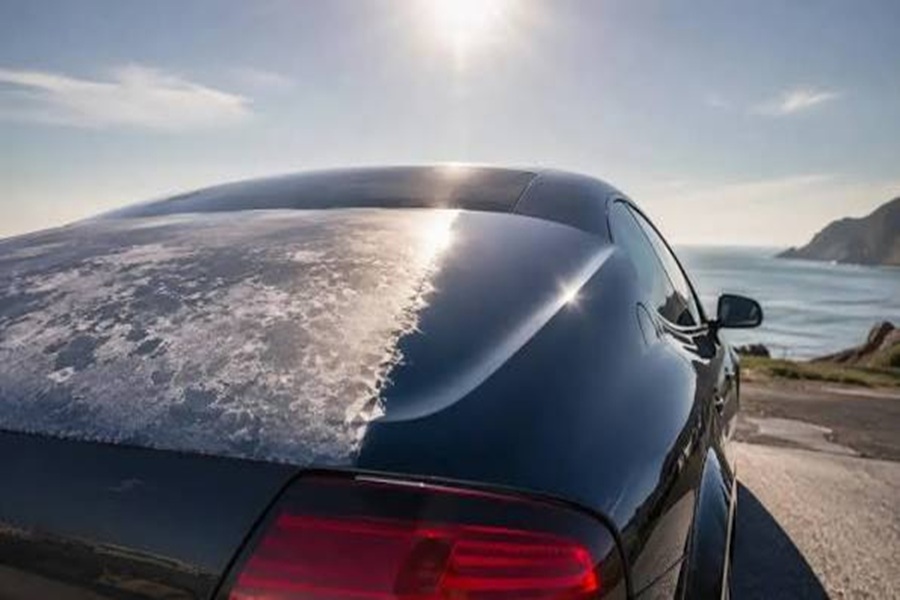
- Freezing temperatures can cause moisture trapped under or within the paint layers to expand, leading to cracking.
- Frost formation on poorly-protected vehicles may create micro-abrasions when scraped off improperly.
- Prolonged exposure to direct sunlight softens the clear coat layer, making it more susceptible to scratches or wear.
- UV rays from sunlight accelerate oxidation, leading to fading or discoloration over time.
- Changes such as driving from a heated garage into freezing outdoor conditions (or vice versa) intensify thermal stress on your car’s surface.
- In regions with fluctuating climates, this cycle repeats frequently, contributing significantly to premature paint problems.
Preventing Temperature-Related Paint Damage
Prevention Method | Benefits |
Park Indoors When Possible | Reduces exposure to extreme heat or cold by sheltering your vehicle. |
Use a Car Cover | A high-quality cover helps insulate against temperature changes outdoors. |
Wax Regularly | Adds a protective layer that shields against UV rays and harsh weather. |
Avoid Abrupt Heating/Cooling | Let your car adjust gradually when moving between climate extremes. |
Signs That Temperature Fluctuations Are Damaging Your Car’s Paint
To catch potential issues early, watch for these warning signs: – Fading or dull appearance of previously glossy surfaces – Small cracks forming along edges or corners – Bubbling or blisters under the topcoat – Visible peeling areas exposing bare metal underneath
Addressing these problems promptly can prevent further deterioration.
Understanding how temperature fluctuations impact automotive paint will allow you to better safeguard your investment. Proper care not only enhances aesthetics but also preserves resale value while reducing long-term maintenance costs for your vehicle’s exterior finish.
How Temperature Fluctuations Can Lead to Car Paint Damage and Peeling
Temperature fluctuations can significantly impact the durability and appearance of your car’s paint. Sudden changes in temperature, especially when extreme heat or freezing conditions are involved, may lead to paint chipping, cracking, or peeling. Understanding how these factors contribute to paint damage can help you take preventive measures.
Effects of Temperature on Car Paint
- When temperatures rise and fall rapidly, the metal surface beneath the paint expands and contracts. This movement can cause stress on the layers of paint, leading to cracks or chips over time.
- Over time, these small cracks can worsen as water, dirt, and other contaminants infiltrate them.
- Continuous exposure to excessive heat causes the clear coat (protective layer) to deteriorate.
- UV rays from sunlight break down the chemical bonds in the paint, making it more prone to fading and peeling.
- Cold weather can make the paint brittle and more susceptible to cracking under stress.
- If moisture seeps into minor imperfections in your car’s exterior before freezing temperatures hit, this moisture will expand as it freezes. This expansion exerts pressure on the surrounding paint layers, possibly leading to flaking.
Common Scenarios Where Temperature Plays a Role
Scenario | Impact on Paint | Preventive Steps |
Rapid temperature shifts | Causes material stress that leads to cracks or chipping | Avoid parking outdoors during extreme conditions |
Excessive sun exposure | Fades color; damages protective clear coat | Use a UV-protective wax; park in shaded areas |
Freezing winters | Expands trapped moisture, worsening existing imperfections | Wash and dry regularly; apply protective coatings |
Preventing Paint Damage Due to Temperature Changes
To minimize temperature-related damage:
– Use a car cover: A high-quality car cover shields your vehicle from extreme heat or cold when parked outdoors.
– Invest in shaded parking: Parking under shelter reduces prolonged sun exposure as well as sudden cooling caused by frost during wintertime nights.
– Apply protective coatings: Ceramic coatings or wax treatments add an additional layer of protection against UV rays while helping repel dirt and moisture that could exacerbate damage during freeze-thaw cycles.
Key Takeaways
Temperature fluctuations are a natural part of weather cycles but understanding their effects on automotive paint makes it easier for car owners to take precautionary steps before significant damage occurs. Regular maintenance—such as protective treatments combined with mindful storage practices—can extend your vehicle’s exterior longevity while maintaining its visual appeal over time.