How Collision Damage Can Affect Vehicle Safety
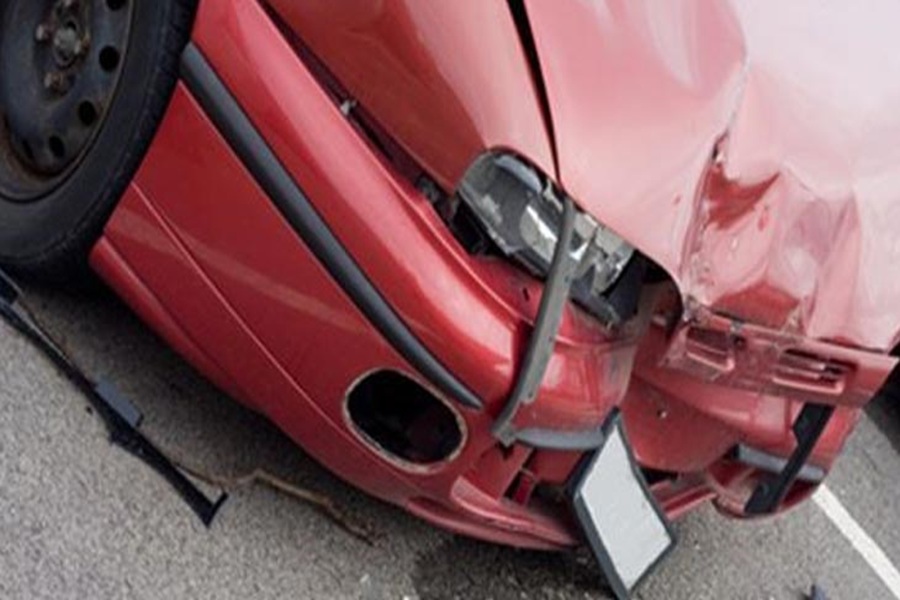
When a vehicle is involved in a collision, the damage it sustains goes beyond cosmetic concerns. Beneath the surface, even minor accidents can compromise critical safety systems that are vital for protecting passengers. Understanding how collision damage impacts vehicle safety is essential to ensuring your family’s well-being on the road.
Compromised Structural Integrity
The structural framework of your car — often referred to as the crumple zone or chassis — is designed to absorb and distribute the force of an impact during an accident. When these areas are damaged:
– The ability of the vehicle to absorb future collisions can be significantly reduced.
– Stress points may form, making the frame more susceptible to bending or breaking in subsequent impacts.
– Misaligned frames may also affect how doors open and close, potentially trapping occupants during emergencies.
Impact on Safety Features
Modern vehicles rely on safety features like airbags, seat belts, and crumple zones working cohesively. Collision damage can disrupt this synchronization:
– Airbags: Sensors that deploy airbags might malfunction if internal wiring or components were damaged in an accident.
– Seatbelts: Seatbelt components, such as retractors and tensioners, may fail to operate properly after being stressed in a crash. – Crash Sensors: These sensors detect impact and trigger safety mechanisms; even slight misalignment can lead to delayed responses during future collisions.
Deterioration of Handling and Performance
Collision damage can affect steering alignment, suspension systems, and tires: – Poor alignment can make a vehicle harder to control during daily driving or emergency maneuvers. – Damaged suspension parts may lead to uneven tire wear or reduced road grip. – Issues with braking systems could increase stopping distances.
Long-Term Risks if Left Unaddressed
If collision repairs are not done promptly or correctly:
1. Rust and corrosion may begin forming on exposed metal areas where paint has chipped away due to impact.
2. Hidden issues like weakened welds or bent subframes might worsen over time under normal driving conditions, posing unforeseen risks later.
Area Affected by Collision | Potential Risk if Not Repaired |
Crumple Zones | Reduced ability to absorb crash forces |
Airbag Sensors | Malfunctioning airbag deployment |
Steering/Alignment | Difficult handling, increased wear on tires |
Suspension | Reduced stability and performance |
The Invisible Damage Dilemma
One of the most concerning aspects of collision damage is what you can’t see with the naked eye: – Hidden damages beneath panels often go unnoticed without thorough inspections. – Advanced materials like aluminum or high-strength steel require specialized tools for repair; improper handling could weaken them further.
Proper collision repair not only restores your car’s appearance but also ensures that its hidden safety mechanisms continue functioning as intended. If left unaddressed or repaired improperly, these vulnerabilities could put your family at risk on the road again.
By choosing a trusted auto body shop that prioritizes quality repairs using manufacturer-approved methods (more about this later), you’re taking steps toward protecting what matters most—your loved ones’ safety while traveling together in your vehicle.
Why Structural Repairs Must Be Done Correctly
When a vehicle is involved in a collision, the structural integrity of the car can be significantly compromised. The structure, or frame, of the car is designed to absorb and distribute impact forces to protect occupants during an accident. Improper repairs to this structure can lead to serious safety risks for you and your family. Below, we explore why precise, professional structural repairs are essential.
The Role of Vehicle Structure in Safety
Modern vehicles are engineered with advanced structures that include crumple zones, reinforced passenger compartments, and unibody frames. These components serve critical purposes:
– Crumple zones: Absorb impact energy during a crash to minimize the force transferred to passengers.
– Reinforced passenger compartments: Protect occupants by maintaining their space even during severe collisions.
– Unibody frames: Provide a lightweight yet rigid foundation that supports the vehicle’s overall stability and crash safety systems.
If these areas are not restored to their original condition after a collision, it can affect how the car behaves in future accidents.
Risks of Improper Structural Repairs
Poorly executed structural repairs can result in both visible and hidden safety concerns. Some common risks include:
– Reduced crashworthiness: The vehicle may not be able to absorb or distribute impact forces effectively in another accident.
– Misaligned frames: A misaligned frame can cause handling issues, uneven tire wear, or compromised suspension performance.
– Weakened materials: If inferior materials or incorrect welding techniques are used during repairs, the repaired areas may fail under stress.
Importance of Professional Repair Techniques
Ensuring proper repair involves following manufacturer specifications and using specialized tools and equipment. Key factors include:
1. Use of factory repair manuals: These documents provide detailed instructions on repairing specific makes and models. 2. Welding standards adherence: Proper welding techniques ensure strength and durability in repaired areas. 3. Structural measuring systems: Advanced equipment ensures that the vehicle’s frame is straightened with millimeter-level precision. 4. Replacement of damaged parts with OEM (Original Equipment Manufacturer) components: Using genuine parts ensures compatibility with existing systems.
Element | Importance |
Welding Techniques | Ensures durability and prevents weak spots in repaired areas |
Frame Alignment | Restores handling characteristics and avoids uneven stress on components |
OEM Parts | Maintains structural integrity as they are specifically designed for your car’s make/model |
Long-Term Implications for Your Family’s Safety
Compromised structural integrity doesn’t just pose a one-time risk; it has long-term implications for your family’s road safety: – A car with improperly repaired structure may fail safety inspections or tests. – Hidden damage from poor repairs could worsen over time without noticeable symptoms until it’s too late. – In subsequent collisions, improperly repaired vehicles often do not perform as intended by manufacturers when absorbing crash forces.
Proper structural repair is about more than just fixing what you see; it’s about restoring the unseen elements that safeguard lives in emergencies.
By choosing an experienced auto body shop that uses certified technicians trained on manufacturer guidelines, you protect your family from unnecessary risks associated with unsafe repairs while ensuring peace of mind on every journey.
The Importance of Restoring Airbags and Safety Systems
When a vehicle has been in a collision, it’s not just the exterior that suffers damage. Modern vehicles are equipped with advanced safety systems — including airbags, seatbelt pre-tensioners, and crash sensors — that are designed to protect passengers during an accident. After a collision, ensuring these systems are fully restored is critical to the safety of your family.
How Airbags Work and Why They Need Restoration
Airbags deploy in milliseconds during an impact to prevent serious injuries by cushioning occupants from hard surfaces like dashboards or side panels. However, once deployed, airbags cannot be reused. Post-collision repairs must include replacing deployed airbags and resetting or replacing the related sensors.
Neglecting proper airbag restoration can lead to:
– Increased injury risks in future collisions. – Non-deployment during critical moments. – Faulty deployment due to incorrect installations.
Certified repair shops use Original Equipment Manufacturer (OEM) parts to ensure airbags function as intended. Attempting cheaper fixes or using non-OEM parts may compromise their functionality.
The Role of Supplemental Restraint Systems (SRS)
The airbag system is part of the larger Supplemental Restraint System (SRS), which works alongside seatbelts for maximum protection. Components like seatbelt tensioners and impact sensors must also be inspected after a collision. A malfunctioning SRS system can result in:
– Delays in airbag deployment. – Seatbelts failing to lock properly during sudden stops.
Vehicle diagnostics tools are used by professional repair facilities to scan for any errors in the SRS system after repairs are completed.
Advanced Safety Features That Require Attention
Modern vehicles often come equipped with advanced driver-assistance systems (ADAS), such as forward-collision warnings and lane-departure alerts. These systems rely on an intricate network of cameras, radars, and sensors integrated into the car’s structure. A seemingly minor fender bender can misalign these components, leading to:
– Reduced accuracy of ADAS functions. – False alerts or missed warnings while driving.
Proper recalibration is required after repairing these systems. Neglecting this step could leave your vehicle’s safety features unreliable when you need them most.
Airbags & Safety System Checklist Post-Collision | Why It Matters |
Replace all deployed airbags | Ensures full protection in future accidents |
Inspect/reset crash sensors | Avoids false readings or failure in emergencies |
Recalibrate ADAS components | Maintains accuracy for safety alerts |
Verify seatbelt tensioner operation | Ensures belts lock properly during sudden impacts |
Key Takeaways
Restoring airbags and safety systems should never be overlooked after an accident. These components are essential safeguards for keeping your family safe on the road. By choosing a qualified auto body shop that adheres to manufacturer guidelines and utilizes appropriate diagnostic tools, you ensure that every element of your car’s protection network is functioning optimally before returning it to service.
How ADAS Systems Can Be Affected by Collision Damage
Advanced Driver Assistance Systems (ADAS) are a fundamental part of modern vehicles, enhancing safety and reducing the risk of accidents by assisting drivers with tasks like braking, steering, and maintaining lane position. However, after a collision, the precision of these systems can be compromised in ways that might not be immediately visible. This makes it crucial to understand how ADAS can be affected and why proper repair is essential.
What Are ADAS Systems?
- Lane Departure Warning (LDW): Alerts drivers if they unintentionally drift out of their lane.
- Automatic Emergency Braking (AEB): Detects obstacles and applies brakes automatically to avoid collisions.
- Blind Spot Monitoring: Warns drivers about vehicles in their blind spots.
- Adaptive Cruise Control: Automatically adjusts speed to maintain a safe following distance.
These systems rely on sensors, cameras, radars, and other components that are sensitive to even minor misalignments or damage.
How Collisions Impact ADAS Components
- Cameras and radar sensors mounted on bumpers or windshields must remain precisely calibrated for accurate readings.
- A small impact can cause them to shift or become damaged, resulting in errors such as false alarms or failure to detect objects.
- Dirt, scratches, or cracks on the windshield or lens housing can obstruct camera visibility.
- This reduces system accuracy for features like lane-keeping assistance.
- Many ADAS components are connected via advanced wiring systems that may be severed during impact.
- Damaged wiring can cause intermittent failures or complete loss of function.
- If bodywork near sensor locations (e.g., bumpers) is repaired incorrectly or replaced with non-OEM parts, it may interfere with the intended positioning of sensors.
- After repairs, many ADAS features require recalibration using specialized equipment so they function properly again.
- Skipping this step leaves the systems unreliable—or worse—dysfunctional when you need them most.
Why Recalibration Is Non-Negotiable
- Lane assist might misread painted lines as barriers.
- The emergency braking system may fail to activate when needed.
- Adaptive cruise control could misjudge stopping distances.
Proper recalibration requires advanced diagnostic tools operated by trained technicians who understand each vehicle’s unique ADAS configurations—underscoring the importance of choosing an experienced repair shop.
Ensuring Proper Repairs for ADAS
- Choose repair shops certified by your vehicle’s manufacturer—they’re more likely to have access to OEM guidelines for recalibrating ADAS systems.
- Ask if specialized tools will be used for sensor alignment and calibration during repairs.
- Confirm that technicians are trained in working with complex electronic systems like radar and lidar technology.
A proper collision repair process goes beyond cosmetic fixes; it must also address hidden yet critical issues affecting modern driving technologies like ADAS. Ensuring these systems are restored accurately protects not only your investment but also your family’s safety on the road.
Why Proper Parts and Repair Methods Matter
When it comes to collision repair, the parts used and the methods applied significantly impact the safety, performance, and longevity of a vehicle. Proper parts and repair techniques ensure that your car is restored to its pre-accident condition, safeguarding both the structural integrity of the vehicle and the well-being of those inside it.
The Role of OEM vs. Aftermarket Parts
- OEM Parts: These come directly from the vehicle’s manufacturer and are designed to meet exact specifications for fit, function, and safety. They ensure that your car performs as intended.
- Aftermarket Parts: While often cheaper, aftermarket parts may not perfectly match your car’s original design. This can lead to improper fits or reduced performance in terms of safety or durability.
Feature | OEM Parts | Aftermarket Parts |
Fit | Precise | May vary |
Safety | Designed to meet manufacturer specs | May not meet original standards |
Warranty | Often backed by vehicle warranty | May void warranties |
Cost | Higher | Lower |
Why Repair Methods Must Align with Manufacturer Standards
Every vehicle brand has specific guidelines on how repairs should be performed after a collision. These guidelines include welding procedures, material usage, bonding methods, paint refinishing processes, and more.
Adhering to these factory-approved methods is crucial: – Preservation of Structural Integrity: Improper welds or adhesives can weaken key components, reducing crash protection. – Prevention of Future Issues: Cutting corners may lead to water leaks, corrosion, or premature wear. – Functionality of Safety Systems: Modern vehicles rely on integrated systems like airbags and Advanced Driver-Assistance Systems (ADAS). Repairs that deviate from manufacturer instructions can compromise their operation.
Risks of Improper Repairs
When improper parts or techniques are used in collision repair: – Airbags might not deploy correctly in future accidents. – Crumple zones may fail to absorb impact effectively. – Sensors for ADAS features could malfunction.
For instance: A poorly aligned bumper might cause sensors like lane departure warning or automatic braking systems to misread signals. This could put drivers at risk on highways or in emergency situations.
Tips for Ensuring Proper Repairs
To make sure your vehicle is repaired with proper parts and methods: 1. Verify that the shop uses OEM-certified replacement parts whenever possible. 2. Ask if technicians follow manufacturer-recommended procedures. 3. Research certifications such as I-CAR Gold Class designation for shops trained in advanced repair techniques. 4. Request a detailed invoice specifying all repairs performed along with part types used.
Investing time into understanding what goes into repairing your car protects both its value and—more importantly—the safety of your loved ones while driving.
How Quality Inspections Help Identify Repair Problems
When a vehicle undergoes collision repairs, a thorough quality inspection is critical to ensure the repair process has restored the car to its pre-accident condition. Proper inspections not only guarantee safety but also help identify overlooked issues, defective parts, or improper repair methods that could compromise the vehicle’s performance or endanger its occupants. Below is an overview of how quality inspections play a pivotal role in identifying and addressing repair problems.
Detecting Structural Flaws
- Misaligned frames: Misalignment can affect steering and handling.
- Weld inconsistencies: Poor welding can weaken structural integrity.
- Invisible cracks: Small cracks in critical areas can grow over time and compromise safety.
Inspectors often use advanced diagnostic tools like laser measurements and frame machines to confirm that the structure meets manufacturer specifications.
Verifying Functionality of Key Safety Systems
- Airbags are properly installed and responsive.
- Seatbelt mechanisms are functional without internal damage.
- ADAS sensors (e.g., cameras, radar) are calibrated after repairs.
Ensuring Paint and Bodywork Quality
- The paint match with the original factory finish.
- Proper corrosion protection for any exposed metal areas post-repair.
- Panel alignment for gaps or uneven surfaces.
This step ensures durability as well as maintaining vehicle value.
Inspection Focus Area | Potential Issue Identified | Why It Matters |
Structural Components | Frame misalignment, weak welds | Compromises crashworthiness |
Safety Systems | Faulty airbags, uncalibrated ADAS sensors | Reduces effectiveness during emergencies |
Paint/Body Repairs | Uneven panels, lack of corrosion protection | Affects durability and resale value |
Preventing Long-Term Issues
- Improperly repaired cooling systems can lead to overheating.
- Electrical system malfunctions due to damaged wiring could cause future reliability issues.
Quality inspections include checks for these hidden defects to prevent costly fixes down the road.
The Expertise Behind Quality Inspections
The effectiveness of quality inspections ultimately depends on who’s performing them. Skilled technicians with certifications from organizations like I-CAR (Inter-Industry Conference on Auto Collision Repair) bring expertise in spotting even minor discrepancies that could impact vehicle performance or safety.
By ensuring every part of your vehicle meets manufacturer standards post-collision repair, quality inspections act as a safeguard against potential risks while giving you peace of mind on the road.
Choosing an Auto Body Shop That Prioritizes Safety
Selecting the right auto body shop after a collision is crucial to ensuring your vehicle is repaired in a way that prioritizes your family’s safety. Not all repair shops adhere to the same standards, and choosing one that emphasizes safety can make all the difference in protecting your loved ones on the road. Below are key considerations and actionable tips for making this important decision.
Look for Certifications and Training
One of the most reliable indicators of a quality repair shop is its certifications. Certification programs ensure that technicians are trained to meet industry safety standards and understand modern vehicle technologies.
- I-CAR Gold Class Certification: This designation indicates that a facility invests in ongoing training for its technicians in the latest repair techniques.
- Manufacturer Certifications: Many automakers certify specific body shops to work on their vehicles. These certifications mean the shop uses approved tools, techniques, and parts recommended by the manufacturer.
- ASE (Automotive Service Excellence) Certification: Technicians with this certification have demonstrated expertise in various aspects of auto repair, including collision damage.
Make sure you verify these credentials before entrusting your vehicle to any shop.
Verify Use of OEM Parts
Original Equipment Manufacturer (OEM) parts are designed specifically for your vehicle’s make and model, ensuring proper fit, functionality, and safety performance. Some shops may use aftermarket or salvaged parts instead, which could compromise safety features like crumple zones or airbag deployment systems.
Ask these questions about parts:
1. Are OEM parts used exclusively?
2. If aftermarket parts are suggested, what impact might they have on my vehicle’s performance and safety?
3. Can I review the written estimate or invoice to confirm what type of parts were installed?
Assess Repair Methods
The way repairs are carried out can influence how well your car performs in another accident. Shops following outdated or subpar methods may overlook critical structural damage or fail to properly calibrate advanced systems like ADAS (Advanced Driver Assistance Systems).
What to look for:
– Use of factory-approved procedures, such as how welds are executed or structural components restored. – Accreditation through organizations like VeriFacts Automotive, which audits shops’ adherence to proper methodologies.
Evaluate Customer Reviews and Reputation
Customer reviews provide insight into a shop’s reliability as well as its commitment to safety-oriented repairs. Look beyond ratings alone—focus on specific feedback related to post-repair performance, transparency about estimates, and communication throughout the process.
Questions when researching online reviews:
– Do reviewers mention feeling confident in their vehicle’s safety after repairs?
– Are there complaints about incomplete or rushed work?
Ask About Post-Repair Inspections
A reputable auto body shop will perform quality control checks once repairs are complete to ensure everything has been restored correctly. Some even partner with third-party inspectors who specialize in collision repair assessments.
Seek Transparency in Estimates
A trustworthy body shop won’t hesitate to provide clear explanations for repairs listed on an estimate. They should be willing to detail why specific procedures or replacement parts are necessary for restoring your car safely.
What transparency looks like: – A detailed breakdown of labor hours required for each aspect of repair – Identification of all replacement parts with part numbers – Straightforward answers when you ask how recommended repairs impact safety
By carefully evaluating these factors when choosing an auto body shop, you can feel confident knowing you’ve selected a repair team committed to protecting your family’s well-being while restoring your vehicle back to pre-collision condition.