What Is Clear Coat Failure and What Does It Look Like?
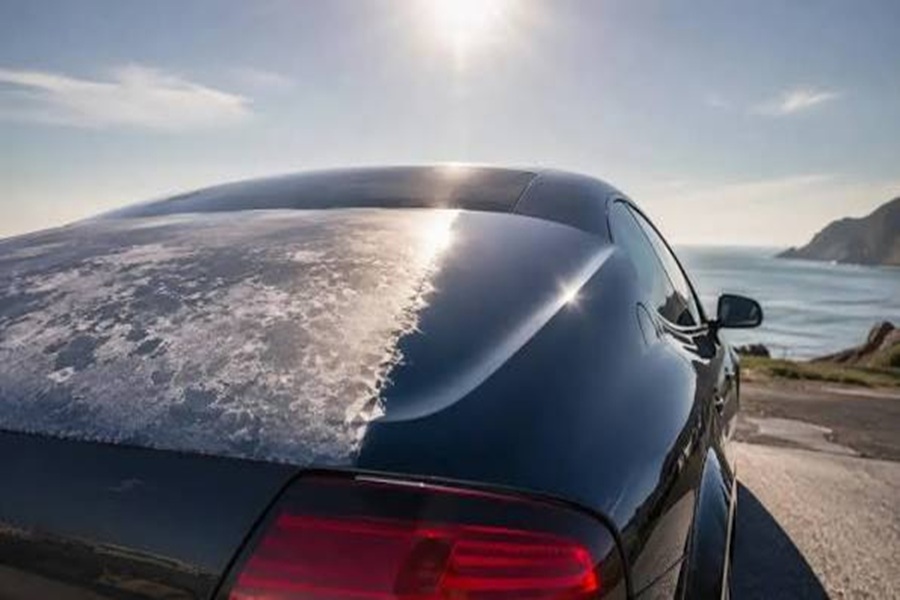
Clear coat failure occurs when the transparent, protective layer of paint on a vehicle’s surface begins to break down, exposing the pigment layer underneath.
- Cloudiness or Hazy Appearance
- Peeling or Flaking
- Discoloration
- Rough Texture
| Stage | Description |
| Early Stage | Mild cloudiness and slight loss of shine; no peeling yet. |
| Intermediate Stage | Small patches of peeling or flaking; some discoloration visible. |
| Advanced Stage | Large areas with complete loss of clear coat; severe fading and paint damage. |
- Poor Maintenance:Neglecting regular washing and waxing reduces protection against harmful elements like dirt and chemicals.
- Low-Quality Paint Jobs:Factory defects or subpar aftermarket repaints often lack sufficient adhesion between layers.
- Extreme Temperatures:Heat accelerates chemical degradation within both paint pigments and protective coatings.
- Improper Detailing Practices:Overuse or misuse of abrasive products (e. g. , harsh polishes) can wear down delicate surfaces prematurely.
Why It Matters
A failing clear coat doesn’t just look bad it compromises your car’s overall durability as well.
By identifying early signs and understanding what causes this problem, vehicle owners can take timely action either by addressing minor issues themselves or seeking professional help before more extensive damage occurs.
Understanding how these elements interact with your vehicle’s surface will help you prevent or address the damage effectively.
The Role of UV Rays
Ultraviolet (UV) rays are a form of electromagnetic radiation emitted by the sun.
- Oxidation:Oxygen molecules react with exposed layers, causing a rough and patchy texture on the surface.
- Loss of Gloss:A damaged clear coat loses its ability to reflect light properly, resulting in a dull finish.
The Impact of Heat
While UV rays are a major culprit, heat also plays a significant supporting role in damaging your car’s exterior.
- Expanding Surface Layers:The intense heat causes materials within the paint and clear coat layers to expand at different rates. This thermal expansion weakens bonds between layers, accelerating peeling or cracking.
- Drying Out Protective Oils:Many automotive finishes contain compounds that help maintain flexibility and durability; heat gradually depletes these oils.
Combined Effects Over Time
| Effect | Description | Visible Signs |
| Clear Coat Breakdown | Loss of protective layer due to chemical degradation from UV radiation | White patches or discoloration |
| Fading | Reduction in vibrancy caused by pigment breakdown | Dull or uneven color tone |
| Peeling | Separation between clear coat and basecoat due to weakened adhesion | Flaking or bubble-like textures |
| Oxidation | Surface reacts with oxygen after protective barriers are compromised | Rough texture or whitish haze |
Why Modern Cars Are Still Vulnerable
Although modern automotive paints have improved with advancements like UV inhibitors built into clear coats, they are not immune to damage from prolonged exposure without proper maintenance. Environmental factors such as pollution, acid rain, bird droppings, and salt can worsen degradation when combined with sun exposure.
Tips for Minimizing Sun Damage
- Park in shaded areas whenever possible or use covered parking structures.
- Invest in high-quality car waxes with added UV protection.
- Apply ceramic coatings for long-term shielding against both sunlight and environmental contaminants.
- Use custom-fit car covers made from breathable materials if parking outdoors often.
- Tint windows if permitted locally; some tints reduce interior temperatures while protecting surfaces nearby.
Protective measures ensure that both your vehicle’s appearance and its resale value remain intact despite prolonged exposure to harsh environmental conditions. Prevention is key when dealing with sun-related paint damage on cars.
Can Clear Coat Damage Be Polished or Does It Need Repainting?
While minor imperfections may be addressed with polishing or other restoration techniques, more significant damage often requires professional repainting. Below, we’ll dive into how to determine the severity of the damage and explore potential fixes.
- Can be corrected with polishing.
- May still be salvageable with heavy-duty compounding and polishing.
- Cannot be fixed by polishing alone; repainting is usually necessary.
- Indicates complete failure of both clear coat and portions of paint layers beneath it.
- Repainting is mandatory in this case to restore protection and aesthetics.
When Polishing Can Be Effective
Polishing is a great first step for addressing mild to moderate clear coat issues. By using an abrasive compound, you can remove oxidized layers, reduce fine scratches, and restore gloss provided that enough healthy clear coat remains intact.
- Hand Polishing: Suitable for small areas with light wear using products like scratch removers or rubbing compounds.
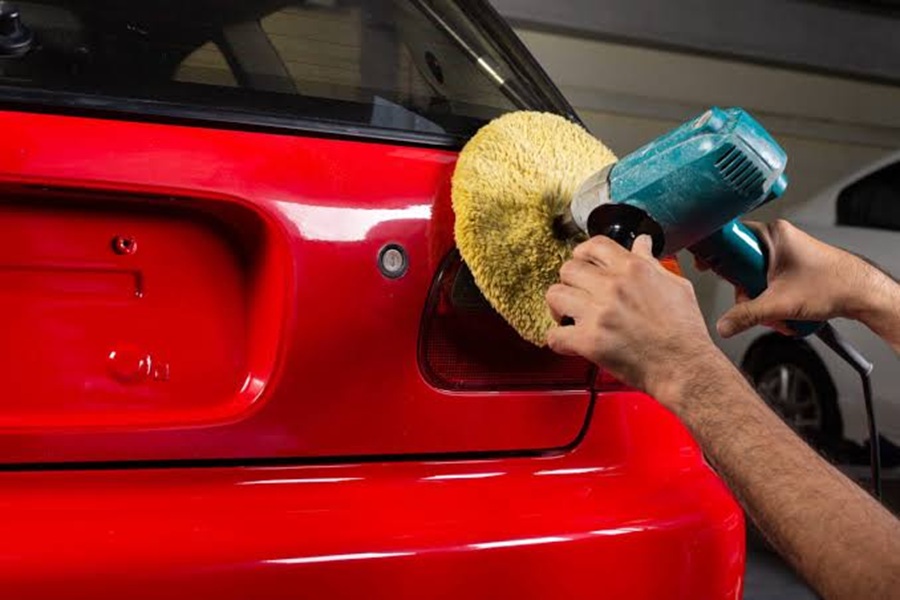
- Machine Polishing (Buffer): Ideal for larger surfaces; offers stronger abrasion but requires skill to avoid burning through remaining clear coat.
- Wet Sanding Followed by Polishing: For slightly deeper issues, wet sanding smooths out uneven spots before polishing restores shine.
Important Note: Polishing cannot reverse peeling or severe damage where bare paint has been exposed.
When Repainting Becomes Necessary
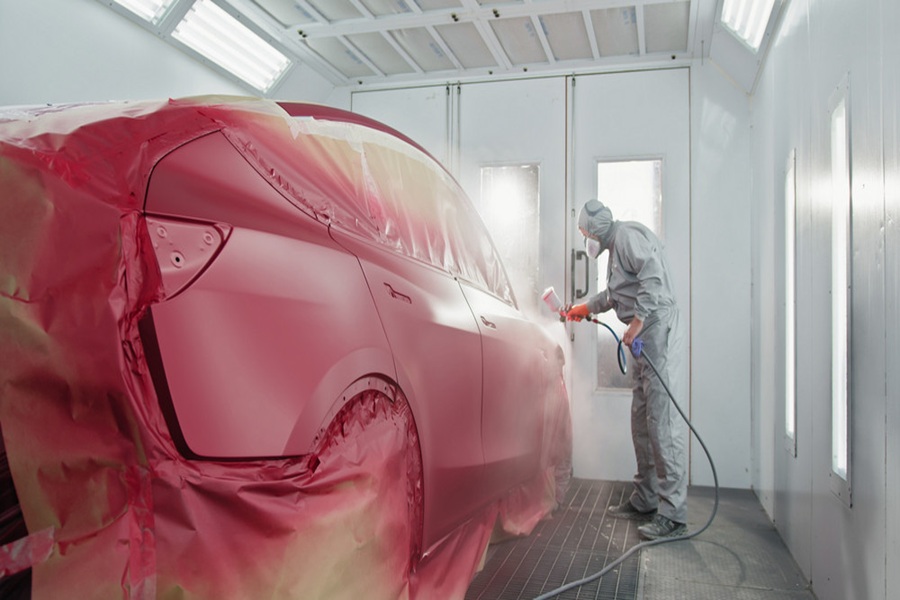
This process involves sanding away damaged areas entirely before applying new layers of primer, basecoat (color), and then clear coat.
| Step | Description |
| Surface Preparation | Damaged areas are sanded down until only intact materials remain. |
| Primer Application | A primer layer is added to create a smooth foundation for color adhesion. |
| Basecoat Restoration | The color-matching basecoat is applied evenly across prepared surfaces. |
| Clear Coat Application | A new protective top layer seals in color while adding gloss and durability. |
Repainting offers long-term results but can be more expensive than touch-up methods like polishing. It’s recommended when damage covers large areas or compromises the integrity of your vehicle’s finish.
Final Thoughts
Below are actionable steps and preventive measures that will help shield your vehicle from future damage.
Regular Washing and Waxing
- Apply Wax or SealantConsider using synthetic polymer sealants for longer-lasting protection compared to traditional waxes. Reapply every 2–3 months for optimal results.
| Option | Benefits | Maintenance Required |
| Paint Protection Film | Shields against scratches, chips, fading | Minimal – lasts several years |
| Ceramic Coating | Provides hydrophobic properties; resists dirt and oxidation | Regular cleaning needed |
Although these solutions might have higher upfront costs, they offer superior protection against environmental factors and reduce the need for frequent reapplications.
- Invest in a High-Quality Car Cover: Choose covers designed with UV-resistant materials to protect your vehicle when parked outdoors for extended periods.
- Opt for Covered Parking SpacesFor daily outdoor parking, prioritize shaded areas during peak hours when UV intensity is at its highest.
Check Products Before Applying
- Avoid abrasive cleaners that strip away protective coatings unnecessarily.
- Look for products labeled as providing “UV Protection” specifically designed for automotive use.
- Perform spot tests before applying new products to ensure compatibility with your vehicle’s exterior.
Maintain the Clear Coat Layer
- Address small chips or cracks promptly by applying touch-up clear coat solutions before further degradation occurs.
Protecting your car’s paint is essential to maintaining its appearance and resale value. Fortunately, there are a variety of steps and techniques you can use to safeguard your vehicle from future sun damage.
Regular Washing and Waxing
- Wash your car frequentlyAvoid abrasive cleaning tools, which can scratch the surface.
- Apply high-quality automotive wax: Wax forms a protective layer against UV rays while enhancing the shine of your paint. Reapply wax every 6–8 weeks for consistent protection.
| Solution | Benefits | Longevity |
| Ceramic Coating | Forms a hydrophobic layer that shields against UV rays, dirt, and minor scratches | 2–5 years with proper care |
| Paint Protection Film | Transparent film that absorbs impacts and provides superior UV resistance | 5–10 years depending on brand |
Park Smartly
- Use a car cover when outdoors: Look for breathable covers designed specifically for outdoor use. These not only shield against sunlight but also protect from debris and bird droppings.
Use Window Tinting or Sunshades
- Window tinting: Professionally applied tints block harmful UV radiation while helping to keep interiors cooler.
- Sunshades: Place reflective sunshades on windshields when parked under direct sunlight for extended periods.
Maintain Proper Clear Coat Health
- Inspect your vehicle’s paint regularly for early signs of fading or oxidation.
- Touch up small chips or scratches promptly using touch-up paint kits.
Products Specifically Designed for Paint Protection
- UV-blocking sealants:These are designed to extend protection beyond regular waxing.
- Quick-detail sprays with UV inhibitors:These work well between washes to enhance gloss and shield against harmful rays.
- High-SPF automotive sunscreens:Yes some sprays act as sunscreen-like barriers specifically tailored for automotive surfaces!