The Art and Precision of Classic Car Restoration
Classic car restoration is a highly specialized process that combines craftsmanship, technical expertise, and a deep appreciation for automotive history. Whether you’re bringing an old family heirloom back to life or investing in a vintage model to preserve its legacy, the restoration of classic vehicles requires meticulous attention to detail and a keen understanding of the original design.
Understanding the Restoration Process
Restoring a classic car involves several distinct phases. Each stage contributes to returning the vehicle to its original glory while ensuring it meets modern safety standards.
- Inspecting the overall condition of the vehicle: identifying structural damage, rust, or missing parts.
- Evaluating whether a full restoration (returning all aspects to factory settings) or partial restoration (focusing on key systems) is appropriate.
- Preparing a detailed plan for labor and materials based on historical accuracy.
- Carefully dismantling components such as body panels, engine parts, suspension systems, and interior elements.
- Cataloging each piece for repair or replacement while maintaining proper documentation for reassembly.
- Repairing dents, addressing areas affected by corrosion, and straightening frames if needed.
- Sandblasting or media blasting is often used to remove layers of paint and reveal any hidden damage.
- Restoring powertrains to ensure peak performance while retaining original specifications.
- Upgrading selective components like cooling systems or brakes for enhanced reliability without compromising authenticity.
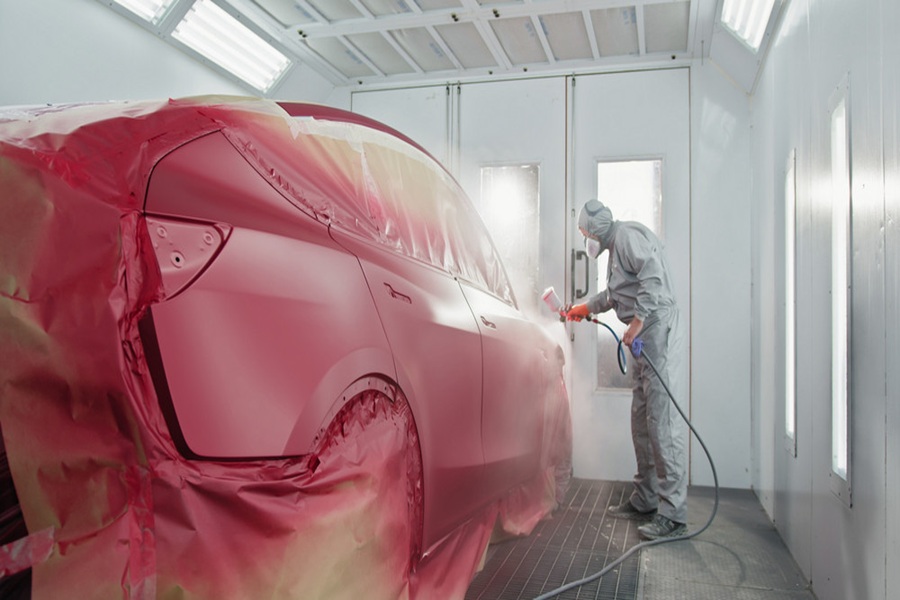
- Applying period-accurate paint colors using modern techniques for durability.
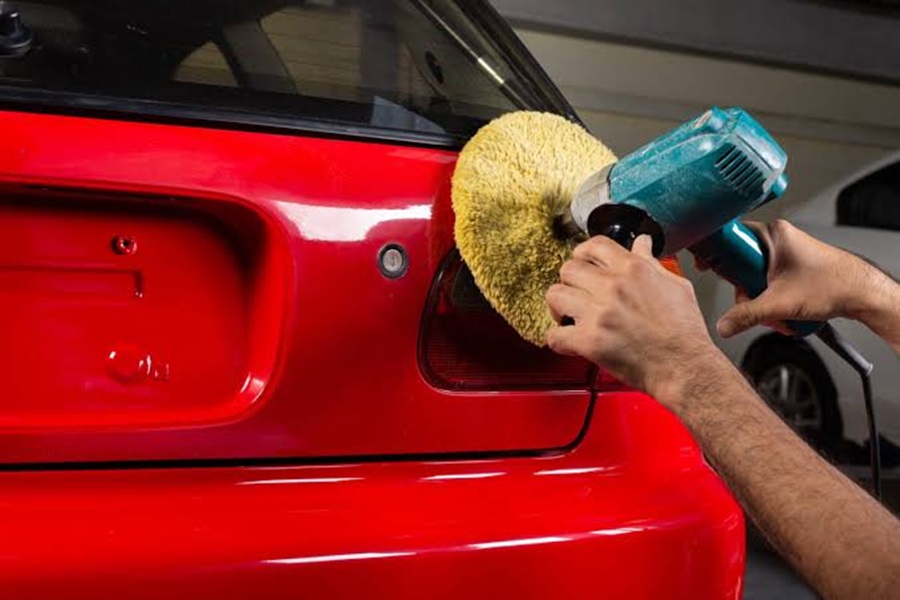
- Polishing chrome accents, installing trim pieces, and restoring upholstery with materials that match the original design.
Key Benefits of Classic Car Restoration
- Preservation of Legacy: Restored vehicles serve as reminders of automotive innovation from their respective eras.
- Increased Value: Professionally restored cars often fetch higher prices in auctions or private sales.
- Enhanced Driving Experience: Enjoy modern performance upgrades seamlessly integrated into vintage designs.
- Sustainability: Reviving older vehicles reduces waste compared to creating entirely new models from scratch.
Practical Tips for Restoring Your Classic Car
- Source Authentic Parts: Whenever possible, use OEM (Original Equipment Manufacturer) parts to maintain historical accuracy.
- Consult Professionals: Seek experienced restorers who specialize in your car’s make and model for better results.
- Budget Wisely: Factor in costs beyond aesthetics—such as mechanical repairs—to avoid surprises mid-project.
- Document Progress: Keep track of every step during disassembly and reassembly; this helps with troubleshooting later on.
Key Components | Common Challenges | Solutions |
Engine Systems | Outdated technology | Retrofitting compatible modern parts |
Body Panels | Severe rust | Fabricating custom panels when originals are unavailable |
Paint Matching | Faded colors | Using spectrophotometers to replicate tones |
Classic car restoration demands patience but rewards enthusiasts with timeless beauty on wheels that evoke nostalgia while standing up to today’s standards. By carefully balancing originality with modern improvements where necessary, you can breathe new life into your vehicle while celebrating its storied past.
Enhancing Aesthetics and Performance with Body Kit Installation
Body kit installation is a transformative process that combines functionality and artistry. It allows vehicle owners to achieve a distinct look while improving performance and aerodynamics. Whether you’re personalizing your daily vehicle or restoring a classic car, body kits offer endless possibilities for customization.
What Is a Body Kit?
A body kit is a collection of exterior modifications designed to enhance the appearance, performance, or aerodynamics of a vehicle. These kits typically include components such as:
– Front and rear bumpers
– Side skirts
– Spoilers or wings
– Wheel arches or fender flares
– Diffusers and splitters
Each component can be tailored to meet specific preferences, from sleek minimalism to bold, aggressive designs.
Benefits of Installing a Body Kit
- Improved Aerodynamics: Certain body kits are designed to reduce drag and increase downforce, improving stability at high speeds.
- Enhanced Appearance: Body kits allow for customized designs that reflect your personality or align with specific automotive trends. Whether you prefer a classic style or modern edge, there’s an option for everyone.
- Increased Resale Value: A professionally-installed body kit can elevate your vehicle’s value by making it stand out from standard models.
Material Options for Body Kits
Material Type | Features | Ideal Use Cases |
Fiberglass | Lightweight; easy to paint | Custom designs where weight matters |
Polyurethane | Durable; impact-resistant | Daily driving in varied conditions |
Carbon Fiber | High strength-to-weight ratio | Performance-focused vehicles |
When selecting materials, consider factors like road conditions, driving habits, and maintenance needs.
Installation Tips
- Choose Quality Over Cost: While cheaper options may tempt you, investing in high-quality materials ensures longevity and superior aesthetics over time.
- Work With Experts: Proper alignment is crucial for both appearance and safety; working with experienced technicians ensures flawless installation.
- Test Fit Components First: Always test-fit each part before painting or permanent attachment to avoid costly mistakes.
- Blend with Existing Design: Consider how the new components integrate with your car’s overall design so they feel cohesive rather than out of place.
Popular Styles in Body Kits
- Sporty Designs: Focused on aerodynamics with sharp lines and aggressive angles.
- Luxury Enhancements: Subtle yet refined upgrades that exude sophistication.
- Off-Road Modifications: Rugged components like fender flares designed for durability on rough terrain.
Maintaining Your Upgraded Vehicle
- Regularly clean painted components using non-abrasive cleaners to maintain their shine.
- Inspect connections periodically to ensure everything remains secure over time.
- Reapply protective coatings (if applicable) to preserve the finish against environmental elements like UV rays or rain exposure.
Body kit installation not only transforms how vehicles look but also enhances performance when done thoughtfully. By combining expert craftsmanship with high-quality materials, you can create a design uniquely tailored to your vision while ensuring lasting functionality on every journey.
Transforming Vehicle Appearance with Custom Vehicle Wrapping
Custom vehicle wrapping has become one of the most sought-after methods for transforming a car’s appearance. Unlike traditional paint jobs, vehicle wraps offer versatility, durability, and a truly personalized touch. Whether you’re looking to advertise a business, protect your car’s original paint, or simply express your unique style, custom wraps provide a range of possibilities that make this service an excellent choice.
Benefits of Custom Vehicle Wrapping
- Full Customization: With endless color options, patterns, and finishes (matte, glossy, satin, chrome), wraps allow owners to design their dream look.
- Paint Protection: A high-quality wrap acts as a shield for the underlying factory paint, protecting it from UV rays, minor scratches, road debris, and weather damage.
- Reversibility: One of the greatest benefits is that wraps are not permanent. If you decide to change designs or return to the original look of your car in the future, removing the wrap is straightforward when done professionally.
- Cost-Efficiency: Compared to custom painting services which can be costly and time-consuming, vehicle wrapping often delivers similar results at a more affordable price point.
- Advertising Opportunities: For businesses looking to brand their vehicles with company logos or promotional designs, vehicle wraps can turn cars into mobile advertising tools.
Types of Wraps Available
Wrap Type | Description |
Gloss Finish | Mimics traditional glossy paint; reflects light for a polished look |
Matte Finish | Offers a flat and understated appearance; ideal for sleek designs |
Satin Finish | A hybrid between matte and gloss; provides subtle shine |
Chrome Wraps | Known for their reflective surface; bold and eye-catching |
Textured Wraps | Includes carbon fiber patterns or brushed metals for added dimension |
Color-Shifting Wraps | Changes color depending on lighting angles; creates an iridescent effect |
The Wrapping Process
- The vehicle undergoes thorough cleaning to eliminate dirt, grease, or wax that may interfere with the adhesion process.
- Any surface imperfections like dents or scratches are addressed beforehand.
- Technicians take precise measurements of each panel.
- The design is tailored either digitally created by professionals or specified by clients.
- The vinyl film is carefully applied using heat and pressure to adhere smoothly across curved surfaces without bubbles or wrinkles.
- Any excess material is trimmed off cleanly.
- Edges are sealed securely using tools.
- Technicians perform quality checks ensuring no imperfections remain before handing over the finished product.
Maintaining Your Vehicle Wrap
- Wash by hand instead of using abrasive brushes at automated car washes.
- Use non-aggressive cleaning solutions designed specifically for vinyl finishes.
- Avoid prolonged sun exposure whenever possible to minimize fading over time.
Why Choose Professional Installation?
- They have access to advanced tools such as heat guns and precision cutting equipment.
- Their experience minimizes risks like bubbling or misalignment during application.
With professional care throughout every step—from material selection through post-installation inspection—you can trust that your custom wrap will stand out while lasting years longer than poorly executed alternatives.
Wrapping transforms any vehicle from ordinary into extraordinary—without compromising functionality or value—making it an excellent choice whether upgrading style personally OR promoting branding professionally
Introducing Texture and Style Through Hydrodipping
Hydrodipping, also known as water transfer printing, has emerged as a transformative process to customize and enhance the look of various vehicle components. This innovative technique introduces unique textures, colors, and patterns to elements of a car’s interior or exterior, offering a level of personalization that sets any vehicle apart from the ordinary.
What is Hydrodipping?
At its core, hydrodipping is a surface decoration process where a pre-printed film carrying intricate designs is transferred onto a 3D object using water as the medium. The process creates seamless patterns on complex shapes that would otherwise be challenging to decorate with traditional methods like painting or wrapping.
Applications in Vehicle Customization
- Dashboard panels
- Center consoles
- Door handles
- Steering wheel accents
- Side mirrors
- Spoilers
- Grills
- Wheel rims
- Valve covers
- Air intake covers
By using hydrodipping, every detail can be tailored to match a driver’s taste and vision for their vehicle. This level of customization allows even small accents to make a big visual impact.
Benefits of Hydrodipping for Vehicle Restoration and Customization
- Limitless Design Options: From carbon fiber patterns to camouflage prints or even wood grain effects, hydrodipping provides nearly endless possibilities for design. Customers can select from pre-existing patterns or work with professionals to create something truly unique.
- Durability: The materials used in hydrodipping are tough and long-lasting when properly top-coated with protective sealants. This ensures that the custom finish resists fading, scratches, and daily wear over time.
- Cost-Efficiency: Compared to high-end paint jobs or certain custom-carving techniques, hydrodipping is often more affordable while still delivering premium results.
- Ease of Application on Complex Shapes: Unlike traditional paint jobs that may struggle with intricate geometries or curves, hydrodipping seamlessly coats irregular surfaces with precision.
- Quick Turnaround Time: Many parts can be dipped and ready for reinstallation in less time than other labor-intensive processes such as airbrushing or engraving.
Hydrodipped Finishes vs Other Customization Methods
Feature | Hydrodipping | Painting | Wrapping | Airbrushing |
Design Variety | Extensive | Limited | Moderate | Highly detailed |
Durability | High (with proper sealing) | Moderate | High | High |
Affordability | Moderate | Expensive | Affordable | Expensive |
Ideal for Irregular Shapes | Yes | No | No | Yes |
Hydrodipping fills an important niche by combining aesthetic flexibility with cost-effective durability — striking an appealing balance for individuals seeking something bold yet practical.
Practical Tips for Maintaining Hydrodipped Components
- Avoid abrasive cleaning tools that could scratch the surface.
- Use gentle automotive cleaners specially formulated for painted surfaces.
- Reapply protective coatings periodically if recommended by your restoration specialist.
- Shield hydrodipped exterior components from prolonged direct sunlight exposure if possible.
Hydrodipped designs thrive when properly cared for and treated like any other high-quality finish on your vehicle.
Why Hydrodipping is Worth Considering
Whether you’re restoring a classic car or modernizing your ride with custom touches, incorporating hydrodipped elements adds personality without compromising functionality. For those who value both style and substance in their vehicles, this cutting-edge technique opens up new creative possibilities that bring texture and flair into every detail while ensuring lasting performance over time.
Bed Liner Installation for Rugged Protection and Style
Bed liner installation serves as both a functional and aesthetic enhancement for vehicles, particularly trucks, utility vehicles, and off-road machines. This process ensures the longevity of the truck bed while adding a layer of style tailored to an owner’s preferences. Here’s an in-depth look at how bed liners provide rugged protection and elevate vehicle design.
Benefits of Bed Liners
- Surface Protection: Protects the truck bed from scratches, dents, and corrosion caused by heavy cargo or exposure to harsh weather conditions.
- Enhanced Durability: Creates a tough, non-slip surface that can withstand impacts, abrasions, and chemical spills.
- Rust Prevention: Seals off the metal surface to guard against moisture penetration and rust formation.
- Customization Options: Available in different textures, colors, and finishes to complement the vehicle’s aesthetics.
Types of Bed Liners
Type | Features | Pros | Cons |
Spray-On Bed Liner | Applied directly onto the truck bed as a durable coating | Seamless application; customizable; long-lasting | Requires professional installation |
Drop-In Bed Liner | Pre-molded plastic liner installed in the bed | Budget-friendly; easy removal | Can trap moisture underneath |
Roll-On Bed Liner | DIY option where liquid liner is applied manually | Low cost; customizable thickness | Time-intensive application process |
Carpet/Mat Liners | Soft but durable mats placed on top of the truck bed | Provides cushioning for delicate items | Limited protection against moisture |
The Installation Process
- Clean the truck bed thoroughly to remove dirt, grease, or rust.
- Sand or scuff the surface if applying spray-on or roll-on liners to ensure proper adhesion.
- Cover surrounding areas (tailgate edges, walls) with masking tape.
- Use specialized spraying equipment to apply an even coat across all surfaces.
- Allow adequate curing time for spray-on or roll-on applications.
- Inspect for uniform coverage and address any missed spots.
Styling Options
- Color-matching with vehicle paintwork for a cohesive appearance.
- Incorporating textured patterns for added grip and visual interest.
- Adding brand logos or custom designs through precision techniques like stenciling.
Maintenance Tips
- Regularly clean debris or spills from your bed liner using mild soap and water.
- Inspect periodically for signs of wear or peeling in high-use areas.
- Reapply coatings as needed if using roll-on or spray-on solutions.
Whether used purely as a shield against damage or as part of a broader customization project, installing a quality bed liner is an investment that combines practicality with style.
Bed Liner Installation for Rugged Protection and Style
Bed liner installation is a critical customization service that enhances both the functionality and appearance of a vehicle. Whether you’re an off-road enthusiast or simply seeking to protect your truck bed from wear and tear, bed liners provide the perfect combination of durability, style, and practicality. Below is an in-depth exploration of why bed liner installation is essential, the options available, and factors to consider when choosing the right one.
Why Install a Bed Liner?
- Protection Against Damage: Prevents scratches, dents, rust, and corrosion caused by hauling heavy loads or exposure to harsh weather conditions.
- Improved Durability: Adds an extra layer of toughness to withstand abrasions.
- Enhanced Resale Value: Maintains your truck’s appearance over time by safeguarding its structural integrity.
- Aesthetic Appeal: Comes in various textures and finishes that can complement the overall style of your vehicle.
Types of Bed Liners
Type | Description | Key Features | Best For |
Spray-On Liners | Applied directly to the truck bed’s surface | Seamless finish, waterproof | Long-term protection |
Drop-In Liners | Pre-molded plastic or rubber insert | Easy installation, removable | Temporary or lightweight use |
Bed Mats | Flat mat placed on the floor of truck beds | Anti-slip surface | Occasional light-duty hauling |
Roll-On Liners | DIY application using rollers | Affordable alternative | Budget-conscious customization |
Professional Installation vs. DIY
While DIY options like roll-on liners can be cost-effective for some users, professional spray-on installations often provide superior results due to their precision and durability. Professional installers ensure even application without air bubbles or peeling over time.
- Proper surface preparation (e.g., sanding and priming).
- High-quality materials tailored for specific vehicle models.
- Warranties for workmanship and materials.
Customization Options
- Color matching with your vehicle’s exterior paint.
- Textured finishes for added visual appeal.
- UV-resistant coatings for long-lasting color retention.
Maintenance Tips
- Regularly clean with mild soap and water to remove dirt buildup.
- Inspect periodically for damage; minor issues such as small chips or tears should be repaired promptly.
- Avoid exposing it to harsh chemicals that could degrade its surface texture.
Investing in a high-quality bed liner not only protects one of the most used areas of your vehicle but also adds rugged charm that enhances its overall value and usability over time.
Bed Liner Installation for Rugged Protection and Style
Bed liner installation is one of the most practical and aesthetic enhancements for trucks, SUVs, and other utility vehicles. It serves as a dual-purpose upgrade by offering exceptional protection against wear and tear while adding a rugged, stylish appeal to the vehicle. Below is a closer look at bed liner installation, its benefits, types, and considerations.
Benefits of Bed Liner Installation
- Protection Against Damage: A bed liner shields the truck bed from scratches, dents, rust, and corrosion caused by heavy loads or exposure to elements like dirt, moisture, and UV rays.
- Enhanced Durability: With a durable coating or insert in place, you extend the life of your truck bed even under tough working conditions.
- Improved Aesthetics: Bed liners add a polished finish to your vehicle’s interior cargo area while maintaining its rugged edge.
- Slip Resistance: Many liners come with anti-slip properties to ensure cargo remains secure during transport.
- Resale Value: By preventing wear and tear over time, installing a high-quality bed liner can help maintain or even increase your vehicle’s resale value.
Types of Bed Liners
Type | Features | Pros | Cons |
Spray-On/Liquid | Adheres directly to the truck bed | Seamless application; durable | Requires professional installation |
Drop-In Plastic | Prefabricated plastic liners | Easy installation; removable | Can trap moisture underneath |
Carpet-Based | Soft yet durable material | Offers cushioning; non-slip | Less resistant to heavy impacts |
Rubber Mats | Heavy-duty rubber sheets | Affordable; easy maintenance | Limited coverage for sidewalls |
Roll-On/D-I-Y Kits | Brush-on or roll-on application | Cost-effective for DIY projects | May lack consistency in texture |
Each option provides specific advantages depending on how you use your vehicle.
Key Considerations Before Installation
- If you frequently carry heavy equipment or tools that could damage the surface of your truck bed, opt for spray-on or drop-in plastic liners for robust protection.
- For lighter usage with occasional hauling needs, carpet-based liners or rubber mats may suffice while keeping costs low.
- Spray-on liners can be customized in terms of texture and color to match your preferred style. This option is ideal if you want seamless integration with your vehicle’s design.
- While high-end spray-on solutions are more expensive due to their durability and professional application process, there are cost-efficient alternatives like DIY roll-on options that deliver decent protection without breaking the bank.
- Professional installations often guarantee better precision and durability but come at higher costs.
- A DIY approach may save money but requires significant attention to detail for effective coverage.
Maintenance Tips
- Regularly clean dirt and debris from the liner surface using mild soap and water.
- Inspect for signs of wear or peeling (especially with spray-on coatings) at regular intervals.
- Avoid exposing carpet-based liners to excessive moisture as they may retain water over time.
- For rubber mats or drop-ins prone to shifting during use, secure them properly before loading heavy cargo.
Bed liner installation not only protects vehicles performing hard work but also delivers a distinct visual upgrade that matches an adventurous spirit or utilitarian function—making it an all-around valuable investment for vehicle owners who demand both form and function from their upgrades.