Why Hit-and-Run Drivers Flee
Understanding why hit-and-run drivers leave the scene of an accident can provide insight into this troubling behavior and help victims respond effectively. While no excuse can justify fleeing an accident, there are several common reasons drivers make this choice.
Common Reasons for Fleeing
- Fear of Legal Consequences: Many hit-and-run drivers panic due to fear of legal penalties, especially if they lack a valid driver’s license, vehicle insurance, or are driving under the influence.
- Unawareness of the Incident: Believe it or not, some drivers may claim they were unaware a collision occurred—this is more common in minor incidents involving low speeds or slight contact.
- Outstanding Legal Issues: Drivers with warrants, prior offenses, or immigration issues may flee to avoid further legal scrutiny.
- Financial Concerns: Uninsured drivers or those concerned about repair costs might choose to flee rather than face potential lawsuits or financial obligations.
- Emotional Panic: A sudden accident often triggers panic, leading individuals to act irrationally and flee without considering the consequences.
Psychological Aspects of Hit-and-Run Behavior
In addition to practical concerns like finances and legal risks, emotional factors play a significant role:
1. Fight-or-Flight Response: Accidents can provoke an intense adrenaline surge where some individuals instinctively choose “flight” over rational thinking.
2. Shame and Embarrassment: Drivers might feel overwhelmed by guilt or embarrassment after causing harm and may try to escape accountability by leaving the scene.
Societal Factors Contributing to Hit-and-Runs
Broader societal elements also contribute to this phenomenon:
– Lack of awareness about how hit-and-runs impact victims both emotionally and financially. – Increasing numbers of uninsured drivers on the road. – Distracted driving behaviors (e.g., texting while driving), which lead to crashes that some attempt to cover up by fleeing.
Reason for Fleeing | Example Situations | Possible Solutions to Prevent It |
Fear of legal trouble | Driving under influence without insurance | Stricter DUI enforcement & public education |
Financial difficulties | Uninsured driver causes property damage | Affordable insurance options |
Emotional panic | Nervous teen driver hits parked car | Driving education focused on post-crash steps |
Why Awareness Matters
Comprehending these motivations is critical not only for policymakers working towards solutions but also for victims trying to navigate their next steps calmly after being involved in such an incident.
By recognizing that fleeing often stems from fear, irrationality, or lack of preparation rather than malice alone, we can better address root causes through education campaigns and stricter enforcement mechanisms—ensuring safer roads for everyone involved.
Take These Steps After an Accident
1. Ensure Your Safety
Your safety and well-being should always come first. Here’s how to prioritize it:
– Move to a Safe Location: If possible, pull over to the side of the road or into a safe area away from traffic. – Check for Injuries: Assess yourself and any passengers for injuries. If anyone appears hurt, call emergency services immediately.
– Turn on Hazard Lights: This alerts other drivers to the situation and helps prevent further accidents.
2. Gather Information About the Incident
Although the driver responsible has fled, any details you can recall or collect will be invaluable later:
– Try to Remember Key Details: Write down everything you noticed about the fleeing vehicle—its make, model, color, license plate (even partial), direction of travel, and any distinguishing features like bumper stickers or damage. – Take Photos: Document the scene by taking photographs of your car’s damage, tire marks on the road, debris from the collision, and general surroundings. – Look for Witnesses: Approach nearby drivers or pedestrians who may have witnessed the accident. Politely ask if they’d be willing to provide their contact information or statements about what they saw.
3. Contact Law Enforcement
Reporting the hit-and-run is essential for creating an official record of events:
– Call 911 Immediately: Give them all available details about what happened and share any descriptions you have of the fleeing vehicle.
– File a Police Report: Be thorough when recounting events so that law enforcement has as much information as possible for their investigation.
4. Notify Your Insurance Company
Informing your insurance provider promptly is important to ensure coverage:
– Explain What Happened: Provide them with all relevant details about when and where it occurred as well as evidence you’ve gathered. – Understand Your Coverage Options: Depending on your policy type (e.g., uninsured motorist coverage), they may assist with damages caused by hit-and-run drivers.
5. Seek Medical Attention if Needed
Even if injuries seem minor at first:
– Visit a Doctor or Urgent Care Center: Some injuries may not show symptoms immediately after an accident but could develop over time (e.g., whiplash). Early medical documentation can also strengthen future claims.
Step | Action |
Ensure Safety | Move away from traffic, assess injuries, turn on hazard lights |
Gather Information | Note details about fleeing vehicle; take photos; find witnesses |
Contact Law Enforcement | Call police; file an official report |
Notify Insurance | Report incident; determine coverage options |
Seek Medical Attention | Visit healthcare professionals even for mild symptoms |
Final Notes:
Remaining calm is vital throughout this process. While it’s frustrating when someone flees responsibility during an accident, focusing on actionable steps can help protect your interests while aiding law enforcement in resolving the case effectively.
Your Collision Repair Solution for Hit-and-Run Drivers
After a hit-and-run accident, one of the most pressing concerns is addressing the damage to your vehicle. While dealing with the emotional and legal fallout can be overwhelming, it’s essential to also focus on practical solutions like repairing your car and minimizing further disruptions to your daily life. Here’s how you can approach finding the right collision repair solution, ensuring both quality and cost-effectiveness.
Assessing Vehicle Damage
Before moving forward with repairs, it’s important to thoroughly assess the condition of your vehicle. This step will help you understand the extent of damage so that you can discuss repair options intelligently with a service provider.
- Visible Damage: Inspect areas like bumpers, doors, headlights, and mirrors for cracks, dents, or signs of paint transfer from another vehicle.
- Hidden Issues: Not all damage is visible. You may experience alignment problems, suspension issues, or internal mechanical failures that require professional diagnostics.
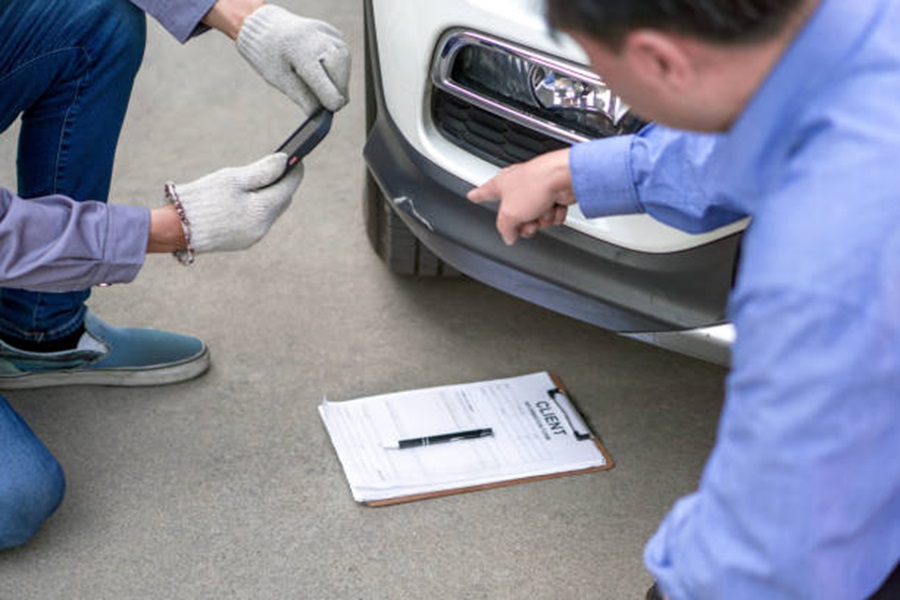
- Photographic Evidence: Take detailed photos of all damaged areas from multiple angles. These photos may be useful for insurance claims or legal proceedings.
Choosing a Reliable Collision Repair Shop
Not all auto repair shops are created equal. Selecting a reputable shop ensures high-quality repairs and avoids unnecessary delays or costs.
Here are some factors to consider when choosing a collision repair shop: – Certifications and Reviews: – Look for certifications such as I-CAR Gold Class or ASE (Automotive Service Excellence).
– Check online reviews on platforms like Google Reviews or Yelp to assess customer experiences. – Warranty on Repairs: – Ask whether the shop offers warranties for their work. A reliable repair service will often guarantee parts and labor for a specified time period. – Specialization in Hit-and-Run Repairs: – Some shops specialize in handling hit-and-run cases and can guide you through navigating insurance claims.
Feature | Why It Matters |
Certifications | Ensures technicians are trained to handle complex repairs effectively |
Warranty | Protects your investment in case something goes wrong post-repair |
Customer Reviews | Provides insights into other customers’ satisfaction levels |
Working With Your Insurance Provider
- Report the incident immediately after gathering evidence from the scene.
- Provide relevant documentation such as photos of vehicle damage and police reports.
- Check whether your policy includes uninsured motorist coverage or collision coverage that applies specifically to hit-and-run accidents.
- Some insurers require pre-approved estimates before covering repair costs.
Consider Temporary Transportation Options
While your car is undergoing repairs, plan ahead to address temporary transportation needs. Repair timelines vary depending on factors such as parts availability or severity of damage.
Options include: – Loaner vehicles offered by certain repair shops – Rental cars covered under insurance policies – Public transportation if feasible in your area
Final Inspection Post Repair
- Confirm that all visible damages have been addressed properly (e.g., dents removed, paint matched).
- Test functionality of any affected components (e.g., headlights replaced due to impact).
- Request documentation detailing what work was performed.
Taking these steps will ensure peace of mind while protecting both your vehicle’s value and safety moving forward after a hit-and-run incident has disrupted your plans and damaged property unexpectedly.
By focusing on trusted professionals with expertise in collision repair solutions tailored specifically toward accidents involving untraceable drivers—like those involved in hit-and-runs—you’ll be better equipped not only logistically but emotionally too as part of this recovery journey
Your Collision Repair Solution for Hit-and-Run Drivers
Dealing with the aftermath of a hit-and-run accident can feel overwhelming, particularly when it comes to addressing vehicle damage. Without the responsible party present to cover repair costs, you might feel stuck figuring out your next steps. However, there are practical solutions that can guide you through the repair process effectively.
Assess the Damage and Document Everything
Before considering any repairs, take time to carefully document the damage to your vehicle. This step is essential for insurance claims or legal proceedings.
- Photograph all visible damage: Take clear pictures from multiple angles.
- Include close-up and wide shots: Ensure that smaller dents, scratches, or shattered glass are properly captured alongside broader views of overall impact.
- Note road conditions or debris: These details may help professionals understand how the accident occurred or provide additional evidence.
Contact Your Insurance Provider
Once you’ve documented the damage, reach out to your insurance provider to report the incident. Depending on your policy type and coverage options, they may assist in covering repair costs even if the at-fault driver remains unidentified.
- Uninsured Motorist Coverage: If included in your policy, this can help cover damages caused by hit-and-run drivers.
- Collision Coverage: For those with collision insurance, necessary repairs may be covered regardless of who was at fault.
Take time to review your policy’s terms and deductible requirements before proceeding with repairs.
Find a Reputable Auto Body Shop
- Look for shops specializing in collision repair.
- Check reviews online or ask friends/family for recommendations.
- Choose a shop certified by organizations such as I-CAR (Inter-Industry Conference on Auto Collision Repair) or ASE (National Institute for Automotive Service Excellence).
- Obtain detailed quotes from multiple shops to compare pricing.
- Ask if they offer a warranty on repairs performed.
Criteria | What to Look For |
Certifications | I-CAR or ASE certifications |
Transparency | Detailed estimates without hidden charges |
Warranty Options | Shops offering post-repair guarantees |
Consider Quality Over Cost
While it’s natural to want cost-effective solutions after an unexpected expense like this, avoid prioritizing price over quality when it comes to critical repairs. Subpar work could compromise vehicle safety in future incidents.
Instead: – Opt for high-quality parts that match manufacturer standards. – Ensure structural integrity checks are part of any frame-related repairs.
Keep Track of Expenses
- Repair invoices
- Towing fees
- Temporary transportation costs
Having these documents organized can be helpful if you’re seeking reimbursement through insurance or other legal avenues later on.
By following these steps and choosing a reliable collision repair solution tailored for hit-and-run cases, you’ll not only restore your vehicle but also regain peace of mind during an otherwise stressful situation.
Your Collision Repair Solution for Hit-and-Run Drivers
Dealing with the aftermath of a hit-and-run accident can be a stressful experience, especially when the responsible driver is no longer at the scene. After ensuring your safety and adhering to any legal requirements, repairing your vehicle becomes a primary concern. Navigating collision repair after a hit-and-run requires careful consideration to ensure you restore your car properly while minimizing financial and logistical burdens. Here’s how you can approach this process effectively.
Assess the Damage Immediately
Before making repair arrangements, take time to evaluate the extent of damage caused by the accident. This step will help you communicate clearly with repair services and insurance providers.
– Capture Photos: Take multiple photos of the damage from different angles in good lighting. This documentation will be critical for insurance claims. – Check for Structural Issues: Look beyond cosmetic damage and assess whether there are signs of major structural or mechanical issues, such as misaligned wheels or fluid leaks.
– Inspect Safety Features: Ensure airbags, seat belts, or other critical safety systems are still functional.
Notify Your Insurance Provider
Even without identifying the other driver, your insurance policy might provide coverage options for repairs resulting from hit-and-run incidents. Contact your insurance company promptly to discuss next steps:
– Confirm if you have coverage under Uninsured Motorist Property Damage (UMPD) or Collision Coverage, which may cover repairs regardless of fault. – Share photo evidence and an official police report (if available) to speed up claim processing. – Clarify whether filing a claim will impact your premiums.
Coverage Type | What It Covers |
Uninsured Motorist Property Damage | Repairs if another party is unidentified |
Collision Coverage | Repairs regardless of fault |
Choose a Reputable Collision Repair Shop
Selecting the right repair shop is crucial to ensure quality work that restores your vehicle’s safety and performance:
1. Look for certified collision specialists who meet industry standards (e.g., ASE certification).
2. Read reviews or ask for referrals to find trusted professionals in your area.
3. Ask about warranties offered on both parts and labor to guarantee long-term reliability.
Some repair shops also assist with managing insurance claims on your behalf, streamlining what can otherwise be an overwhelming process.
Explore Out-of-Pocket Repair Options
If insurance coverage doesn’t apply or you prefer not to file a claim, consider these tips:
– Request itemized estimates from multiple repair shops to compare costs. – Discuss payment plans with service providers if repairs exceed your budget. – Prioritize urgent fixes (e.g., broken headlights or compromised bumpers) before addressing cosmetic concerns.
Prevent Future Hit-and-Runs
While repairing your vehicle addresses immediate concerns, it’s worth considering preventative measures for additional security:
– Install a dash cam—this provides video evidence should another incident occur. – Park in well-lit areas where visibility reduces the likelihood of accidents or fleeing drivers. – Consider upgrading vehicle features like parking sensors or rearview cameras if currently unavailable.
Taking these steps ensures that even amid challenging circumstances like a hit-and-run incident, you’re equipped with practical solutions that protect both your financial well-being and personal safety moving forward.
Your Collision Repair Solution for Hit-and-Run Drivers
Assess the Damage
- Documenting Visible Damage: Take photographs of all affected areas from multiple angles. Don’t forget to capture close-up shots as well as broader views of the impact area.
- Checking for Hidden Damage: While scratches or dents may seem superficial, there could be underlying structural or mechanical issues that only an expert can identify.
- Inspecting Functional Parts: Pay close attention to your vehicle’s tires, lights, mirrors, and safety features (like airbags) to ensure they are still functional.
Contact Your Insurance
- File a Claim Promptly: Provide all necessary details about the incident along with any photographic evidence or witness statements.
- Understand Your Coverage: Review whether your policy includes uninsured motorist property damage coverage or collision coverage, which may help offset repair expenses.
- Discuss Deductibles: Clarify how much you’ll need to pay out-of-pocket before insurance covers the remaining costs.
Choose a Reputable Repair Shop
- Certifications Matter: Look for facilities certified by organizations such as I-CAR Gold Class or ASE (National Institute for Automotive Service Excellence). These certifications indicate that technicians are trained in industry standards.
- Specialization in Collision Repairs: A shop specializing in post-accident repairs is more likely to have experience dealing with hit-and-run-related damages.
- Customer Reviews & Recommendations: Read online reviews or seek recommendations from friends and family to identify shops known for their reliability.
Consider Advanced Repair Techniques
Technique | Benefits |
Paintless Dent Repair (PDR) | Removes minor dents without repainting |
Frame Straightening | Corrects chassis misalignment |
Digital Diagnostics | Identifies hidden mechanical issues |
These advanced methods not only enhance repair quality but also reduce turnaround time compared to traditional techniques.
Preventative Measures After Repairs
- Install a dashcam to capture evidence if another hit-and-run occurs.
- Park in well-lit areas where potential offenders are less likely to target your vehicle.
- Regularly inspect crucial parts like brakes and tires after major repairs.
Taking these steps ensures that both you—and your restored vehicle—are prepared for safer journeys ahead.
Your Collision Repair Solution for Hit-and-Run Drivers
Dealing with the aftermath of a hit-and-run accident can be overwhelming, especially when it comes to repairing the damage caused to your vehicle. Without the other driver’s information, handling repairs may seem daunting, but there are effective ways to navigate this process. Below, we’ll provide practical guidance on securing collision repair solutions tailored for hit-and-run incidents.
Assessing Vehicle Damage After a Hit-and-Run
- Visual Inspection: Look for visible dents, scratches, or structural damage to areas such as bumpers, doors, or side panels.
- Functional Check: Test essential systems like headlights, brake lights, and turn signals to ensure they are operational.
- Undercarriage Inspection: If possible, check beneath your car for leaks or damaged components including suspension parts or exhaust systems.
If the damage affects your ability to drive safely (e.g., compromised steering or braking), have the car towed directly to an auto repair shop.
Filing an Insurance Claim
- Document Damage Thoroughly: Take clear photos of all visible damage from multiple angles.
- File a Police Report: Share details from the incident with law enforcement; this report is often required by insurers as part of your claim documentation.
- Provide all necessary details about the accident and police report.
- Ask about deductible amounts and confirm what portion of repairs will be covered under your policy.
- Choose an Approved Repair Shop: Many insurance companies have preferred vendors that simplify billing and ensure quality workmanship.
Keep track of all documents related to your claim including receipts for temporary repairs (if you needed a tow truck or emergency fixes).
Choosing a Collision Repair Shop
Key Factors | What To Look For |
Certifications | ASE or I-CAR-certified technicians ensure high-quality standards in auto body work. |
Warranty | Opt for shops offering warranties on parts and labor as added assurance. |
Insurance Coordination | Some shops handle claims directly with insurers, saving you time and effort during stressful situations. |
Reviews & Recommendations | Check online reviews or ask friends/family for trusted referrals in your area. |
Many shops also provide estimates before beginning work—this helps you compare costs if paying out-of-pocket.
Budget-Friendly Tips for Repairs
- Request Used Parts: Salvage yards often stock OEM parts at reduced prices compared to brand-new ones.
- Negotiate Payment Plans: Some shops offer flexible payment schedules if repairs exceed what insurance covers.
- Prioritize Critical Repairs First: Address safety-related issues (e.g., brakes/lights) immediately while delaying cosmetic fixes if necessary.
By taking these steps methodically and working with professionals experienced in collision repair services, you can restore both your vehicle’s functionality and appearance after a stressful hit-and-run situation without feeling overwhelmed.